Which Country Shares Mount Everest's Border?
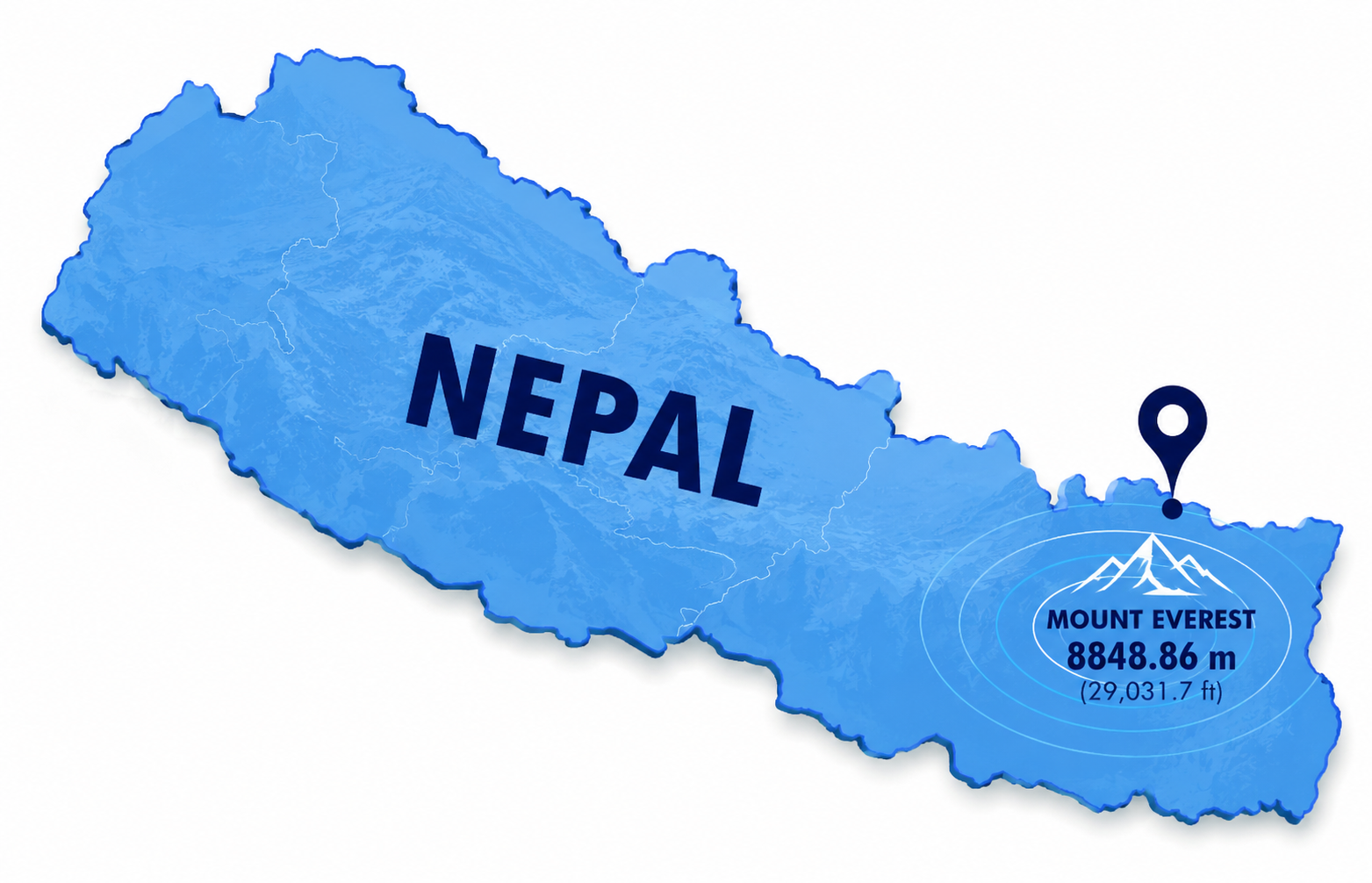
Mount Everest stands on the international border between Nepal and China, specifically the Tibet Autonomous Region of China. The summit itself lies directly on the border, so the mountain is shared by both countries.
The southern side of Mount Everest is located in Nepal's Solukhumbu District, within Sagarmatha National Park, while the northern side lies in Tingri County of the Tibet Autonomous Region. Because of this unique location, climbers can reach Mount Everest from either the Nepal side via the South Col Route or the Tibet side via the North Col Route.
Although the mountain is shared by Nepal and China, most trekkers and climbers choose to visit Everest through Nepal because of its famous Everest Base Camp Trek, experienced Sherpa guides, and well-developed trekking infrastructure.
Where Is Mount Everest on the Map?
Mount Everest is located in the Mahalangur Himal section of the eastern Himalayas. It stands within Sagarmatha National Park in Nepal and the Qomolangma National Nature Reserve in Tibet.
The nearest major city is Kathmandu, Nepal's capital, from where most Everest journeys begin. Trekkers usually fly to Lukla before following the scenic trail through the Khumbu Valley to Everest Base Camp.
Which Country Owns Mount Everest?
Mount Everest is shared by Nepal and China. The international boundary passes directly across the summit, making it one of the few mountains in the world whose highest point belongs to two countries.
Nepal manages climbing permits for expeditions using the South Col Route, while China issues permits for climbers ascending from the North Col Route in Tibet.
What Are the Exact Coordinates of Mount Everest?
The official geographic coordinates of Mount Everest are:
- Latitude: 27.9881° N
- Longitude: 86.9250° E
These coordinates place Everest in the eastern Himalayas, close to the Nepal-Tibet border.
Which Himalayan Range Is Mount Everest Part Of?
Mount Everest belongs to the Mahalangur Himal, a subrange of the greater Himalayan mountain system.
This spectacular mountain range is also home to several other famous peaks, including Lhotse (8,516 m), Nuptse (7,861 m), Makalu (8,485 m), Ama Dablam (6,812 m), and Pumori (7,161 m), creating one of the most dramatic mountain landscapes on Earth.
How Tall Is Mount Everest?
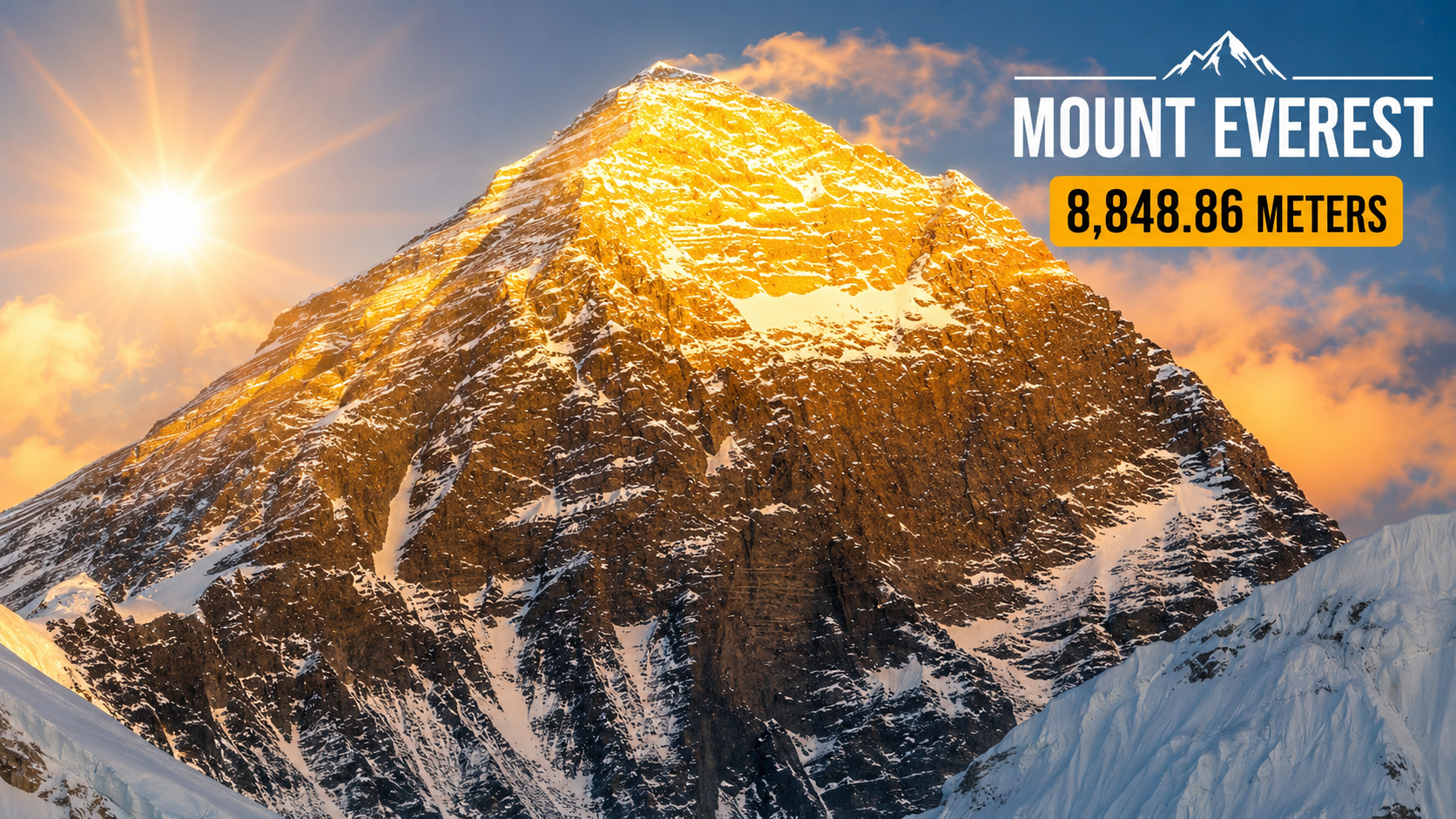
Mount Everest stands at an official height of 8,848.86 meters (29,031.7 feet) above sea level.
This height was jointly confirmed by the governments of Nepal and China in 2020 after an extensive scientific survey using modern GPS technology. Everest continues to grow by a few millimeters each year as the Indian and Eurasian tectonic plates slowly collide beneath the Himalayas.
What Is Mount Everest Called in Nepal and Tibet?
Mount Everest is known by different names that reflect its cultural and spiritual importance.
In Nepal, it is called Sagarmatha, meaning "Forehead of the Sky."
In Tibet, it is known as Qomolangma (or Chomolungma), meaning "Goddess Mother of the World."
The English name Mount Everest was given in 1865 in honor of Sir George Everest, the former Surveyor General of India, although he never visited the mountain himself.
How Can You Climb Mount Everest?
Climbing Mount Everest requires extensive preparation, previous high-altitude mountaineering experience, excellent physical fitness, and several weeks of acclimatization.
Most climbers join a professionally organized expedition that includes experienced guides, Sherpa climbing support, fixed ropes, oxygen systems, permits, and logistical assistance. A complete expedition generally lasts 60 to 70 days, including acclimatization and waiting for suitable summit weather.
For those without technical climbing experience, the Everest Base Camp Trek offers the opportunity to experience the Everest region without attempting the summit.
Everest Base Camp vs. Mount Everest: What's the Difference?
Many people confuse Everest Base Camp with the summit of Mount Everest, but they are completely different destinations.
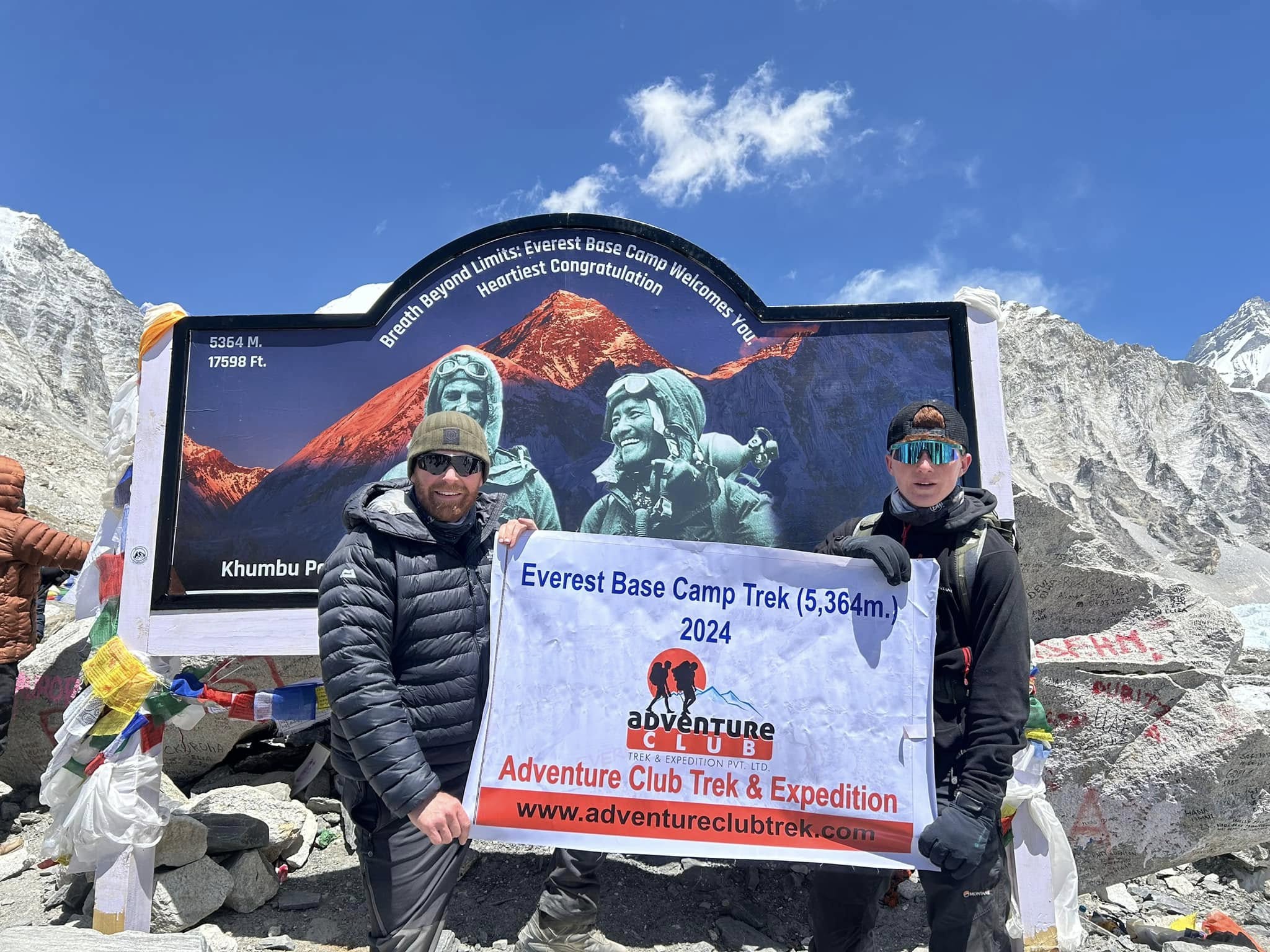
Everest Base Camp sits at approximately 5,364 meters (17,598 feet) and serves as the starting point for climbers preparing to summit Everest. Thousands of trekkers visit Base Camp every year without any technical climbing.
The summit of Mount Everest, at 8,848.86 meters, is only reached by experienced mountaineers after weeks of climbing through multiple high camps using specialized equipment and supplemental oxygen.
Nepal Side vs. Tibet Side: Which Is Better?
For most visitors, the Nepal side offers the richer overall experience. The journey includes the famous Everest Base Camp Trek, traditional Sherpa villages, Buddhist monasteries, suspension bridges, and spectacular mountain scenery throughout the Khumbu region.
The Tibetan side provides road access to Everest North Base Camp and wider panoramic views of the mountain. It is often quieter than Nepal but has different permit requirements and fewer trekking opportunities.
Trekkers generally prefer Nepal, while experienced climbers choose between the two routes based on expedition style, logistics, and personal preference.
Best Time to Climb Mount Everest
The best time to climb Mount Everest is during the two main climbing seasons:
Spring (April to May) is the most popular season because temperatures are relatively stable, winds are lighter, and summit conditions are generally more favorable.
Autumn (late September to October) also offers climbing opportunities, although expeditions are fewer because weather windows tend to be shorter.
Winter brings extremely cold temperatures and powerful winds, while the summer monsoon brings heavy snowfall and poor visibility, making both seasons unsuitable for most climbers.
Can Beginners Climb Mount Everest?
Mount Everest is not suitable for beginners.
Climbing the world's highest mountain requires previous experience on high-altitude peaks, excellent physical conditioning, technical mountaineering skills, glacier travel experience, and the ability to perform safely in extreme environments.
However, beginners can successfully complete the Everest Base Camp Trek, which is a challenging but achievable trekking adventure for people with good fitness and proper preparation.
Interesting Facts About Mount Everest
Mount Everest is full of fascinating history and remarkable achievements.
- Mount Everest is the highest mountain on Earth, standing at 8,848.86 meters (29,031.7 feet).
- The summit lies directly on the border of Nepal and Tibet (China).
- Sir Edmund Hillary of New Zealand and Tenzing Norgay Sherpa of Nepal made the first confirmed ascent on 29 May 1953.
- Everest continues to rise slightly each year due to the ongoing movement of tectonic plates.
- More than 800 people have reached the summit in a single climbing season during favorable years.
- The Everest region is protected as Sagarmatha National Park, a UNESCO World Heritage Site.
- Mount Everest is known as Sagarmatha in Nepal and Qomolangma in Tibet, reflecting its deep cultural and spiritual significance.
- Although thousands of people visit Everest Base Camp each year, only a small percentage go on to attempt the summit because of the technical difficulty, high altitude, and extreme conditions.
Climbing Routes of Mount Everest
Reaching the summit of Mount Everest is one of the greatest achievements in mountaineering, but every successful expedition begins by choosing the right climbing route. Today, there are two established routes to the summit: the South Col Route through Nepal and the North Col Route through Tibet (China). Although both routes end at the same summit, the experience, terrain, and challenges are quite different.
Why Most Climbers Choose the South Col Route
The South Col Route is the most popular way to climb Mount Everest, with the majority of commercial expeditions using this approach each climbing season. The journey starts with the famous trek to Everest Base Camp in Nepal before climbers gradually move through a series of high camps toward the summit.
One reason this route is so popular is the excellent support available throughout the expedition. Nepal has experienced Sherpa climbing teams, well-organized logistics, and decades of expertise in guiding Everest expeditions. This makes the South Col Route the preferred option for many international climbers.
However, the route is far from easy. One of its greatest challenges is crossing the Khumbu Icefall, a constantly moving glacier filled with deep crevasses, towering ice blocks, and unstable seracs. Because the glacier shifts every day, climbers usually cross it before sunrise when colder temperatures provide greater stability.
Just below the summit lies the famous Hillary Step. Although the original rock formation changed significantly during the 2015 Nepal earthquake, the final section remains physically demanding because of the extreme altitude and low oxygen levels.
What Makes the North Col Route Different?
The North Col Route approaches Everest from Tibet and offers a completely different climbing experience. Climbers drive to Everest North Base Camp before beginning their ascent across the Rongbuk Glacier, one of the highest glaciers in the Himalayas.
Instead of navigating the Khumbu Icefall, climbers face long, exposed ridges, colder temperatures, and stronger winds. One of the route's best-known obstacles is the Second Step on the Northeast Ridge. A fixed ladder helps climbers negotiate this steep rock section, but it remains one of the more technical parts of the climb.
Because of its harsher weather and more exposed terrain, the North Col Route generally attracts experienced climbers who are comfortable with more technical mountain conditions.
South Col or North Col: Which Route Is Better?
Neither route is easy, and both demand excellent fitness, proper acclimatization, and previous high-altitude climbing experience.
The South Col Route is usually the better choice for most climbers because it offers stronger logistical support, experienced Sherpa assistance, and a well-established climbing system. In contrast, the North Col Route provides a quieter but more demanding climb with colder conditions, stronger winds, and longer exposure to extreme altitude.
.jpg)
How Long Does It Take to Climb Mount Everest?
A complete Mount Everest expedition usually takes 60 to 70 days. Although reaching the summit itself takes only a few days, most of the expedition is spent allowing the body to adapt safely to high altitude.
Climbers spend several weeks acclimatizing by moving between Everest Base Camp and higher camps before attempting the summit. They also wait for a short period of stable weather, known as the summit window, when wind speeds are low enough for a safe ascent.
Successfully climbing Mount Everest is not simply about reaching the top. The true achievement is returning safely to Base Camp after completing one of the world's most demanding mountaineering expeditions.
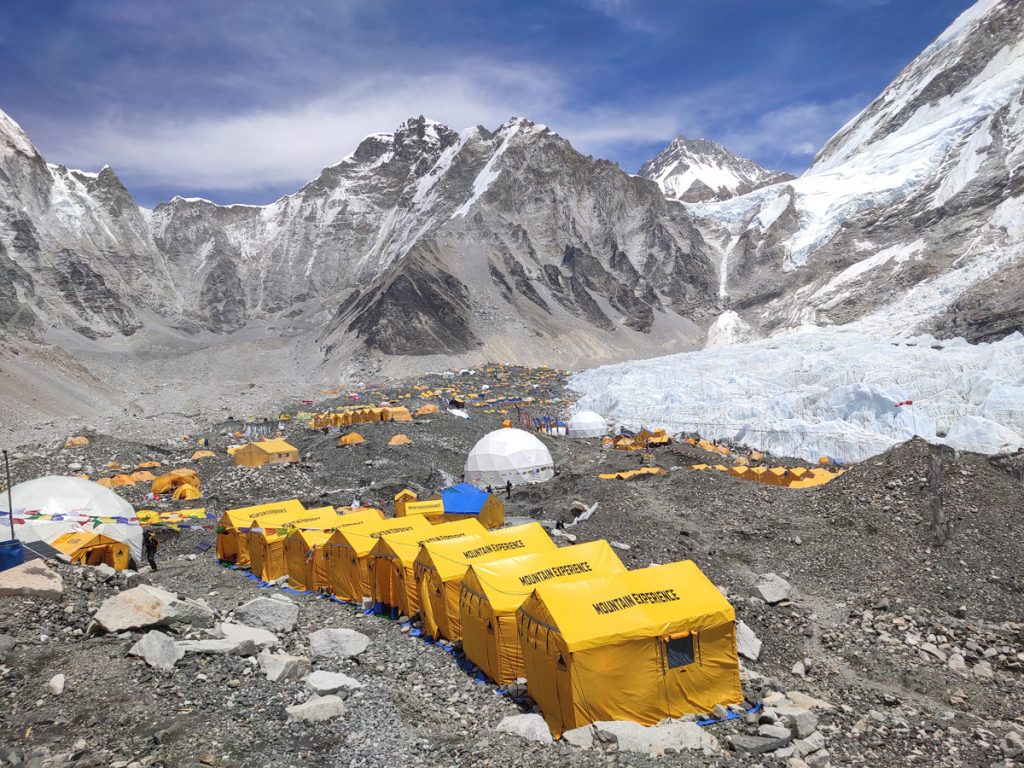
Environmental and Conservation Efforts in the Everest Region
The Everest region is one of the world's most spectacular mountain landscapes, but it is also one of the most environmentally fragile. Every year, thousands of trekkers and climbers visit Sagarmatha National Park to experience the beauty of Mount Everest. While tourism supports local communities and creates valuable opportunities, it also places increasing pressure on the region's delicate ecosystem. Combined with the effects of climate change, these challenges make conservation more important than ever.
Climate Change and Environmental Challenges
Climate change is having a visible impact across the Everest region. Rising temperatures have accelerated the melting of glaciers, particularly in the Khumbu Valley, changing the landscape that has existed for centuries. As glaciers retreat, they expose unstable terrain, create new glacial lakes, and increase the risk of crevasses, making both trekking and climbing more challenging in some areas.
The loss of glacial ice also affects local communities that depend on glacier-fed streams for drinking water, agriculture, and daily life. Protecting these glaciers is not only important for mountaineering but also for the people who have lived in the Himalayas for generations.
Weather patterns have also become less predictable. Compared to previous decades, snowfall is often more irregular, while sudden storms, heavy rainfall, rockfalls, and avalanches have become more common in certain seasons. These changing conditions can affect trekking schedules, flight operations to Lukla, and climbing expeditions, making careful planning and flexibility increasingly important.
Conservation and Sustainable Tourism
Protecting the Everest region requires the combined efforts of local communities, government authorities, trekking companies, climbers, and visitors. Sustainable tourism has become a key focus, helping preserve the environment while supporting the livelihoods of the Sherpa communities who call the Khumbu region home.
Regular cleanup campaigns remove abandoned climbing equipment, plastic waste, discarded oxygen cylinders, and other rubbish left behind during expeditions. Organizations such as Eco Everest Expeditions, together with local authorities, volunteers, and expedition teams, have collected significant amounts of waste from Everest and surrounding peaks over the years. These efforts have helped raise awareness about responsible mountaineering and the importance of keeping the mountains clean.
Many lodges and teahouses are also adopting more sustainable practices. Solar energy, improved waste management, water refill stations, and reduced use of single-use plastics are becoming increasingly common throughout the trekking route. Visitors can support these efforts by carrying reusable water bottles, minimizing waste, and following responsible trekking practices.
Conservation Rules That Protect Everest
Much of the Everest region in Nepal lies within Sagarmatha National Park, a UNESCO World Heritage Site established to protect its unique wildlife, forests, glaciers, and mountain environment. The park enforces regulations on trekking permits, waste disposal, and environmental protection to help preserve this remarkable landscape for future generations.
On the northern side of the mountain, the Qomolangma National Nature Reserve in Tibet also plays an important role in conserving the Everest ecosystem. The reserve manages tourism activities, protects biodiversity, and helps reduce environmental impacts in this high-altitude region.
How Trekkers Can Help Protect the Everest Region
Every visitor can make a positive difference by following simple but meaningful practices. Staying on marked trails, carrying reusable bottles, avoiding single-use plastics, disposing of waste responsibly, respecting local customs, and following the internationally recognized Leave No Trace principles all help reduce environmental impact.
Choosing a responsible local trekking company that supports sustainable tourism and works closely with local communities is another effective way to contribute to conservation efforts.
Protecting Everest for Future Generations
Mount Everest is more than the world's highest mountain. It is a home for local communities, a source of freshwater, a place of cultural and spiritual significance, and one of Earth's most remarkable natural environments. As climate change continues to reshape the Himalayas, protecting the Everest region has become a shared responsibility.
By traveling responsibly, supporting sustainable tourism, and respecting the mountain environment, every trekker and climber can help preserve Everest's beauty so future generations can experience the same extraordinary landscape that inspires millions of people from around the world.
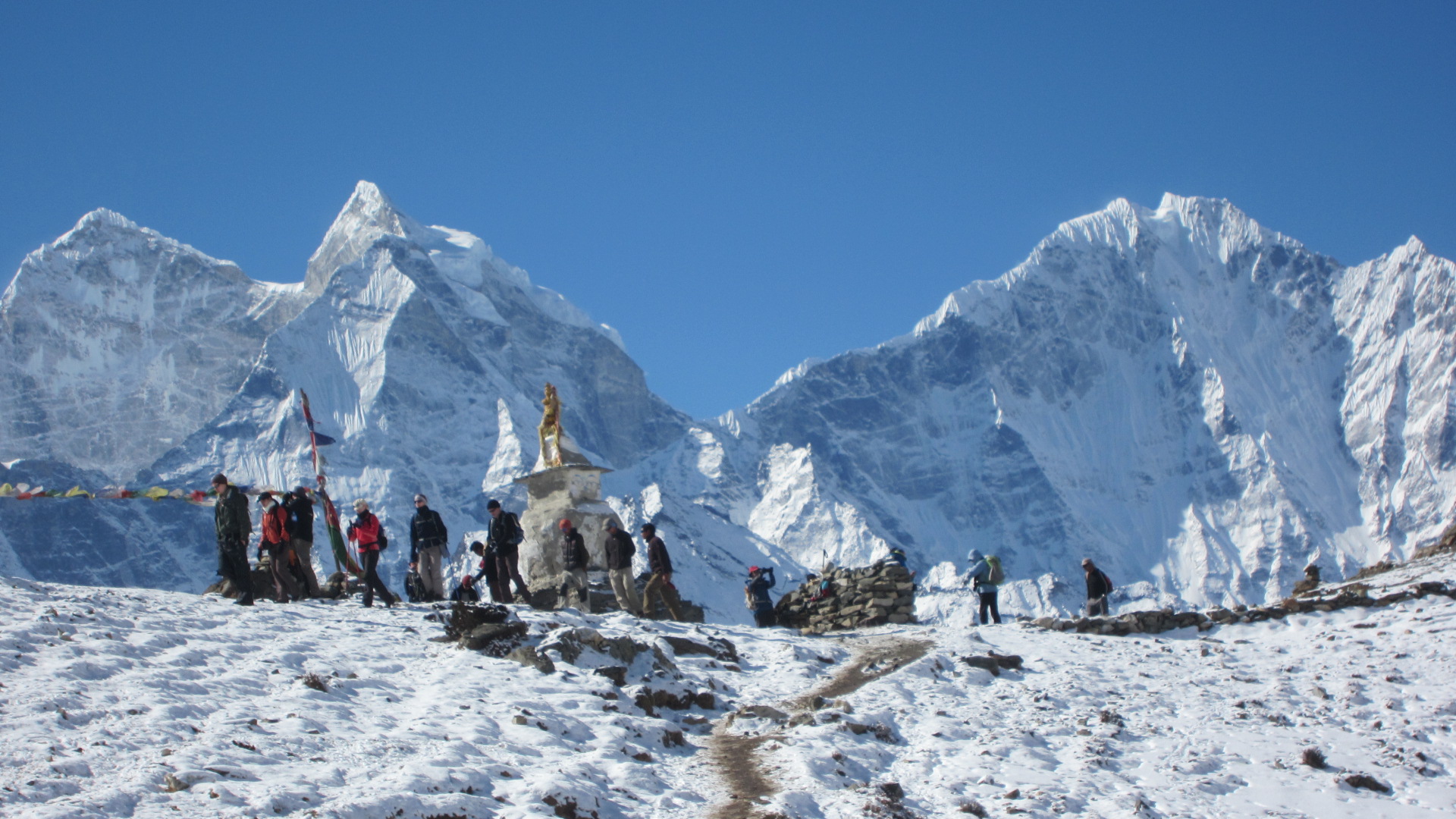
Flora and Fauna in the Everest Region
The Everest region is not only famous for the world's highest mountain but also for its remarkable biodiversity. From lush forests in the lower valleys to alpine meadows and rocky high-altitude landscapes, the region supports a surprising variety of plants and wildlife that have adapted to life in one of the harshest environments on Earth. Much of this unique ecosystem is protected within Sagarmatha National Park, a UNESCO World Heritage Site that plays an important role in conserving the natural heritage of the Himalayas.
As you trek higher through the Khumbu region, the scenery changes dramatically. Dense forests gradually give way to open alpine terrain, offering a fascinating glimpse into how nature adapts to increasing altitude and colder conditions.
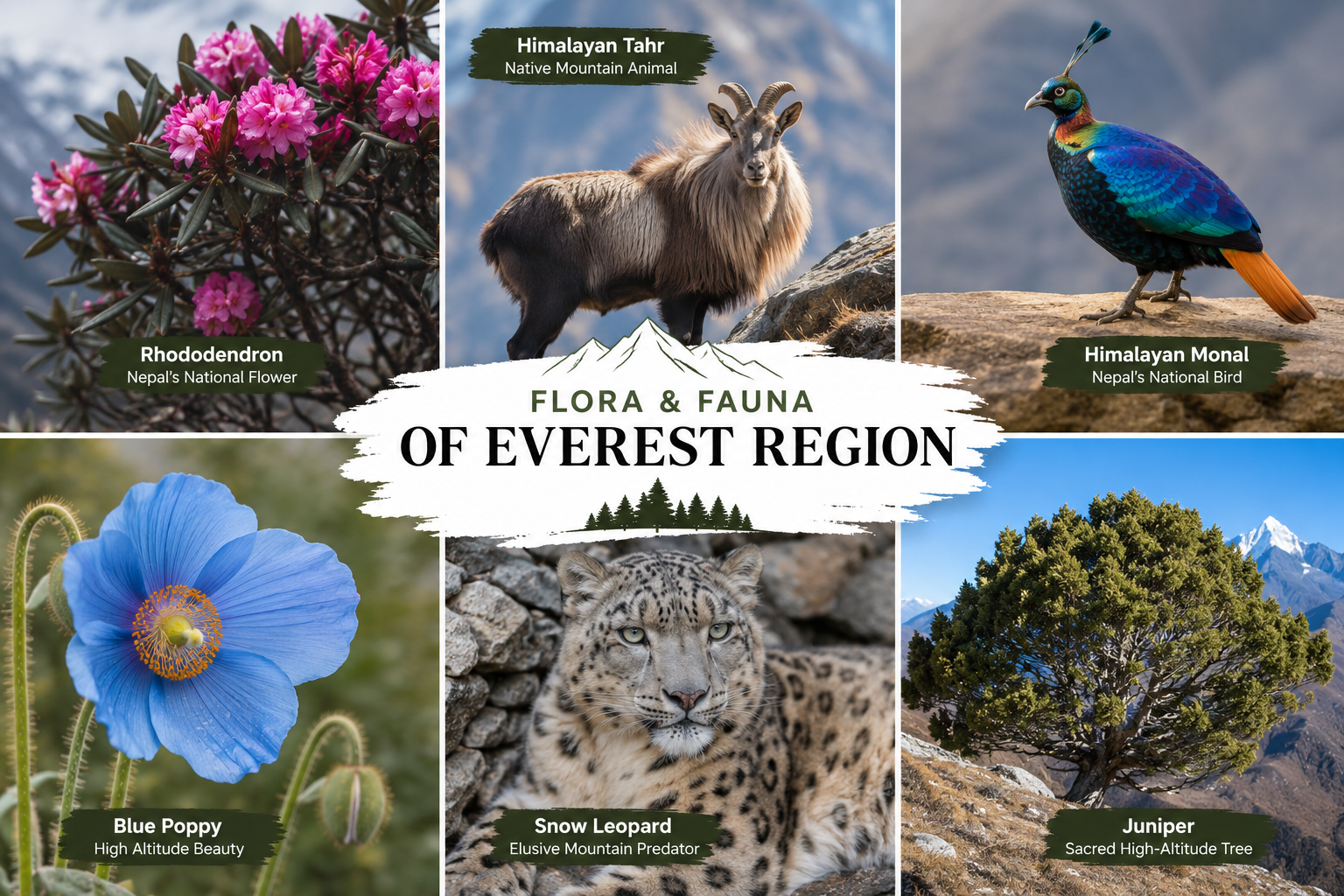
Plant Life in the Everest Region
The vegetation in the Everest region changes with elevation, creating distinct ecological zones along the trekking route.
Rhododendron and Juniper Forests
At lower elevations, generally between 3,000 and 4,000 meters, forests of rhododendron, juniper, pine, and birch cover the hillsides. During spring, colorful rhododendron flowers bloom across the mountains, adding vibrant shades of red, pink, and white to the landscape.
Alpine Meadows
As the forests begin to thin, alpine meadows appear. During late spring and summer, these high-altitude grasslands are filled with hardy wildflowers, including blue poppies, edelweiss, and other native Himalayan species. These meadows provide an important habitat for birds and grazing animals.
Mosses and Lichens
Above 5,000 meters, vegetation becomes sparse due to freezing temperatures, strong winds, and thin air. Hardy mosses and lichens cling to rocks and exposed surfaces, demonstrating the remarkable ability of life to survive in extreme mountain conditions.
Wildlife of the Everest Region
Despite the challenging climate, the Everest region is home to several fascinating mammals, birds, and other wildlife. Many species are rarely seen, but knowing they inhabit these mountains makes every trek even more special.
Snow Leopard
The elusive snow leopard is one of the Himalayas' most iconic animals. Perfectly adapted to steep rocky terrain and freezing temperatures, this endangered predator is rarely spotted, making any sighting exceptionally rare.
Himalayan Tahr
The Himalayan tahr is one of the animals trekkers are most likely to encounter. With its thick reddish-brown coat and impressive climbing ability, this wild mountain goat can often be seen grazing on steep cliffs and grassy slopes.
Red Panda
Although seldom seen by trekkers, the red panda lives in the forested lower elevations of the Everest region. This shy and endangered mammal depends on healthy temperate forests and is an important symbol of Himalayan wildlife conservation.
Birdlife in the Everest Region
The Everest region is also home to a variety of Himalayan birds. Visitors may spot the colorful Himalayan monal, Nepal's national bird, along with blood pheasants, yellow-billed choughs, snow pigeons, golden eagles, and lammergeiers soaring high above the valleys.
Protecting Everest's Natural Heritage
The unique plants and animals of the Everest region are an important part of what makes this Himalayan landscape so special. Conservation efforts by Sagarmatha National Park, local communities, and responsible trekking operators help protect these fragile ecosystems for future generations.
As a visitor, you can contribute by staying on designated trails, respecting wildlife, avoiding litter, and following responsible trekking practices. By traveling thoughtfully, you help preserve the incredible natural beauty and biodiversity that make the Everest region one of the world's most extraordinary mountain destinations.
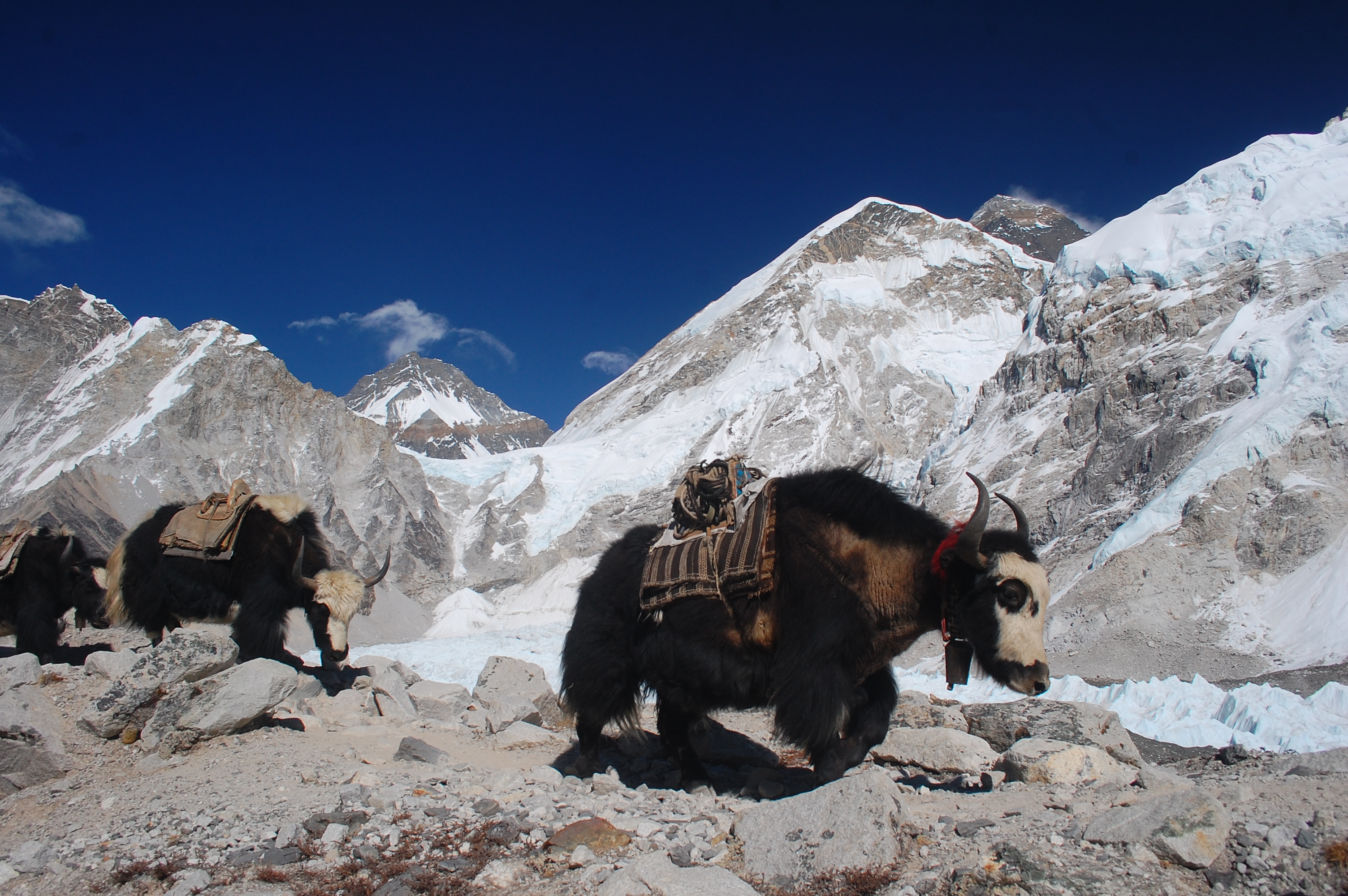
Conclusion: The Enduring Legacy of Mount Everest
Mount Everest is much more than the highest mountain on Earth. It is a place where breathtaking landscapes, rich Sherpa culture, remarkable history, and unforgettable adventure come together. Whether you dream of standing at Everest Base Camp, climbing to the summit, or simply admiring the mountain from a scenic viewpoint, Everest leaves a lasting impression on everyone who visits.
For generations, this iconic peak has inspired explorers, trekkers, photographers, and nature lovers from around the world. At the same time, it reminds us of the importance of protecting the fragile Himalayan environment. By traveling responsibly, respecting local communities, and following sustainable trekking practices, every visitor can help preserve the beauty of the Everest region for future generations.
If you are planning an Everest adventure, take the time to prepare well, choose the right season, and travel with an experienced local team that understands the mountains, the people, and the trails. With careful planning and the right support, a journey to the Everest region becomes far more than a trek. It becomes a once-in-a-lifetime experience filled with unforgettable mountain views, meaningful cultural encounters, and memories that stay with you long after you return home