The Journey to Tengboche
Reaching Tengboche Monastery is one of the highlights of trekking in Nepal's Everest region. Most visitors reach it while following the Everest Base Camp Trek, although it is also the final destination of the shorter Everest View Trek. Along the way, you will enjoy beautiful mountain scenery, traditional Sherpa villages, and peaceful forests.
The journey usually begins with a scenic flight to Lukla (2,860 m / 9,383 ft), the gateway to the Everest region. From Lukla, the trail follows the Dudh Koshi River, crossing suspension bridges and passing through charming villages surrounded by pine and rhododendron forests.
Most trekkers spend two nights in Namche Bazaar (3,440 m / 11,286 ft) to acclimatize before continuing higher. This important rest day helps your body adjust to the altitude while giving you time to explore local cafés, bakeries, shops, and nearby viewpoints.
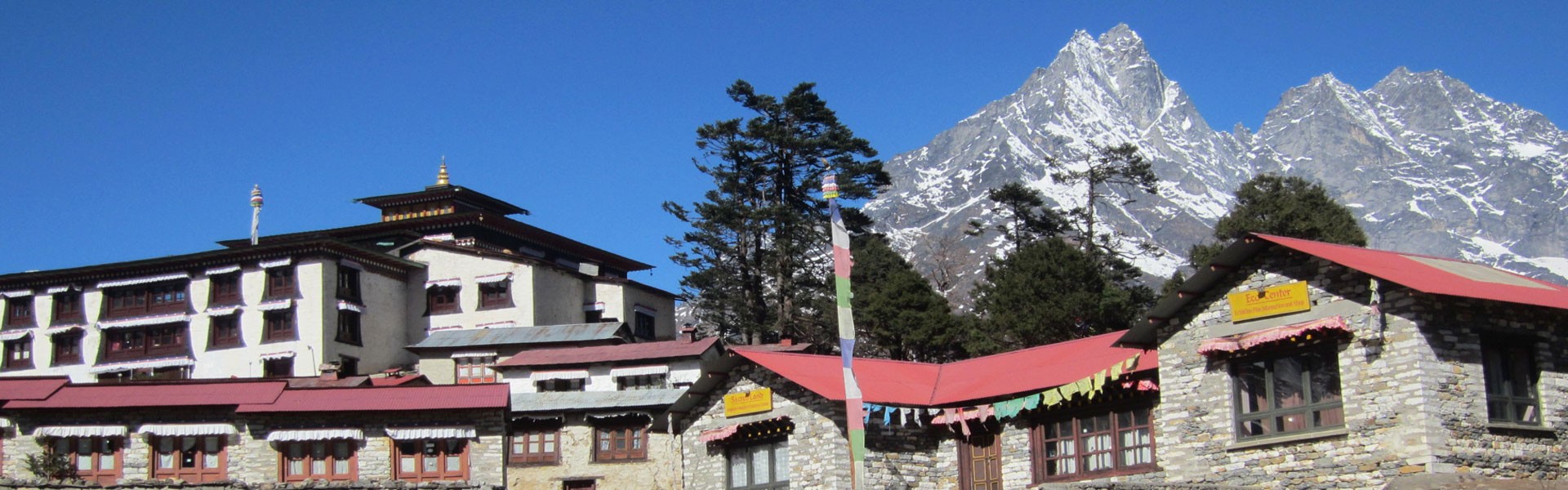
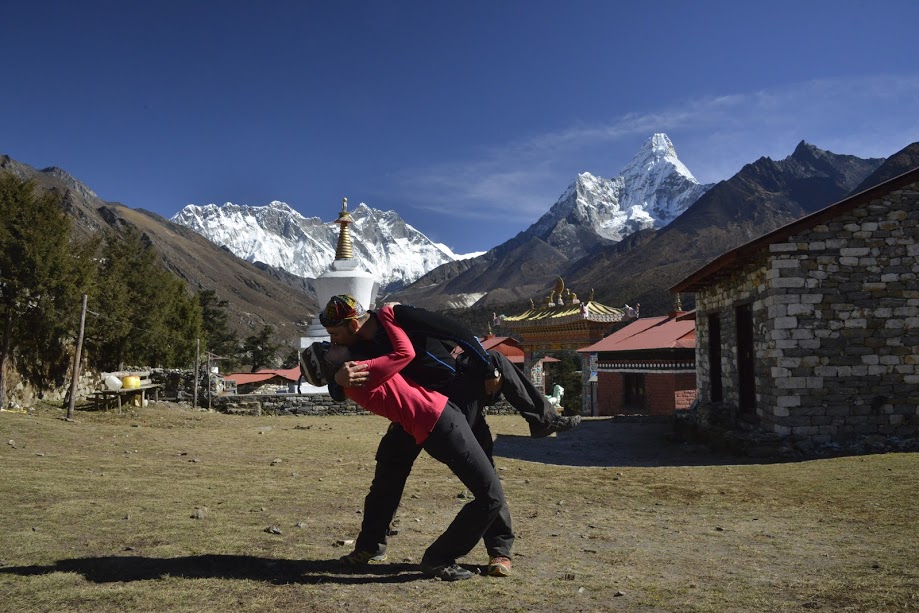
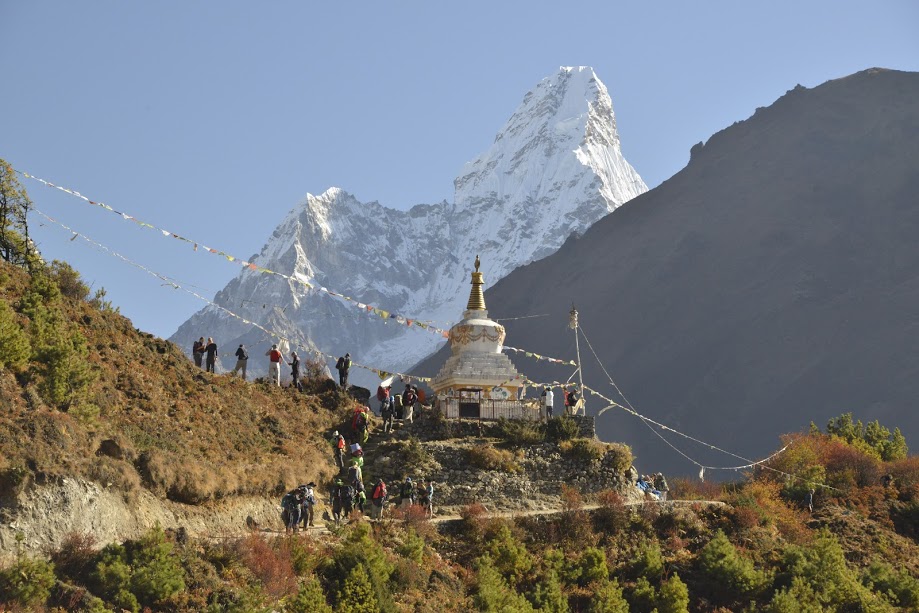
From Namche, the trail descends to the river before climbing steadily through peaceful forests to Tengboche. As you approach the village, colorful prayer flags come into view, and the monastery appears against a spectacular backdrop of Ama Dablam, Mount Everest, Lhotse, and Nuptse.
The climb to Tengboche is one of the more challenging sections of the trek, but there is no need to rush. Walking at a steady pace, staying well hydrated, and taking regular breaks will make the journey more comfortable. When you finally reach the monastery, the peaceful atmosphere and magnificent Himalayan views make every step worthwhile.
.jpg)
Experience Tengboche's Living Buddhist Traditions
Tengboche Monastery is not only a peaceful place to visit during the Everest Base Camp trek but also an important center of Buddhist festivals and Sherpa traditions. Throughout the year, the monastery hosts several religious celebrations that bring together monks, local families, and pilgrims from across the Khumbu region.
The most famous event is Mani Rimdu, a sacred Buddhist festival held each year in October or November, following the Tibetan lunar calendar. The festival lasts for 19 days, although visitors can usually attend the final three days, when the main ceremonies and public celebrations take place.
During this time, monks perform colorful masked dances, chant ancient prayers, and conduct traditional rituals that symbolize the victory of wisdom and compassion over negative forces. For many trekkers, witnessing Mani Rimdu becomes one of the most memorable cultural experiences in Nepal.
Another important celebration is Dumje, usually held in June or July. This traditional Sherpa festival honors Khumbila, the protective deity of the Khumbu region. Families gather for prayers, ceremonies, music, and community celebrations that help preserve Sherpa culture and strengthen local traditions.
The monastery also celebrates Losar (Tibetan New Year) and other important Buddhist festivals throughout the year. On special occasions, couples may also receive a traditional Buddhist blessing ceremony at the monastery.
If your trek coincides with one of these festivals, spending time in Tengboche offers a wonderful opportunity to experience the living spiritual and cultural heritage of the Everest region.
The Story Behind Tengboche Monastery
Tengboche Monastery has been the spiritual heart of Nepal's Everest region for more than a century. It was founded in 1916 by Lama Gulu, a respected monk of the Nyingma tradition of Tibetan Buddhism.
With the support of local Sherpa families, the monastery became the first celibate monastery of the Nyingma lineage in the Khumbu. Since then, it has played an important role in preserving Buddhist teachings,Sherpa traditions, and the region's unique cultural identity.
The monastery also has strong religious ties with Rongbuk Monastery in Tibet, reflecting the long history of cultural exchange across the Himalayas. Visitors can still see this shared heritage in the monastery's architecture, artwork, and daily Buddhist rituals.
Over the years, Tengboche has faced many challenges. It was badly damaged by the 1934 Nepal-Bihar earthquake and rebuilt by the local community. In 1989, a devastating fire destroyed much of the monastery, including valuable religious paintings, ancient manuscripts, and sacred artifacts.
Once again, the Sherpa community, together with supporters from Nepal and around the world, rebuilt the monastery with remarkable dedication.
Today, Tengboche Monastery stands as a symbol of faith, resilience, and unity. More than just a famous landmark on the Everest Base Camp Trek, it remains a living place of worship where monks continue centuries-old traditions, and visitors can experience the rich spiritual and cultural heritage of the Khumbu region.
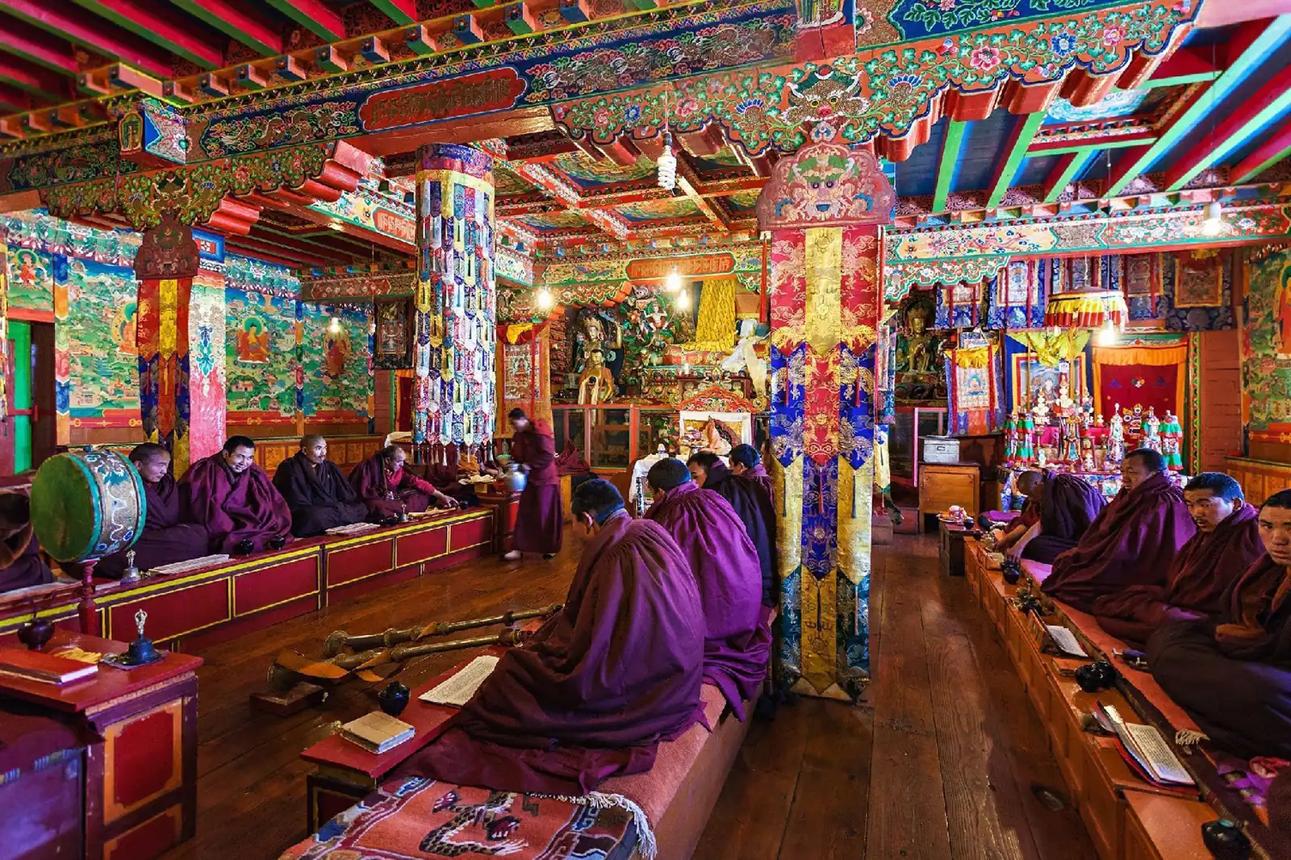
Inside the Beauty of Tengboche Monastery
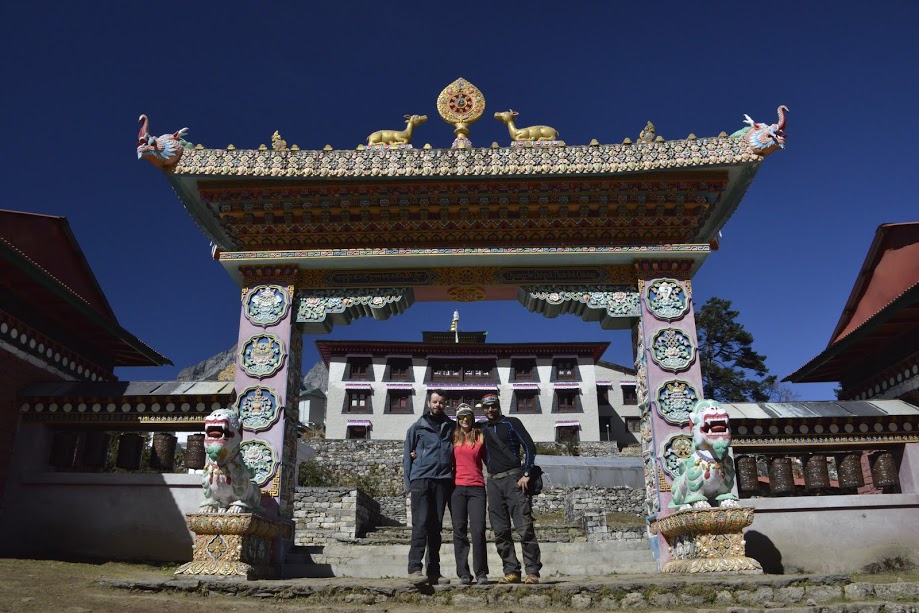
Tengboche Monastery is admired not only for its spiritual importance but also for its beautiful Himalayan architecture. Built in a traditional Tibetan Buddhist style with skilled Nepali craftsmanship, the monastery blends naturally into its mountain surroundings while reflecting centuries of religious tradition.
At the center of the complex stands the three-story main prayer hall (Gompa), surrounded by smaller buildings used by monks for daily life, study, and meditation. The monastery's balanced design creates a peaceful atmosphere that reflects the Buddhist values of harmony and simplicity.
The building rests on a strong stone foundation, while thick stone and timber walls help protect it from the cold Himalayan climate. Its sloping roof is designed to withstand heavy winter snowfall, and parts of the roof are decorated with golden details that shine beautifully on clear mountain mornings.
As you walk around the monastery, you will notice colorful prayer flags fluttering in the wind, rows of prayer wheels, and beautifully painted windows and wooden carvings.
Nearby, several mani walls are engraved with the sacred Buddhist mantra "Om Mani Padme Hum." Visitors should always pass these walls and prayer wheels on the left-hand side, following local Buddhist tradition.
Every part of Tengboche Monastery has both a practical purpose and a spiritual meaning. Taking a few quiet moments to observe these details helps visitors appreciate not only the beauty of the monastery but also the rich culture and deep faith that have shaped life in the Khumbu for generations.
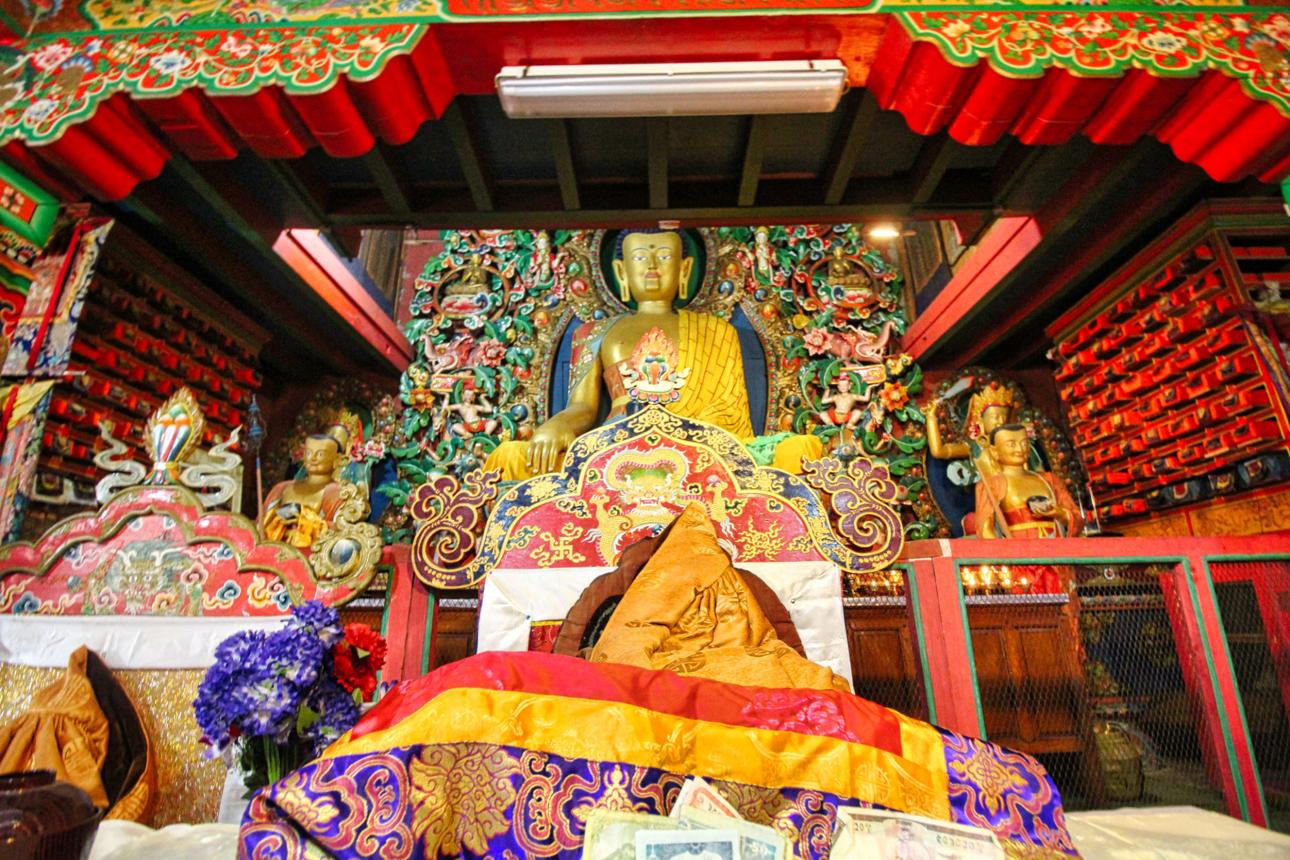
Sacred Art and Hidden Treasures of Tengboche
Beyond its peaceful surroundings, Tengboche Monastery is home to a remarkable collection of Buddhist art and sacred treasures. Every painting, statue, and ceremonial object has a religious purpose and tells a story about Buddhist beliefs and Sherpa traditions.
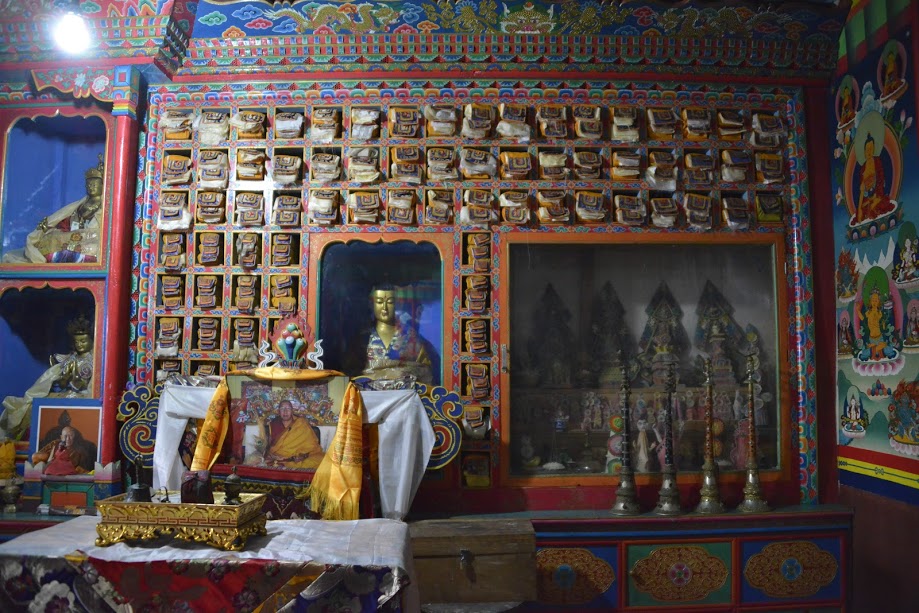
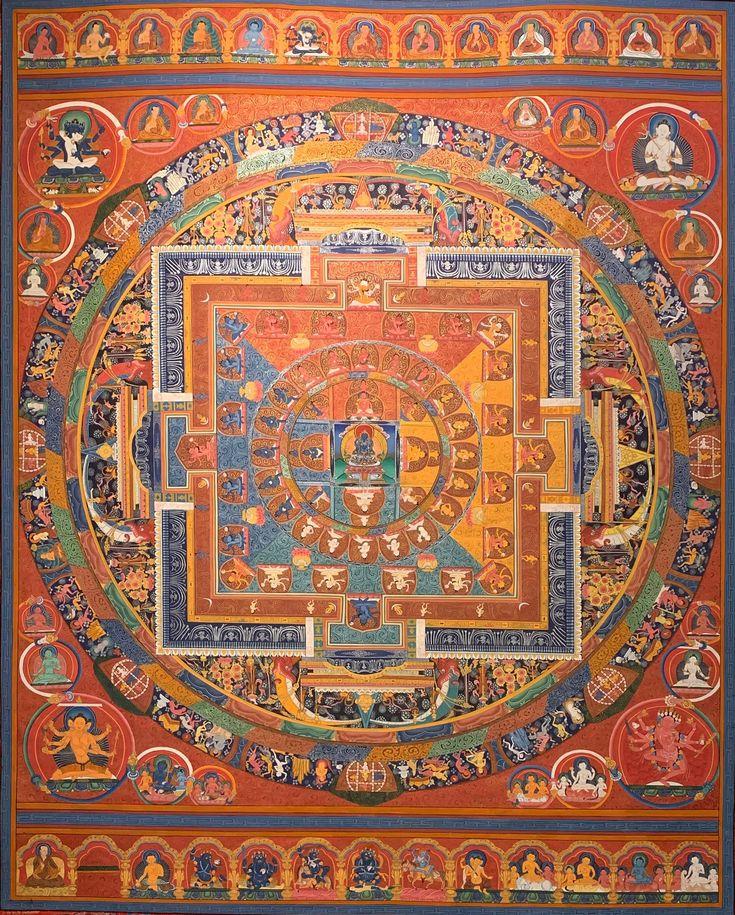
Inside the monastery, visitors can admire colorful murals illustrating the life of Buddha, beautifully crafted thangkas (traditional Buddhist paintings), and a magnificent 20-foot (6-meter) statue of Shakyamuni Buddha in the main prayer hall.
The monastery also preserves ancient scriptures wrapped in silk, along with ritual objects such as prayer drums, bells, and dorjes (vajras) that are still used during daily prayers and religious ceremonies.
These sacred objects are more than beautiful works of art. They help preserve centuries of Buddhist teachings and continue to inspire both monks and visitors.
When visiting the monastery, taking a few quiet moments to appreciate these treasures offers a deeper understanding of the spiritual traditions that have shaped life in Nepal's Everest region for generations.
A Warm Welcome to Sherpa Village Life
Tengboche is more than a stop on the trekking trail. It is a small Sherpa village where visitors can experience the warmth and traditions of mountain life. Staying in a local teahouse gives you a chance to enjoy genuine Sherpa hospitality while supporting families who have welcomed trekkers for generations.
Meals are simple, fresh, and prepared for life at high altitude. Popular dishes include dal bhat, potatoes, yak cheese, momos, thukpa, and Tibetan bread. Many trekkers also enjoy a slice of the famous Tengboche apple pie while taking in the surrounding Himalayan views.
If you spend extra time in the village, you may see locals caring for yaks, working in their fields, or preparing for religious celebrations. A friendly conversation over a cup of tea often becomes one of the most memorable parts of the journey.
These everyday moments offer a genuine connection to Sherpa culture and help visitors understand the traditions that have shaped life in the Everest region for centuries.
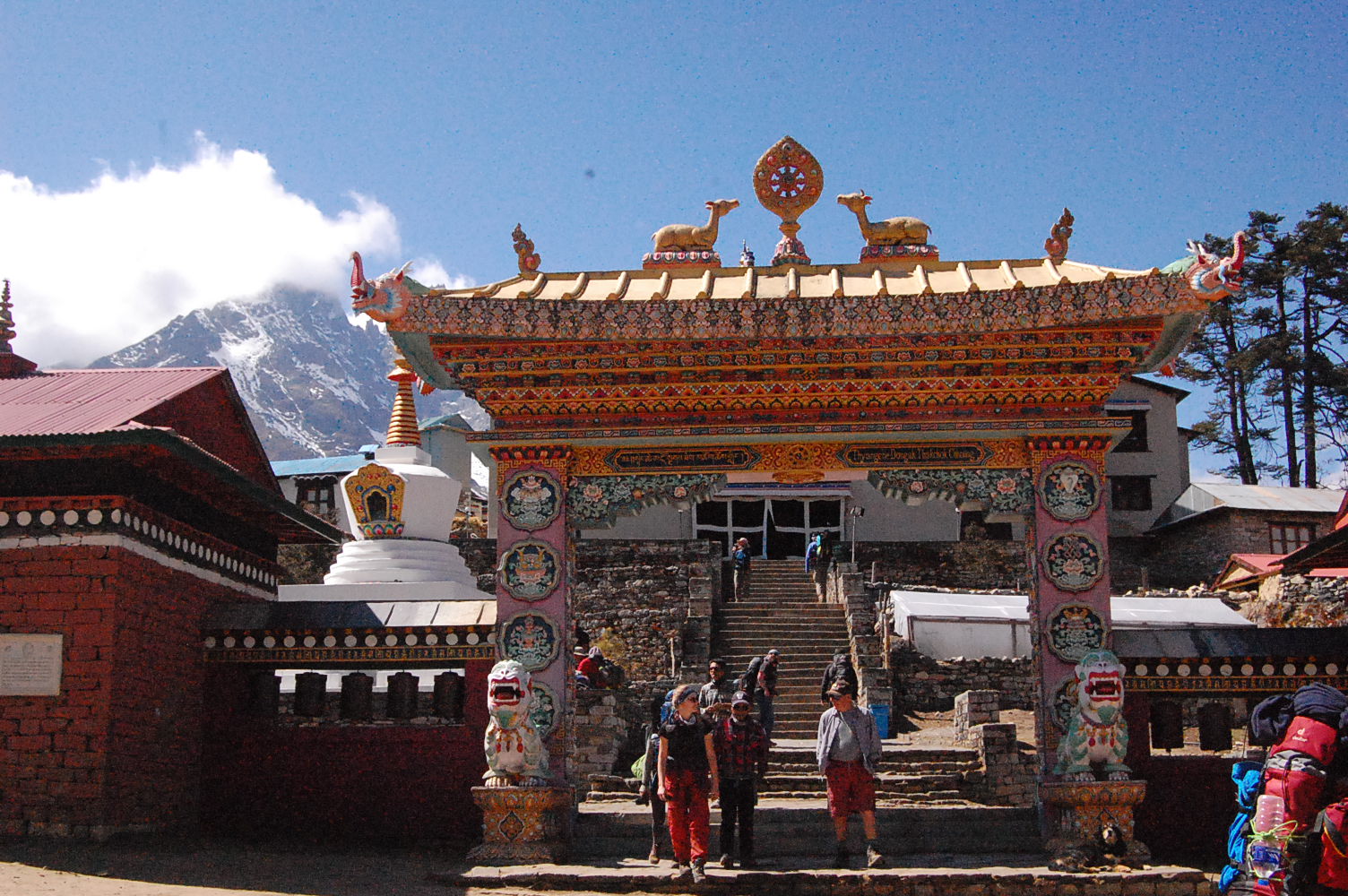
Helpful Tips for Visiting Tengboche Monastery
A visit to Tengboche Monastery is both a trekking experience and a cultural journey. To make the most of your visit, plan your trek during spring (March to May) or autumn (September to November), when the weather is generally clear and the mountain views are at their best.
Spend an extra night in Namche Bazaar to acclimatize properly before trekking higher. Good physical preparation, travel insurance that covers high-altitude helicopter evacuation, and hiring a licensed local guide will also make your journey safer and more enjoyable.
While visiting the monastery, remember that it is an active place of worship. Dress modestly, remove your shoes before entering, and keep your voice low. Always ask for permission before taking photographs inside the monastery, and avoid using flash during prayers. Walk respectfully around mani walls and prayer wheels in the traditional clockwise direction, and never touch religious objects without permission. A simple "Namaste" and a friendly smile are always appreciated by the local community.
A Place You'll Remember Long After the Trek
Tengboche Monastery is much more than a stop on the Everest Base Camp Trek. It is a place where breathtaking Himalayan scenery,Sherpa culture, and Buddhist traditions come together in a truly meaningful way.
Whether you come to admire the mountain views, attend a prayer ceremony, or simply enjoy a quiet moment surrounded by prayer flags, Tengboche offers an experience that stays with you long after the trek ends.
Taking time to explore the monastery, learn about its history, and connect with the local community adds a deeper dimension to your Everest journey. For many trekkers, the peaceful atmosphere of Tengboche becomes one of the most memorable highlights of their adventure in Nepal.
It is a reminder that the Everest region is not only home to the world's highest mountains but also to a rich cultural and spiritual heritage that deserves to be experienced with curiosity, respect, and appreciation.
Conclusion
Tengboche Monastery is much more than a stop on the Everest Base Camp Trek. It is a place where breathtaking Himalayan scenery, Sherpa culture, and centuries-old Buddhist traditions come together to create a truly memorable experience.
Whether you spend a few quiet moments in the monastery courtyard, listen to the monks' prayers, or simply admire the surrounding peaks, Tengboche offers a side of the Everest region that goes far beyond trekking.
Surrounded by the magnificent views of Mount Everest, Ama Dablam, Lhotse, and Nuptse, the monastery provides a peaceful setting to reflect and appreciate the unique culture of the Khumbu. Inside, its colorful murals, sacred thangkas, and ancient traditions offer visitors a deeper understanding of Buddhist philosophy and the Sherpa way of life.
For many trekkers, Tengboche becomes one of the most meaningful highlights of their journey. It is not just a destination to visit but a place to slow down, learn, and connect with the people and traditions that have shaped the Everest region for generations.
If you are planning a trek in the Khumbu, taking the time to experience Tengboche Monastery will make your adventure even more rewarding.