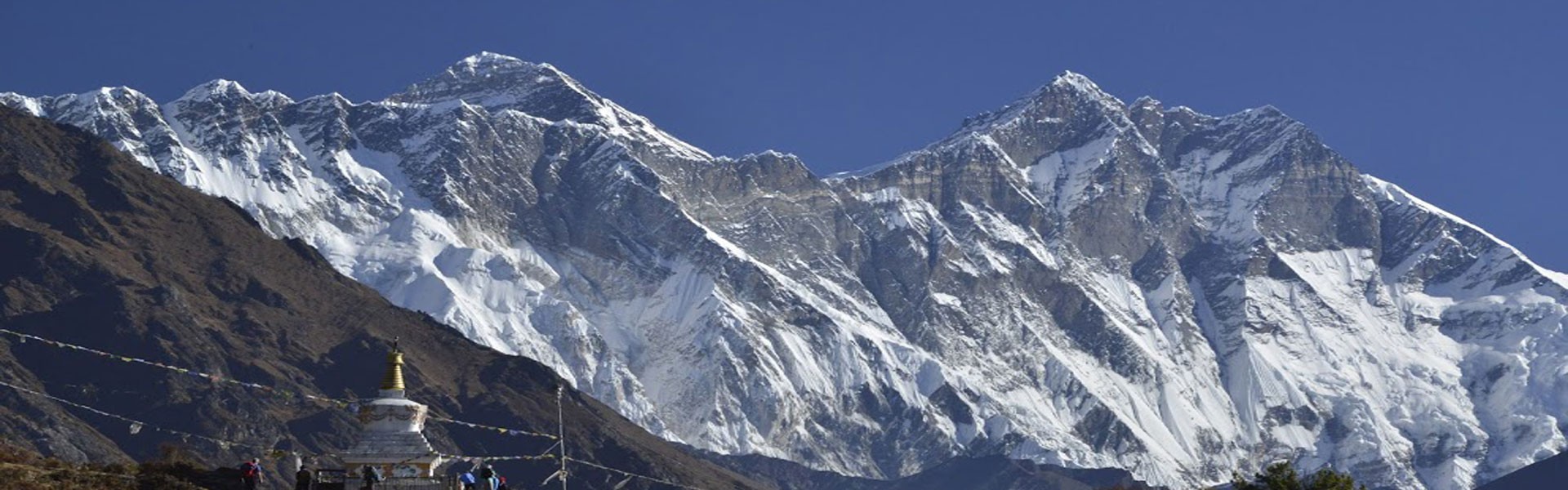
Choose the Everest Base Camp Trek That Best Fits Your Travel Style
There isn't a single "best" Everest Base Camp trek. The right itinerary depends on how much time you have, your fitness level, previous trekking experience, and the type of adventure you're looking for. Some travelers want the classic Everest Base Camp experience with a comfortable pace and proper acclimatization, while others prefer a more challenging route that includes high mountain passes or a shorter itinerary with a helicopter return.
Below are the most popular Everest Base Camp trek options, along with who each itinerary is best suited for.
Classic Everest Base Camp Trek Routes
If you're in good general health and enjoy regular walking, the Everest Base Camp Trek is an achievable adventure for most people. Even if you haven't hiked at high altitude before, preparing with regular walks, stair climbing, and cardio exercises for a couple of months before your trip can make a significant difference.
The following itineraries all follow the classic Everest Base Camp trail, visiting Namche Bazaar, Tengboche, Dingboche, Lobuche, Everest Base Camp, and Kala Patthar. The main differences are the pace of the journey, the number of acclimatization days, and whether sightseeing in Kathmandu is included.
The 13-Day Everest Base Camp Trek is designed for travelers with limited holiday time who still want to experience the classic Everest route. It includes only one acclimatization day in Namche Bazaar, making it the shortest standard itinerary to Everest Base Camp.
Because the schedule is relatively fast, this option is better suited to experienced hikers or travelers who are already physically well prepared and comfortable with long trekking days.
The 14-Day Everest Base Camp Trek is the itinerary most trekkers choose and the one we recommend for the majority of travelers. It includes two acclimatization days, one in Namche Bazaar and another in Dingboche, giving your body additional time to adjust before reaching higher elevations.
This extra day greatly improves comfort during the trek and provides a better balance between trekking distance, acclimatization, and overall safety without adding significantly to the total trip length.
The 16-Day Everest Base Camp Trek follows the same trekking route as the 14-day itinerary but includes an additional day to explore Kathmandu before beginning the trek.
This option is ideal for travelers who would like to visit Nepal's cultural highlights, including UNESCO World Heritage Sites, while also enjoying a relaxed trekking schedule with adequate acclimatization.
Which Classic Everest Base Camp Trek Should You Choose?
- Choose the 13-Day Trek if you're short on time, physically well prepared, and comfortable with a faster-paced itinerary.
- Choose the 14-Day Trek if you're looking for the best balance of trekking time, acclimatization, and overall comfort. It is the itinerary we recommend for most trekkers.
- Choose the 16-Day Trek if you have extra time and would like to combine the Everest trek with a full day exploring Kathmandu's cultural heritage.
Our Recommendation: Based on many years of organizing Everest Base Camp treks, we believe the 14-Day Everest Base Camp Trek offers the best overall experience. The additional acclimatization day in Dingboche allows for a safer and more enjoyable trek while still fitting comfortably into a two-week holiday.
Challenging Everest Base Camp Trek Routes
If you've already completed high-altitude treks or are looking for a more demanding Himalayan adventure, several extended itineraries combine Everest Base Camp with high mountain passes, remote valleys, and additional viewpoints.
These routes require stronger physical fitness and greater endurance, but they reward trekkers with quieter trails, more varied scenery, and a deeper exploration of the Everest region.
This spectacular itinerary combines the classic Everest Base Camp Trek with the beautiful Gokyo Lakes, the summit of Gokyo Ri (5,357 m / 17,575 ft), and the challenging Cho La Pass (5,420 m / 17,782 ft).
It's an excellent choice for trekkers who want to experience both Everest Base Camp and the stunning Gokyo Valley while crossing one of the region's most famous high passes.
This longer adventure includes Everest Base Camp, Kala Patthar, Cho La Pass, and Renjo La Pass, connecting the main Everest trail with the quieter Gokyo Valley.
The route passes through traditional Sherpa villages, remote mountain landscapes, and less-crowded sections of the Khumbu region, making it ideal for trekkers seeking a more adventurous experience beyond the classic route.
The Everest Three Passes Trek is widely regarded as the most complete trekking adventure in the Everest region. Along with Everest Base Camp, Kala Patthar, Gokyo Lakes, and Gokyo Ri, the trek crosses all three major high passes: Kongma La (5,535 m / 18,159 ft), Cho La (5,420 m / 17,782 ft), and Renjo La (5,360 m / 17,585 ft).
This itinerary is best suited to experienced trekkers who want a physically demanding journey and a quieter alternative to the standard Everest Base Camp route.
Which Challenging Trek Is Right for You?
The biggest difference between these itineraries is the number of high mountain passes included.
- Everest Base Camp via Gokyo Lakes and Cho La Pass: Crosses one high pass.
- Everest Base Camp with Cho La and Renjo La Pass: Crosses two high passes.
- Everest Three Passes Trek: Crosses three high Himalayan passes and offers the most comprehensive trekking experience in the Everest region.
If you're seeking the ultimate Everest adventure, the Everest Three Passes Trek is difficult to surpass.
Everest Base Camp Helicopter Tours and Trekking Options
Not everyone has two or three weeks available for trekking, and some travelers simply prefer a more comfortable way to experience the Himalayas. In these cases, helicopter tours offer an unforgettable alternative while still providing spectacular views of Mount Everest and the surrounding peaks.
Whether you're looking for a luxury sightseeing experience or a combination of trekking and helicopter travel, there are two popular options.
The Everest Base Camp Helicopter Tour is the fastest way to experience the Everest region. Within just a few hours, you'll fly from Kathmandu over picturesque hills, Sherpa villages, glaciers, and towering Himalayan peaks before landing near Kala Patthar, one of the finest viewpoints of Mount Everest.
Most tours also include breakfast at the famous Everest View Hotel, allowing you to enjoy panoramic mountain scenery without completing a multi-day trek.
This option is ideal for travelers with limited time, families with children, senior travelers, or anyone who wants to experience Everest in comfort.
The 12-Day Everest Base Camp Trek with Helicopter Return combines the classic trekking experience with the convenience of flying back to Kathmandu after reaching Everest Base Camp.
Instead of walking back to Lukla over several days, you'll return by shared helicopter, enjoying breathtaking aerial views of glaciers, valleys, and snow-covered peaks while saving valuable time and avoiding the long downhill trek.
Which Helicopter Option Should You Choose?
- Choose the 1-Day Everest Base Camp Helicopter Tour if you want to experience the Everest region in a single day without undertaking a demanding trek.
- Choose the Everest Base Camp Trek with Helicopter Return if you'd like to reach Everest Base Camp on foot but prefer a faster and more scenic return journey by helicopter.
Both options offer spectacular Himalayan views. The right choice depends on whether your priority is completing the trek itself, maximizing comfort, or making the most of limited travel time.