Is the Flight to Lukla Safe?
This is one of the most common questions asked by first-time trekkers.
The answer is yes.
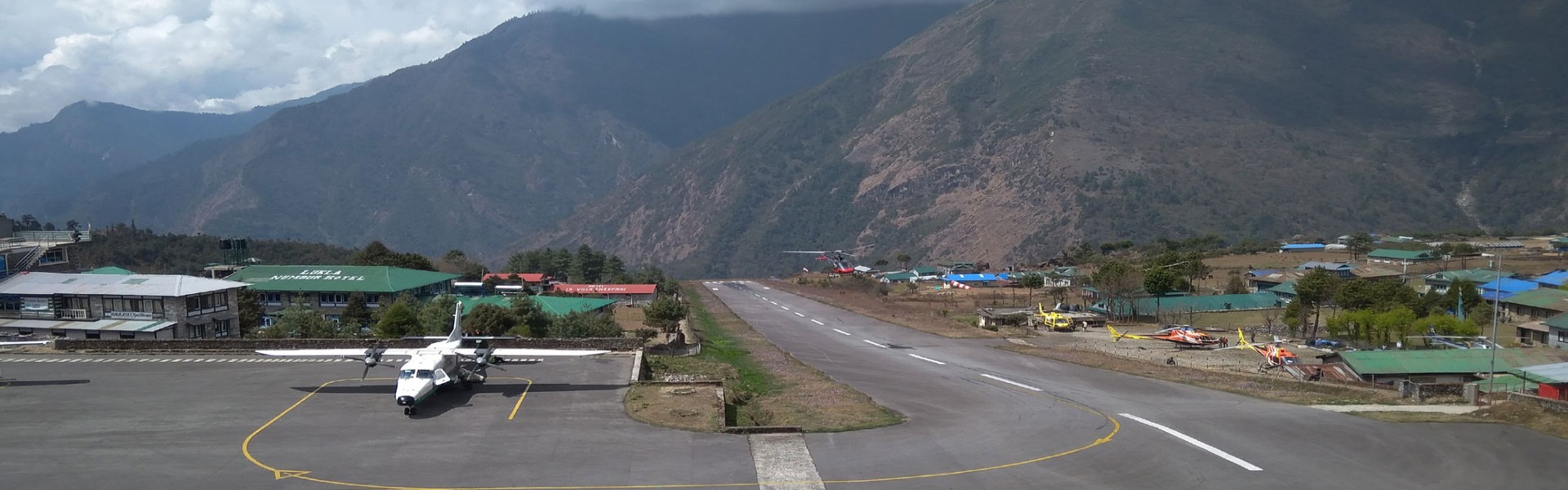
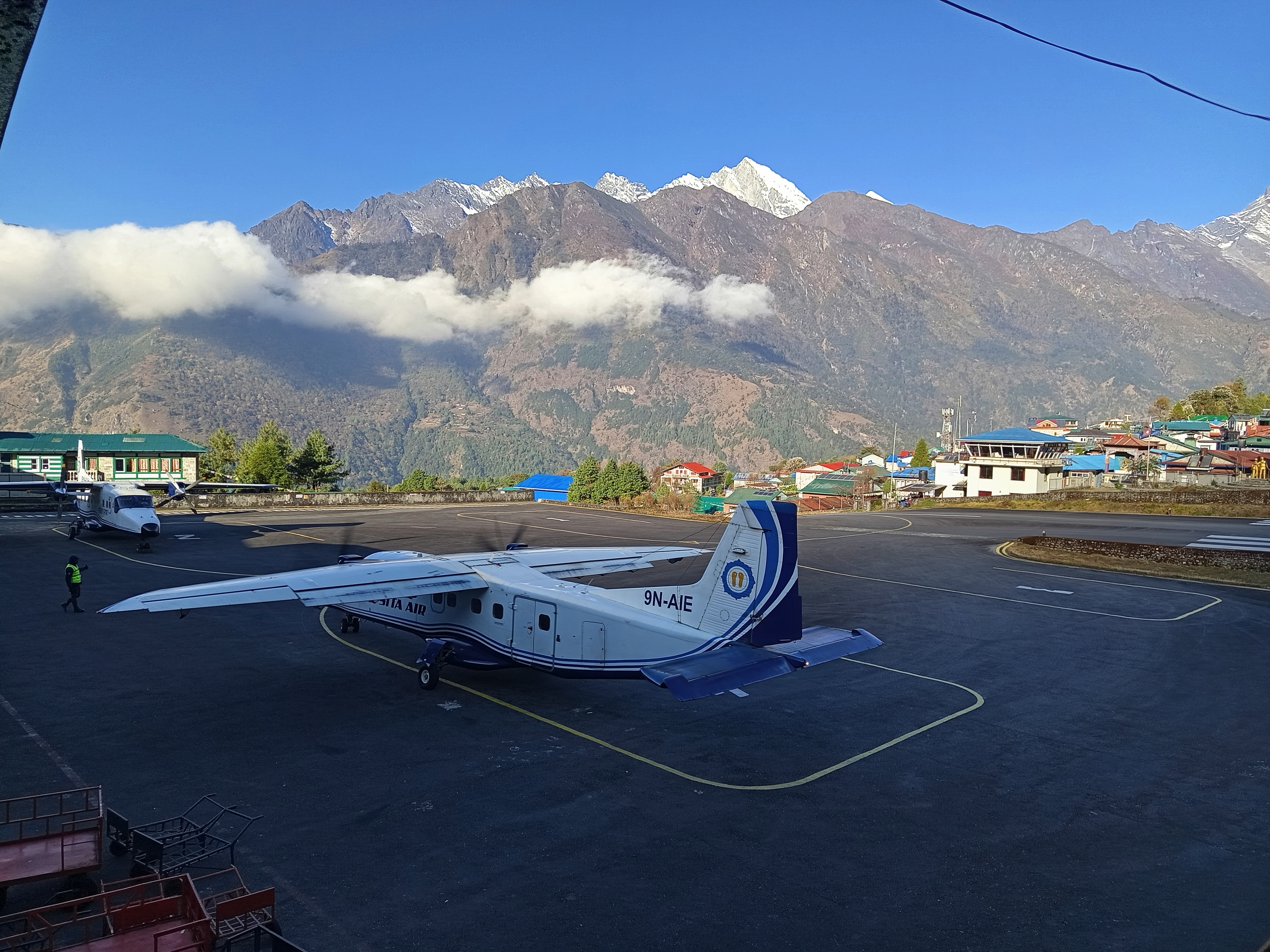
Although Lukla has earned a reputation as one of the world's most challenging airports, flights are operated by highly experienced pilots who undergo specialized mountain flying training. The Civil Aviation Authority of Nepal has strict requirements for pilots operating flights to Lukla. Pilots must have extensive STOL experience and complete supervised flights before they are permitted to land independently at the airport.
The aircraft themselves are specifically designed for short mountain runways and high-altitude conditions. Flights are also subject to strict weather regulations. If conditions are not suitable, flights are delayed or cancelled rather than taking unnecessary risks. Safety always comes first.
Quick Facts About Lukla Airport
Before your journey begins, here are some useful facts about Nepal's most famous mountain airport:
- Official Name: Tenzing-Hillary Airport
- Location: Lukla, Solukhumbu District, Nepal
- Elevation: 2,845 meters (9,334 feet)
- Runway Length: 527 meters (1,729 feet)
- Runway Width: 30 meters (98 feet)
- Runway Gradient: Approximately 11.7% uphill
- Aircraft Used: Twin Otter and Dornier 228 STOL aircraft
- Typical Flight Time: 35 to 40 minutes from Kathmandu and around 20 minutes from Manthali (Ramechhap)
- Best Seasons to Fly: Spring (March to May) and autumn (September to November)
Kathmandu vs. Ramechhap Flights to Lukla: Which Is Better for Trekkers?
When planning an Everest trek, choosing between a flight from Kathmandu to Lukla or from Ramechhap to Lukla is an important part of the journey. Both options take you to Lukla, the gateway to the Everest region, but the experience is quite different.
In the past, most trekkers flew directly from Kathmandu. During busy trekking seasons in spring and autumn, many flights are now moved to Manthali Airport in Ramechhap to reduce crowding at Kathmandu Airport. Ramechhap is about 133 kilometers east of Kathmandu and usually requires a 4–5 hour drive, often starting very early in the morning. The flight from Ramechhap to Lukla is short, around 12–15 minutes, compared to 30–45 minutes from Kathmandu.
If you prefer an easier start and less road travel, flying from Kathmandu is more comfortable when flights are available. During peak season, however, Ramechhap flights are common, and planning is important. Both routes are safe and offer beautiful mountain views. The best choice depends on how flexible your schedule is and how comfortable you are with early starts and long drives.
Why Lukla Flights Get Delayed or Canceled (And How to Plan Around It)
Flight delays and cancellations are a normal part of traveling to Lukla, especially during the spring and monsoon season. Lukla Airport sits in a narrow mountain valley with a short runway, and even small weather changes can make landings unsafe. There is only one approach path into the airport, so visibility and wind conditions play a critical role in whether flights can operate.
A delayed Lukla flight may last a few hours—or extend for several days—depending on weather patterns. Airlines follow strict safety rules and will not attempt to land unless conditions are clearly safe. For trekkers heading to the Everest region, planning for possible delays is essential. Adding one or two buffer days at the end of your trek helps protect your overall travel plans. Early morning flights have the highest success rate, and booking through an established trekking agency often improves your chances of quick rebooking if delays occur.
Best Time to Fly to Lukla: Weather, Visibility, and Seasonal Risks
The most reliable time to fly to Lukla is early in the morning during the main trekking seasons of spring (March to May) and autumn (September to November). These months usually offer clearer skies, lighter winds, and better visibility, which increases the chance of successful flights.
The monsoon season from June to August brings heavy cloud cover and frequent rain, leading to regular cancellations. Winter, from December to February, is generally drier but very cold, and occasional snow can still disrupt flights.
No matter the season, the best flying conditions are almost always in the early morning, before clouds rise and winds strengthen in the valley.
How Early Should You Fly to Lukla? Why Morning Flights Matter
The best time of day to fly to Lukla is as early as possible, usually between 6:00 AM and 9:00 AM. During these hours, the Himalayan weather is typically more stable, with clearer visibility and calmer air. As the day warms up, winds increase and clouds build quickly, making safe landings difficult. For this reason, afternoon flights to Lukla are rare and often canceled. Trekkers booked on early flights have a much better chance of arriving on schedule and starting their trek as planned.
What Happens If Your Lukla Flight Is Canceled?
If your flight to or from Lukla is canceled, staying calm and flexible is important. The most common solution is simply to wait for better weather, which often clears within a day or two. However, if you are short on time, there are other options.
Some trekkers choose to take a helicopter, which can sometimes fly when planes cannot, though this depends on weather and seat availability. Another option is to trek down to Salleri and continue by jeep to Kathmandu, which takes about two days of walking followed by a long road journey. In certain situations, helicopters may also land at Phaplu or Surkhe, which are alternative airstrips below Lukla. A trekking agency with local staff can help arrange these options and guide you to the best choice based on current conditions.
Lukla Helicopter vs Plane: Cost, Safety, and When It’s Worth It
Choosing between a helicopter and a plane depends on time, budget, and weather. Helicopters are more flexible and can sometimes operate when planes are grounded, but they carry fewer passengers and are more expensive. Planes are cheaper and faster when flights are running normally, but they are more easily affected by poor visibility.
A helicopter flight to Lukla typically costs USD 450–600 per person, with prices increasing during periods of high demand. Helicopters may also land at nearby locations such as Surkhe or Phaplu if Lukla itself is closed. For trekkers facing tight schedules or extended delays, a helicopter can be a practical solution, but it is never guaranteed and always weather-dependent.
How Much Luggage Can You Take on a Lukla Flight?
Luggage limits on Lukla flights are strict due to the small aircraft used and high-altitude safety requirements. Most airlines allow 15 kg (33 lbs) total per passenger, including:
- 10 kg checked baggage
- 5 kg carry-on
Excess baggage is charged per kilo, and overweight bags may be delayed to a later flight. It’s important to keep essentials such as medication, valuables, trekking boots, and a warm layer in your carry-on.
Packing light and understanding these limits helps avoid delays, extra fees, and missing gear once you’re on the trail.
Can You Trek to Everest Base Camp Without Flying to Lukla?
Yes, it is possible to reach Everest Base Camp without flying to Lukla. The classic Jiri to Everest Base Camp route adds about 4–6 extra trekking days and follows the original path used by early expeditions before Lukla Airport existed. This route passes through quiet villages, forests, and traditional farming areas, offering a deeper cultural experience and more gradual acclimatization.
Other alternatives include starting from Salleri or Phaplu, both reachable by road from Kathmandu. These routes are less crowded and avoid flight delays, making them appealing for trekkers with extra time.
Why Choose a Helicopter to Lukla?
Although regular Lukla flights work very well for most trekkers, helicopters have become increasingly popular in recent years, especially for travelers with limited time or fixed international schedules.
- A helicopter flight to Lukla offers several important advantages:
- Avoid airport congestion during busy trekking seasons.
- Avoid the very early morning drive from Kathmandu to Ramechhap.
- Enjoy greater flexibility in departure times.
- Increase the chances of flying during marginal weather conditions.
- Experience spectacular aerial views of the Everest region.
- Save valuable time on shorter itineraries.
- Reduce the risk of missing international connections due to flight delays.
Over the years, our team has arranged hundreds of helicopter transfers for trekkers heading to Everest Base Camp, Gokyo, and the Three Passes region, particularly during busy spring and autumn seasons when weather delays can affect fixed-wing operations. For many travelers, the additional flexibility and peace of mind are well worth the extra cost.
Shared vs Private Helicopter to Lukla
Travelers usually have two choices.
Shared helicopters are more affordable and work well for solo travelers and couples who are happy to share seats with other passengers.
Private helicopters offer complete flexibility and exclusive use of the aircraft, making them popular with families and private groups.
Shared flights have become especially common when regular Lukla flights are delayed during the busy trekking seasons.
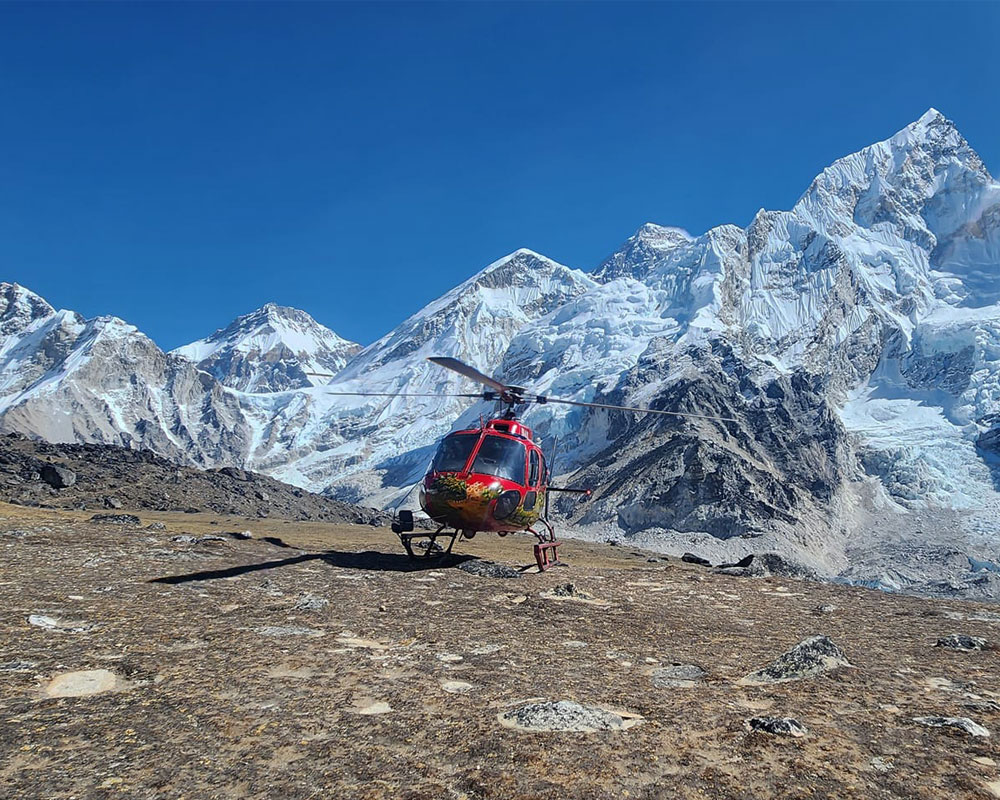
Kathmandu to Lukla Helicopter Flights
A Kathmandu to Lukla helicopter flight is one of the fastest and most convenient ways to reach the Everest region. The flight typically takes around 45 minutes and offers incredible aerial views of the Himalayan foothills, Sherpa villages, river valleys, and snow-covered peaks. Many trekkers choose this option to avoid uncertainty during busy trekking seasons or to maximize their time in the mountains.
Helicopter Return from Everest Base Camp
One of the fastest-growing trends in Everest trekking is theEverest Base Camp Trek with Helicopter Return. After completing the trek to Everest Base Camp and Kala Patthar, trekkers fly directly back to Kathmandu by helicopter from Gorakshep or Pheriche. This option reduces the overall trekking duration while providing spectacular aerial views of Everest, Nuptse, Lhotse, Ama Dablam, and the Khumbu Glacier. It has become especially popular among travelers with limited holiday time.
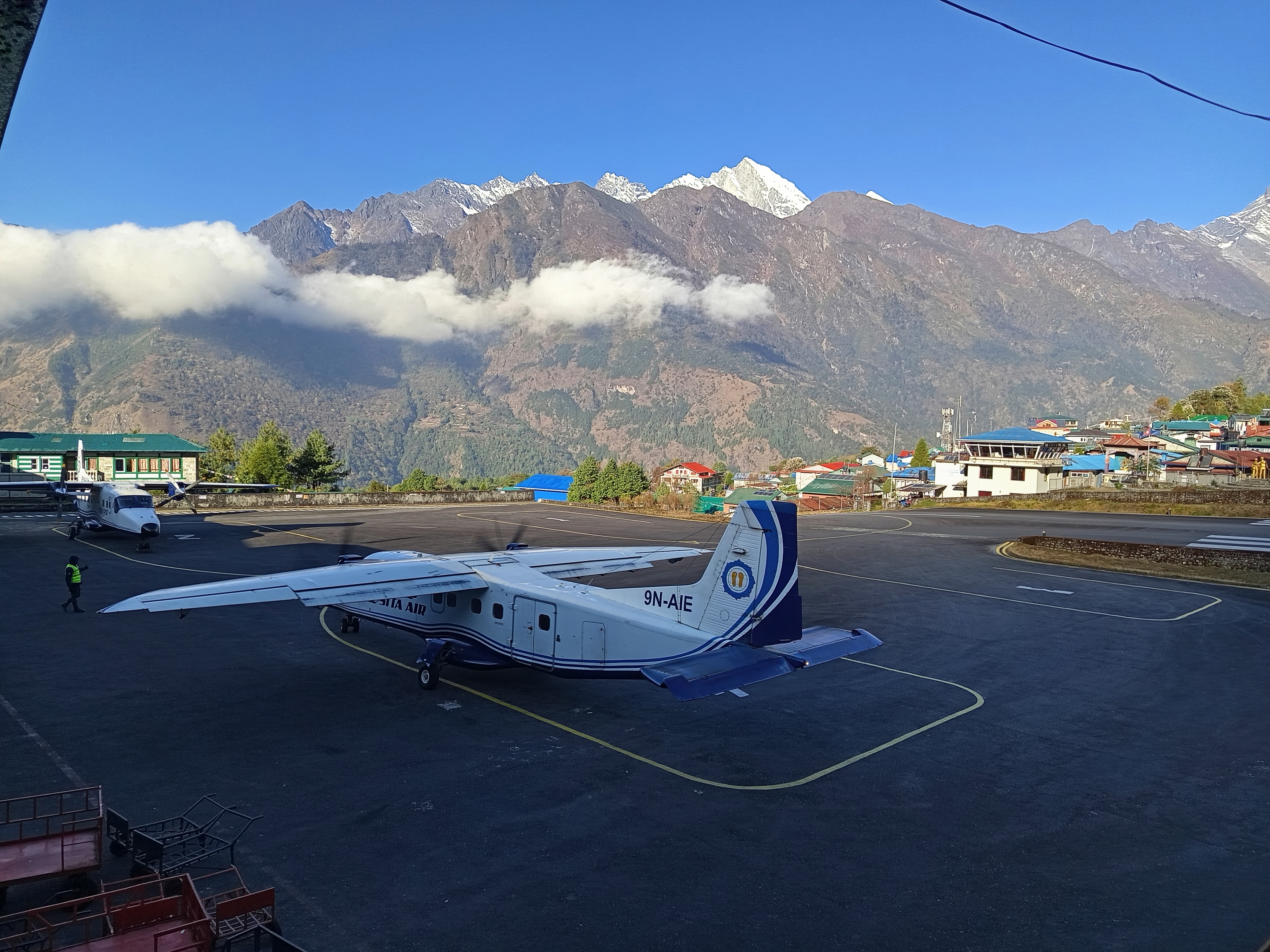
What Does Landing at Lukla Actually Feel Like?
This is the question many first-time trekkers secretly worry about before their trip.
The truth is that the experience is exciting, memorable, and unlike landing anywhere else in the world. As the aircraft leaves Kathmandu or Manthali behind, passengers enjoy spectacular views of green hills, deep valleys, and snow-covered Himalayan peaks appearing on the horizon.
Then comes the final approach.
As the aircraft enters the narrow valley leading to Lukla, conversations inside the cabin often become quieter. Passengers instinctively look out of the windows as the runway suddenly appears directly ahead between the mountains.
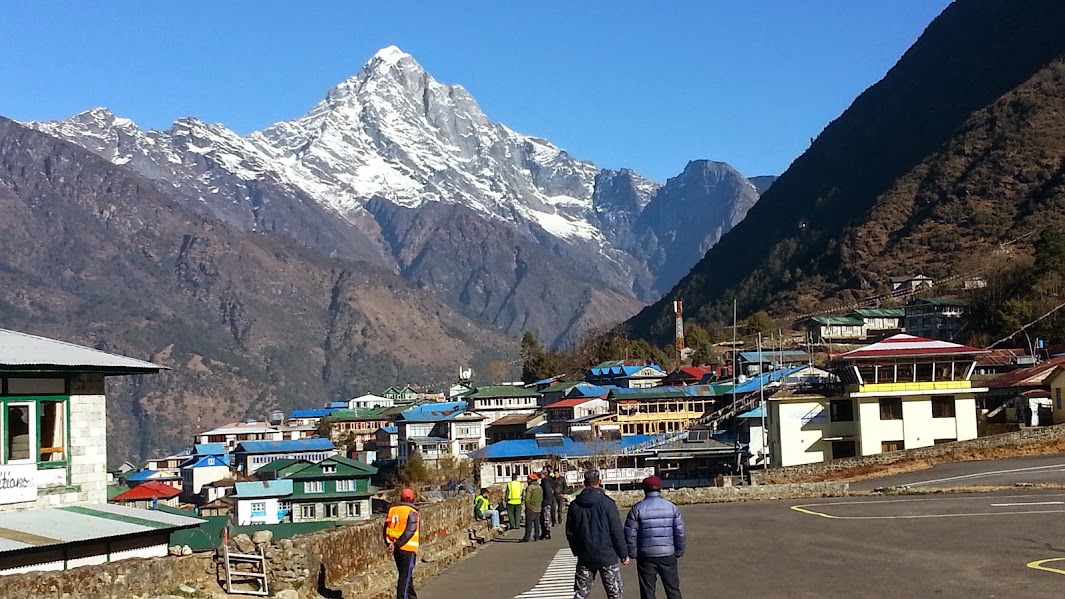
There are no long approaches and no endless circling overhead. A few moments later, the wheels touch the runway, and the aircraft climbs sharply uphill as it slows to a stop. For first-time visitors, it is common to hear applause, nervous laughter, or relieved smiles as passengers realize they have just completed one of the world's most famous mountain flights. Stepping outside into the cool mountain air, surrounded by prayer flags, stone houses, and towering peaks, many trekkers describe this as the exact moment their Everest adventure truly begins.
Travel Insurance for Lukla Flights: What Is Actually Covered?
Travel insurance is highly recommended when flying to Lukla due to frequent weather-related delays. Not all standard policies cover domestic flight disruptions in Nepal, so it’s important to choose insurance that includes:
- Trip interruption and flight cancellation
- Lost or delayed baggage
- Emergency medical treatment
- High-altitude trekking above 4,000 meters
- Helicopter evacuation
Always read the policy details carefully and confirm coverage before arriving in Nepal. If a flight is canceled, your trekking agency can usually provide the documentation needed for insurance claims.
Local Advice from Our Experience
After arranging Everest flights and helicopter transfers for many years, there are a few recommendations we consistently give our clients:
- Always allow at least two buffer days in Kathmandu after your trek.
- Morning flights have the highest chance of operating on schedule.
- Pack essential medication and valuables in your hand luggage.
- Keep your trekking itinerary flexible during peak seasons.
- Consider helicopter upgrades if your international departure schedule is tight.
During busy autumn seasons, weather delays of one or two days are not unusual, and those extra buffer days can remove a great deal of unnecessary stress.
Travel Tips for First-Time Visitors
- Keep your passport, medications, valuables, and electronics in your hand luggage.
- Pack within the airline baggage allowance whenever possible.
- Charge your phone, camera, and power bank before leaving your hotel.
- Dress warmly, as mornings in the mountains can be cold.
- Purchase travel insurance that covers trekking and helicopter evacuation.
- Allow extra days in Kathmandu in case of weather delays.
Frequently Asked Questions
Is Lukla Airport really the world's most dangerous airport?
Lukla Airport is certainly one of the world's most challenging airports because of its terrain, weather, and short runway. However, strict regulations, highly experienced pilots, and specialized aircraft make it significantly safer than many headlines suggest.
Can helicopters fly when planes cannot?
Sometimes yes.
Helicopters can often operate in lower visibility conditions than fixed-wing aircraft, although they are still subject to strict safety regulations and weather limitations.
How much does a helicopter from Kathmandu to Lukla cost?
Prices vary depending on the season, fuel costs, and whether you choose a shared or private flight. Because pricing changes regularly, it is always best to request an up-to-date quotation from your operator.
Can I book a shared helicopter to Lukla?
Yes.
Shared helicopter flights are commonly arranged during busy trekking seasons and can significantly reduce the cost compared with private charters.
What happens if my Lukla flight is cancelled for several days?
Airlines will normally rebook passengers as seats become available. Depending on availability and your travel schedule, a helicopter transfer may also be arranged.
Which side of the aircraft offers the best mountain views?
For flights from Kathmandu to Lukla, the left side of the aircraft usually provides the best views. For the return journey from Lukla to Kathmandu, the right side generally offers better panoramas.
How early should I arrive for my Lukla flight?
Most airlines recommend arriving at least one to two hours before departure, particularly during busy trekking seasons when check-in counters can become crowded.
Final Thought
Lukla Airport may be famous for its dramatic runway and mountain setting, but for most trekkers it becomes something much more meaningful. It is the place where excitement replaces planning, where maps become trails, and where the dream of standing beneath Mount Everest finally begins to feel real. As your aircraft touches down among the mountains and the cool Himalayan air fills your lungs for the first time, you realize that you are no longer preparing for an adventure.