Discover the Manaslu Region: Nepal's Remote Himalayan Treasure
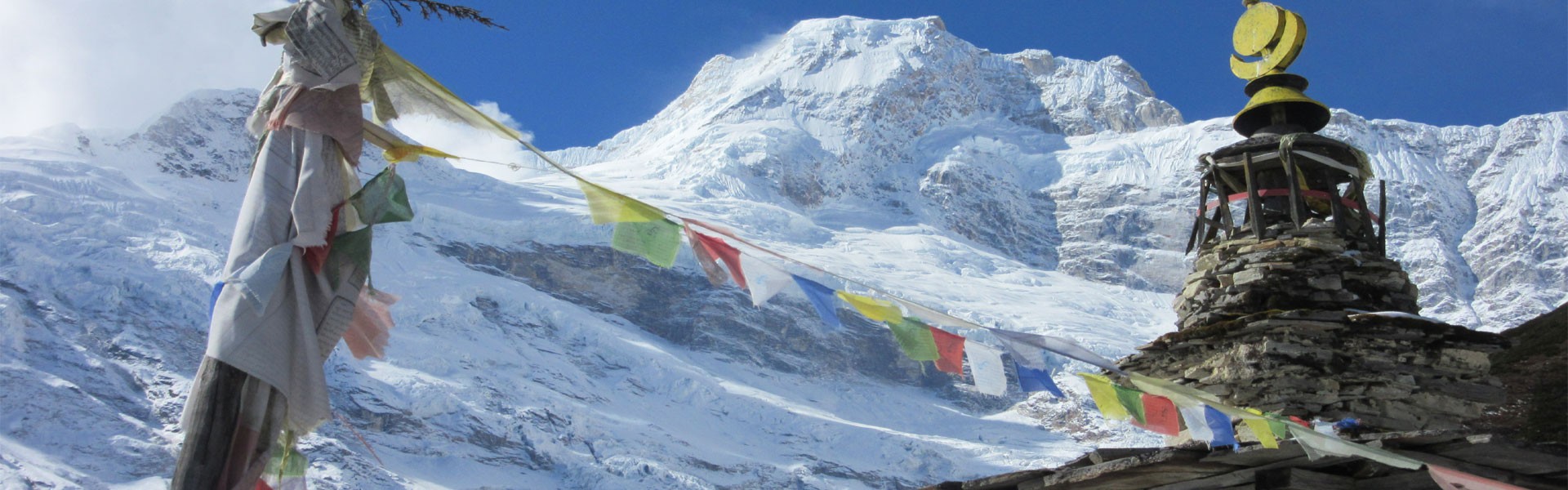
The Manaslu Region is one of Nepal's most rewarding trekking destinations, where dramatic Himalayan landscapes, centuries-old mountain culture, and peaceful trails come together to create a truly unforgettable journey. Home to Mount Manaslu (8,163 m / 26,781 ft), the world's eighth-highest mountain, this region offers an experience that feels both adventurous and deeply authentic.
Unlike the busier Everest and Annapurna regions, Manaslu has retained much of its original character. The trail passes through subtropical forests, narrow river gorges, traditional villages, alpine meadows, and high mountain passes before reaching the spectacular Larkya La Pass (5,106 m / 16,752 ft). Every stage of the trek reveals a different landscape and a new perspective on life in the Nepal Himalayas.
Whether you're planning the Manaslu Circuit Trek, extending your journey into the sacred Tsum Valley, or simply looking for a quieter alternative to Nepal's more popular trekking routes, the Manaslu region offers an exceptional combination of natural beauty, cultural heritage, and genuine Himalayan adventure.
A Remote Trek That Rewards Every Step
One of the biggest reasons trekkers choose the Manaslu region is its peaceful atmosphere. Although the trail has grown in popularity over recent years, it still receives far fewer visitors than the Everest Base Camp or Annapurna Circuit treks. As a result, you'll often enjoy quieter trails, uncrowded viewpoints, and a stronger connection with the surrounding mountains and local communities.
The journey begins in the lush valley of the Budhi Gandaki River, where terraced hillsides, waterfalls, and dense forests create a striking contrast to the rugged high Himalayas waiting ahead. As you gain altitude, the scenery changes gradually from subtropical vegetation to alpine meadows, glacial valleys, and towering snow-covered peaks.
One of the trek's defining moments is crossing Larkya La Pass, one of Nepal's most beautiful high mountain passes. Although the climb is physically demanding, the panoramic views of Mount Manaslu, Himlung Himal, Cheo Himal, Kang Guru, Annapurna II, and numerous surrounding peaks make the effort worthwhile. For many trekkers, this is the highlight of the entire journey.
Why Is the Manaslu Region a Restricted Area?
The Manaslu region is designated as a restricted trekking area by the Government of Nepal because it borders Tibet and contains environmentally and culturally sensitive mountain communities. The regulations are designed to protect fragile ecosystems, preserve traditional Himalayan culture, and encourage responsible tourism throughout the region.
To trek here, foreign visitors must obtain a Restricted Area Permit (RAP) and travel with a government-licensed trekking guide. A minimum of two trekkers is also required when applying for the permit, although the guide is not included in this count. In addition, trekkers need both the Manaslu Conservation Area Permit (MCAP) and the Annapurna Conservation Area Permit (ACAP), as the trail enters the Annapurna Conservation Area after crossing Larkya La Pass.
While these permit requirements involve a little more preparation than some other trekking regions, they have played an important role in preserving Manaslu's unique character. Visitor numbers remain relatively low, helping protect local traditions while providing trekkers with a quieter and more authentic Himalayan experience.
Experience the Living Culture of the Himalayas
The Manaslu region is not only known for its mountains but also for its remarkable cultural heritage. As you walk through the lower valleys, you'll pass villages inhabited mainly by Gurung and Tamang communities. Higher in the mountains, the culture gradually becomes more Tibetan, reflecting centuries of trade, migration, and religious influence across the Himalayan border.
Villages such as Namrung, Lho, Samagaun, and Samdo offer a fascinating glimpse into traditional mountain life. Prayer flags flutter across suspension bridges, carved mani walls line the trails, ancient chortens mark village entrances, and centuries-old Buddhist monasteries continue to serve as important centers of spiritual life.
One of the most rewarding aspects of trekking in Manaslu is the opportunity to interact with local families. Most tea houses are family-run, giving visitors the chance to experience genuine Himalayan hospitality while learning about daily life, local customs, agriculture, yak herding, and the traditions that continue to shape these mountain communities.
Spectacular Himalayan Landscapes
One of the reasons the Manaslu Circuit Trek is considered among Nepal's finest long-distance treks is the incredible variety of landscapes encountered along the route.
The lower sections feature subtropical forests, terraced farmland, bamboo groves, and roaring rivers. As the trail climbs higher, rhododendron forests gradually give way to alpine meadows, glacial streams, rocky moraines, and dramatic mountain scenery.
Some of the trek's most memorable highlights include the following:
- The magnificent north face of Mount Manaslu
- The peaceful turquoise waters of Birendra Lake
- Beautiful mountain views from Samagaun and Samdo
- The spectacular crossing of Larkya La Pass
- Panoramic vistas stretching across both the Manaslu and Annapurna mountain ranges
Because the scenery changes continuously throughout the journey, each trekking day offers something different, keeping the experience fresh from beginning to end.
Wildlife and Natural Diversity
The Manaslu Conservation Area, covering more than 1,660 square kilometers, protects a remarkable range of Himalayan ecosystems. As the trail passes through several climate zones, trekkers encounter diverse forests, alpine grasslands, glaciers, and high mountain habitats that support an impressive variety of wildlife.
Depending on the season, weather, and a bit of good fortune, you may spot:
- Himalayan tahr grazing on steep cliffs
- Blue sheep in alpine landscapes
- Musk deer in dense forests
- Himalayan marmots around higher valleys
- Colorful Himalayan monals, Nepal's national bird, along with many other mountain bird species
Although rarely seen, the conservation area is also home to elusive animals such as the snow leopard and the endangered red panda. While sightings are extremely uncommon, their presence reflects the healthy ecosystems that continue to thrive within this protected Himalayan landscape.
Spring and autumn are particularly rewarding seasons for nature lovers, when forests are alive with birds, wildflowers, and changing mountain colors.
Why Choose the Manaslu Region?
The Manaslu region is an excellent choice for trekkers who want to experience a quieter side of the Nepal Himalayas without sacrificing spectacular scenery or rich cultural experiences. Compared with Nepal's more popular trekking routes, the trail feels less commercial, allowing visitors to enjoy a stronger sense of wilderness while connecting more closely with local communities.
The combination of dramatic mountain landscapes, authentic Tibetan Buddhist culture, traditional villages, challenging high-altitude trekking, and relatively few crowds creates an experience that is both adventurous and deeply rewarding. Rather than simply hiking to a famous destination, you'll spend nearly two weeks experiencing the changing landscapes, cultures, and rhythms of everyday life in one of Nepal's most remarkable mountain regions.
For those seeking a trek that blends breathtaking Himalayan scenery, meaningful cultural encounters, and genuine adventure, the Manaslu Region stands out as one of Nepal's finest trekking destinations. It remains a place where the mountains feel wild, the villages feel welcoming, and every step reveals another reason why this corner of the Himalayas continues to leave such a lasting impression on those who visit.