Highlights of Island Peak Climbing & EBC Trek
- Explore the cultural heritage sites of Kathmandu Valley.
- Enjoy a scenic flight from Kathmandu to Lukla.
- Trek through the diverse landscapes of the Everest Region.
- Enjoy panoramic Himalayan views from Namche Bazaar.
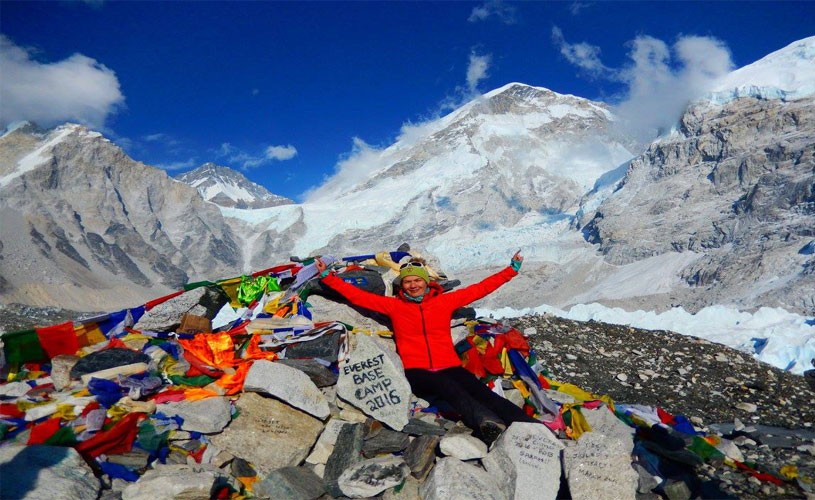
- Trek to Everest Base Camp, surrounded by the Khumbu Glacier and Nuptse.
- Hike Kala Patthar (5,550 m) for spectacular views of Mount Everest.
- Explore the scenic Chhukung Valley without crossing Kongma La Pass.
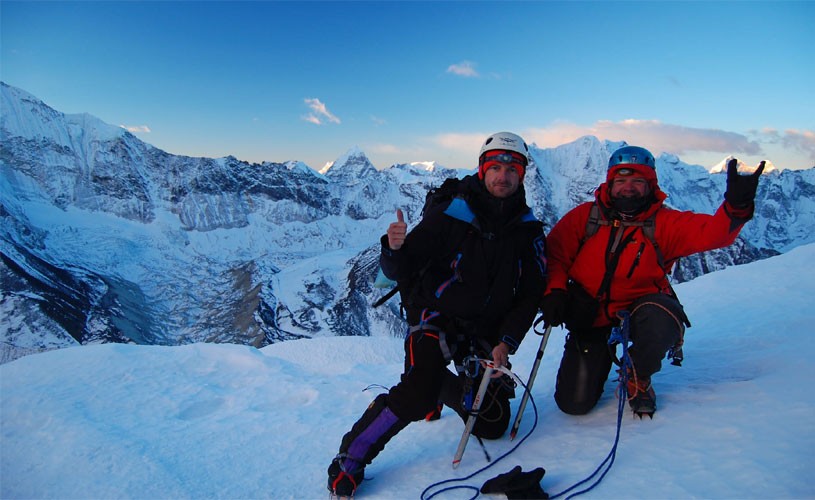
- Summit Island Peak (6,189 m), one of Nepal’s most popular trekking peaks.
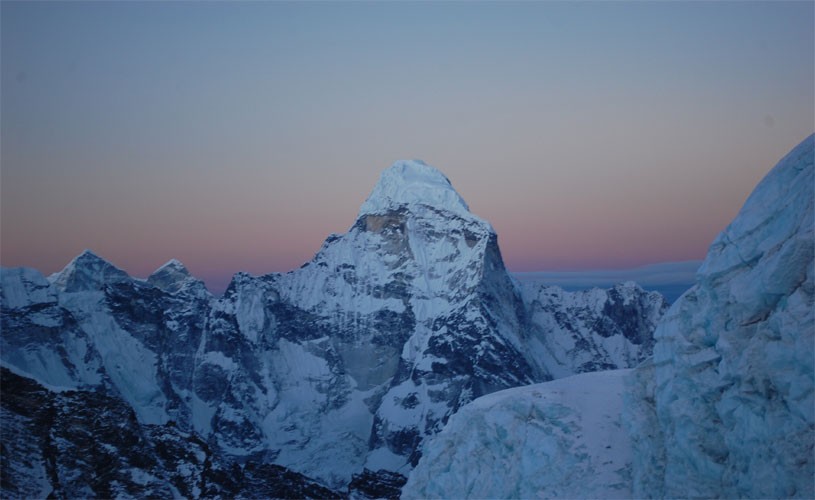
- Admire Lhotse, Nuptse, Ama Dablam, and Makalu from the Island Peak region.
- Explore Pangboche Monastery, one of the oldest monasteries in the Khumbu.
- Visit Tengboche Monastery, the largest and most important gompa in the Khumbu.
Everest Base Camp Trek with Island Peak Climbing
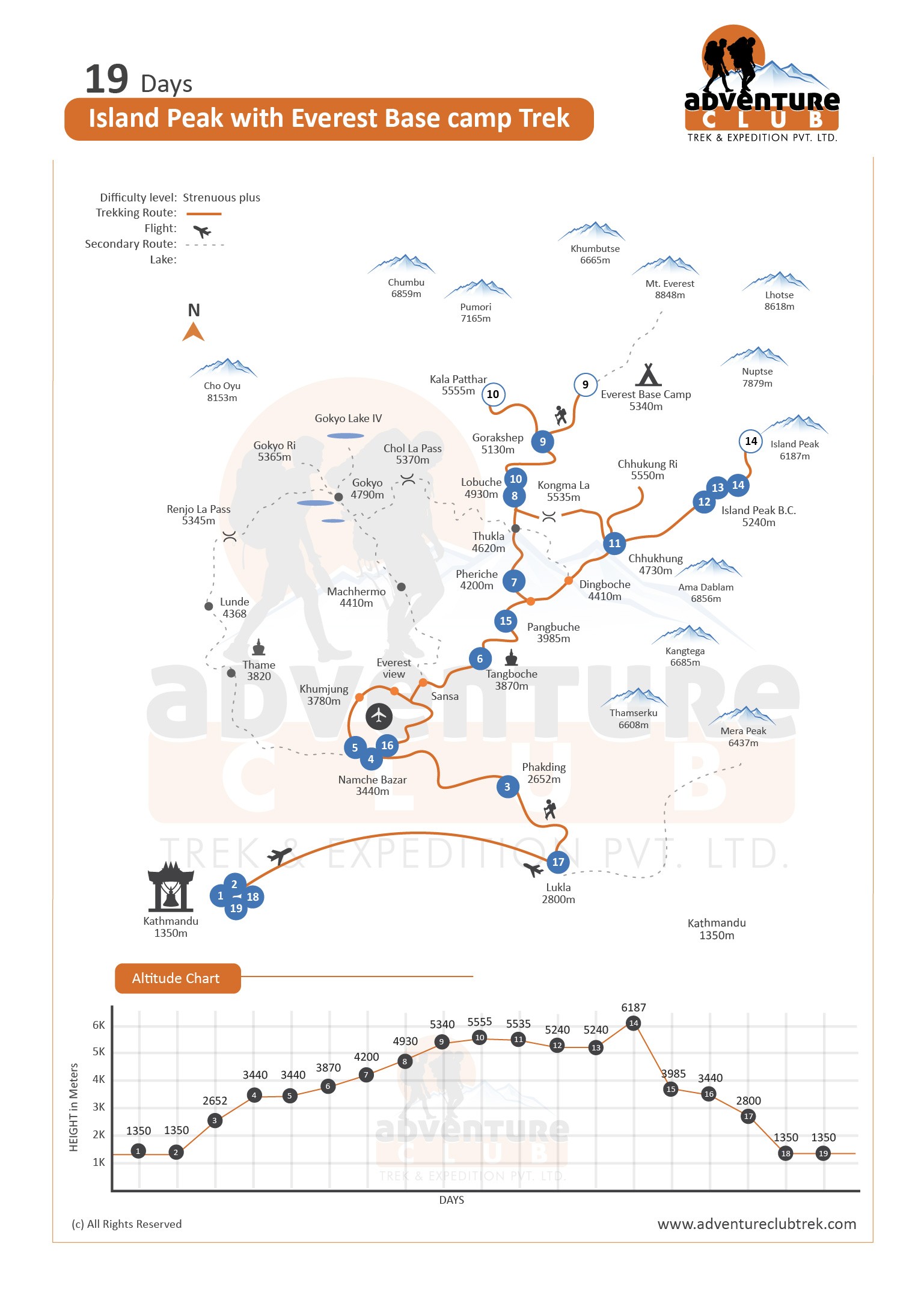
Island Peak, also known as Imja Tse, stands at 6,189 m (20,305 ft) in Nepal's Everest region. This 19-day adventure combines the classic Everest Base Camp trek with the opportunity to climb one of Nepal's best-known trekking peaks.
The journey takes you from the busy streets of Kathmandu into the Sherpa heartland of the Khumbu, through Namche Bazaar, Tengboche, Dingboche, Lobuche, and Gorakshep before reaching Everest Base Camp at 5,364 m (17,598 ft). You will also climb Kalapatthar at approximately 5,550 m (18,209 ft) for its famous close-up views of Everest before continuing toward the Chhukung Valley and Island Peak.
What makes this itinerary particularly attractive is that it does not include Kongma La Pass. Instead, after visiting Kalapatthar, the route descends toward Dingboche before continuing through Chhukung to Island Peak Base Camp. This removes one of the demanding high-altitude passes while keeping the major highlights of the Everest region.
What to Expect on the Island Peak & Everest Base Camp Trek
This is more than a high-altitude trek. It is also an introduction to Himalayan mountaineering.
The first part of the journey follows established trekking trails through forests, suspension bridges, Buddhist monasteries, and Sherpa villages. As you climb higher, the landscape changes noticeably. Rhododendron forests give way to open alpine terrain, glacial valleys, and rocky moraines, with peaks such as Ama Dablam, Lhotse, and Nuptse becoming increasingly dominant.
You will have acclimatization time in Namche Bazaar and Dingboche, which is important because the itinerary reaches elevations above 5,000 m several times before the Island Peak summit. The goal is not simply to walk farther each day but to give your body time to adjust to the decreasing oxygen available at altitude.
From Gorakshep, you make the memorable hike to Everest Base Camp before returning for the night. The following morning begins early with a climb toward Kalapatthar. From the high viewpoint, the panorama includes Everest, Nuptse, Pumori, Ama Dablam, and the surrounding Khumbu peaks.
After descending toward Dingboche, the route enters the Chhukung Valley, where Island Peak becomes a prominent feature of the landscape. From Chhukung, you continue to Island Peak Base Camp for climbing preparation and training.
Climbing Island Peak
Island Peak is classified as a trekking peak, but it should not be mistaken for an ordinary hiking destination. The summit reaches 6,189 m (20,305 ft), and the final climb involves steep mountain terrain and glacier travel.
A basic level of fitness, good acclimatization, and a willingness to learn mountaineering techniques are essential. Previous climbing experience is helpful but not always necessary for properly prepared trekkers. Your climbing guide will assess conditions and your readiness before the summit attempt.
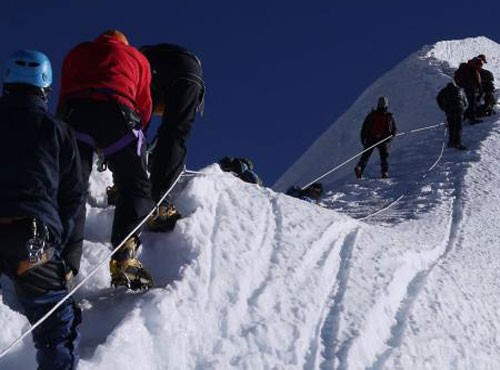
At Base Camp, you will receive practical instruction in the use of climbing equipment and techniques appropriate to the route. Depending on current mountain conditions, this can include using crampons, an ice axe, a harness, an ascender, a descender, and fixed ropes.
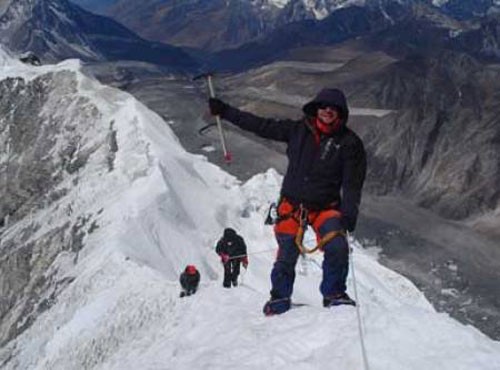
Summit day normally begins very early, when colder temperatures can provide firmer snow and ice conditions. The climb is physically demanding because of the altitude, steep terrain, and long duration. Reaching the summit is only one part of the challenge; descending safely is equally important.
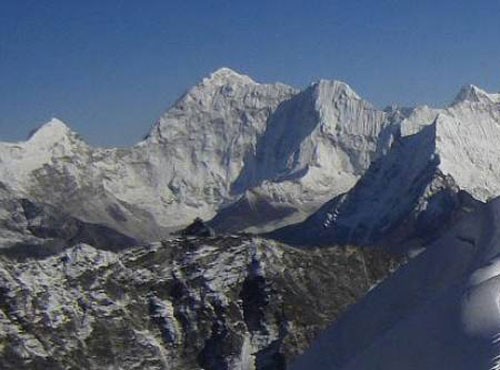
From the summit, you can look across the high Khumbu toward Lhotse (8,516 m / 27,940 ft), Nuptse (7,861 m / 25,791 ft), Ama Dablam (6,812 m / 22,349 ft), Makalu (8,485 m / 27,838 ft), and other major Himalayan peaks, depending on weather and visibility.
The Everest Base Camp Experience
Reaching Everest Base Camp is one of the defining moments of the trek. The camp itself changes with the climbing season and is not a permanent settlement, so the experience is different from visiting a conventional tourist attraction.
The trail to Base Camp follows the Khumbu Glacier and passes through some of the most dramatic terrain of the trek. At 5,364 m (17,598 ft), even walking on relatively easy sections can feel considerably harder than it would at lower elevations.
The following morning, the climb to Kalapatthar provides a different perspective. It is one of the best viewpoints on the standard Everest Base Camp route for seeing Everest and the surrounding peaks at close range.
Sherpa Culture and the Khumbu
The Everest region is also a cultural journey through the homeland of the Sherpa people.
Namche Bazaar is the main trading and service center of the upper Khumbu, while villages such as Tengboche, Pangboche, Dingboche, and Chhukung reflect the traditional mountain lifestyle of communities living at high altitude.
Along the trail, you will pass Buddhist prayer wheels, mani walls, chortens, and monasteries. At Tengboche, the monastery is an important spiritual center for the Sherpa communities of the region.
We encourage guests to take time to appreciate this cultural side of the journey rather than treating the villages simply as overnight stops. Walking respectfully around monasteries, asking before photographing people, and following local customs are simple ways to travel responsibly.
Accommodation During the Trek
In Kathmandu, accommodation is provided in a comfortable three-star standard hotel. During the trek, you stay mainly in locally operated teahouses and mountain lodges on a twin-sharing basis. A single supplement can be arranged at an additional cost, subject to availability.
Accommodation becomes increasingly basic as you gain altitude. Rooms are generally simple, clean, and designed primarily for rest rather than luxury. In some lower settlements, rooms may have attached bathrooms, while at higher elevations bathrooms are generally shared.
At Island Peak Base Camp, accommodation is in tents. Conditions at Base Camp are more basic than in the teahouses, and the priority is providing a practical and safe camp for the climbing team.
Hot showers, Wi-Fi, and device charging may be available at many lodges, particularly at lower elevations, but these services are not guaranteed everywhere. Charges commonly apply, especially at higher elevations.
Meals During the Trek
Breakfast, lunch, and dinner are included during the trekking and climbing portion of the journey, while breakfast is provided during the Kathmandu stay. Welcome and farewell dinners are also included.
Meals in the Khumbu generally combine familiar international dishes with local food. You can expect options such as dal bhat, momos, noodles, pasta, rice dishes, soups, potatoes, eggs, sandwiches, and other simple Western meals.
Dal bhat remains one of the most practical choices on a long trekking day because it provides carbohydrates, protein, and the opportunity for additional servings.
At high altitude, appetite can change, so eating enough and drinking regularly are important. Rather than imposing unnecessary food restrictions, we recommend choosing freshly prepared meals that suit your digestion and avoiding foods or drinks that you personally know cause problems.
Alcohol is best avoided at high altitude because it can contribute to dehydration and interfere with sleep and acclimatization.
Drinking Water
Safe drinking water is available along the trekking route, but untreated water from streams, taps, or other natural sources should not be consumed without appropriate treatment.
You can purchase bottled water at many lodges, although carrying a reusable water bottle or hydration system is a better option for reducing plastic waste.
A practical approach is to refill your bottles with boiled or filtered water and use a reliable purification method such as purification tablets, a filter, or another suitable treatment system. Your guide can advise you about safe refill options along the route.
Because the itinerary reaches more than 6,000 m on summit day, staying adequately hydrated is particularly important.
Communication and Connectivity
Mobile and internet coverage varies considerably along the Everest trail. Connectivity is generally better around places such as Lukla and Namche and becomes less reliable as you travel deeper into the high mountains.
Wi-Fi may be available at many teahouses for an additional charge, but speeds and reliability can vary. Local SIM cards can be purchased in Kathmandu, although network coverage should not be relied upon everywhere.
Our guides maintain regular communication with the Kathmandu office whenever network coverage is available. This allows the trekking team to provide updates on the group's progress and coordinate assistance when necessary.
For emergencies, the guide and company maintain appropriate communication procedures, but trekkers should understand that rescue and communication in a remote high-altitude environment can be affected by weather, terrain, and network availability.
Acclimatization and Safety
Altitude is the most important consideration on this journey.
The itinerary deliberately includes acclimatization time in Namche Bazaar and Dingboche before moving toward Everest Base Camp and Island Peak. Even with a well-designed itinerary, however, altitude sickness can affect anyone regardless of age or previous trekking experience.
Our guides monitor guests for symptoms such as persistent headache, unusual fatigue, dizziness, nausea, loss of coordination, or difficulty breathing. If symptoms become serious or worsen, descending to a lower elevation is often the most important treatment.
The itinerary also includes a contingency day for the Island Peak summit. Mountain weather can change quickly, and a summit attempt should never be forced simply to follow the planned schedule.
Good preparation, gradual acclimatization, sensible pacing, and honest communication with your guide are more important than trying to maintain a particular walking speed.
Who Is This Trip Suitable For?
Island Peak with Everest Base Camp is suitable for trekkers who are comfortable with several consecutive days of walking and who want to take their first serious step into Himalayan climbing.
You do not necessarily need extensive previous mountaineering experience, but you should be physically prepared for long days at altitude. The summit day is considerably more demanding than the trekking days because of the elevation, cold, steep terrain, and technical climbing sections.
If you are new to climbing, the training at Base Camp provides an opportunity to learn the necessary techniques before the summit attempt. Previous experience with crampons, ropes, or an ice axe is useful, but your guide will explain the equipment and procedures required for the planned route.
The most important preparation is consistent cardiovascular and leg-strength training before arriving in Nepal, combined with enough time to acclimatize during the trek.
Best Time for Island Peak Climbing
The main trekking and climbing seasons are spring and autumn.
Spring, from March to May, generally offers good trekking conditions, gradually warmer temperatures, and clear mountain views. The climbing environment can vary considerably with snowfall and conditions on the upper mountain.
Autumn, from late September through November, is traditionally one of the most popular periods for Everest region trekking. After the monsoon, the trails are generally drier, and mountain visibility is often excellent.
Winter brings colder temperatures and more challenging conditions at high elevations, while the monsoon months can bring rain, clouds, and flight disruptions in the lower Khumbu. Island Peak climbing is, therefore, best planned around the established trekking and mountaineering seasons, while recognizing that mountain conditions can change from year to year.
A Challenging Journey, Properly Managed
Island Peak and Everest Base Camp should be approached with respect. The route combines high-altitude trekking with a genuine climbing objective, and the summit is never guaranteed.
Our approach is to keep the itinerary practical, allow time for acclimatization, monitor conditions as the journey progresses, and make safety the priority when decisions need to be made on the mountain.
The reward is not only standing on the summit of Island Peak. It is the entire journey through the Khumbu: walking beneath Ama Dablam, crossing suspension bridges above the Dudh Koshi, watching the landscape change around Dingboche, standing at Everest Base Camp, seeing Everest from Kalapatthar, and finally entering the Chhukung Valley beneath Island Peak.
For trekkers looking to combine the classic Everest Base Camp trek with their first Himalayan peak, this 19-day itinerary provides a challenging but carefully structured introduction to high-altitude mountaineering in Nepal