Where Is Sagarmatha National Park?
Sagarmatha National Park lies in Nepal's Khumbu region of Solukhumbu District. Established in 1976 and recognized as a UNESCO World Heritage Site in 1979, the park covers approximately 124,400 hectares of mountains, forests, glaciers, rivers, and high-altitude valleys.
The park takes its name from "Sagarmatha," the Nepali name for Mount Everest. In Tibetan, Everest is known as Chomolungma, meaning "Goddess Mother of the World."
For most visitors, the journey begins with a flight to Lukla, followed by trekking through villages such as Phakding, Namche Bazaar, Tengboche, Dingboche, and beyond. Depending on your route, you may visit Everest Base Camp, Gokyo Lakes, Cho La Pass, or quieter valleys that receive far fewer visitors.
Why Sagarmatha National Park Is So Special
Most people come here for Everest, but the park's appeal extends far beyond a single mountain.
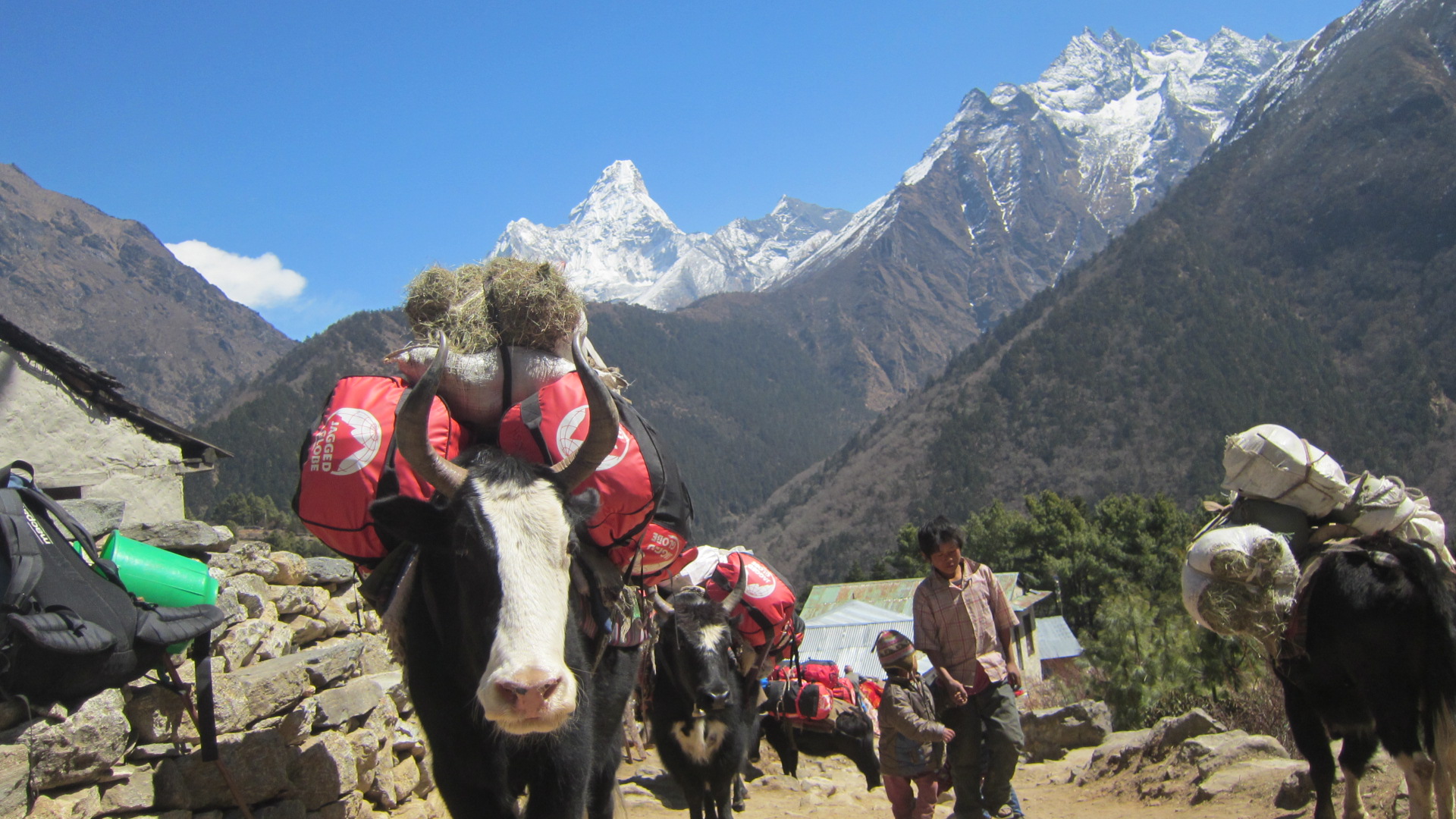
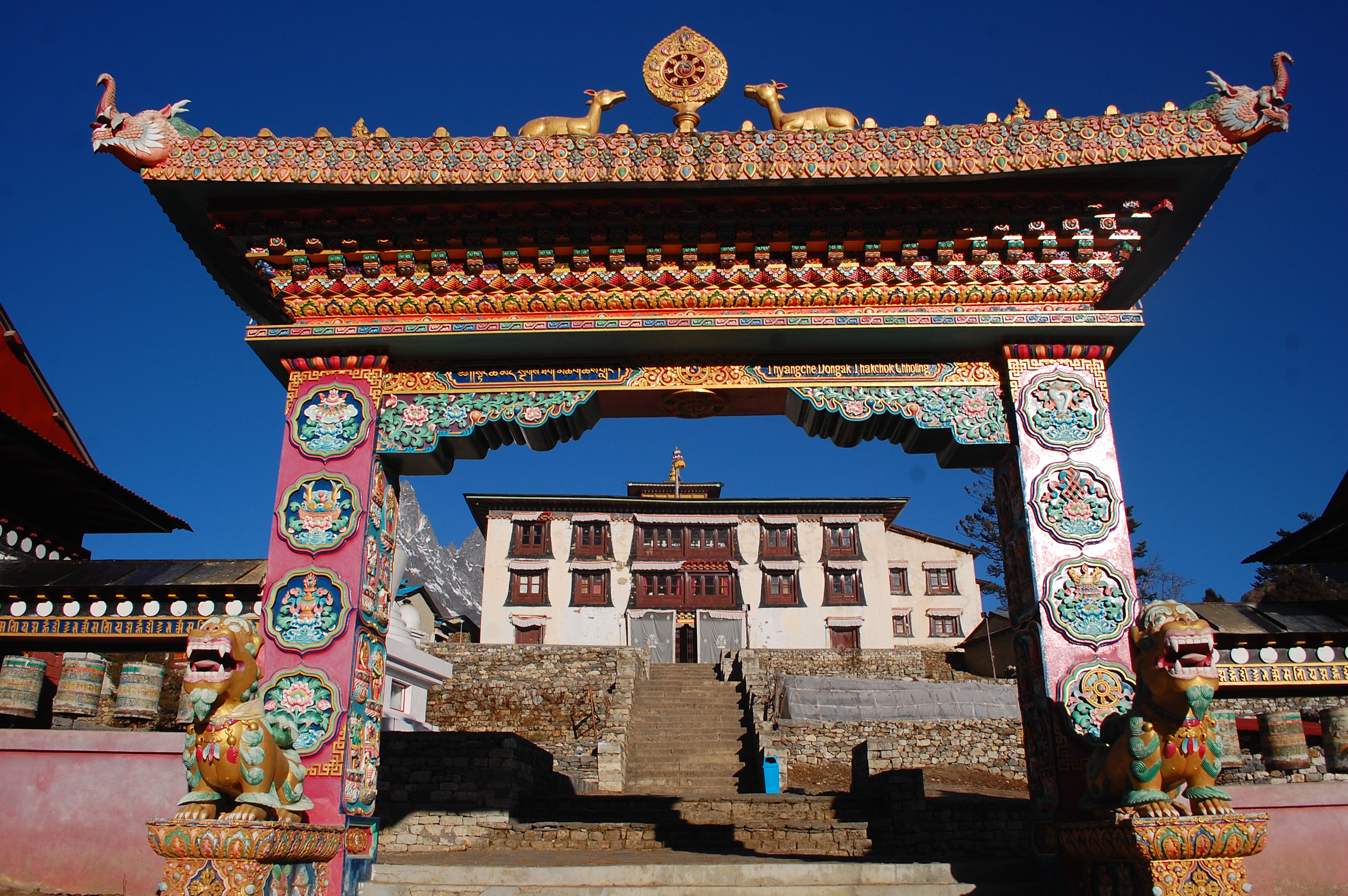
Within the park are some of the world's highest peaks, vast glaciers, turquoise glacial lakes, deep river valleys, ancient monasteries, and traditional Sherpa settlements. One of the things I enjoy most as a guide is watching trekkers notice how quickly the landscape changes. A day may begin among pine and rhododendron forests, continue across suspension bridges above the Dudh Koshi River, and end beside glacial terrain beneath snow-covered peaks.
The park is also one of the few places where culture and nature remain closely connected. The trails pass active monasteries, prayer walls, and villages where Buddhist traditions continue to shape everyday life. These are not attractions created for visitors. They are part of a living culture that remains deeply rooted in the mountains.
Understanding the Sherpa Culture
Many people visit Sagarmatha National Park to see Mount Everest, but the Sherpa people are just as important to understanding the Everest region.
The Sherpa community has lived in the Khumbu for generations. Their traditions, Buddhist beliefs, and deep connection to the mountains continue to shape daily life throughout the region. As a trekking guide, I often find that some of the most memorable moments for visitors happen away from the famous viewpoints. Sharing tea in a village teahouse, visiting a monastery, or talking with local families often leaves a lasting impression long after the trek ends.
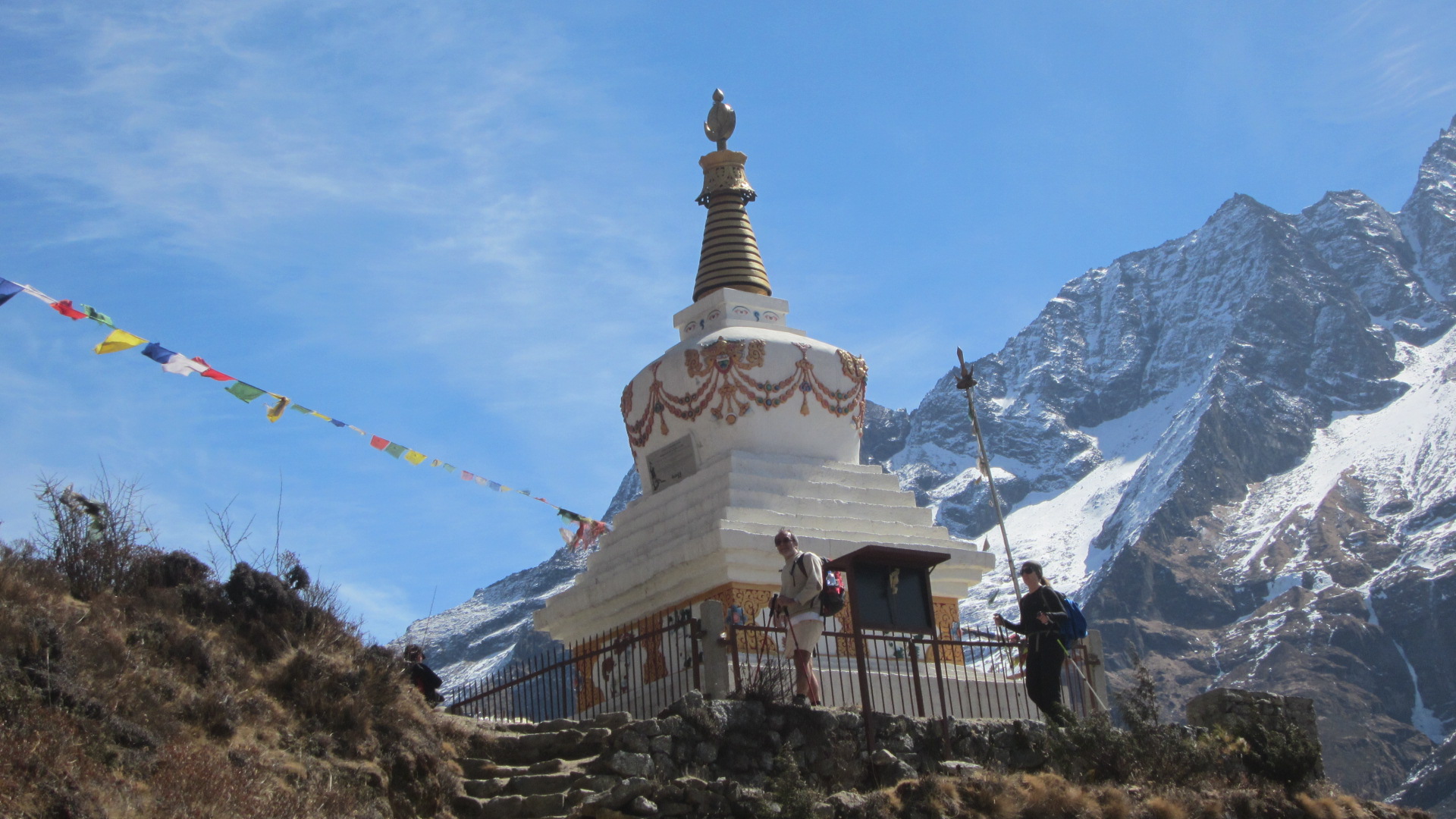
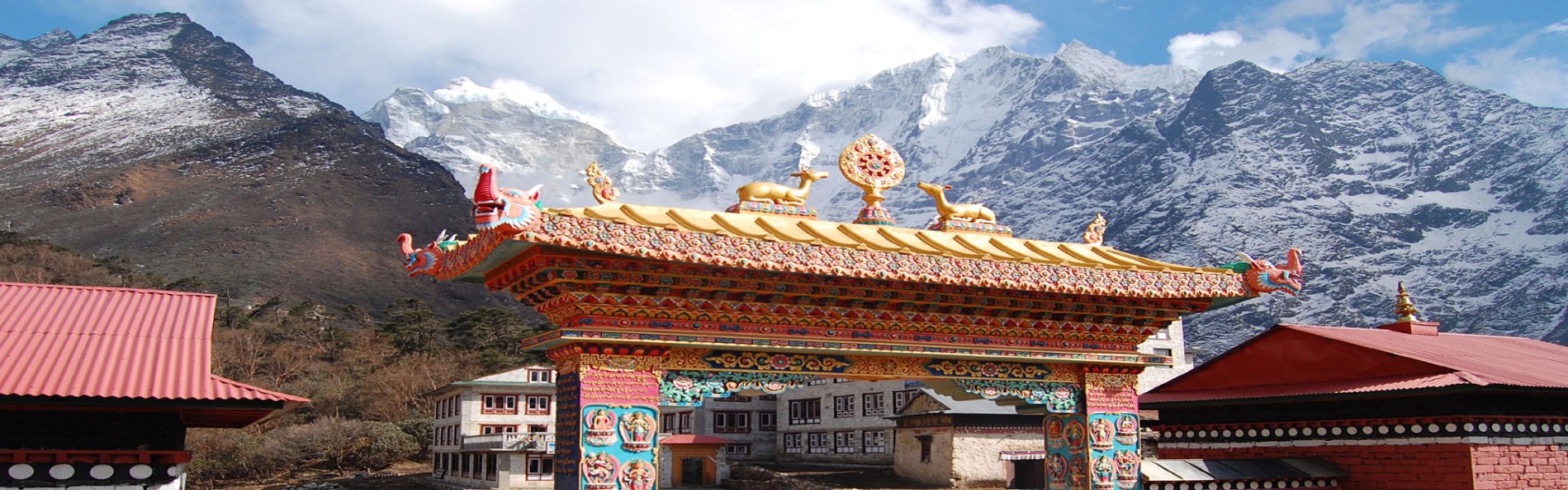
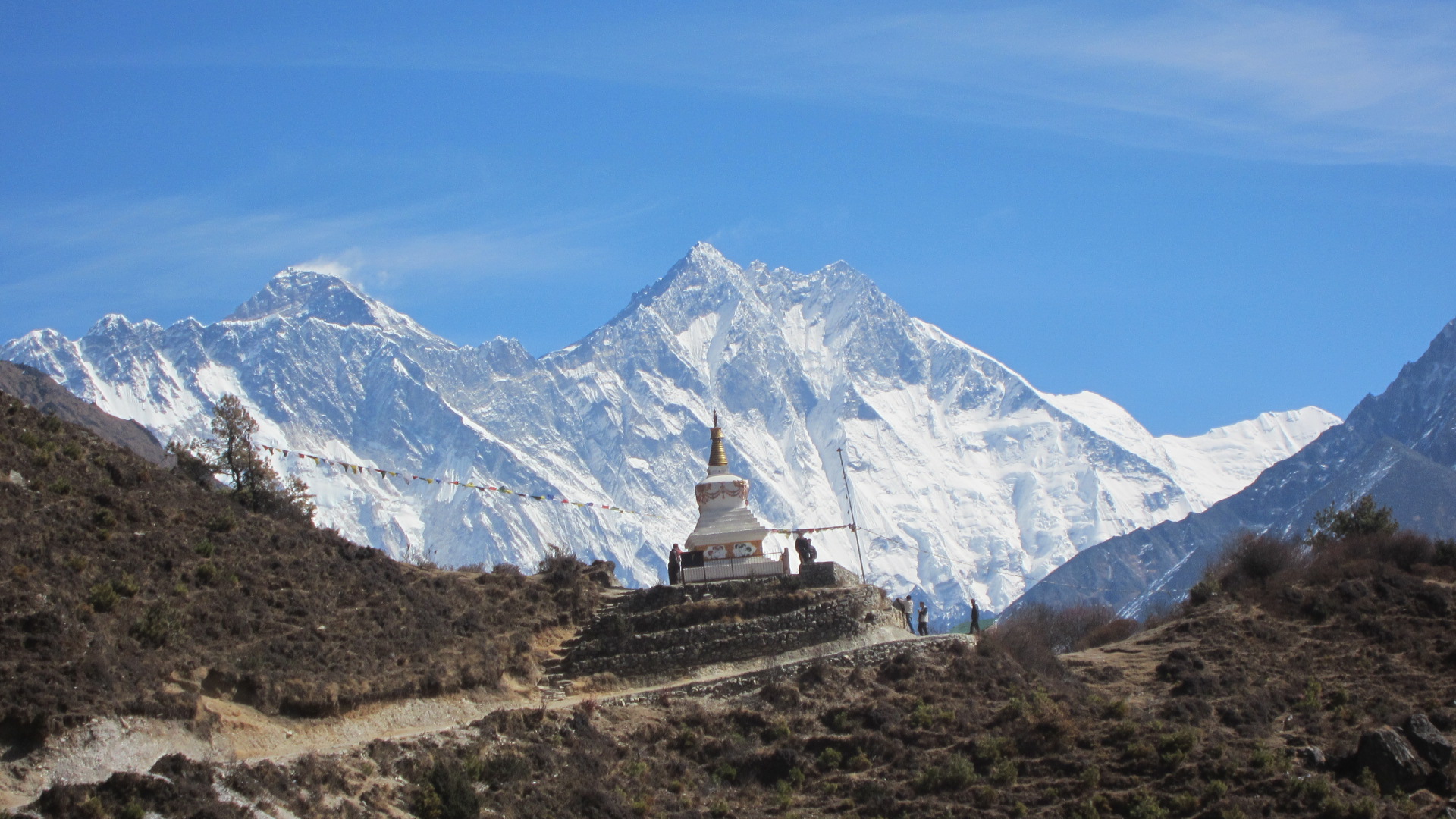
As you travel through villages such as Namche Bazaar, Khumjung, Pangboche, and Tengboche, you will see prayer flags stretched across ridges, mani walls carved with Buddhist prayers, spinning prayer wheels, and centuries-old monasteries overlooking the valleys. These are not attractions created for visitors. They are an active and meaningful part of everyday life in the Himalayas.
The strong connection between Buddhism and nature has also helped protect the region for many years. Respect for wildlife, forests, and the mountain environment has long been part of local traditions, helping preserve this fragile landscape well before modern conservation efforts began.
When trekking through the Khumbu, remember that you are walking through living communities rather than simply passing through a tourist destination. Showing respect for local customs and traditions often leads to warmer interactions and a deeper appreciation of Sherpa culture.
Cultural Etiquette Tips
- Walk clockwise around stupas, mani walls, and prayer wheels.
- Ask permission before photographing local people.
- Dress respectfully when visiting villages and monasteries.
- Remove your hat before entering religious buildings.
- Speak quietly around prayer areas and religious ceremonies.
Simple acts of respect are always appreciated and help create positive experiences for both visitors and local communities.
Wildlife of Sagarmatha National Park
While Mount Everest and the surrounding peaks attract most visitors, Sagarmatha National Park is also home to a surprising variety of Himalayan wildlife. Wildlife sightings are never guaranteed, but trekkers who spend time observing their surroundings are often rewarded with memorable encounters.
Snow Leopard
The snow leopard is the park's most famous predator and one of the rarest animals in the Himalayas. Even guides who have worked in the region for many years may never see one. Although sightings are extremely uncommon, knowing these elusive cats roam the remote valleys and cliffs adds a sense of mystery to the landscape.
Red Panda
Many travelers are surprised to learn that red pandas live within the wider Sagarmatha ecosystem. They prefer dense forests at lower elevations and are rarely seen, making any sighting a special experience.
Himalayan Thar
Himalayan tahr are among the animals trekkers are most likely to encounter. These sure-footed mountain goats are often seen grazing on steep rocky slopes, especially along sections of the trail between Namche Bazaar and Dingboche.
Musk Deer
Musk deer are shy and difficult to spot, but they occasionally appear in forested areas during the quieter hours of early morning or late afternoon.
Himalayan Monal
Nepal's national bird is a favorite among birdwatchers and photographers. Its bright, iridescent colors stand out against the mountain forests, particularly during spring when bird activity is highest.
The Landscape: Glaciers, Rivers, and Mountains
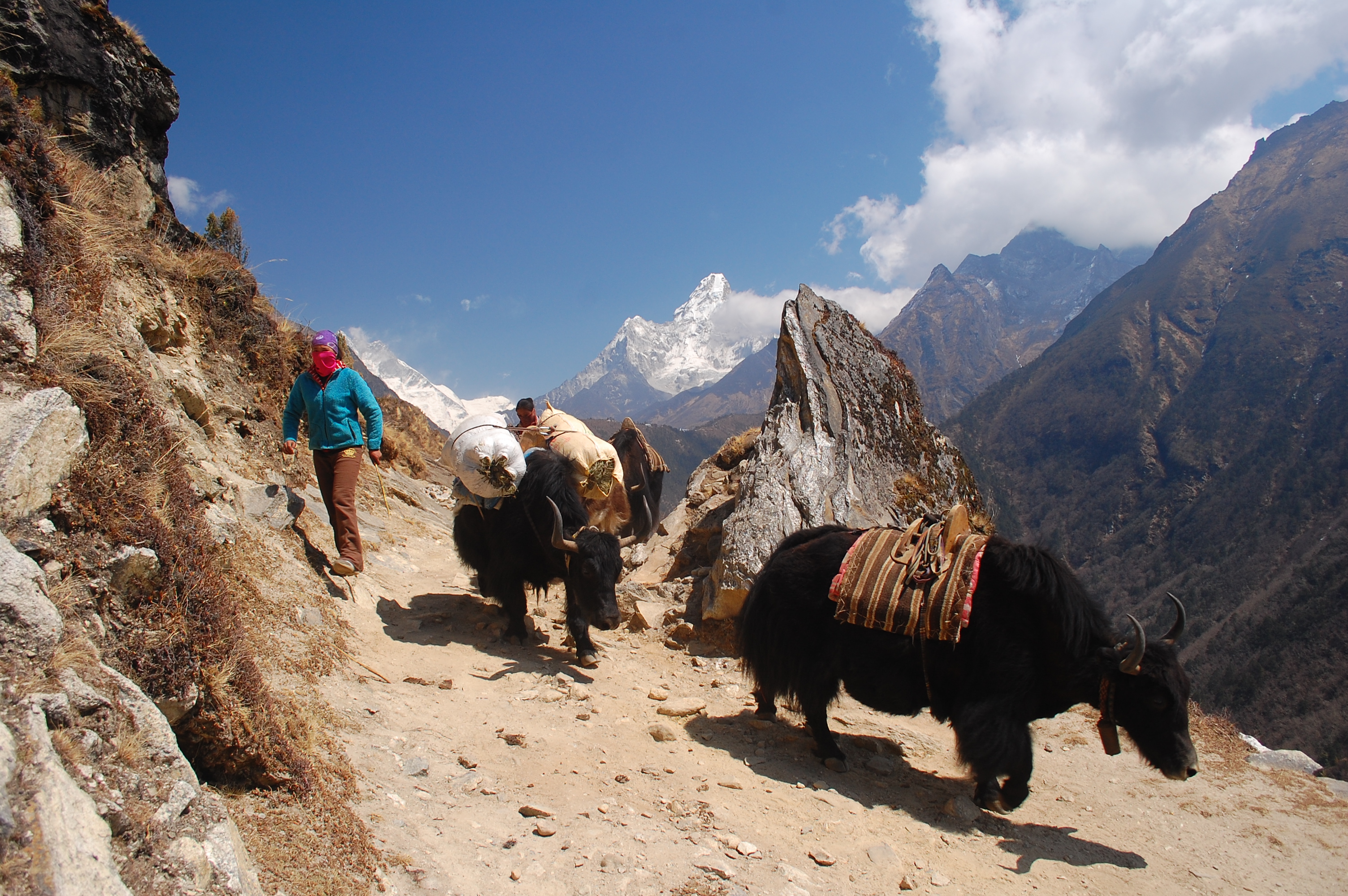
Sagarmatha National Park protects one of the most remarkable mountain landscapes in the world. Over thousands of years, glaciers, rivers, weather, and geological forces have shaped the terrain into the dramatic scenery visitors see today.
The Dudh Koshi River flows through the heart of the region, carrying water from glaciers high in the Himalayas. As you gain altitude, the landscape changes noticeably. Forests of pine, fir, and rhododendron gradually give way to alpine terrain, rocky valleys, and glacial environments.
For many trekkers, the first view of the Khumbu Glacier is a highlight of the journey. Rather than a smooth sheet of ice, it resembles a rugged landscape of ice formations, rocky ridges, and debris stretching toward Everest Base Camp beneath some of the highest peaks on Earth.
Another natural highlight is the Gokyo Lake system. These high-altitude glacial lakes are famous for their deep blue water, mountain reflections, and peaceful surroundings. On a clear day, the views from the Gokyo region are among the finest in the Everest area and remain a favorite for photographers and nature lovers.
Why Sagarmatha National Park Matters
Sagarmatha National Park is often described through records and achievements. It is home to Mount Everest, the highest mountain in the world, and some of Nepal's most famous trekking routes. Yet what makes this place truly remarkable goes far beyond statistics.
The real significance of Sagarmatha lies in the connection between people, culture, and the mountain environment. For generations, Sherpa communities have lived and worked in these valleys while preserving traditions that continue to shape life in the Khumbu today.
Whether you come to trek to Everest Base Camp, explore the Gokyo Lakes, photograph Himalayan landscapes, or learn about Sherpa culture, the park offers much more than mountain scenery. It provides a rare opportunity to experience one of the world's most extraordinary natural environments while gaining insight into the communities that call it home.
Many travelers arrive hoping to see Everest. They leave with something more meaningful: a deeper appreciation for the mountains, the people who live among them, and the fragile environment that makes Sagarmatha National Park one of the most remarkable places in Nepal.