Bhote Koshi River Rafting 2 Days

Trip Facts

  • Duration 2 Days
  • Difficulty Level Strenuous
  • Destination Nepal
  • Transportation Private Vehicle/ Tourist Bus/ Jeep
  • Activity White water Rafting
  • Best Season Spring & Autumn
  • Group Size Mini. 2, Max. 14 People
  • Trip Start/End Lomosangu/Dolalghat
  • Max Altitude 1,300m

Bhote Koshi River Rafting Overview

Bhote Koshi River rafting is one of the most exciting whitewater rafting trips in Nepal. It is a great choice for travelers who want a short but powerful river adventure close to Kathmandu. The river comes from the Tibetan side of the Himalayas and rushes through steep hills, deep gorges, and rocky mountain landscapes.

Because of its fast flow and narrow river channel, Bhote Koshi is known as one of the most thrilling rivers for rafting in Nepal. One of the best things about this trip is how easy it is to reach. The Bhote Koshi rafting starting point is about a 3-hour drive from Kathmandu along the Araniko Highway, the road that goes toward the Nepal-Tibet border.

The drive is beautiful and adds a lot to the experience. On the way, you can see green hills, terraced farms, waterfalls, deep valleys, village houses, and, on clear days, mountain views including Langtang and Dorje Lakpa.

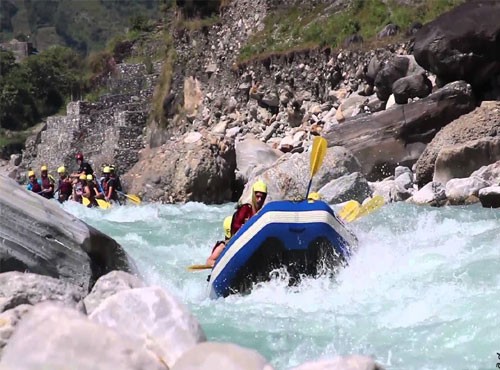
Bhote Koshi is famous for being a steep and fast river, which makes the rafting more technical and more exciting than many other short rafting trips near Kathmandu.

The river is usually graded around Class III to IV, depending on the season and water level. This means the rapids are strong, quick, and full of action. Some of the best-known rapids on this river are Frog in a Blender, John’s Home, Liquid Bliss, Dazed, and Confused. These rapids give the trip its wild and memorable character.

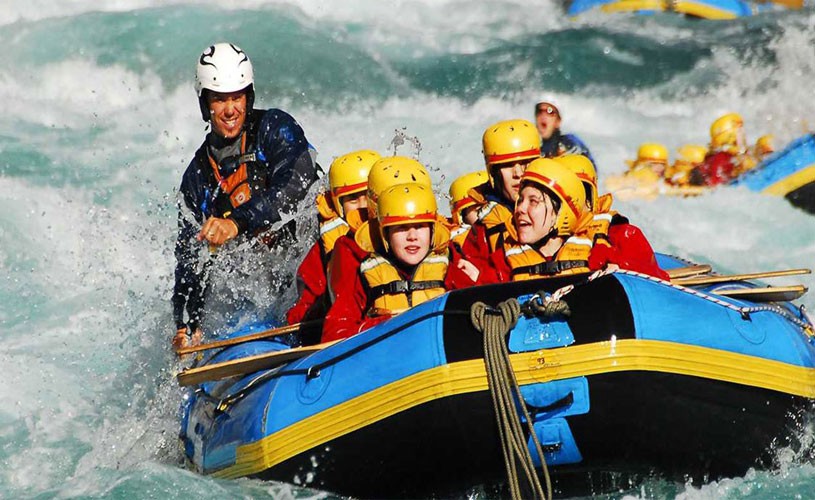
This river is best for people who want a more active rafting experience. It is a good option for adventure lovers, strong beginners, intermediate rafters, and kayakers who enjoy fast water and technical rapids. It is not just a calm float trip.

Bhote Koshi is short, steep, and exciting from the beginning, which is why it is often chosen by people looking for adrenaline rafting in Nepal. The rafting section usually starts around Lamosangu, and some parts of the Upper Bhote Koshi continue toward Barabise. The exact route depends on the season, water level, and trip plan.

Some travelers choose a short day trip, while others combine rafting with other outdoor activities. Another reason this trip is popular is that it can be linked with bungee jumping, canyoning, mountain biking, and short hiking trips. This makes it a good choice for travelers who want more than one adventure in a short Nepal trip.

For anyone searching for the best rafting near Kathmandu, Bhote Koshi River rafting offers fast rapids, dramatic scenery, and a real whitewater challenge. It is one of the best short rafting trips in Nepal for people who want adventure, mountain views, and an unforgettable day on the river.

Best Time for Bhote Koshi River Rafting

The best time for Bhote Koshi River rafting is usually from April to October. During these months, the river offers exciting white water and good conditions for adventure lovers. From April to May, the weather is warmer and the river is active, but usually a little less intense than during the peak monsoon period. This makes it a good time for people who want adventure without the river being at its strongest.

During the monsoon season, the water level rises and the rapids become faster, bigger, and more challenging. This makes the trip more exciting, but it is generally better for people with rafting experience. In September and October, the river often has very good water levels, and the weather is usually pleasant, with fresh air and comfortable temperatures. For many travelers, April, May, September, and October are the best months for rafting on the Bhote Koshi River.

Bhote Koshi River Rafting Difficulty

Bhote Koshi is known as one of the more exciting and technical rafting rivers in Nepal. The difficulty can change depending on the season and water level. In October and November, the rapids are usually around Grade IV, which means the trip is challenging but still enjoyable with professional guides. During the monsoon season, the river becomes much stronger and more demanding, so it is more suitable for experienced rafters.

If you are a beginner or want a less intense rafting experience, it is better to avoid the monsoon months. Weather and river conditions are very important for safety. If there is heavy rain on your rafting day, the trip may need to be delayed or adjusted. If you are in Nepal during the rainy season and want a gentler rafting trip, there are other rivers with easier rapids that may be a better choice.

Where Is the Bhote Koshi River?

The Bhote Koshi River starts in Tibet in the high Himalayan region and flows down into Nepal, where it later joins the Sun Koshi River near Barhabise. The river is fed by snow and glacier melt from the mountains, which gives it a strong and fast flow.

For rafting trips, the common starting point is Lamosangu, which is about a 3-hour drive from Kathmandu. The road journey itself is scenic, with views of hills, rivers, villages, and mountain landscapes. Although the full river is much longer, a typical rafting trip covers one of the most exciting sections of the river.

Things to Tell Us Before Rafting

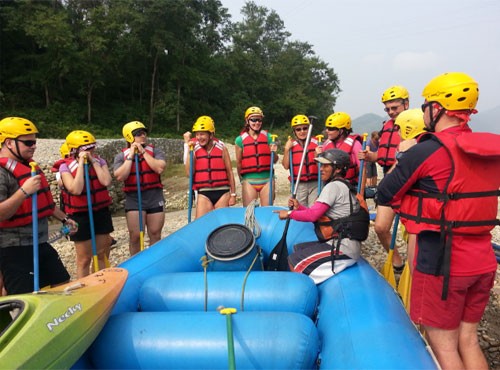
Before your rafting trip, please let us know whether you can swim or not. This helps the guides give you the right support and safety attention. On strong whitewater rivers like Bhote Koshi, rafts can sometimes flip in powerful rapids. Knowing your swimming ability helps the team prepare properly and keep the trip safer, especially for first-time rafters.

Bhote Koshi River Rafting Cost

The standard cost for a 1-day Bhote Koshi River rafting trip is usually around USD 75 per person. The final price may be higher if you choose a multi-day rafting trip, tent camping, or private transportation. Costs can also vary depending on group size, season, and the services included in the package.

Rafting start/end info

River Name: Bhote Koshi
Rafting put-in point: Baseri or Lamasanghu
Rafting ending point: Dolalghat

Best Season, Raft Grade, and Water Volume

SeasonGradingWater Volume
September - December5-Approx. 100 - 50 cumecs
January - May4+Approx. 40 cumecs
June - AugustLower section only 4+Approximately 180 cumecs

Itinerary

+ Expand All- Collapse All

Today, we will drive from Kathmandu to Khadichour in about 3 hours. We will begin our river journey after the guides have given you safety and paddle instructions. The river journey will be filled with continuous class 3 rapids. We will reach the riverbank after rafting around 16 km and then camp at Sukete Village.

  • AccommodationTented Camp
  • MealsLunch and Dinner

After breakfast, we'll again Raft from Sukete Village to Lamoshanghu with all our energy; it's one of the fastest-flowing rivers in Nepal and gives you the thrill you came for; we'll drive back to Kathmandu. 3-4 Hours from there. While Returning, we'll see the breathtaking view of nature and finally get back to the hotel.

  • MealsBreakfast, Lunch

Note: Your safety is of the utmost concern whilst you are traveling with Adventure Club Trek. We will make every effort possible to follow the original itinerary but we reserve the right to change that itinerary if a segment of it becomes a safety issue. Certain mountain regions are remote, natural disasters can happen, weather conditions can decline and there can be illnesses or injuries. To avoid dangerous situations we may occasionally have to make changes to the itinerary to ensure everyone’s safety. That having been said, Adventure Club Trek will strive to provide you with the best possible trekking experience and to keep your safety our number one priority. We thank you for your understanding.

Cost Details

Price Includes

  • Ground transportation by tourist bus or van
  • All rafting equipment, including life jacket, helmet, paddle, and waterproof jacket
  • Experienced rafting guide and support staff
  • Riverside tented camp accommodation
  • Full board meals with hot drinks
  • Overnight stay in a camping tent
  • All required national park permits
  • Rafting permit
  • Rafting, kitchen, and camping equipment, with experienced cooks and crew
  • Food, accommodation, salary, insurance, equipment, and medicine for the guide and cook
  • Waterproof plastic bag to keep your clothes and gear dry during rafting
  • All government taxes

Price Excludes

  • Hotel accommodation in Kathmandu 
  • Lunch and evening meals in Kathmandu 
  • Travel insurance (must). (See the travel insurance page.)
  • International airfare to and from Nepal. 
  • Any other expenses which are not mentioned in the 'Price Includes' section
  • Alcoholic and cold drinks
  • Tips for guide, helpers, and driver (Tipping is expected)

Useful Info

What To Bring For The Rafting 

  • Shorts or knee-length pants
  • Quick-drying T-shirt
  • Sports sandals or secure footwear that can get wet
  • Lightweight, quick-drying long-sleeve shirt
  • Swimwear
  • Comfortable long pants or track pants
  • Warm fleece
  • Waterproof jacket or outer shell
  • Travel towel
  • Socks
  • Lightweight shoes if needed, but avoid heavy trekking boots
  • Pajamas or comfortable sleepwear
  • Warm hat for winter trips
  • Personal toiletries
  • Sunscreen and lip balm with UV protection
  • Mosquito repellent
  • Reusable water bottle
  • Headlamp or flashlight
  • Personal first aid kit
  • Sleeping bag, with rental available if needed
  • Some cash for snacks, tips, and photos

Who Is Bhote Koshi River Rafting For? 

Bhote Koshi River rafting is best for people looking for a real adventure. It is a good choice for experienced rafters and also for confident beginners who are physically fit and ready for a more active river trip. The river has fast-moving water, technical rapids, and narrow gorges, so it suits people who enjoy excitement, teamwork, and a bit of challenge.

First-time rafters can still join, but it is important to understand the river’s difficulty level before booking. This is not a slow and easy rafting trip. It is better for travelers who are comfortable around water, willing to follow guide instructions closely, and looking for a more energetic and adventurous experience in nature. The stunning mountain scenery makes the trip even more memorable.

The minimum age for Bhote Koshi rafting is often around 16 years, but this can vary depending on the operator, water level, and season. Some companies may have stricter rules for safety reasons. It is always a good idea to check the exact age and fitness requirements in advance. For fit beginners who want to try a more thrilling rafting trip, Bhote Koshi can be a very rewarding experience.

How Does the Weather Affect the Rafting Experience?

The weather plays a very important role in Bhote Koshi River rafting. It affects the water level, river speed, safety, and overall rafting experience. Understanding seasonal river conditions can help you choose the best time for your trip and enjoy the river more safely.

The river changes with rainfall and snowmelt. The post-monsoon season, from around September to December, is often considered one of the best times for rafting. During this period, the water level is usually strong but more stable, creating exciting rapids with good visibility. The weather is also pleasant, and the clear skies make the surrounding hills and mountain landscape look even more beautiful.

The pre-monsoon season, usually from March to June, also offers good rafting conditions. Warmer temperatures and melting snow can raise the water level, creating a mix of moderate and more demanding rapids. This season can be enjoyable for both adventurous beginners and experienced rafters, depending on the exact river conditions at the time.

Cold weather can also affect comfort during the trip, especially in early spring and late autumn. Wearing the right clothing, including quick-dry layers and a warm outer layer, helps you stay comfortable on the river. In good weather, riverbank breaks also become more enjoyable, giving you time to rest and take in the natural beauty around you.

FAQs

  • Q1. How difficult is the 2-day Bhote koshi River rafting trip?

    Bhotekoshi River rafting is one of the more exciting and technical rafting trips in Nepal. It usually has Grade III to IV+ rapids, depending on the season and water level. This trip is best for adventure lovers, active beginners in the right season, and experienced rafters looking for a short but thrilling river trip.

  • Yes, strong beginners can join in suitable river conditions, especially outside the peak monsoon season. However, Bhotekoshi is more challenging than gentle rivers like Trishuli or Lower Seti. If you are a first-time rafter, it is important to listen carefully to the guide and choose the right season for a safer and more enjoyable experience.

  • The best time is usually spring and autumn, especially from April to May and September to November. During these months, the weather is generally pleasant and the water level is good for rafting. The monsoon season brings stronger rapids and more powerful water, which is better for experienced rafters.

  • Most trips start after a drive from Kathmandu to the Lamosangu area, which is the common rafting starting point. The ending point depends on the water level and itinerary, but many trips finish farther downstream after completing the planned rafting section and overnight stay.

  • Bhotekoshi is one of the closest rafting rivers to Kathmandu. The drive to the rafting starting point usually takes about 3 hours, depending on road and traffic conditions. This makes it a very good option for a short adventure trip.

  • The rafting time depends on the water level, season, and exact itinerary. In general, you can expect several hours of rafting spread over two days, with enough time for a safety briefing, breaks, meals, and an overnight stay by the river.

  • On a 2-day Bhotekoshi rafting trip, the overnight stay is usually at a riverside camp, tent camp, or a simple river resort, depending on the package. The overnight stop gives you time to relax, enjoy the natural surroundings, and prepare for the second day of rafting.

  • Most packages include rafting equipment, professional river guides, safety gear, transportation, meals, and overnight accommodation. Some packages may also include camping support staff and basic first aid. It is always best to check the exact inclusions before booking.

  • Bring quick-dry clothes, sandals or water shoes, a towel, sunscreen, a change of clothes, toiletries, and any personal medicine you may need. For the overnight stay, it is also useful to bring a flashlight, lightly warm clothes, and small personal items in a waterproof bag.

  • Yes, non-swimmers can usually join if they follow the guide’s instructions carefully. Life jackets and helmets are provided, and the safety team explains what to do on the river. Still, you should inform the guides in advance if you cannot swim, so they can give you extra attention.

  • Yes, age limits may apply depending on the season, water level, and rafting company policy. Because Bhotekoshi is a more technical river, it is usually better for older children, teenagers, and adults in good health. Younger children are generally not recommended on more challenging sections.

  • Yes, travel insurance is strongly recommended for rafting in Nepal. It is best to have insurance that covers adventure sports, medical treatment, and emergency evacuation. This gives extra safety and peace of mind during the trip.

  • If weather or river conditions become unsafe, the rafting company may delay, shorten, change, or cancel the trip. Safety always comes first. Good operators will explain the situation clearly and suggest the safest available option.

  • Yes, solo travelers can often join a group departure if seats are available. This is a good option for people who want to enjoy rafting without organizing a private group. Private departures may also be available at a different cost.

  • Yes, it is a great choice for travelers who want a short but intense adventure near Kathmandu. The trip offers fast rapids, beautiful river scenery, and an exciting overnight riverside experience, making it one of the best short white-water trips in Nepal.

Similar Trips

Ask a Question

Sign up for our newsletter

Drop Us a Message