One of the most common questions we hear from trekkers planning an adventure in the Everest region is, "Should I climb Kala Patthar or Gokyo Ri?" The honest answer is that you can't go wrong with either. Both viewpoints offer extraordinary Himalayan scenery, but they provide very different experiences.
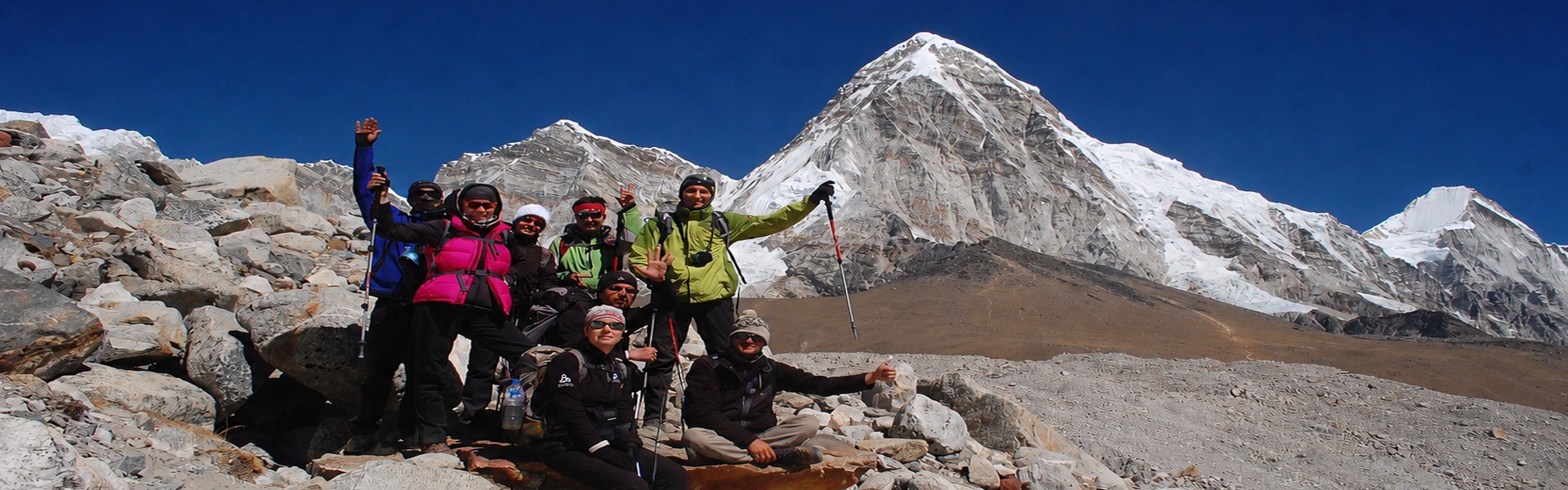
For many trekkers, Kala Patthar is the emotional high point of the Everest Base Camp Trek. At 5,644 meters (18,519 feet), it offers the closest and clearest view of Mount Everest that can be reached without climbing the mountain itself.
The atmosphere is lively and inspiring. Trekkers from around the world gather here to celebrate reaching one of the Himalayas' most iconic viewpoints. If you've always imagined seeing Everest up close, Kala Patthar rarely disappoints.
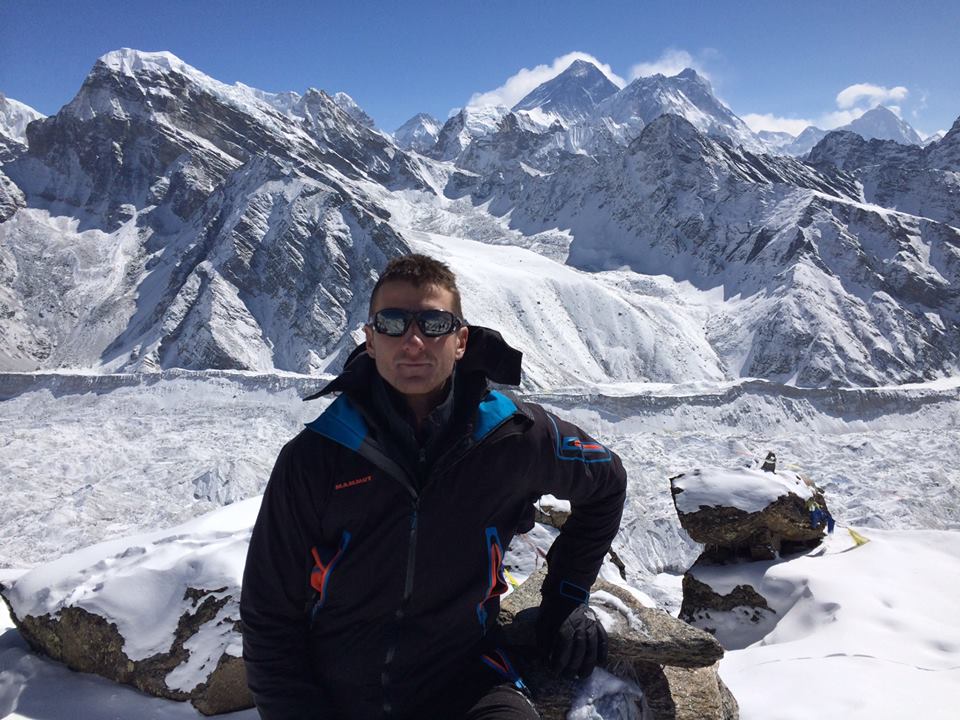
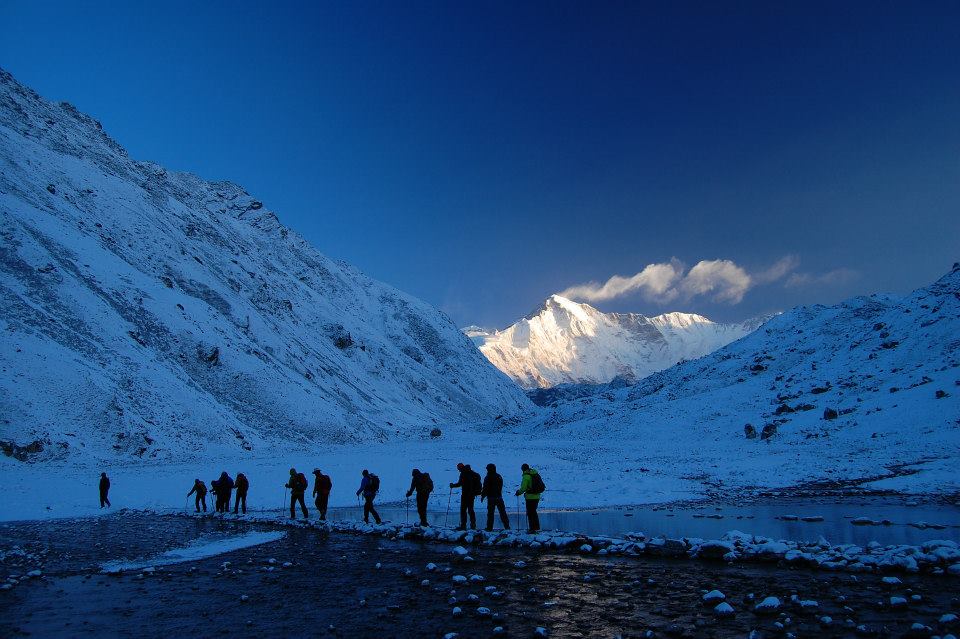
Instead of focusing on Everest alone, Gokyo Ri offers an expansive panorama that includes Everest, Lhotse, Makalu, and Cho Oyu, four of the world's fourteen peaks above 8,000 meters. The wider perspective allows you to appreciate the scale of the entire Khumbu Himal rather than a single mountain.
One of Gokyo Ri's greatest highlights lies below the summit. The brilliant turquoise Gokyo Lakes, surrounded by rugged peaks, sit beside the massive Ngozumpa Glacier, the longest glacier in the Himalayas. This combination of glaciers, alpine lakes, and snow-covered mountains creates one of the most beautiful landscapes in Nepal.
The trail to Gokyo Ri is also noticeably quieter. With fewer trekkers on the route, the climb often feels more peaceful, making it a favorite for those seeking a slower and more relaxed mountain experience.
Kala Patthar delivers the unforgettable feeling of standing almost beneath the world's highest mountain, while Gokyo Ri reveals the Everest region in its full grandeur, where towering peaks, ancient glaciers, and brilliant alpine lakes come together in one spectacular panorama.
The 4:30 AM Climb: High Altitude, Cold, and the Mental Game of False Summits
For many trekkers, the climb to Kala Patthar begins long before sunrise. Your alarm sounds around 4:00 AM, although a full night's sleep is uncommon at 5,164 meters (16,942 feet) in Gorak Shep. The high altitude, cold temperatures, and anticipation of the morning ascent often make sleep light and restless.
By 4:30 AM, you're outside beneath a sky filled with stars. Your headlamp cuts through the darkness as the trail disappears into the silent Himalayan landscape.
The Cold Before Sunrise
The first part of the climb is often the coldest. Before the sun reaches the valley, temperatures regularly fall well below freezing, and a strong mountain breeze can make it feel even colder. With only your headlamp to guide the way, the rocky trail ahead is visible for just a few meters.
The cold affects more than your comfort. Fingers can quickly become numb, camera batteries lose power faster, and stopping for too long allows your body to cool rapidly. Dressing in warm layers, wearing insulated gloves, and protecting your face from the wind can make a significant difference during the early stages of the climb.
Finding Your Rhythm at High Altitude
Although the trail is steep, the real challenge is the altitude.
Above 5,000 meters, the air provides much less usable oxygen than it does at sea level. As a result, even experienced hikers often find themselves breathing more heavily than expected after only a few minutes of uphill walking.
This is why our guides repeat one simple piece of advice throughout the climb:
- "Bistari, bistari."
- Slowly, slowly.
Instead of trying to keep up with other trekkers, focus on finding a comfortable rhythm.
- Take one steady step.
- Pause for a breath.
- Take another step.
Repeat.
A slow, consistent pace helps conserve energy, keeps your breathing under control, and allows your body to adapt more comfortably to the altitude. In our experience, trekkers who resist the temptation to rush usually enjoy the climb far more than those who try to reach the summit as quickly as possible.
The Mental Challenge of False Summits
One of the most overlooked parts of climbing Kala Patthar is the series of false summits along the upper ridge.
As the eastern sky begins to brighten, you'll often spot what appears to be the highest point. Motivated by the thought that you're almost there, you push forward with renewed energy.
Then you reach it.
Only to discover another rocky rise beyond.
Sometimes this happens two or even three times before you finally arrive at the true summit.
Physically, the extra distance is not great. Mentally, however, it can be surprisingly demanding. At high altitude, tired legs and thinner air can make each new rise feel much farther away than it actually is.
Our advice is simple: don't chase the summit.
Focus on the next few steps instead of the next ridge. Breaking the climb into small, manageable sections makes the ascent feel less overwhelming and helps you maintain a steady pace all the way to the top.
A Sunrise Worth Every Step
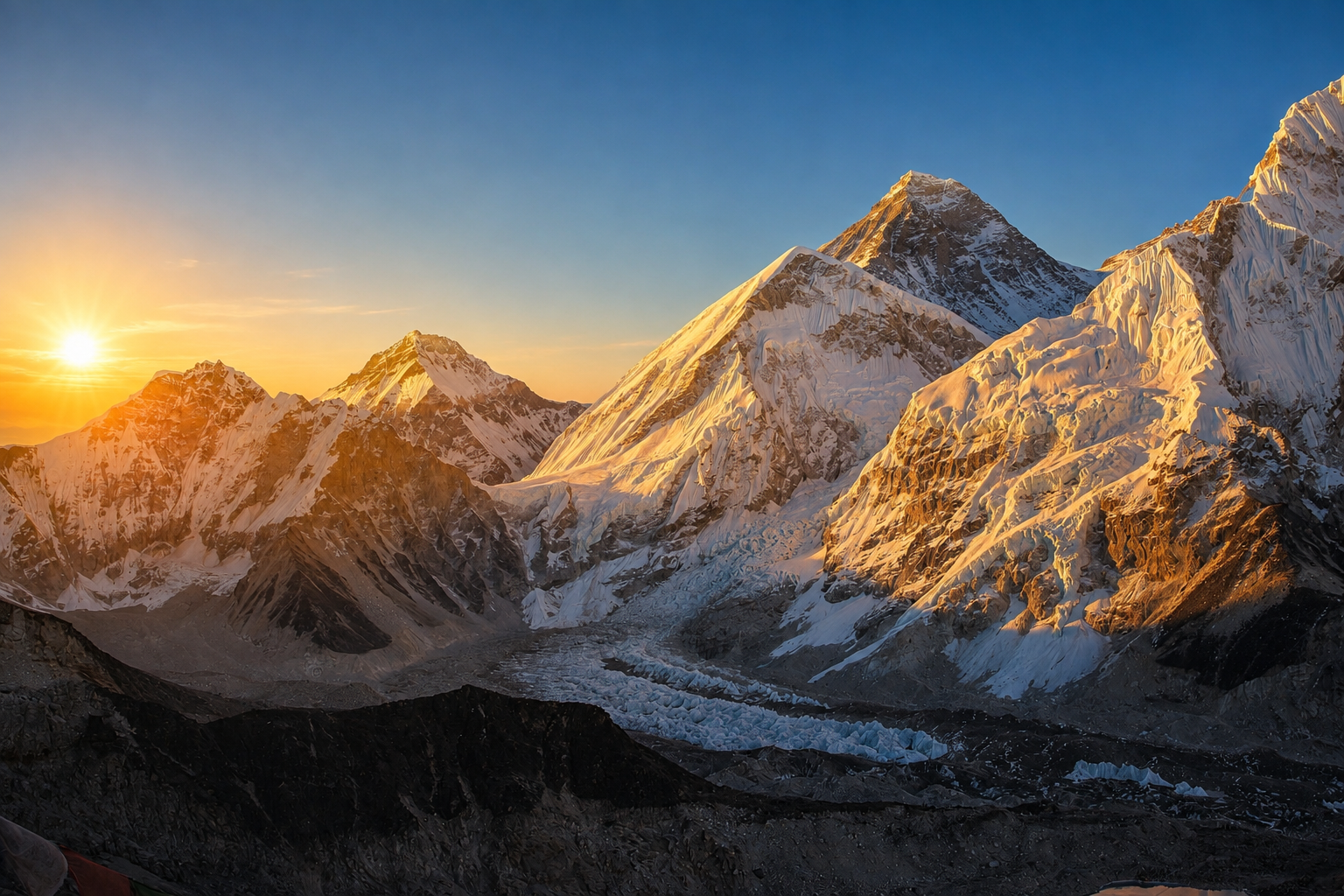
The final few meters lead onto the rocky summit of Kala Patthar at 5,644 meters (18,519 feet), where one of the finest mountain views in the Himalayas unfolds around you.
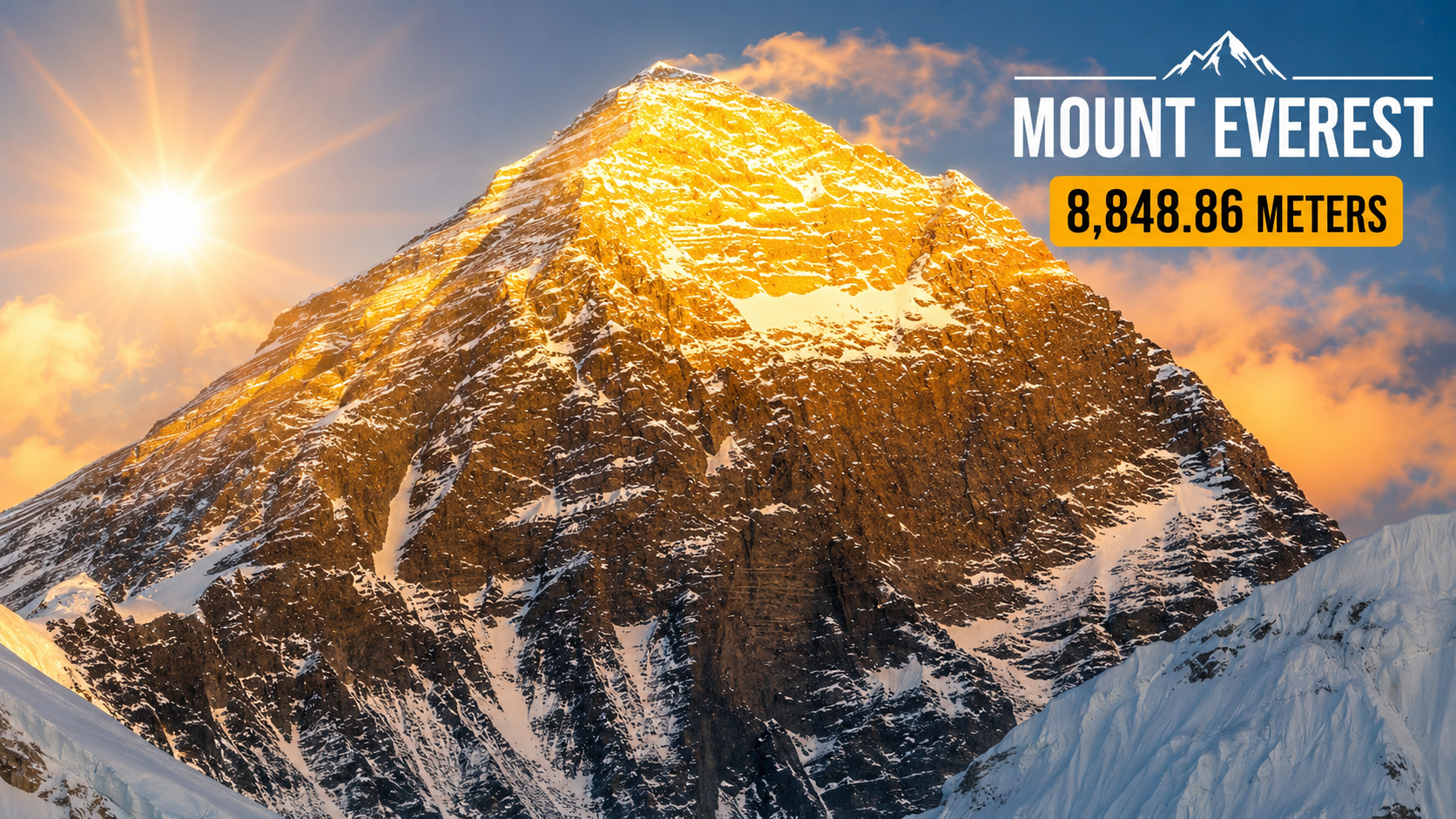
As the first sunlight reaches the peaks, Mount Everest, Lhotse, Nuptse, and Pumori gradually glow in shades of gold and orange. Far below, the Khumbu Glacier winds through the valley, while colorful prayer flags flutter gently in the crisp morning air.
In that moment, the cold, the heavy breathing, and the frustration of the false summits quickly fade away.
After many years of guiding trekkers in the Everest region, we've noticed that this is often the moment people remember most. It's not simply because of the spectacular view, but because every careful step, every deep breath, and every challenge along the climb make reaching the summit feel genuinely meaningful.
.JPG)
Reading the Khumbu Weather: How Adventure Club Trek Guides Read the Mountains
The weather in the Khumbu can change remarkably fast, especially above 5,000 meters. A clear blue morning can quickly give way to strong winds, cloud cover, or snowfall within a few hours. While weather forecasts are a useful planning tool, they don't always capture the rapidly changing conditions found in the high Himalayas.
That's why our Adventure Club Trek guides rely on years of local experience as well as daily forecasts. Every morning before leaving Gorak Shep for Kala Patthar, we carefully observe the surrounding mountains, cloud patterns, and wind conditions to decide the safest time to begin the climb.
One of the most reliable indicators is the Everest plume, the stream of snow blowing from the summit of Mount Everest. A long, well-defined plume usually signals strong winds at higher elevations. If it grows larger or changes direction, we know conditions on exposed ridges like Kala Patthar may become colder and windier later in the day.
We also watch the clouds forming between Everest and Lhotse. When they begin spilling over the high saddle, visibility can decrease surprisingly quickly, particularly during the afternoon as moisture rises from the lower valleys.
These natural signs help us make practical decisions, such as adjusting departure times or recommending a sunrise instead of a sunset climb when conditions are more favorable. Combined with reliable weather forecasts, this local mountain knowledge allows us to make informed decisions that prioritize both safety and the best possible trekking experience.
After many years of guiding in the Everest region, we've learned that reading the mountains is just as important as reading the forecast. It's one of the ways we help trekkers enjoy Kala Patthar safely while giving them the best chance of experiencing the spectacular views that make this climb so unforgettable.
Can Beginners Do the Kala Patthar Trek?
Yes. Kala Patthar is achievable for beginners with a reasonable level of fitness, proper preparation, and a well-planned trekking itinerary. You don't need previous mountaineering experience or technical climbing skills because the trail follows a well-established trekking route. The greatest challenge is high altitude, not the terrain itself.
Preparing 2 to 3 months before your trek can make a significant difference. Regular walking, hiking, cycling, jogging, or other cardiovascular exercises help build the stamina needed to walk 5 to 7 hours a day over several consecutive days. Strengthening your legs and improving your overall endurance will make the journey more comfortable and enjoyable.
Acclimatization is equally important. A gradual ascent, scheduled rest days, staying well hydrated, and maintaining a steady pace all help your body adjust to the thinner air above 5,000 meters. This is why experienced guides always encourage trekkers to walk "bistari, bistari" (slowly, slowly) rather than rushing uphill.
If you have a history of heart disease, lung conditions, severe asthma, or significant knee problems, consult your doctor before planning the trek. Trekking at high altitude places additional demands on the body, and professional medical advice is recommended for anyone with existing health concerns.
From our years of guiding first-time trekkers in the Everest region, we've found that success depends less on athletic ability and more on patience, preparation, and sensible pacing. Many beginners reach the summit of Kala Patthar every year, and with the right guidance and realistic expectations, it can become one of the most rewarding experiences of your first Himalayan adventure.
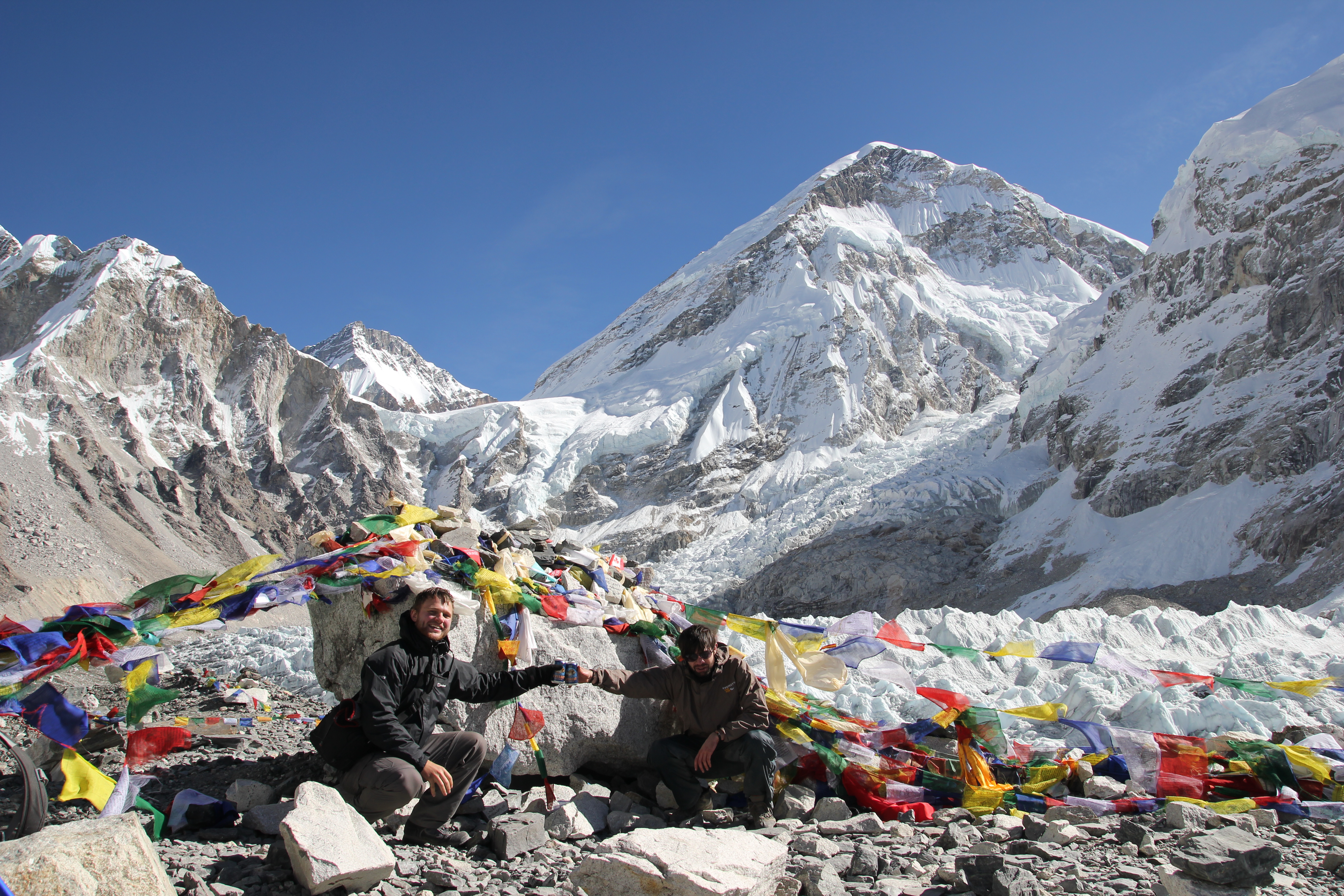
Why Kala Patthar Is the Best Place to See Mount Everest
For many trekkers, reaching Everest Base Camp is the goal that inspires them to travel to Nepal. Yet after leading hundreds of treks through the Khumbu, we've seen the same reaction time and again. The moment that leaves people speechless isn't standing at Base Camp. It's reaching the summit of Kala Patthar and seeing Everest in its full glory for the first time.
At 5,644 meters (18,519 feet), Kala Patthar is widely regarded as the best viewpoint of Mount Everest. It offers the closest, clearest, and most complete panorama that trekkers can experience without attempting a technical climb. Unlike an Everest expedition or ascents of trekking peaks such as Island Peak (Imja Tse), no mountaineering skills, fixed ropes, ice axes, or climbing permits are required. The challenge is adapting to the altitude and maintaining a steady pace, making the viewpoint accessible to well-prepared trekkers with proper acclimatization.
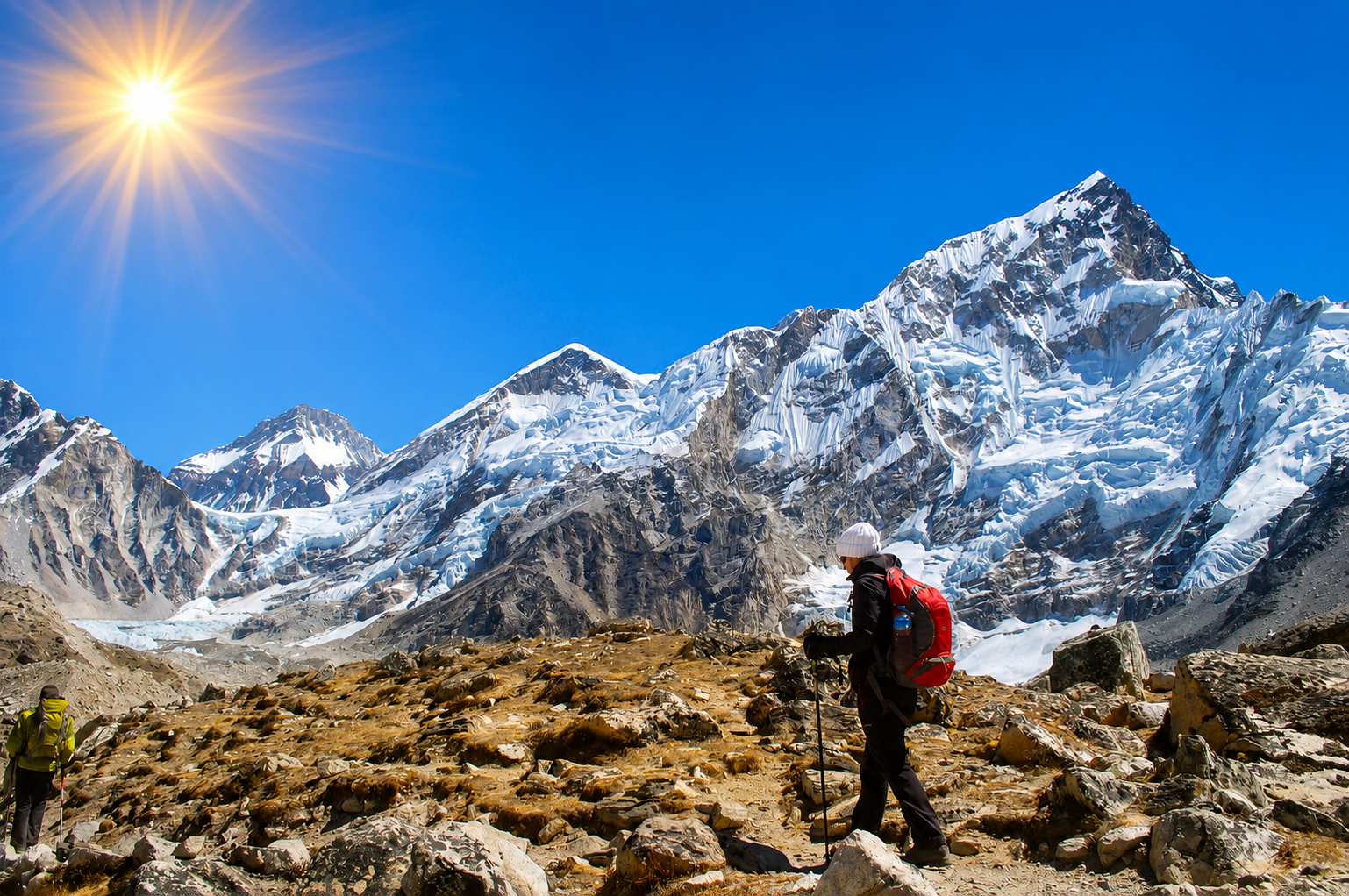
The difference between Everest Base Camp and Kala Patthar often surprises first-time visitors. At Base Camp, you're standing beside the dramatic Khumbu Icefall, but the summit of Everest is largely hidden behind the towering ridge of Nuptse. This is why many trekkers are surprised that they don't get the iconic Everest view they had imagined. Climbing Kala Patthar changes everything. From its rocky summit, Everest dominates the skyline, framed by Lhotse, Nuptse, Pumori, the cascading Khumbu Icefall, and the vast Khumbu Glacier stretching through the valley below.
The ascent begins from Gorak Shep and usually takes a few hours at a slow, steady pace. Although the final section is steep and the thin air makes every step feel more demanding, the trail is straightforward and rewards patience rather than speed. Whether you reach the summit at sunrise, when the first rays of light illuminate Everest's summit, or in the late afternoon as the peaks glow with warm alpine colors, the experience is unforgettable.
From our years of guiding in the Everest region, we've learned that Kala Patthar is much more than another viewpoint on the itinerary. It is where the scale of the Himalayas truly becomes clear, where trekkers finally see the mountain they have dreamed about for years, and where the effort of every step feels worthwhile. For many of our guests, Kala Patthar is not just the highest point of the trek. It is the emotional and visual highlight of the entire Everest journey.
Insider Field Notes: Practical Advice and Common Mistakes to Avoid
After guiding trekkers to Kala Patthar for many years, we've learned that reaching the summit isn't about being the fastest or strongest. More often, it's the trekkers who pace themselves well and respect the altitude who enjoy the climb the most.
The most common mistake is walking too quickly. Above 5,000 meters, your body needs more time to adapt to thinner air. A slow, steady rhythm, what Sherpas call "bistari, bistari" (slowly, slowly), helps conserve energy and reduces the risk of altitude-related problems.
Wear clothing in layers so you can easily adjust to changing temperatures. Before sunrise, conditions are often well below freezing, but once the sun reaches the trail, it can feel noticeably warmer. Gloves, a warm hat, sunglasses, and a reliable headlamp are essential for early morning departures.
Stay hydrated throughout the climb, even if you don't feel thirsty. The cold, dry Himalayan air can lead to dehydration much faster than many trekkers expect. Keep water and snacks within easy reach so you can refuel without stopping for long.
One final tip from our guides: don't spend the entire climb looking at your feet. Pause occasionally, turn around, and enjoy the ever-changing views of Pumori, the Khumbu Glacier, and the valleys below. Sometimes the journey itself offers just as many unforgettable moments as the summit.
Photographing Mount Everest: Tips from Local Guides
For many trekkers, Kala Patthar is where they take their most memorable photographs of Mount Everest. While the scenery is extraordinary, capturing it well depends on preparation, timing, and patience rather than expensive camera equipment.
If you're planning a sunrise climb, arrive before the first light reaches the horizon. During the next 20 to 30 minutes, the colors change rapidly as Everest and the surrounding peaks gradually glow in shades of gold, orange, and pink. These brief moments often produce the most striking photographs of the entire trek.
Cold temperatures can quickly drain camera batteries, so carry a spare battery inside an inner jacket pocket to keep it warm until needed. A wide-angle lens is perfect for sweeping Himalayan landscapes, while a telephoto lens helps capture details such as the Everest summit plume, the rugged face of Nuptse, or the dramatic ice formations of the Khumbu Icefall.
Our guides also encourage trekkers to spend a few quiet moments without a camera. The sound of the wind, the stillness of the mountains, and the feeling of standing above the clouds are experiences that no photograph can fully preserve. The best souvenir from Kala Patthar is often the memory itself.
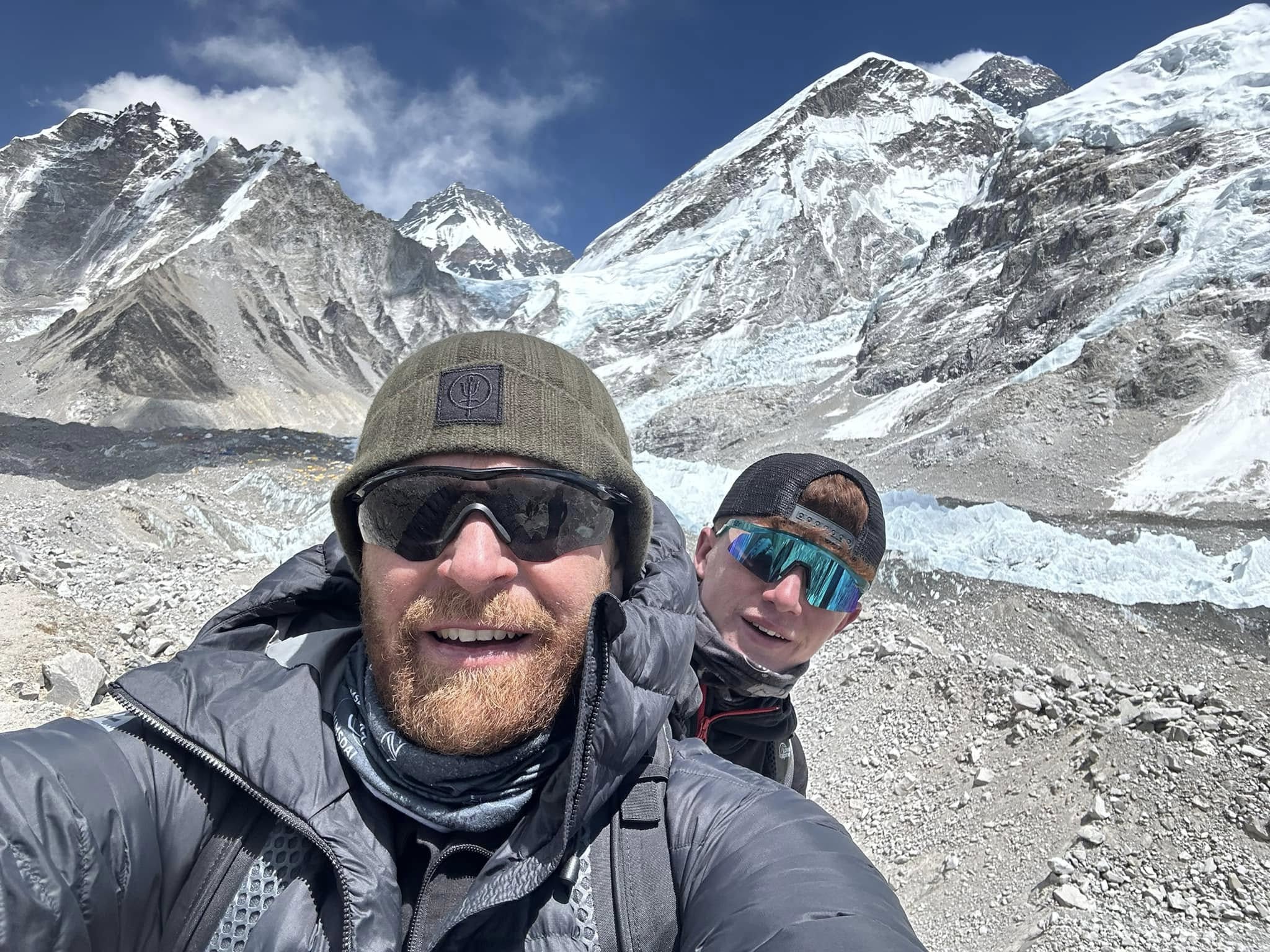
The Walk Back to Gorak Shep: Safety, Logistics, and Mountain Etiquette
Reaching the summit of Kala Patthar is an incredible achievement, but the trek isn't complete until you return safely to Gorak Shep. Many accidents happen during descents when tired legs and excitement reduce concentration, so it's important to stay focused even after enjoying the view.
Take your time on the rocky and uneven sections of the trail. Loose gravel and patches of ice can make footing less stable, particularly during colder mornings. Trekking poles provide extra balance and reduce strain on your knees during the descent.
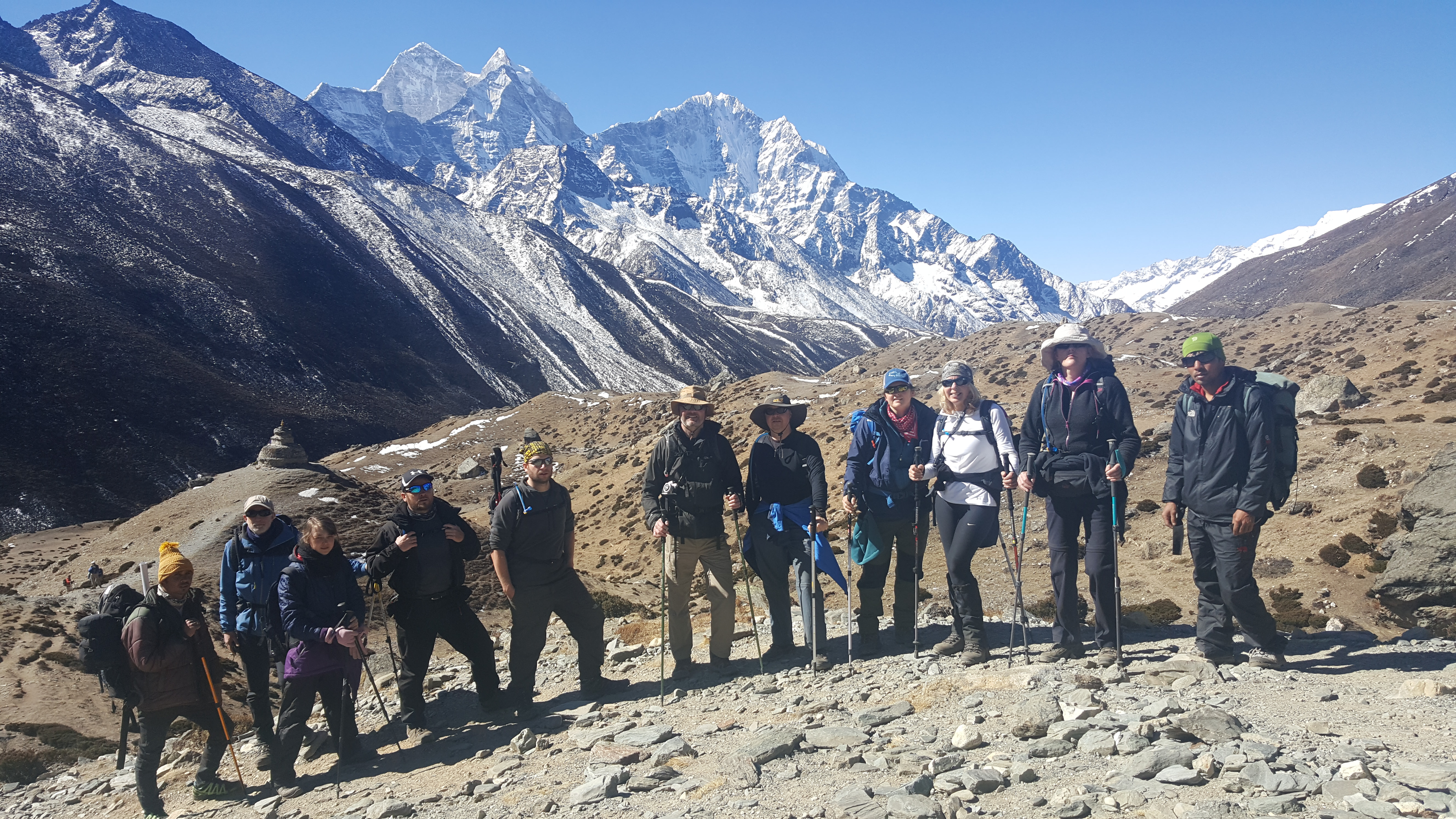
You'll often meet trekkers making their way uphill while you're heading down. In the Khumbu, it's customary to step aside where possible, greet others with a friendly "Namaste," and give uphill walkers room to continue their steady pace. These simple gestures reflect the respectful culture that has long been part of Himalayan trekking.
Once back in Gorak Shep, reward yourself with a warm drink, a hearty meal, and some well-earned rest before continuing your journey. Many trekkers are surprised by how different the landscape looks on the return walk, revealing fresh perspectives of the surrounding peaks that they missed during the climb.
Why Kala Patthar Becomes the Most Memorable Moment of the Everest Trek
Every stage of the Everest Base Camp Trek leaves a lasting impression. The flight into Lukla, the lively streets of Namche Bazaar, the peaceful monasteries, and the achievement of reaching Everest Base Camp all become part of the story. Yet for many trekkers, Kala Patthar is the moment that defines the entire journey.
Perhaps it's because the final climb demands patience when every breath feels harder to take. Perhaps it's the quiet anticipation before sunrise or the golden light spreading across the Himalayan skyline. Or perhaps it's simply the first time Everest stands completely revealed, rising above the surrounding peaks in a way that no photograph can truly capture.
Over the years, we've watched countless trekkers reach the summit in silence. Some celebrate with laughter, others stand quietly taking in the view, and a few are moved to tears. In those moments, the weeks of preparation and days of trekking suddenly feel worthwhile.
Long after returning home, most people remember far more than the altitude or the distance they walked. They remember the feeling of standing beneath the highest mountains on Earth, sharing an unforgettable sunrise with fellow trekkers, and realizing they had become part of the extraordinary landscape they had dreamed of for years. That is why Kala Patthar remains the emotional and visual highlight of the Everest journey.
.jpg)