Everest View Trek with Chitwan Wildlife safari 13 Days

Trip Facts

  • Duration 13 Days
  • Difficulty Level Moderate
  • Destination Nepal
  • Transportation Private Vehicle and Domestic Flights
  • Activity Cultural Tours, Trekking and Jungle Safari
  • Best Season Feb-May and Sept - Dec
  • Group Size Minimum 2, Maximum 14
  • Trip Start/End Kathmandu
  • Max Altitude 3,440m

Highlights

  • Historical cultural tour in Kathmandu.
  • Scenic flight to and from Lukla
  • Explore Sherpa Capital town Namche Bazaar, Hillary school, Hospital 
  • Visit  Khumjung village via Everest view point Hotel.
  • Excursion around Namche
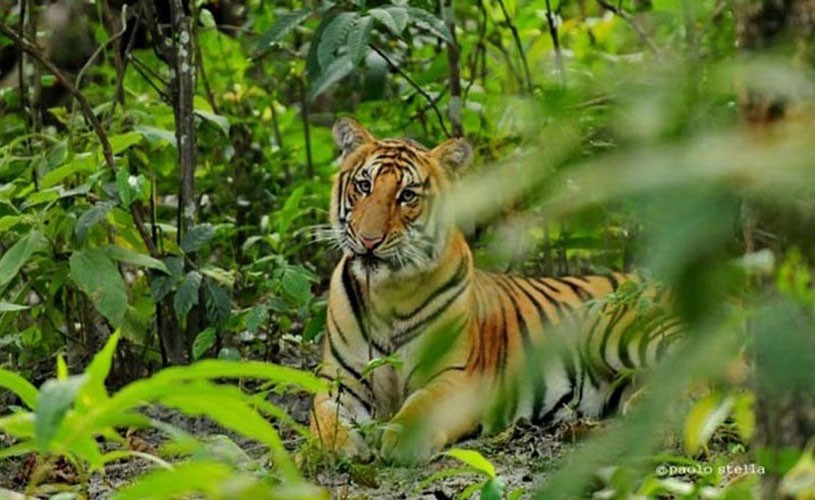
  • Wildlife Jungle Safari at Chitwan National park
  • Scenic drive back to Kathmandu from Chitwan National Park

Everest View Trek with Chitwan Wildlife Safari – 14 Days

Embark on the ultimate 14-day Everest Chitwan Adventure, a seamless blend of Himalayan trekking and exotic jungle safaris. This journey offers breathtaking views of Mount Everest, cultural immersion in Sherpa villages, and thrilling wildlife encounters in Chitwan National Park.  The Everest View Trek with Jungle Safari in Chitwan is a thrilling and enjoyable holiday experience that takes you and your family from the highlands of the Everest region to the lowlands of Chitwan. This journey provides an up-close view of the breathtaking beauty of Mt. Everest, followed by an immersive experience in the exotic jungles of Chitwan.

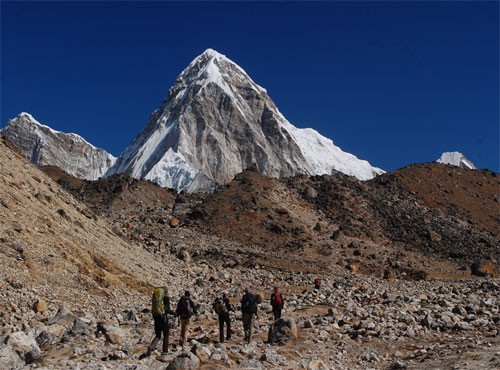
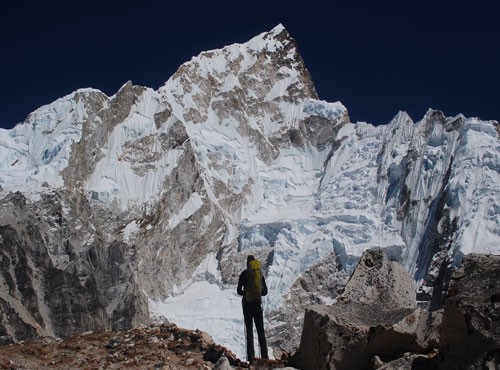
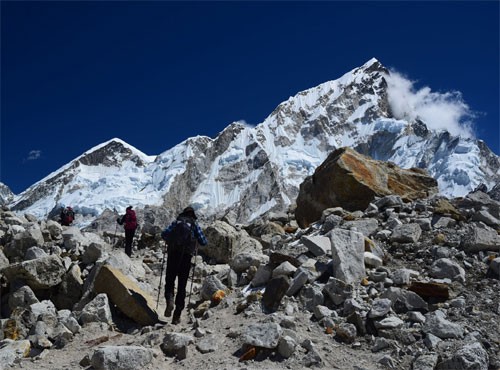
Everest View Trek: Majestic Peaks & Sherpa Culture, The adventure begins with taking a scenic Lukla flight, the gateway to the Everest region. Our expert trekking guides ensure a safe and enriching ascent to Namche Bazaar, the heart of Sherpa culture. Acclimatization hikes offer panoramic views of Everest, Lhotse, and Ama Dablam, while interactions with local communities provide deep cultural insights. We prioritize safety with oxygen cylinders and a medically trained trek guide, ensuring a smooth experience at higher altitudes. You'll enjoy delicious full-board meals throughout the trek, keeping you energized as you traverse the stunning Himalayan landscapes.

Chitwan Wildlife Safari: A Jungle Retreat

After soaking in the grandeur of the Everest region, we descend and return to Kathmandu, preparing for the next leg of the adventure—the lush Chitwan jungle safari. Your 3-day stay in Chitwan National Park offers exciting wildlife safaris with expert nature guides. Choose between an elephant-back safari or a jeep drive to spot rhinos, Bengal tigers, deer, and other exotic wildlife. Additional activities include:

  • Canoe rides along the Rapti River
  • Guided jungle walks
  • Bird watching featuring rare and colorful species
  • Traditional Tharu cultural performances, immerse you in the rich heritage of Nepal’s lowland communities

Best Time to Travel & Weather, The best seasons for the Everest View Trek and Chitwan Safari are spring (March-May) and autumn (September-November) when the skies are clear, and the temperatures are mild. The Everest region boasts crisp mountain air and stunning views, while Chitwan remains pleasantly warm, making it perfect for wildlife exploration. We offer carefully selected lodges and tea houses in the Everest region, while in Chitwan, you'll stay at the best jungle resort, providing comfort and relaxation after thrilling safaris. Our affordable packages include expert trekking and nature guides, full-board meals, accommodation, and necessary permits, ensuring a seamless experience.

Why Choose Us?

  • Highly experienced trekking and nature guides
  • Safe and well-planned itineraries with acclimatization days
  • Best Himalayan views & wildlife encounters
  • All-inclusive packages at competitive prices

2026This 14-day Everest and Chitwan adventure is an extraordinary journey combining high-altitude exploration and jungle safaris, making it the perfect holiday for families and groups seeking a mix of adventure, nature, and culture. Book your Everest Chitwan experience today and create memories that last a lifetime!

Itinerary

+ Expand All- Collapse All

Upon your arrival at Tribhuvan International Airport (KTM), you will be welcomed by a representative from Adventure Club Trek. After sorting out your custom formalities (visa and so on), you will be transferred to your respective hotel in Adventure Club Trek’s private vehicle. We will give you some time to freshen up at the Hotel. After this, you will attend an orientation about your trek led by the trekking leader over a welcome dinner.

  • AccommodationHotel
  • MealsWelcome Dinner
  • Max. Altitude1,300m/4,264ft

We will board an early morning flight from TIA to Tenzing and Hillary Airport in Lukla. Enjoy the 35 minutes flight which is considered one of the scenic flights with the best views of the mountains. Our trek begins after we land in Lukla. First, you will be introduced to our porters and as our team loads our trekking equipment, you can pass time by exploring the village. After everything is sorted, we begin by heading down towards the Dudh Kosi River and join the main trail to Namche Bazaar. Continue on the path to reach the village of Ghat(2,550m) and a short walk from here will take us to our destination, Phakding.

  • AccommodationGuesthouse/Teahouse
  • MealsBreakfast, Lunch and Dinner
  • Max. Altitude2,651m/ 8700f

After breakfast, we head out to Namche Bazaar following the trail that goes through the pine forest alongside the Dudh Kosi River. We cross many rivers via suspension bridges during our trek. Before entering the Sagarmatha National Park we pass by Chumoa and Monjo villages. We do cross Sagarmatha National Park in our trek to the Base Camp. The park offers us a chance to glance at beautiful vegetation, rare animals, and birds From here onwards it is a steep path to Namche Bazaar. As we climb higher, we are rewarded with spectacular views. Namche, also known as the gateway to Everest, has many restaurants, hotels, bakeries, exchange services, and internet cafes.

  • AccommodationGuesthouse/Teahouse
  • MealsBreakfast, Lunch and Dinner
  • Max. Altitude3,438m/11286ft

Today we acclimatize in Namche, the biggest town in the Khumbu region. Acclimatizing is a major contributing factor to a successful trek in the Base Camp. First, we hike up to Everest View Hotel, one of the highest placed hotels, which provides a great view of the mighty Everest. On our way back, we make a stop at the local museum where local flora and fauna are on display along with the history of the Everest region. Our final stop would be the Syangboche Airport, an unpaved airstrip only used by helicopters. If you want to further explore Namche Bazaar, you have the option of a hike to Khumjung village which approximately takes around 5-6 hours. The village is famously known for Khumjung Monastery which houses a Yeti’s scalp. Also, visit the Khumjung School built by Sir Edmund Hillary Himalayan Trust in 1961. Return to Namche for a good night’s rest.

  • AccommodationGuesthouse/Teahouse
  • MealsBreakfast, Lunch and Dinner
  • Max. Altitude3,438m/11286ft


  • AccommodationGuesthouse/Teahouse
  • MealsBreakfast, Lunch and Dinner
  • Max. Altitude3,438m/11286ft

From Namche Bazaar the trail gradually moves towards the Jorsale From Namche the trail steeply goes downhill to the Dudh Koshi River. We will retrace our path back to Phakding via Jhorsalle and Monjo.


  • AccommodationGuesthouse/Teahouse
  • MealsBreakfast, Lunch and Dinner
  • Max. Altitude2,651m/ 8700ft

After having breakfast, we enjoy walking through the lush green scenery we will continue the downhill walk following the Dudh Koshi River to Lukla. In Lukla, we can relax and enjoy the farewell dinner. Stay overnight in Lukla.

  • AccommodationGuesthouse/Teahouse
  • MealsBreakfast, Lunch and Dinner
  • Max. Altitude2800m/9184ft

Taking an early morning flight from Lukla to Kathmandu of 40 minutes, we receive you at the airport and transfer you to the hotel. It's time to release the tiredness, enjoy walking around the local market and buy souvenirs in the afternoon. Overnight at a hotel.

  • AccommodationHotel
  • MealsBreakfast
  • Max. Altitude1,300m/4,264ft

After breakfast, our city guide will take you to the four UNESCO World Heritage Sites in Kathmandu. Swayambhunath stupa, the famous Buddhist monkey temple is located on the hill from where you can get a picture of Kathmandu valley from a bird’s view. Pashupatinath temple, one of the most important pilgrimages for Hindus, is located in the eastern part of the city. Likewise, Buddhanath is the largest spherical stupas in Asia. You will also visit the Kathmandu Durbar Squire, a centuries-old royal palace, now turned into national museums, temples, and other buildings, with the finest architecture, fine cuts, and wood carvings. In the afternoon, we get our equipment checked by our Trekking leader, get introduced to fellow participants, and discuss our trip. Overnight in Kathmandu.


  • AccommodationHotel/ Resort
  • MealsBreakfast, Lunch and Dinner
  • Max. Altitude200m

Early in the morning, we catch a ride to Chitwan. After arriving in Chitwan we will check into the hotel and discuss about our program. In the evening we will indulge ourselves in Jungle walking in Chitwan National park and at the end, we will watch the magnificent view of the setting sun from the bank of Budi Rapti River. Overnight in the hotel.


E

  • AccommodationHotel/ Resort
  • MealsBreakfast, Lunch and Dinner
  • Max. Altitude200m

early in the morning, we will go canoeing in Budi- Rapti River along with basking in alligators. After this, we will enjoy elephant riding into the different parts of the park and get a glimpse of Rhino, Deer, and different species of native as well as migratory birds. In the afternoon we will visit the elephant breeding center and we too can enjoy the elephant bathing. In the evening we will drench ourselves in the surreal of the Tharu Cultural Program. Overnight in the hotel/resort.

    Early in the morning, we can do a bird watching safari. After having breakfast we will drive back to Kathmandu. Stay overnight at a hotel in Kathmandu.

      Our Everest Base Camp Trek-16 Days ends here. A representative from the Adventure Club Trek will accompany you and see you off at Tribhuvan International airport a few hours before the scheduled flight to your home.

        Note: Your safety is of the utmost concern whilst you are traveling with Adventure Club Trek. We will make every effort possible to follow the original itinerary but we reserve the right to change that itinerary if a segment of it becomes a safety issue. Certain mountain regions are remote, natural disasters can happen, weather conditions can decline and there can be illnesses or an injury. To avoid dangerous situations we may occasionally have to make changes to the itinerary to ensure everyone’s safety. That having been said, Adventure Club Trek will strive to provide you with the best possible trekking experience and to keep your safety our number one priority. We thank you for your understanding.

        Cost Details

        Price Includes

        Transportation & Domestic Flights:

        • All airport transfers (international and domestic) by Private tourist vehicle

        • Round-trip domestic flights between Kathmandu/Manthali and Lukla

        • Kathmandu–Manthali–Kathmandu transportation by Private tourist vehicle

        • Private transportation from Kathmandu to Chitwan and back to Kathmandu.

        Accommodation:

        • Twin-sharing accommodation in a 3-star hotel in Kathmandu for 3 nights, including 2 breakfasts.
        • Twin-sharing guesthouse accommodation during the trek for 6 nights in the Everest region
        • Rooms with attached toilets are available in Lukla, Phakding, and Namche
        • 2 nights / 3 days stay in a 3-star standard resort in Chitwan.

        Meals:

        • All standard meals are provided throughout the Trip : 12 breakfasts, 9 lunches, and 9 dinners.
        • A cup of tea/coffee at each meal and Seasonal fruits
        • Welcome and farewell dinner in Kathmandu.
        • Water purification tablets.

        Guide and Support Staff:

        • Experienced, government-licensed, English-speaking trekking guide, first-aid trained and locally recruited
        • Guided city tour in Kathmandu, including the temples’/monuments’ entrance fees and a private vehicle.
        • Assistance guides are provided for groups larger than 4 people.
        • Porters will carry your luggage during the trek (one porter per two clients).
        • All staff wages, meals, accommodation, equipment, insurance, and medical needs are fully covered.
        • 02 nights / 03 days of Chitwan Jungle Safari activities with Jeep safari included.
           

        Trekking Permits:

        The following permits and entry fees are included in your package:

        • Sagarmatha National Park Entry Permit
        • Pasang Lhamu Rural Municipality Fee
        • TIMS (Trekkers’ Information Management System) Card
        • All Chitwan National Park entrance permits

        Trip Benefits and Inclusions:

        • Adventure Club's trekking bag/duffel bag, Trip T-shirt, and Everest Base Camp trail map.
        • Comprehensive first-aid kit, including an oximeter to monitor oxygen levels daily
        • Everest View Trek 7 Days Completion Certificate.

        Rental Trekking Gear:

        • Sleeping bag & down jackets are provided (To be returned after the trek is completed)

        Administrative Fees & Taxes:

        • All administrative costs and government taxes included

        Price Excludes

        • Nepal visa (USD 30 for 15 days, USD 50 for 30 days and USD 125 for 90 days)
        • Lunch and dinner in Kathmandu.
        • Personal expenses (alcoholic drinks, bottled water, cold drinks).
        • Personal travel insurance and medical bills.
        • International airfares/flights (fares and flights can be arranged upon request).
        • Hot shower during the trekking.
        • Personal trekking equipment.
        • Insurance with helicopter evacuation.
        • Tips for guide, porters, and drivers (Tipping is expected, but it is not mandatory)

        Date & Prices

             
        Start DateStart: MondaySeptember 14, 2026End DateEnd: SaturdaySeptember 26, 2026StatusStatusAvailablePricePriceUS $1489
        Start DateStart: FridaySeptember 18, 2026End DateEnd: WednesdaySeptember 30, 2026StatusStatusAvailablePricePriceUS $1489
        Start DateStart: TuesdaySeptember 22, 2026End DateEnd: SundayOctober 04, 2026StatusStatusAvailablePricePriceUS $1489
        Start DateStart: SaturdaySeptember 26, 2026End DateEnd: ThursdayOctober 08, 2026StatusStatusAvailablePricePriceUS $1489
        Start DateStart: WednesdaySeptember 30, 2026End DateEnd: MondayOctober 12, 2026StatusStatusAvailablePricePriceUS $1489


         Delete
        Add new   
        The Published dates are guaranteed departures. If the scheduled dates are not suitable for you, we will be happy to create our trips to suit your needs. Let us know what kind of trip you are looking for, and our travel experts will help customize your dream destination.Meta Details

        Useful Info

        Lukla Flight Information & Delays

        Flights to Lukla are closely influenced by both seasonal air traffic and mountain weather, so your flight arrangements can differ depending on when you travel.

        During the peak trekking months of March, April, May, September, October, and November, Lukla flights generally operate from Ramechhap (Manthali) Airport rather than Kathmandu. Ramechhap is around 4–5 hours by road from Kathmandu, although the journey can take longer depending on traffic and road conditions. During the quieter months, flights normally operate from Kathmandu.

        The exact departure airport is determined by the airlines and current flight operations. Weather can also change quickly in the Everest region, and delays or cancellations are possible even when conditions are clear in Kathmandu.

        For this reason, we strongly recommend keeping 1–2 extra days in your Nepal itinerary, particularly before your international flight home. This gives you a practical buffer if your Lukla flight is delayed or cancelled and helps avoid the risk of missing your onward flight. If a flight disruption occurs, our team will monitor the situation and help arrange the most practical available alternative.

        Please reread. 

        • Baggage Allowance: Lukla flights allow 10 kg of checked baggage plus 5 kg of hand carry per passenger per flight. Excess baggage may incur additional charges and is subject to the airline's weight restrictions.
        • Helicopter Options: If your regular flight is cancelled due to weather and you choose to travel by helicopter, the fare is USD 550 per person, or USD 3,200 for a private helicopter charter.
        • Flight Ticket Refund: When a Lukla flight is cancelled due to weather, the airline ticket is normally fully refunded. We will apply the refunded flight amount toward the helicopter cost, so you only pay the remaining difference per passenger.

        Weather & Best Time to Trek

        The best seasons for the Everest Base Camp trek are spring and autumn, particularly March to May and late September to November. These months generally offer more stable weather, clearer mountain views, and good trail conditions. October and November are especially popular, so teahouses and flights can be busy.

        Winter (December to February) brings colder temperatures and freezing conditions at higher elevations, but clear skies can provide excellent mountain views. Some lodges operate throughout the season, although facilities are more limited.

        The monsoon months of June to August bring rain to lower sections and can affect flights to Lukla. The Everest region receives less rain than many parts of Nepal, but cloud and wet trails can still make travel less predictable.

        Mountain weather can change quickly in any season, so flexibility remains important.

        What is the accommodation like during the trek?

        In Kathmandu, you will stay in a comfortable 3-star hotel. During the trek, we use welcoming local teahouses and guesthouses along the route, giving you a chance to experience the simple, friendly style of accommodation found in the Everest region.

        Rooms are normally twin-sharing, with another trekker of the same gender. Private rooms can be requested for an additional fee, although availability becomes limited at higher altitudes, particularly during the busy spring and autumn seasons.

        Up to Namche Bazaar, the teahouses we select generally offer rooms with attached bathrooms. Above Namche, accommodation becomes more basic, with shared toilets and washing facilities. Hot showers are available at many lodges, although availability and heating methods, including gas, solar power, or heated water, vary with altitude and lodge.

        A hot shower usually costs around USD 3–5, with prices generally increasing as you climb higher. After a long day on the trail, many trekkers find it well worth the extra few dollars.

        What is the food like on the Everest Base Camp Trek?

        Breakfast, lunch, and dinner are included during the trek. Breakfast is also included at your Kathmandu hotel, while lunch and dinner in Kathmandu are normally arranged separately unless stated in your itinerary. We also host welcome and farewell dinners for our guests.

        During the trek, breakfast and dinner are served at the teahouse where you stay, while lunch is usually taken at a teahouse along the trail. Menus offer a surprisingly wide choice, including eggs, toast, porridge, momos, dal bhat, noodles, pasta, soup, fried rice, and chow mein. Dal bhat, made with rice, lentils, and vegetables, is particularly popular because it is filling and provides a good source of energy for long trekking days.

        We recommend choosing freshly cooked vegetarian meals at higher elevations. Meat is transported into the mountains from lower areas, and storage conditions can vary, so many experienced trekkers prefer to avoid it above Namche.

        Drinking Water on the Everest Base Camp Trek

        Drinking water is not included with your meals, but safe drinking-water options are available throughout the trek. You can refill your bottle at teahouses or designated water sources and treat the water before drinking. Water purification tablets, a sterilizing pen, or a reliable water filter are all practical options.

        Bottled and boiled water are also available at teahouses, but the price increases as you gain altitude because everything has to be transported into the mountains. Expect to pay roughly USD 1 per litre at lower elevations, with prices reaching around USD 4 or more per litre higher on the trail. Bringing a reusable bottle and treating refill water is usually the more economical and environmentally responsible option.

        Electricity, Wi-Fi, and mobile networks in the Everest region

        Electricity is available at most teahouses, although charging becomes more limited and expensive as you climb higher. Expect to pay around USD 2–6 to charge a phone, camera, or power bank, depending on the location. We recommend bringing a 20,000 mAh power bank.

        Cold temperaturescan drain batteries quickly, so keep your phone, camera batteries, and power bank warm, especially overnight.

        Wi-Fi is available at many teahouses, but it becomes slower and less reliable at higher elevations. Ncell and Nepal Telecom (NTC) are the main mobile networks in Nepal. Both work reasonably well around Lukla and Namche, while coverage becomes less reliable higher on the trail.

        We recommend buying a local SIM/eSIM in Kathmandu and downloading important maps and documents for offline use before starting the trek.

        Equipment and Packing List

        Packing the right gear will help you stay comfortable throughout your Langtang Valley Trek. Keep your luggage light and bring only the essentials. If you hire a porter, we recommend packing no more than 10 kg (22 lbs) per person in your duffel bag.

        Essential Documents

        • Valid passport
        • Nepal visa (or cash to obtain one on arrival)
        • Travel insurance details
        • A few passport-size photos
        • Cash in Nepalese Rupees for personal expenses

        Clothing

        • Lightweight hiking shirts (2 to 3)
        • Hiking trousers (2 pairs)
        • Thermal base layer (top and bottom)
        • Fleece jacket
        • Down jacket
        • Waterproof and windproof jacket
        • Waterproof trekking pants (recommended during spring and autumn, essential in the monsoon)
        • Comfortable underwear and sleepwear

        Footwear

        • Comfortable, broken-in hiking boots
        • Lightweight shoes or sandals for the evenings
        • Hiking socks (3 to 4 pairs)

        Head & Hands

        • Warm hat
        • Sun hat or cap
        • Sunglasses with UV protection
        • Lightweight gloves
        • Neck gaiter or buff (optional)

        Daypack Essentials

        • Reusable water bottle or hydration bladder
        • Water purification tablets or a filter
        • Sunscreen and lip balm
        • Personal medications
        • Camera or mobile phone
        • Power bank
        • Headlamp with spare batteries
        • Trekking poles (optional but recommended)

        Toiletries

        • Toothbrush and toothpaste
        • Small quick-dry towel
        • Biodegradable soap
        • Toilet paper or tissues
        • Wet wipes
        • Hand sanitizer

        Personal First Aid Kit

        • Personal prescription medications
        • Pain relief tablets
        • Blister plasters
        • Bandages
        • Anti-diarrhea medicine
        • Diamox (consult your doctor before use)

        Trekking Gear

        • Daypack (20 to 30 liters)
        • Duffel bag (provided by Adventure Club Trek)
        • Sleeping bag (rated to around -10°C, available to borrow if needed)

        Optional Items

        • Book or Kindle
        • Journal and pen
        • Snacks or energy bars
        • Portable charger
        • Earplugs

        Altitude Sickness: Symptoms & What We Do

        Altitude sickness can affect anyone above 3,000 meters, regardless of age or fitness. Common symptoms include headache, tiredness, dizziness, nausea, loss of appetite, and disturbed sleep. Our itinerary allows time for gradual acclimatization, and our guides keep a close eye on how each trekker is feeling.

        If you develop symptoms, we do not encourage you to simply push on. Depending on their severity, our guide may recommend resting at the same altitude or descending. Worsening or severe symptoms require immediate descent and medical attention.

        Some trekkers consider acetazolamide (Diamox) for altitude sickness. If you are considering it, speak with your doctor before the trek to determine whether it is suitable for you.

        We require all trekkers to have travel insurance that covers high-altitude trekking and emergency helicopter evacuation up to the maximum altitude of their itinerary. Some Everest itineraries reach over 5,500 meters, particularly when Kala Patthar is included.

        Visa & Entry Requirements

        Most foreign nationals require a tourist visa to enter Nepal. You can obtain a Nepal tourist visa before your trip from a Nepalese embassy or consulate or on arrival at Tribhuvan International Airport (Kathmandu) and selected official land border entry points.

        Please note that nationals of Afghanistan, Iraq, Cameroon, Ghana, Somalia, Eswatini (formerly Swaziland), Palestine, Zimbabwe, Nigeria, Ethiopia, and Liberia are not eligible for a visa on arrival. Travelers from these countries must obtain a visa from a Nepalese Embassy or Consulate before traveling to Nepal.

        Tourist visas are also available at selected official land border entry points into Nepal.

        To obtain a tourist visa, you will need:

        • A passport valid for at least six months from your date of arrival.
        • A recent passport-sized photograph (digital or printed).
        • The applicable visa fee.

        Tourist Visa Fees

        15 Days (Multiple Entry)USD 30
        30 Days (Multiple Entry)USD 50
        90 Days (Multiple Entry)USD 125

        To save time on arrival, we recommend completing the online visa application before your trip and presenting the confirmation receipt at the immigration counter.

        Official Nepal Immigration Links

        If you have any questions about your visa or entry requirements, our team will be happy to assist you before your arrival in Nepal.

        Our Trekking Guides/Leaders 

        Here at Adventure Club, our staff is like family. We only use locals to support their communities and train our staff rigorously to be the best they can be—for you! 

        •  Full first-aid training
        • Guide Training (trekking)
        • English and other common languages (as requested) 
        • Village and Land Conservation 
        • Mountaineering (for specialty expeditions or climbing treks)

        All our guides are highly trained in all aspects of trekking, conversation, first-aid, and emergency evacuation. They are all very professional, knowledgeable, and passionate about tourism. They are local guides, and their English is sometimes limited to trek-related topics. They know how to facilitate running a smooth and safe trip while appreciating the beauty of the Himalayan world.

        Porter Welfare

        Our porters play an important role in making your trek safe and enjoyable. We ask all trekkers to treat them with kindness and respect throughout the journey. To protect their health and well-being, each porter carries luggage for a maximum of two trekkers, with a combined weight limit of 20 kg (44 lbs). We kindly ask you to keep your duffel bag within 10 kg (22 lbs) per person.

        At Adventure Club Trek, we provide our porters with fair wages, proper clothing and equipment, meals, and accommodation during the trek. If a porter becomes ill or is injured, we ensure they receive the necessary medical care, including emergency evacuation when required. We also follow the guidelines of the International Porter Protection Group (IPPG) and are committed to providing safe and fair working conditions for our trekking staff.

        Travel Insurance

        Travel insurance is required for the Everest Base Camp Trek. Before you travel, please make sure your policy covers trekking in Nepal up to 6000 meters (19,404 ft) and includes emergency helicopter evacuation.

        We recommend that your insurance policy cover the following:

        • Emergency helicopter evacuation
        • Medical treatment and hospitalization
        • Trip cancellation or interruption
        • Lost, stolen, or delayed baggage
        • Personal accident and liability

        Please carry a printed or digital copy of your insurance policy, including your policy number and emergency contact details, during the trek.

        In the event of an emergency, our guides will arrange the necessary rescue and medical assistance. However, the cost of evacuation and medical treatment is the responsibility of your insurance provider or yourself if your policy does not provide adequate coverage.

        Recommended Travel Insurance Providers

        There are many travel insurance companies that offer coverage for trekking in Nepal. When choosing a policy, make sure it covers high-altitude trekkingemergency helicopter evacuation, and medical expenses.

        Some well-known travel insurance providers include:

        America


        Canada


        Europe

        Asia & Middle East


        Australia

        Please note that the availability of these providers may vary by country. Before purchasing a policy, carefully check that it covers trekking in Nepal up to the maximum altitude of your itinerary and includes emergency helicopter evacuation.

        Adventure Club Trek is not affiliated with or endorsed by any of the companies listed above. They are provided only as examples of insurers that many travelers have used for trekking holidays. You are welcome to choose any insurance provider that offers the coverage you need.

        Group Size & Guide Support

        We keep our scheduled trekking groups to a maximum of 14 travelers, allowing our guides to give everyone personal attention throughout the trek.

        Our licensed local guides and porters are assigned according to the group size and itinerary. Since everyone walks at a different pace, our guides manage the group so that nobody feels unnecessarily rushed or left behind.

        Solo travelers can join a scheduled small-group departure or choose a private trek. We can also arrange customized departures for larger private groups on request.

        Tipping

        Tipping is not mandatory in Nepal, but it is a thoughtful way to show your appreciation for good service. If you are happy with the support you receive, you may choose to tip your guide, porter, driver, or hotel staff at the end of the trip.

        There is no fixed amount, and how much you tip is entirely up to you. Our guides and porters are paid fairly for their work, so tips are never expected. However, they are always appreciated as a gesture of thanks for their hard work and dedication.
        Similar Trips

        Ask a Question

        Sign up for our newsletter

        Drop Us a Message