Acclimatization, and High-altitude sickness
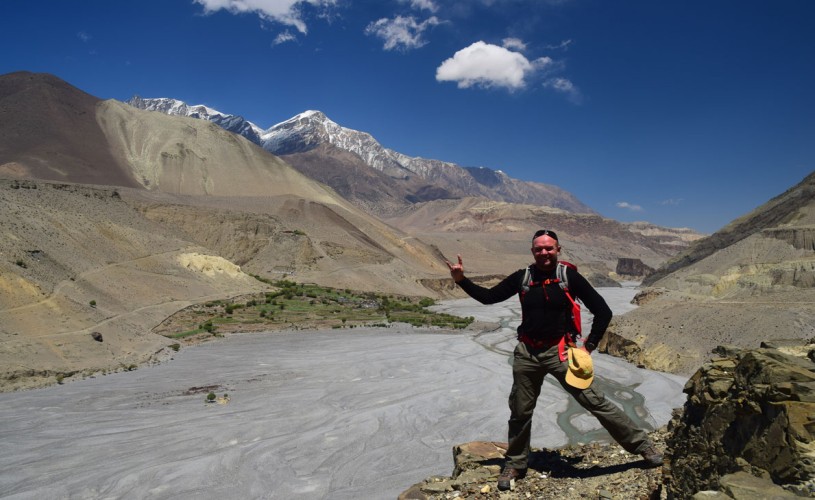
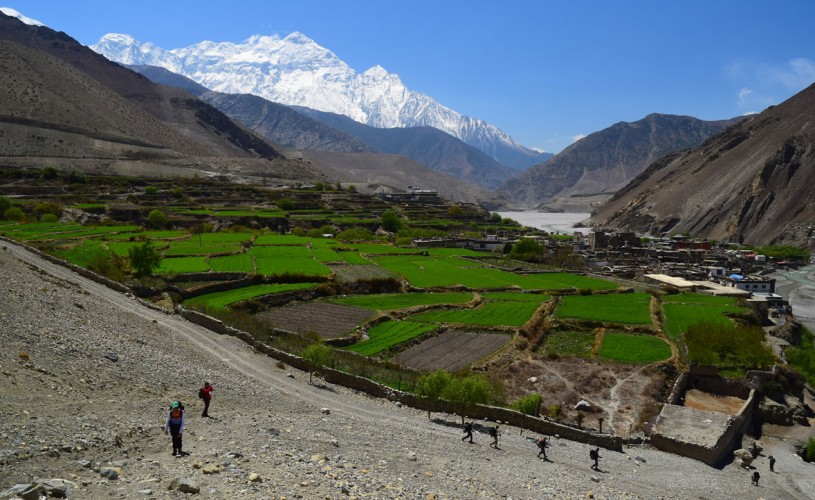
The upper Mustang overland tour in Nepal is a moderate journey on the basis of altitude and it is safe to discover the hidden kingdom. Hence, the chance of high-altitude sickness during the tour is very low. The highest altitude onthe Upper Mustang Overland Tour is in Lo Manthang at 3,600m above sea level. This tour has been designed properly to prevent altitude sickness.
Physical and Experience Requirements
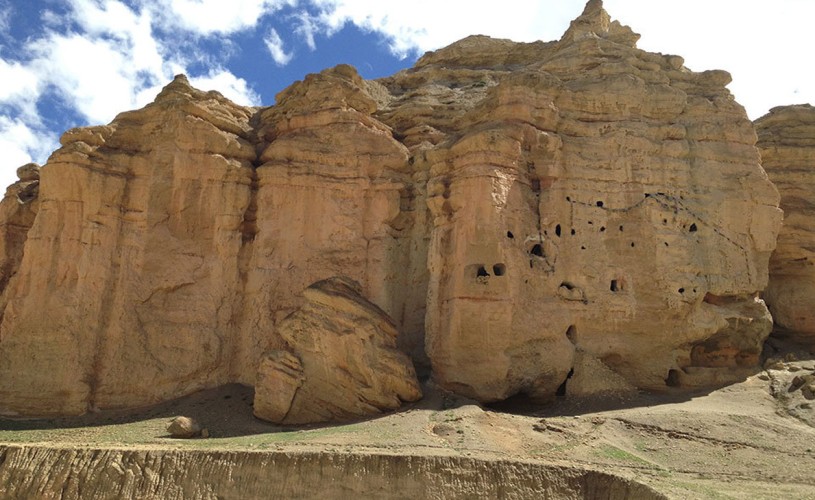
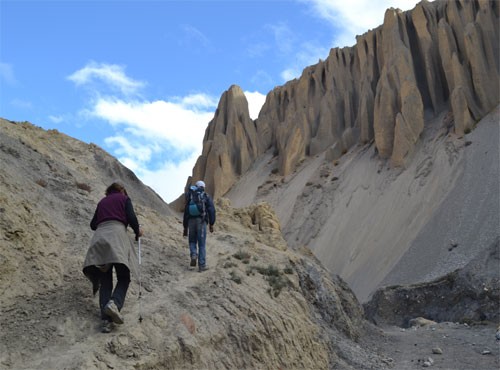
It requires a normal level of physical fitness to make a trek in the Upper Mustang region. You do not need any skills or you do not have to go through any technical difficulties. Most of the time we will be exploring the Gompa, caves, and hiking to the monasteries at moderate altitudes or driving through the terrain.
First-Aid Kit
Our guides and porters are equipped with a basic first-aid kit during regular treks. For expeditions that take on the isolated and off the beaten trekking paths, a comprehensive first-aid kit is compulsory, and the same goes for climbing expeditions as well.
A bandage in case of sprains.
Plasters/ Band-aids and antiseptic ointments for simple cuts
Iodine or water filter (optional) instead of buying bottled mineral water
Moleskin/Second skin in case of blisters.
Aspirin/Paracetamol -painkiller.
Oral rehydration salts-Nava Jeevan or Jeevan Jal (orange-flavored ORS)
The broad-spectrum antibiotic (norfloxacin or ciprofloxacin).
Anti-diarrhea medication (antibiotic).
Diarrheal stopper (Imodium - optional).
Diamox 250/500mg (for altitude sickness).
Gel hand cleaner/sanitizer.
Note: We can add medical supplies as per the special needs of the trekkers to the first-aid kit given above.
Equipment And Packing List
Here is some information to help you know what to bring for the trek. It's very important not to forget the essential items because they will affect how comfortable and safe you are. At the same time, try not to carry too much unnecessary gear.
* The Adventure Club Trek will lend each trekker a set of down Jackets, sleeping bags,s and duffle bags.
* Our main guide, trained in wilderness first aid, will carry a comprehensive medical kit.
Important Documents and Items
- Valid passport, 2 extra passport size photos, airline tickets.
- Dollars, pounds, or Euros in cash for purchasing a Nepali visa at Kathmandu airport, for paying for restaurants and hotels, for gratuities, snacks, and purchasing your own drinks and gifts.
- Credit cards, Bank/ATM/Cash machine cards for withdrawing funds from cash machines (bring a photocopy of your cards), traveler's checks, etc
HEAD
- Bandana or headscarf, also useful for dusty conditions
- Warm hat that covers your ears (wool or synthetic)
- Headlamp with extra batteries and bulbs
- Sunglasses with UV protection
- Prescription sunglasses (if required)
- UPPER BODY
- Polypropylene shirts (1 half sleeve and 2 long sleeves)
- Light and expedition weight thermal tops
- Fleece wind-stopper jacket or pullover
- Waterproof (preferably breathable fabric) shell jacket
- Down vest and/or jacket *
- Gore-Tex jacket with hood, waterproof and breathable
LOWER BODY
- Non-cotton underwear briefs
- 1 pair of Hiking shorts
- 1 pair of hiking trousers
- 1 pair of lightweight thermal bottoms (seasonal)
- 1 pair of fleece or woolen trousers
- 1 pair of waterproof shell pants, breathable fabric
FEET
- 2 pairs of thin, lightweight inner socks
- 2 pairs of heavy poly or wool socks
- 1 pair of Hiking boots with spare laces (sturdy soles, water-resistant, ankle support, “broken-in”)
- 1 pair of trainers or running shoes and/or sandals
- Cotton socks (optional)
- Gaiters (winter only), optional, “low” ankle high version
HANDS
- 1 pair of lightweight poly liner gloves.
- 1 pair of lightweight wool or fleece gloves
- 1 pair of mittens, consists of 1 Gore-Tex over mitt matched with a very warm polar-fleece mitt liner (seasonal)
TOILETRIES
- 1 medium-sized quick-drying towel
- Toothbrush/paste (preferably biodegradable)
- Multipurpose soap (preferably biodegradable)
- Deodorants
- Nail clippers
- Face and body moisturizer
- Female hygiene products
- Small mirror
- Personal Hygiene
- Wet wipes (baby wipes)
- Tissue /toilet roll
- Anti-bacterial handwash
SLEEPING
- 1 sleeping bag (good to -10 degrees C or 14 degrees F)*
- Fleece sleeping bag liner (optional)
- Rucksack and Travel Bags
- 1 medium rucksack (50-70 liters/3000-4500 cubic inches, can be used for an airplane carryon)
- 1 large duffel bag *
- A small daypack/backpack for carrying your valuables should have good shoulder padding
- Small padlocks for duffel-kit bags
- 2 large waterproof rucksack covers (optional)
MEDICAL
- Small, personal first-aid kit. (Simple and light)
- Aspirin, first-aid tape, and plasters (Band-Aids)
- Anti-diarrhea pills
- Anti-headache pills
- Cough and/or cold medicine
- Anti-altitude sickness pills: Diamox or Acetylpolyamine
- Stomach antibiotic: Ciprofloxacin, etc. Do not bring sleeping pills as they are respiratory depressants.
- Water purification tablets or the water filter
- Extra pair of prescription glasses, contact lens supplies
- Extras/Luxuries
- Reading book
- Trail map/guide book
- Journal and pen
- Binoculars (optional)
- Voltage converter (from 220 to 110)
- Plug adapter (2 round pegs to 2 flat pegs)
Our Trekking Guides/Leaders
Here at Adventure Club, our staff is like family. We only use locals to support their communities and we train our staff rigorously to be the best they can be – for you!
- Full first aid training
- Guide Training (trekking)
- English and other common languages (as requested)
- Village and land Conservation
- Mountaineering (for specialty expedition or climbing treks)
All our guides are carefully trained for leadership as good leadership is vital for your trek to be enjoyable, safe, and successful. Most of our guides grew up in Sherpa country or other mountainous parts of Nepal. Their pride in their region shows itself in the way they lead treks and interface with you.
Porters Care
Courtesy and respect are fundamental for an enjoyable and worthwhile experience. Our porters are an essential, integral part of each trekking team, and as such, they are well-treated and well-paid. At the conclusion of your trek, we believe you will find that they have fully earned your gratitude and respect. We do expect all trekkers to keep the weight of their baggage under 22kgs/40lbs. Adventure Club Trek maintains a full commitment to the rights of our porters, providing them with appropriate clothing, gear, and lodging. In case of serious accident or sickness, they receive the same care as anyone else employed on the trekking team, even including evacuation by helicopter at our expense if appropriate. We fully support the IPPG (International Porter Protection Group), which strives to maintain and improve our porter's working conditions.
Best Time to Travel
Autumn (Sept -Nov) and Spring (March-May) are the best seasons for the Everest Base Camp Trek. The weather is sunny and warm with outstanding views. Trekking in Summer or Monsoon (June to Aug) will be affected by rain but a summer trek could be a boon for a keen botanist.
Visa And Entry Procedures
Everyone needs a visa to enter Nepal except Indian nationals. Citizens of the SAARC nations like Pakistan, Bangladesh, and Bhutan do not require a visa for 30 days. Fortunately, getting a Nepal visa is an easy process. Tourist visas and official overland entry points are issued on arrival at the international airport. However, travelers from Afghanistan, Iraq, Cameroon, Ghana, Somalia, Swaziland, Senegal, Zimbabwe, Nigeria, Ethiopia, and Liberia have yet to be issued visas on arrival. After you arrive at the Tribhuvan International Airport in Kathmandu, you will find electronic kiosks to assist with your visa processing. After taking the completed form and paying the visa fee, you must stay in the long immigration queue for your visa on arrival.
Visitors can now apply for the online visa within 15 days of their arrival date in Nepal. For this, you will need your Nepal hotel address and a digital passport-sized photo to be uploaded to the online application. After submitting the form online, you need to print out the confirmation page, which has to be furnished at the immigration section in Kathmandu airport, along with your passport and the required visa fee.
Tourists can also apply for a Nepali visa at the local Nepali Embassy or Consulate in their respective countries. Or, they can even mail their visa application to the visa office near their location, but well ahead of time to allow sufficient processing time. Nepal visa information for all categories of travelers and their correspondence cost can be very handy, so for more information and contact details of the Nepali Embassies and Consulate worldwide, you may Contact us for more information.
Whichever way you enter Nepal, you will be given a 15/30/90-day visa as per your requirement. The general Nepal tourist visa fee on arrival for multiple entries is:
15 days – US$30, 30 days – US$50, and 90days – US$125
Tourist visas can be extended for a maximum of 150 days in a year and these extensions are granted only at the department of immigration offices at Pokhara and Kathmandu. For more information on Nepal visa, visit our visa information page.
Travel Insurance
To be adequately protected in terms of insurance, you will need specialist travel insurance for participation in hazardous activities. A travel insurance policy that covers helicopter evacuation, trip cancellation, injury, death, lost baggage, theft, liability, medical treatment, and expenses is strongly recommended. Make sure the insurance covers all the activities that you will be undertaking during your stay in Nepal such as trekking and climbing. If you are injured and unable to travel, you can ask for a rescue helicopter from a remote area only if you have definite proof you can pay for it. Adventure Club Trek has an agreement in Kathmandu that guarantees payment for helicopter evacuations. They pay a cash deposit to the helicopter operator and collect the money from you once you have been rescued. Be sure your policy specifically covers mountaineering or alpinism or you may have a difficult time settling a claim.
Electricity, WIFI, and Battery Recharge
Electricity is available in all teahouses where you will be spending the night. You can recharge your phones, laptop, or other electronic gadgets from solar panels or community hydroelectricity by paying a nominal charge. We strongly recommend you bring extra batteries or rechargeable power banks for backup. Regarding Wi-Fi, there are no free hotspots along the trekking trail and the cellphone coverage is very poor, so we do not encourage carrying your laptop. Some teahouses do offer paid Wi-Fi services on an hourly basis but don’t expect high-speed connectivity on the remote trails.
Group Size and Team Composition
We always try to form a small group of like-minded people to give them a wonderful and perceptive travel experience. It provides opportunities to interact and share with each other in a fun-filled environment when out in the wilderness. Generally, our travel group comprises a maximum of 16 members. We need at least two participants to run our fixed departure dates. For private trips, the number of group members do not apply. We always strive to form a team ensuring that the members are comfortable with one another.
Communication on Trek
On the Upper Mustang Trek in Nepal, the use of internet service will be available at lodges with some extra service charge. You can contact your family and friends from the lodges, but once we reach higher altitudes, the communication will be through the phone for safety purposes. We communicate with all our valuable clients through the team leader at least once a day to make sure you are fine and enjoying the trip. The Adventure Club Trek office in Kathmandu will constantly be in touch with you for any kind of help you may need during the trek. Depending on the kind of network you use, there could be a poor signal to network before the high altitude. Upon your request, we can provide you with a separate local sim card for better access to the network. Many places have WIFI service available at an extra cost.
Tipping
Tipping is not mandatory in Nepal as most services include a service charge. However, if you want to express your gratitude, you are free to offer a tip to drivers, and hotel staff among others. People usually welcome such generosity. When it comes to tipping your porters or trekking leaders, use your discretion as per the quality of the services. Tip money does not form a part of our employees’ wages. However, you can use tipping as a way of showing appreciation for excellent service at the end of the trip.