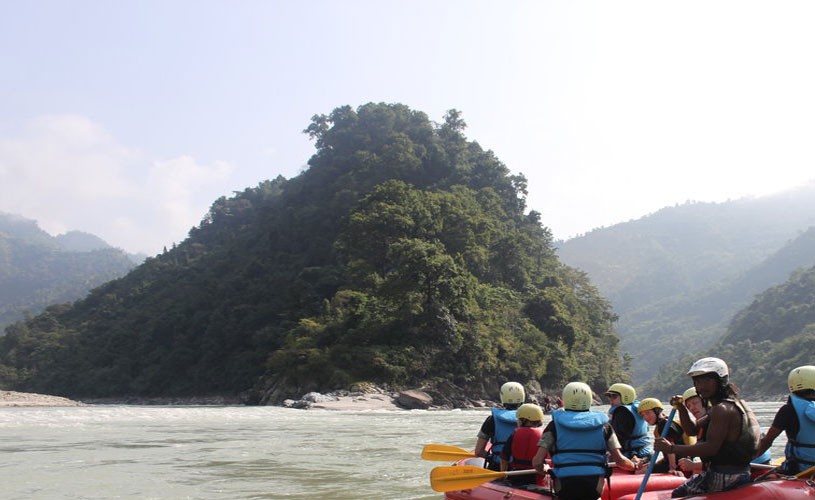
Seti River Rafting 2 Days

Trip Facts

  • Duration 2 Days
  • Difficulty Level 2/3+ in summer
  • Destination Nepal
  • Transportation Tourist Bus, Car/Van(Depending on the size of the group)
  • Activity White water Rafting
  • Best Season Spring & Autumn
  • Group Size Mini. 2, Max. 16 People
  • Trip Start/End Daumauli/ Gaighat
  • Max Altitude 1,000 m/3,300 ft.

Seti River Rafting from Kathmandu or Pokhara to Chitwan

The 2-day Lower Seti River rafting trip in Nepal is one of the best short river adventures for travelers seeking a calm, scenic, and family-friendly experience.

Flowing from the Pokhara region toward Chitwan, the Lower Seti River is known for its gentle rapids, warm water, riverside camping, and peaceful countryside. This trip is ideal for beginners, families, students, and anyone looking for a relaxing white-water rafting experience in Nepal.

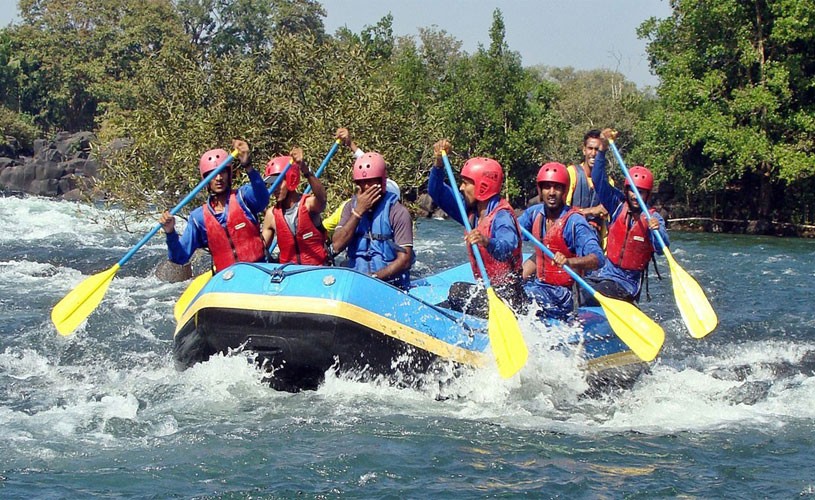
Unlike Nepal’s more challenging rivers, the Lower Seti offers a softer rafting adventure with easy rapids and long stretches of calm water. This makes it perfect for first-time rafters or travelers who want to enjoy Nepal’s natural landscapes without extreme difficulty.

Along the river, you will pass green forests, waterfalls, sandy riverbanks, open farmland, and quiet villages, creating a refreshing journey through rural Nepal.

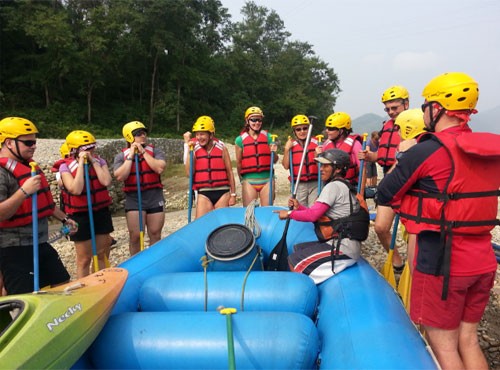
The rafting trip begins with a short drive from Pokhara to the rafting starting point. Upon arrival, professional river guides provide a detailed safety briefing, paddle instructions, and all necessary rafting equipment, including life jackets, helmets, paddles, and waterproof gear. This ensures a safe and enjoyable rafting adventure for everyone.

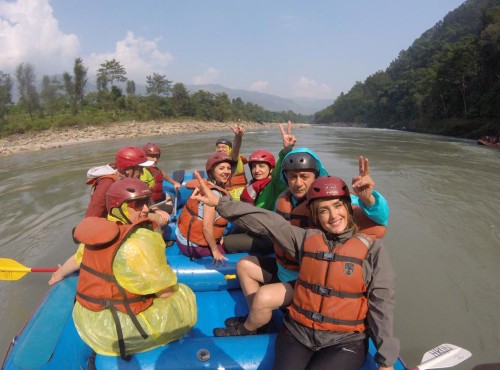
The first day of rafting is gentle and scenic, with calm rapids and warm water. Rafters enjoy views of traditional villages,green hills, forested sections, and small waterfalls along the riverbank.

By late afternoon, the group reaches a riverside camp, where travelers can relax, enjoy dinner, and spend the night in tents beside the river. Camping on the Lower Seti provides a unique opportunity to experience Nepal’s natural beauty up close, with the sounds of the river and stars overhead.

On the second day, rafting continues downstream through more easy rapids and peaceful river sections. The scenery includes river valleys, farmland, riverside villages, and occasional small waterfalls, offering plenty of photo opportunities.

The trip usually ends near Chitwan, where travelers can continue by road to Pokhara, Chitwan National Park, or other destinations in Nepal. The combination of calm rapids, scenic landscapes, and riverside camping makes this trip one of the best short rafting adventures in Nepal.

The Lower Seti River is generally classified as Class I to II, making it suitable for beginners and families. Rapids such as small waves and gentle drops provide a fun but safe white-water experience. The river flow varies with the season, but it remains accessible throughout the year.

The best time for Lower Seti River rafting is during spring (March–May) and autumn (September–November), when the weather is warm, skies are clear, and water levels are ideal. Even during winter, rafting is possible with proper clothing, while monsoon season brings higher water levels for slightly more challenging conditions.

Why Choose Lower Seti River Rafting Nepal?

Lower Seti River rafting is perfect for travelers looking for a short, safe, and scenic adventure. It is especially suited for beginners, families, and those seeking light adventure combined with riverside camping.

With easy river access, gentle rapids, and beautiful natural surroundings, this 2-day rafting trip offers unforgettable memories of Nepal’s countryside and river life.

Whether you are traveling from Kathmandu to Pokhara, combining the trip with a Chitwan jungle safari, or exploring Nepal’s scenic rivers, the Lower Seti River rafting experience is a must-do adventure for anyone looking to enjoy nature, calm rapids, and family-friendly fun in Nepal.

Key Information about Rafting

River Name: Seti River
River Grade: II+ / III+
Depart From: Kathmandu or  Pokhara
Rafting put-in point: Damauli
Rafting ending point: Gaighat
Return Location: Kathmandu / Chitwan / Pokhara

Seti River Rafting and Chitwan Safari Combination

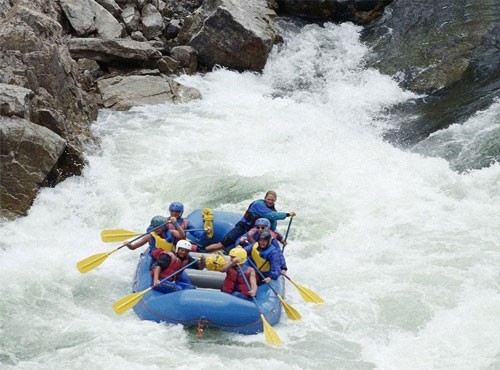
Combine Seti River rafting with a Chitwan wildlife safari for an unforgettable Nepal adventure. Start from Pokhara with an exciting whitewater rafting trip on the Seti River, featuring scenic riverbanks, Class III to IV rapids, professional guides, and full safety briefings. This trip is suitable for families, honeymooners, and adventure lovers.

After rafting, continue to Chitwan National Park for a classic jungle safari experience. Activities may include jeep safaris, canoe rides on the Rapti River, early morning birdwatching, and opportunities to see one-horned rhinoceros, deer, crocodiles, and even tiger tracks.

This multi-day Nepal tour also offers a cultural side, with visits to Tharu villages, traditional cultural dance programs, and authentic local cuisine. The trip is best enjoyed in autumn and spring, when river conditions are favorable and wildlife viewing is at its best. Choose a reliable operator for smooth transfers, experienced rafting staff, park permits, and comfortable lodge or jungle bungalow accommodation. Enjoy a perfect blend of adventure, wildlife, and culture in Nepal.

Additional Information 

Season/MonthsDifficulties/GradeWater volume
September - DecemberivApprox. 300 cumecs
January - Mayiv-Approx. 200 cumecs
June - AugustIv+Approx. 450 cumecs


Itinerary

+ Expand All- Collapse All

Before leaving for Dmauli we meet at your hotel. We have two options to go to Damauli. Either we can take a 30-minute scenic flight to Pokhara and a 1-hour drive to Damlai, or we drive in a luxurious tourist Bus/van for 5 hours. Upon arriving Damauli crew members welcome us and brief us about safety measures. After the safety talk we, wear necessary safety equipment and commence paddling downstream. At the very first step, we meet grade III rapid then pass the smooth curve. Raft master also helps you paddle. After a bend, we raft on clear water between dense forests echoed by twittering birds. In between, we loosen ourselves and take some photos of the beautiful scenery. After four hours of rafting, we reach to Sarang Ghat, where we set up the tent for today. After loosening our self we walk around the beach, have a short forest walk, and play games on the sand beach. In the evening we enjoy a campfire, barbeque, drinks, and signing-dancing with the fellow rafter. Overnight in camp.

  • AccommodationTented Camp
  • MealsLunch and Dinner

After breakfast, we continue to paddle downstream in relatively more rapid currents than yesterday as the river goes flows steeply and meets three confluences of a small stream. After 1 hour we encounter extreme current nearby debris of a landslide which requires attention and technique. Today we raft in peaceful and tranquil surroundings with echoes of birds' songs and ripples and triples of water until we reach the confluence of Trisuli and Seti Gandaki River in Gaighat.

After Gaigaht, we raft in a high level of water for half an hour and move over to the shore. After that, we will either drive to Bharatpur airport for flying back to Kathmandu or drive via Mugling-Kathmandu road for 5 hours to reach Kathmandu.

  • AccommodationBreakfast
  • MealsBreakfast and Lunch

Note: Your safety is of the utmost concern whilst you are traveling with Adventure Club Trek. We will make every effort possible to follow the original itinerary but we reserve the right to change that itinerary if a segment of it becomes a safety issue. Certain mountain regions are remote, natural disasters can happen, weather conditions can decline and there can be illnesses or injuries. To avoid dangerous situations we may occasionally have to make changes to the itinerary to ensure everyone’s safety. That having been said, Adventure Club Trek will strive to provide you with the best possible trekking experience and to keep your safety our number one priority. We thank you for your understanding.

Cost Details

Price Includes

  • Experience licensed Raft guide and supporter.
  • Necessary equipment, high-quality self-bailing rafts, life jackets, helmets, and paddles
  • Full board meals with hot drinks
  • First aid medical kits.
  • Tented camps in Riverside
  • Kitchen crew and tents.
  • All necessary paperwork, and permits.
  • Ground transportation by  tourists bus/van
  • Safety kayaker.
  • Government Tax

Price Excludes

  • Hotel accommodation in Kathmandu and Pokhara 
  • Lunch and evening meals in Kathmandu and Pokhara 
  • Personal expenses (alcoholic drinks, bottled water, cold drinks)
  • Personal travel insurance and medical bills
  • Accommodation in Kathmandu
  • Personal clothing and equipment
  • Tips for guides, porters, and drivers (tipping is expected, but it is not mandatory)

Useful Info

Best Time for River Rafting

The best time to enjoy Seti River rafting in Nepal is during spring and autumn, especially from March to May and September to November. During these months, the weather is pleasant, the river flow is favorable, and the overall rafting experience is more comfortable and enjoyable.

Spring is often considered the ideal season for rafting because the weather is warm and clear, with blooming flowers and beautiful natural scenery along the river. Autumn is also an excellent time, offering stable weather, clear skies, and smooth rafting conditions.

There are certain times of the year when rafting is less suitable. During the monsoon season, the water level rises significantly, which can make the river more difficult and less safe for rafting. In winter, the water becomes quite cold, which may make the trip less comfortable.

The Seti River is generally graded Class II to III, making it suitable for beginners, families, and experienced rafters. Its gentle to moderate rapids, combined with beautiful surroundings, also make it a great place for those interested in learning kayaking.

What to Bring for the Rafting 

  • Shorts or knee-length pants
  • T-shirts
  • Quick-dry long-sleeve shirts, preferably polypropylene
  • Track pants or other comfortable long pants
  • A warm fleece and waterproof jacket for cooler weather
  • Pajamas or comfortable sleepwear
  • Swimwear for water activities
  • A warm hat for colder months
  • Sport sandals or water-friendly shoes that fit securely
  • Optional lightweight shoes, as heavy boots are not necessary
  • Travel towel
  • Sunscreen and lip balm
  • Mosquito repellent
  • Water bottle
  • Headlamp or flashlight with extra batteries
  • Personal toiletries
  • A basic personal first aid kit
  • Sleeping bag, though complimentary rental is available if needed
  • A small amount of cash for snacks, tips, or photos from a local photographer

Wildlife and Natural Environment Around the Seti River

The Seti River area is known for its rich natural surroundings and diverse habitat. The region supports a variety of birdlife, including species such as the red-headed vulture and the colorful Danphe, which adds to the beauty of the landscape. The wider forested area is also home to wildlife such as rhesus monkeys, sloth bears, pangolins, bats, and other native animals, along with reptiles and amphibians. The vegetation around the river is equally impressive. Forests in the region include trees such as Sal and Semal, along with bamboo, mimosa, jasmine, and other dense plant life. This mix of river, forest, and wildlife makes the Seti River area more than just a rafting destination. It is also a valuable natural environment that deserves careful protection and respect.

Fitness Level Required for Seti River Rafting

Seti River rafting usually requires only a basic level of fitness, especially on easier sections suitable for beginners. Participants should feel generally comfortable in and around water and be able to follow guide instructions during the trip. For more active sections such as the Upper Seti, a stronger paddling ability and better physical condition are recommended.

Simple preparation before the trip can be very helpful. Swimming, light cardio exercise, and basic endurance training can improve confidence and make paddling easier. You do not need to be an athlete, but being physically prepared helps you enjoy the rafting experience more safely and comfortably.

Age Restrictions and Participation Guidelines

Age limits for Seti River rafting may vary depending on the river section, season, and operator policy. In many cases, the recommended minimum age is around 12 years, although younger children may be allowed when water conditions are suitable and they are comfortable in the water. All participants should be provided with properly fitting life jackets and helmets. Rafting may not be suitable for everyone. Pregnant women and people with certain health conditions are usually advised not to join. Weather, river flow, and overall physical condition can also affect whether a person is eligible to participate. For safety reasons, alcohol should never be consumed before the trip.

Medical Advice Before Joining the Trip

Before taking part in Seti River rafting, it is important to consider your general health. Travelers should ideally have travel insurance that covers rafting and emergency evacuation, especially for adventure activities in Nepal. This helps reduce stress and provides extra protection in case of an unexpected problem. People with serious medical concerns should speak with a doctor before rafting. Those with heart problems, major back issues, pregnancy, or other critical health conditions should avoid the trip unless they have clear medical approval. A little preparation in advance can help ensure a safer and more enjoyable river adventure.

Safety Measures on Seti River Rafting Trips

Safety is one of the most important parts of any Seti River rafting experience. Trips should be led by experienced and certified rafting guides who understand river conditions and are trained in whitewater guiding, swift water rescue, and first aid. Their knowledge plays a major role in making the trip safe, organized, and enjoyable. Before rafting begins, all participants should receive a full safety briefing with instructions on paddling, boat position, commands, and emergency response. Wearing quality helmets and life jackets is essential throughout the trip. Some operators also provide safety kayakers for additional support. Listening carefully to your guide is one of the easiest and most important ways to stay safe on the river.


FAQs

  • Q1. What is the best time of year for Seti River rafting in Nepal?

    The best time for a 2-day Seti River rafting trip is spring (March to May) and autumn (September to November). During these months, the weather is pleasant, the river is more stable, and visibility is usually clear. Monsoon brings stronger water flow, while winter offers calmer conditions but cooler temperatures.

  • No previous rafting experience is usually required for a 2-day Seti River rafting trip. This river is often suitable for beginners on many sections, and trained guides provide full safety instructions before rafting starts. First-time rafters can usually join comfortably as long as they listen carefully and follow the guide’s commands.

  • Yes, age restrictions may apply depending on the rafting company, river conditions, and the type of trip. In general, children can join if they meet the minimum age requirement and are in good health. Parents should always check with the operator in advance, especially during high-water seasons or family departures.

  • You should wear light, comfortable, and quick-drying clothes such as shorts, swimwear, or a sports T-shirt. Avoid heavy cotton clothing because it stays wet and uncomfortable. Secure sandals or water shoes are best for the river. Bring warm layers for the evening if your trip includes an overnight camp or lodge stay.

  • Most rafting operators provide the main safety gear, including a helmet, life jacket, paddle, and raft. You should bring your own personal items, such as a towel, sunscreen, dry clothes, toiletries, a flashlight, a reusable water bottle, and any medication you need. Waterproof packing is always useful during rafting and overnight stops.

  • Yes, many non-swimmers can join Seti River rafting if they are comfortable around water and follow safety instructions carefully. A proper life jacket is provided, and guides explain what to do in calm water and rapids. It is important to tell the guide in advance if you cannot swim or feel nervous in water.

  • Travel insurance is strongly recommended for rafting in Nepal. It is best to choose a policy that covers adventure activities, medical treatment, and emergency evacuation. Although Seti River rafting is often beginner-friendly, insurance gives extra peace of mind if there is injury, illness, weather disruption, or any unexpected change during the trip.

  • It is best not to carry unnecessary valuables during a rafting trip. Items such as passports, jewelry, large amounts of cash, and expensive electronics should be left safely at your hotel or with secure storage if available. If you must carry something important, place it in a properly sealed waterproof dry bag.

  • If the weather becomes unsafe, the rafting company may delay, shorten, reroute, or cancel the trip. Safety always comes first on the river. Light rain usually does not stop rafting, but strong storms, dangerous water levels, or poor visibility may affect operations. Reputable operators will explain the safest option based on conditions.

  • Yes, you can bring a camera or smartphone, but only if it is waterproof or protected in a strong waterproof case. River water, splashes, and sudden movements can easily damage electronics. Many people prefer to leave their phones in a dry bag and use them only during breaks or at the overnight stop.

  • Yes, tipping rafting guides is common in Nepal and is usually appreciated when you are happy with the service. It is a simple way to thank the guides, safety kayakers, support crew, and camp staff for their effort. The amount depends on your satisfaction, trip length, and the overall level of service provided.

  • Many rafting companies offer group discounts for families, student groups, friends, clubs, and corporate teams. The final rate usually depends on the number of participants, transport type, accommodation style, and season. If you are traveling with a larger group, it is worth asking for a custom package price instead of a standard per-person rate.

  • Most rafting guides in Nepal speak English and Nepali, and many are used to working with international travelers. Some operators may also have staff who can speak other languages, depending on the group and availability. For special language needs, it is best to request this in advance at the time of booking.

  • The maximum group size depends on the rafting company, number of rafts, and river conditions. Larger groups are usually divided into several rafts for better balance, comfort, and safety. This also helps guides manage the trip more efficiently. We prefer small and medium-sized groups, which are common for a more personal and organized rafting experience.

  • Yes, visitors should respect both nature and local culture during the trip. Do not leave trash by the river, avoid single-use plastic when possible, and follow instructions about campsite cleanliness. It is also important to behave respectfully around local villages, communities, and religious places you may pass during the rafting journey.

  • There is usually no fixed weight restriction for Seti River rafting, but participants should be able to wear safety gear properly and sit comfortably in the raft. Fitness, mobility, and overall health are often more important than exact weight. If you have concerns, it is always best to ask the rafting company in advance.

  • Some rafting departures require a minimum number of participants, especially for shared group trips. However, many operators can still arrange a private trip for solo travelers, couples, or small groups at a different price. It is always helpful to confirm the departure policy, especially if you plan to travel in the low season.

  • Yes, there are often chances to swim during calm and safe sections of the river, depending on the guide’s decision and water conditions. Swimming breaks are usually allowed only when the current is gentle and the area is suitable. Always follow the crew’s instructions, as the river can change quickly from calm to fast-moving.

  • During a 2-day Seti River rafting trip, you may see river birds, fish, forest vegetation, and quiet countryside wildlife along the banks. The exact sightings depend on the season and location, but birdlife is often one of the highlights. The trip is more about scenic natural beauty than large wildlife encounters.

  • The rafting route is mainly known for natural scenery, riverside villages, farmland, and peaceful countryside landscapes. While it is not focused on major heritage monuments, you may still experience local culture through village life, traditional houses, local food, and interactions during transfers or overnight stops near the river or nearby settlements.

  • Some rafting operators offer photo or video services, while others do not include them in the package. It depends on the company, trip type, and staffing. If you want professional photos of your rafting experience, ask in advance whether the service is available, included in the cost, or offered for an additional charge.

  • Most 2-day Seti River rafting packages include the main trip cost, such as rafting gear, guide service, meals, and standard accommodation. However, extra charges may apply for private transport, drinks, photography, upgraded lodging, or special requests. It is always a good idea to ask for a clear list of inclusions and exclusions.

  • Yes, solo travelers can usually join a scheduled group departure if space is available. This is a common option for travelers who want to enjoy rafting without organizing a private group. If no shared trip is running on your date, the operator may offer a private departure or suggest another date with confirmed participants.

  • Pets are generally not allowed on rafting trips for safety, hygiene, and practical reasons. The river environment, transport, overnight camping, and rafting operations are usually not suitable for animals. If you are traveling with a pet, it is best to make separate arrangements before the trip rather than bringing the animal to the river.

  • In case of an emergency, the rafting guide and safety team follow standard river rescue procedures. Most trained guides know first aid, rescue techniques, and emergency communication methods. Before the trip starts, they explain what to do if someone falls into the water. Good operators also have evacuation plans if medical help becomes necessary.s.

  • Yes, every proper rafting trip begins with a safety briefing and basic training session. The guide explains how to sit in the raft, hold the paddle, follow commands, and respond during rapids or unexpected situations. This training is especially helpful for beginners and is an important part of making the trip safe and enjoyable.

  • Yes, many operators can customize the trip if you are booking privately or traveling with a group. You may be able to adjust transport, meal plans, accommodation style, trip timing, or combine rafting with Chitwan, Pokhara, or other destinations. Custom trips are useful for families, photographers, and travelers with special interests or schedules.

  • Yes, you should keep personal items to a minimum during rafting. Avoid bringing valuables, fragile electronics, large bags, or anything that can fall into the river easily. Essential items should be packed in waterproof protection. Travel light, because simple packing makes the trip safer, more comfortable, and easier to manage on the river.

Similar Trips

Ask a Question

Sign up for our newsletter

Drop Us a Message