Trishuli River Rafting -1 Day

Trip Facts

  • Duration 1 Days
  • Difficulty Level 2/3+ in summer
  • Destination Nepal
  • Transportation Tourist Bus, Car/Van( Depending on the size of the group)
  • Activity White water Rafting
  • Best Season Spring & Autumn
  • Group Size Min.2, max. 16 People
  • Trip Start/End Charaudi/Fishling
  • Max Altitude 170m/600ft

Highlights

  • Scenic drive: Enjoy the beautiful drive up to the Trishuli River's starting point.
  • Pro Guide: Before rafting, get safety tips from experienced guides.
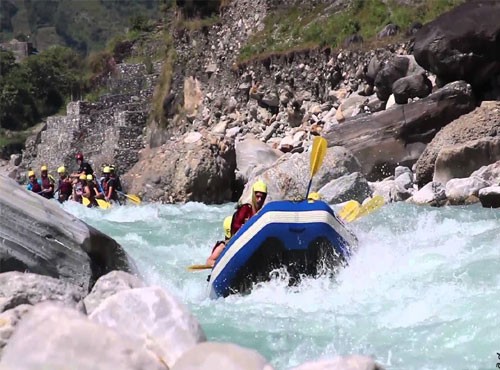
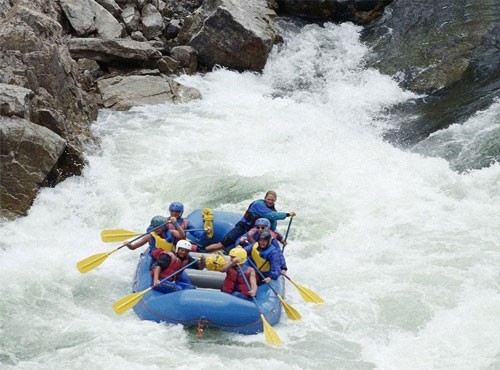
  • Rapids of all Levels: Experience thrilling Class III and Class IV rapids.
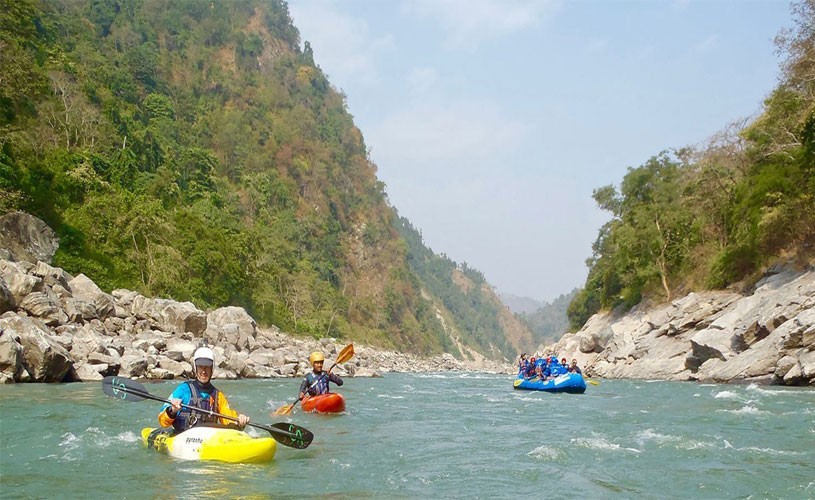
  • Nature: Enjoy the breathtaking scenery of the Trishuli River with its waterfalls and Himalayan views.
  • Riverbank lunch: Enjoy a delicious lunch on the riverbank to give you energy for your rafting trip.
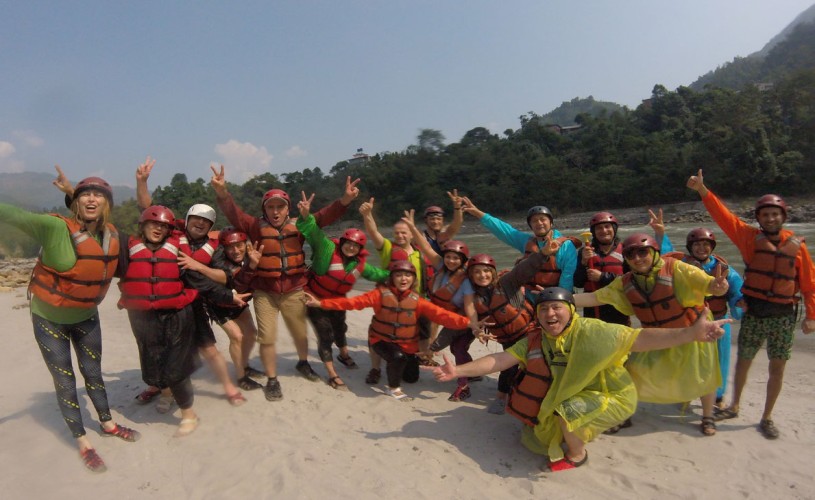
  • Relax and Swim: Take a break to swim and relax on the sandy riverbanks.
  • Wildlife spotting: Keep an eye out for native birds and fauna along riverbanks.
  • Cultural Interaction: Meet local communities and villages on the rafting trip.
  • Rafting is a great way to build teamwork with friends, family, and colleagues.
  • Memorable rapids: For lasting memories, conquer rapids such as "Upset," “Surprise,” and "Ladies' Delight."

Trishuli River Rafting: Most Popular White Water Adventure

Trishuli River rafting is one of the most popular adventure activities in Nepal and one of the best ways to experience whitewater rafting close to Kathmandu. Located between Kathmandu, Pokhara, and Chitwan, the Trishuli River is easily accessible and perfect for travelers looking to add a short adventure to their journey. 

Many travellers choose a one-day rafting trip from Kathmandu or enjoy rafting while travelling by road between Kathmandu and Pokhara. Because of its convenient location and exciting rapids, the Trishuli River is considered one of the best rafting rivers in Nepal for beginners and adventure lovers alike.

The rafting experience on the Trishuli River offers a fun mix of thrilling rapids, calm floating sections, and beautiful natural scenery. As the raft moves downstream, travelers pass green hills, terraced farmland, forested slopes, sandy riverbanks, and small rural villages.

Trishuli rafting is generally suitable for beginners because the rapids are usually graded between Class II and Class III, depending on the season and water level. 

This level of difficulty provides enough excitement without being too extreme. It is a great choice for first-time rafters, students, couples, families with older children, and travelers who want to try rafting in Nepal for the first time. Even experienced rafters often enjoy the river because of its lively rapids and beautiful surroundings.

A typical Trishuli River rafting trip lasts around three to four hours on the water and usually covers a distance of about 13 to 20 kilometers, depending on the rafting section and starting point. 

Popular starting locations include Charaudi, Fishling, and Malekhu, which are all located along the Prithvi Highway connecting Kathmandu and Pokhara. Because of this route, many travelers stop for rafting during their journey between the two cities. The trip is also easy to combine with other popular destinations such as Pokhara, the Annapurna trekking region, or Chitwan National Park for a jungle safari.

Safety is an important part of every rafting trip. Professional rafting guides begin the adventure with a detailed safety briefing and clear paddle instructions before entering the river. 

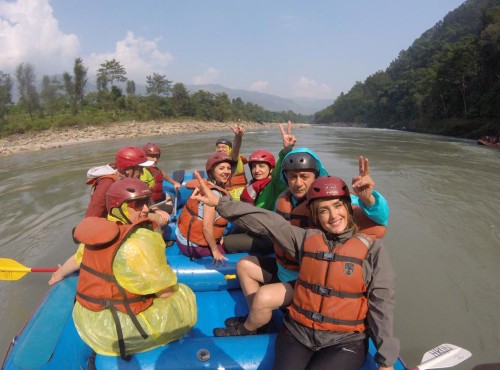
Standard rafting equipment, such as helmets, life jackets, paddles, and inflatable rafts, is provided. During calmer sections of the river, participants often enjoy swimming, relaxing on the raft, and watching the scenery pass by.

For travelers looking for a short but exciting outdoor activity, Trishuli River rafting is an excellent choice. It offers a perfect balance of adventure, scenery, and accessibility, making it one of the most popular rafting experiences in Nepal. 

Whether you are traveling between Kathmandu and Pokhara, heading toward the Annapurna trekking region, or visiting Chitwan National Park, a Trishuli rafting trip can turn a simple travel day into a memorable Himalayan adventure.

Rafting Grade & Difficulty

  • Grade: II to III+ (moderate, with some more challenging rapids such as Bijuli and Monsoon)
  • Best for: Beginners, families, and intermediate rafters
  • Challenges: Fast-flowing currents, technical rapids, and occasional large waves

Rafting starts and ends at the points. 

  • Start Point: Charaudi Red House (81 km from Kathmandu)
  • Rafting Ending Point: River Fun Beach Resort (Kurnighat)/Gaighat

Duration & Rafting Time

  • Standard Trip: 1 to 3 days (the 1-day rafting trip is the most popular)

  • Rafting Distance: 22 to 46 km (depending on the starting point)

  • Rafting Time: 3 to 4 hours on the river

River Level & Water Conditions

  • Low Season (Winter): Gentler rapids (Grade II), suitable for first-time rafters
  • Peak Season (Spring/Autumn): Stronger currents (Grade III), more exciting and adventurous
  • Monsoon Season: High water levels (Grade III to IV), with more powerful and demanding rapids

What to Expect on a One-Day Trishuli River Rafting Trip

A one-day Trishuli River rafting trip is one of the most popular short adventure activities in Nepal and a perfect choice for travelers who want to experience white-water rafting near Kathmandu in a limited time. The journey usually begins around 7:00 AM with a scenic three-hour drive (about 81 km) from Kathmandu to Charaudi, the main rafting starting point along the highway connecting Kathmandu,Pokhara, and Chitwan. The drive offers beautiful views of green hills, riverside landscapes, and small rural villages.

At Charaudi, experienced and certified rafting guides welcome the group and provide a short safety briefing and paddle training. All essential rafting equipment, including life jackets, helmets, paddles, and inflatable rafts, is provided. This preparation makes Trishuli River rafting safe and enjoyable for beginners, families, students, and adventure lovers.

The rafting adventure then begins on the lively Class II to Class III+ rapids of the Trishuli River. The first section lasts about two to two and a half hours and passes through beautiful scenery, including terraced farmland, forested hills, sandy riverbanks, and traditional Nepali villages. After a short riverside break with light snacks, the rafting continues for another one to one and a half hours through a mix of fun rapids and calm floating sections.

The trip usually ends at Kurnighat, where travelers can enjoy lunch before driving back to Kathmandu or continuing their journey toward Pokhara or Chitwan National Park, making it an ideal rafting day trip between Kathmandu and Pokhara.

River wear gear:

  • Shorts—half pants
  • T-shirts (long sleeve for sun protection)
  • swimwear
  • Sun Cap/Glass/Cream
  • personal water bottle
  • a pair of river sandals

The difficulties/grades and water volume levels vary, determined according to the season you wish to raft. Please take a look below. 

Season/MonthsDifficulties/GradeWater volume
September - DecemberivApprox. 300 cumecs
January - Mayiv-Approx. 200 cumecs
June - AugustIv+Approx. 450 cumecs

To Book Your Trip:

For 24/7 direct assistance, call Mr. Birendra at +977-9851025658 (WhatsApp and Viber).

You can also email us at [email protected]

For instant booking, click the "Book Now. or  Contact Us
Itinerary

+ Expand All- Collapse All

We will start the early drive at 7 am from Kathmandu to Charaudi, where we will be rafting. After leaving Kathmandu Valley, we will drive on a winding road along the Prithvi Highway to the starting point of our adventure. On the way, we will stop for breakfast, then drive to the location and prepare for our exciting rafting adventure over the Trisuli River. We are advised to change into more comfortable clothing that is water-friendly. There will be a briefing of 20 minutes before we enter the river to raft. This includes safety tips and where we can safely swim or cliff jump during the tour. The trip ends at Kuringhat, which is located 22 km from the starting point. Optionally, the trip can be extended to Gaighat (46 km from the starting point). We will finish the trip with lunch and then leave for Kathmandu, Pokhara, or Chitwan National Park around 3.00 pm

Starting point: Charaudi Red House 81 km from Kathmandu

Rafting Ending Point: River Fun Beach Resort (Kurnighat)/Gaighat

Rafting Distance: 22 KM /46 KM

River Grade: 3 +

Travel Distance:81 km

Driving: 3 - 3.5 hours
  • AccommodationN/A
  • MealsLunch

Note: Rafting in Trishuli River lasts for 3 days, and you can camp on the beach with a barbecue overnight. If you want to experience a fantastic one-day rafting trip in the Trishuli River, contact us to book. For more information, send us an inquiry.

Cost Details

Price Includes

Transportation: Tourist bus transportation to and from the river is included. For groups of more than 12 people, private transportation from Kathmandu and back will be provided.

Experienced Staff: All trips are led by highly trained and licensed river guides, supported by professional safety kayakers. The team speaks English and holds current first aid qualifications.

Meals: Lunch during the rafting

Rafting and Kayaking Equipment: All necessary rafting gear is included, such as life jackets, helmets, dry tops, throw bags, dry bags, Pelican boxes, paddles, and other safety equipment.

Porters: Porter support is included for carrying equipment to and from the resort.

River Permits: All required rafting and kayaking permits for the river are included.

Gear Raft Support: A separate support raft carries extra gear and equipment during the trip.

Medical Kit: An extensive medical kit is carried for emergency use.

Price Excludes

  • Hotel accommodation in Kathmandu and Pokhara 
  • Lunch and evening meals in Kathmandu and Pokhara 
  • Personal expenses (alcoholic drinks, bottled water, cold drinks)
  • Personal travel insurance and medical bills
  • Personal clothing and equipment
  • Tips for guides, porters, and drivers (tipping is expected, but it is not mandatory)

Useful Info

Packing List for Trishuli River Rafting

Preparing the right rafting packing list helps you stay comfortable, safe, and ready to enjoy your white-water adventure. Here are the essential items to bring for a Trishuli River rafting trip in Nepal.

Comfortable Clothing

Wear lightweight, quick-drying clothes such as sportswear or synthetic shirts and shorts. These materials dry fast and allow easy movement while paddling.

Swimwear

Bring a swimsuit or clothes that can get wet. During rafting, splashes from the river are common, and many travelers also enjoy swimming in calm sections.

Water Shoes or Sandals:

Wear sturdy water shoes, river sandals, or sports sandals with good grip. They help you walk safely on slippery river rocks and maintain balance on the raft.

Sun Protection:

The sun can be strong on the river. Pack sunscreen, a hat, and sunglasses with a strap to protect your skin and eyes during the rafting trip.

Reusable Water Bottle

Staying hydrated is important during rafting. Bring a refillable water bottle because paddling under the sun can be physically demanding.

Towel and Extra Clothes:

Carry a small towel and a dry set of clothes to change into after rafting. Fresh clothes will feel comfortable after spending hours on the river.

Personal Hygiene Items:

Bring basic personal items such as a toothbrush, toothpaste, hand sanitizer, and any personal medication you may need during the trip.

Small First Aid Kit:

A simple kit with band-aids, antiseptic wipes, and basic pain relief medicine can be useful for minor cuts or small aches.

Waterproof Camera or Phone Case:

If you want to capture your adventure, carry a waterproof camera or waterproof phone pouch to keep your device safe from splashes.

Energy Snacks:

Pack light snacks such as nuts, chocolate, or dried fruits to maintain energy during the rafting adventure.

ID and Some Cash:

Carry a valid ID and a small amount of cash for personal expenses, snacks, or drinks during the trip.

Who Can Join Trishuli River Rafting?

Trishuli River rafting is open to many types of travelers. Whether you are a beginner, an adventure lover, or a tourist with limited time, this exciting activity is a good choice for many people.

Beginners and Families

Trishuli River is a good option for beginners and families who want to try rafting for the first time. The Class II to III rapids offer a safe and enjoyable level of excitement for first-time rafters. The calm sections give people time to build confidence and enjoy the natural surroundings without fear. Professional guides are always there to provide safety and instructions, making it a good introduction to rafting. Children aged 10 and above can usually join with their families, so it can also be a fun family activity.

Adventure Lovers

Experienced rafters can also enjoy Trishuli River. The river has exciting rapids such as Snail’s Nose, Monkey Fast, and Pinball Rapid, which add more thrill to the trip. One of the good things about this river is that it has both easy and more active sections, so beginners and experienced rafters can enjoy the same journey together. During the monsoon season, the water level rises and the rapids become stronger, making the trip more exciting for adventure seekers.

Travellers with Limited Time

For travellers with little time, Trishuli River rafting is one of the best short adventure activities in Nepal. The rafting usually lasts about 4 to 5 hours and can be completed in one day. The river is also only about three hours from Kathmandu, which makes it a practical choice for people who want adventure without changing their travel plan too much. No matter your experience level, Trishuli River rafting offers a fun and refreshing experience for many kinds of travelers.

When is the Best Time for Rafting

The right season can make your Trishuli River rafting trip even better. Weather, temperature, and water level all affect the rafting experience.

Dry Season (October to May)

This is the best time for a more relaxed and scenic rafting trip. The river has moderate rapids, which are ideal for beginners and families. The weather is usually clear and pleasant. Spring from March to May brings warmer days and blooming flowers, while autumn from September to November offers fresh air and beautiful golden views.

Monsoon Season (June to August)

This season is best for adventure lovers who want stronger rapids and faster water. Heavy rain makes the river more powerful and challenging. It can be an exciting experience, but it is not the best time for beginners. Rafting during monsoon needs extra care and should always be done with experienced guides.

Winter Season (December to February)

Winter rafting is quieter and more peaceful. The river is usually calmer, and the rapids are less demanding. However, the weather can be cold, and the water feels very chilly, especially in the morning and evening. For those who do not mind the cold, it can still be a beautiful rafting experience.

Rafting Experience on the Trishuli River

The Trishuli River rafting trip is one of the most popular white-water adventures in Nepal. The river offers a mix of exciting rapids, calm floating sections, and beautiful natural scenery. Because of this balance, it is suitable for first-time rafters as well as experienced adventure travelers.

The rafting journey passes through scenic river valleys, green hills, terraced farmland, and small riverside villages. Between the rapids, there are peaceful sections where participants can relax, enjoy the landscape, or even swim in the river. This combination of thrilling rapids and relaxing stretches makes Trishuli rafting both fun and accessible.

FAQs

  • Q1. What is the best time for Trishuli River rafting?

    The best time is September to November and March to May, when weather is pleasant and water levels are ideal. Autumn offers warm temperatures and clear skies, while spring brings comfortable conditions and beautiful landscapes. Rafting is possible year-round, though monsoon has stronger rapids, and winter water is colder.

  • Trishuli rafting is moderately easy, with manageable rapids suitable for most healthy travelers. The route combines calm floating sections with fun white-water waves, making it exciting without being overly technical. It is ideal for beginners, students, families, and anyone wanting an introduction to Himalayan river adventures.

  • A 1-day Trishuli rafting trip typically costs USD 35–60 per person, depending on transportation, meals, group size, and services included. Packages from Kathmandu or Pokhara usually cover tourist bus transfers, rafting permits, professional guides, safety equipment, and lunch. Private transport or luxury services may increase the price.

  • Yes, Trishuli River rafting is considered safe for beginners. The river features Grade II–III rapids, which provide excitement without extreme danger when guided by trained professionals. Safety briefings, helmets, life jackets, and rescue procedures are standard. It is one of Nepal’s most recommended rivers for first-time rafters and families.

  • The rafting itself usually lasts 3–4 hours on the water, covering a scenic stretch of the river. Including travel from Kathmandu or Pokhara, the full trip takes an entire day, typically 8–10 hours. Start times are early morning to allow safe completion before evening return.

  • Most operators allow children aged 8 to 10 years and above, depending on river conditions and safety policies. Younger participants must be accompanied by adults and able to follow instructions. During high water levels in monsoon season, the minimum age requirement may be higher for safety reasons.

  • No prior experience is required. Professional guides provide a safety briefing, paddling instructions, and demonstrations before entering the water. Even first-time rafters can participate comfortably. The guide controls navigation while participants paddle as a team, making the experience both safe and enjoyable for newcomers.

  • Wear lightweight, quick-dry clothing such as sportswear, swimwear, shorts, or light pants. Water sandals or secure shoes are recommended. Avoid heavy cotton or denim, which stays wet and uncomfortable. Bring sunscreen, sunglasses with a strap, and a dry change of clothes for after the trip.

  • Most 1-day packages include tourist bus transportation from Kathmandu or Pokhara to the rafting start point and back. Some operators also offer private vehicles for additional cost. Because the river lies between major cities, rafting can easily be combined with onward travel to Pokhara or Chitwan National Park.

  • Yes, Trishuli River is perfectly located between Kathmandu, Pokhara, and Chitwan. Many travelers raft on the way to their next destination instead of returning to Kathmandu. This makes it an efficient and popular stopover adventure during Nepal itineraries.

  • Most packages include a simple riverside lunch after rafting, often served at a local resort or river beach. Meals typically consist of Nepali or international dishes such as rice, curry, vegetables, or noodles. Drinking water and tea are usually provided as well.

  • The water is cool year-round because it originates from Himalayan snowmelt and rainfall. However, at lower altitudes it remains comfortable for rafting, especially during warm seasons. In winter, the water feels colder, but proper gear and sunshine keep the experience enjoyable.

  • Trishuli is the most popular because of its easy access, moderate rapids, scenic countryside, and suitability for beginners. It offers an exciting adventure without requiring multi-day travel or camping. For many visitors, it is the perfect introduction to Nepal’s world-class white-water rafting.

  • The Trishuli River in Nepal has been gauged at Betrawati, which is 600 meters which is 2,000 feet above sea level.

Similar Trips

Ask a Question

Sign up for our newsletter

Drop Us a Message