Take your time exploring the narrow streets and small shops, as they offer a glimpse into everyday life in the Khumbu. If you're purchasing expensive trekking gear, compare prices and quality between a few stores. Even if you don't plan to buy anything, wandering through Namche's lively market is a memorable experience and a wonderful way to connect with the local culture.
Enjoy Fresh Coffee and Local Cuisine at Namche's Cafés and Restaurants
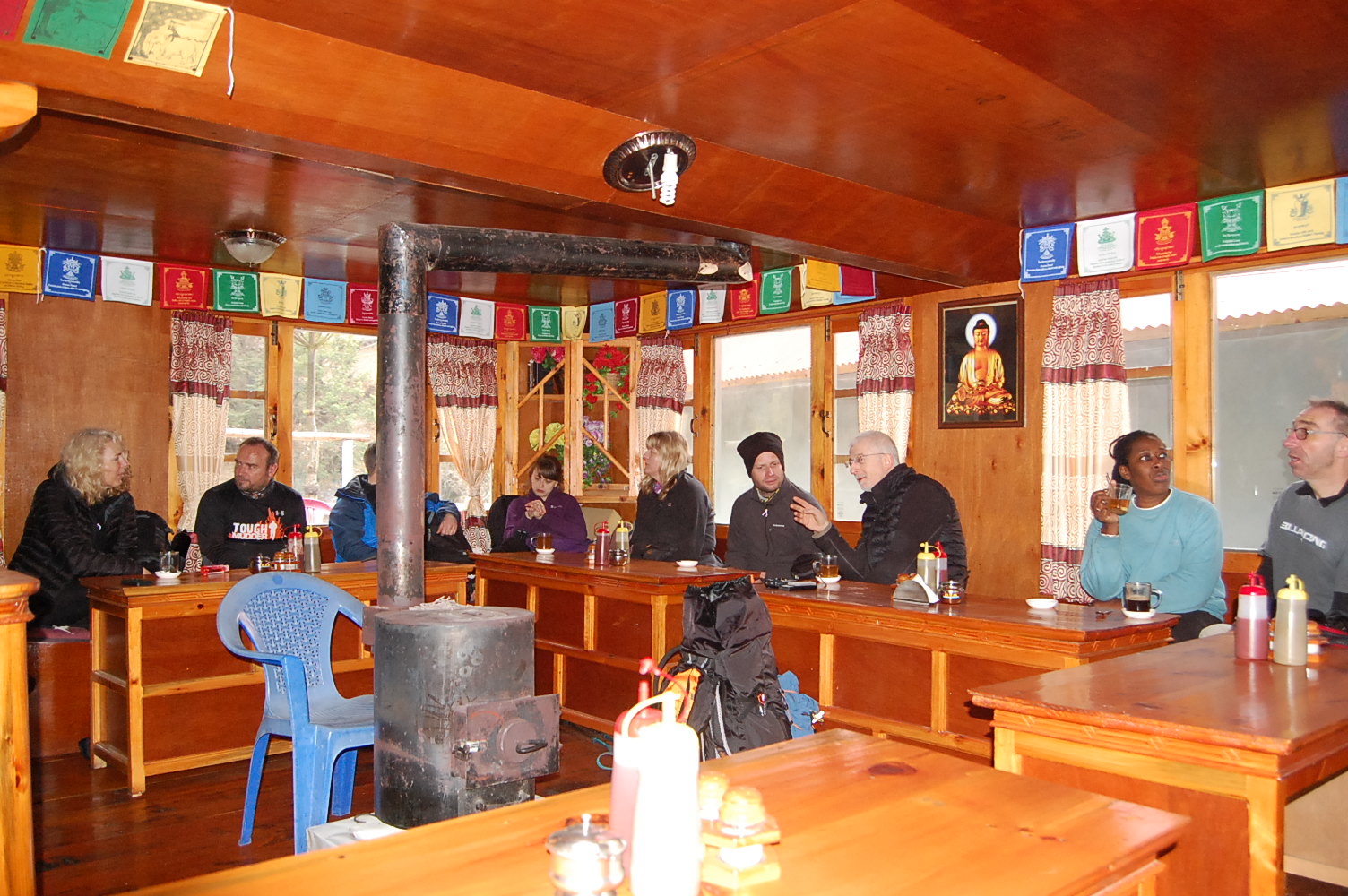
After a day of hiking and sightseeing, there's no better place to relax than one of Namche Bazaar's cozy cafés or restaurants. As the largest village in the Everest region, Namche offers the widest variety of dining options along the Everest Base Camp Trek, ranging from traditional Sherpa kitchens to modern bakeries and coffee shops.
Most restaurants serve a mix of Nepali, Sherpa, Tibetan, and international cuisine. You can enjoy local favorites such as Sherpa stew, dal bhat, momos, thukpa, and yak dishes, or choose familiar meals like pizza, pasta, fried rice, pancakes, and burgers. These hearty meals provide the energy needed for trekking at high altitude.
Namche is also famous for its welcoming cafés, where you can enjoy freshly brewed coffee, homemade cakes, pastries, or a warm cup of hot chocolate while admiring the surrounding Himalayan scenery. In the evenings, a few pubs and bars offer a relaxed atmosphere where trekkers gather to share stories from the trail. If you're acclimatizing, it's best to avoid alcohol and stay well hydrated, as it can slow your body's adjustment to the altitude.
Capture Stunning Photos Around Namche Bazaar
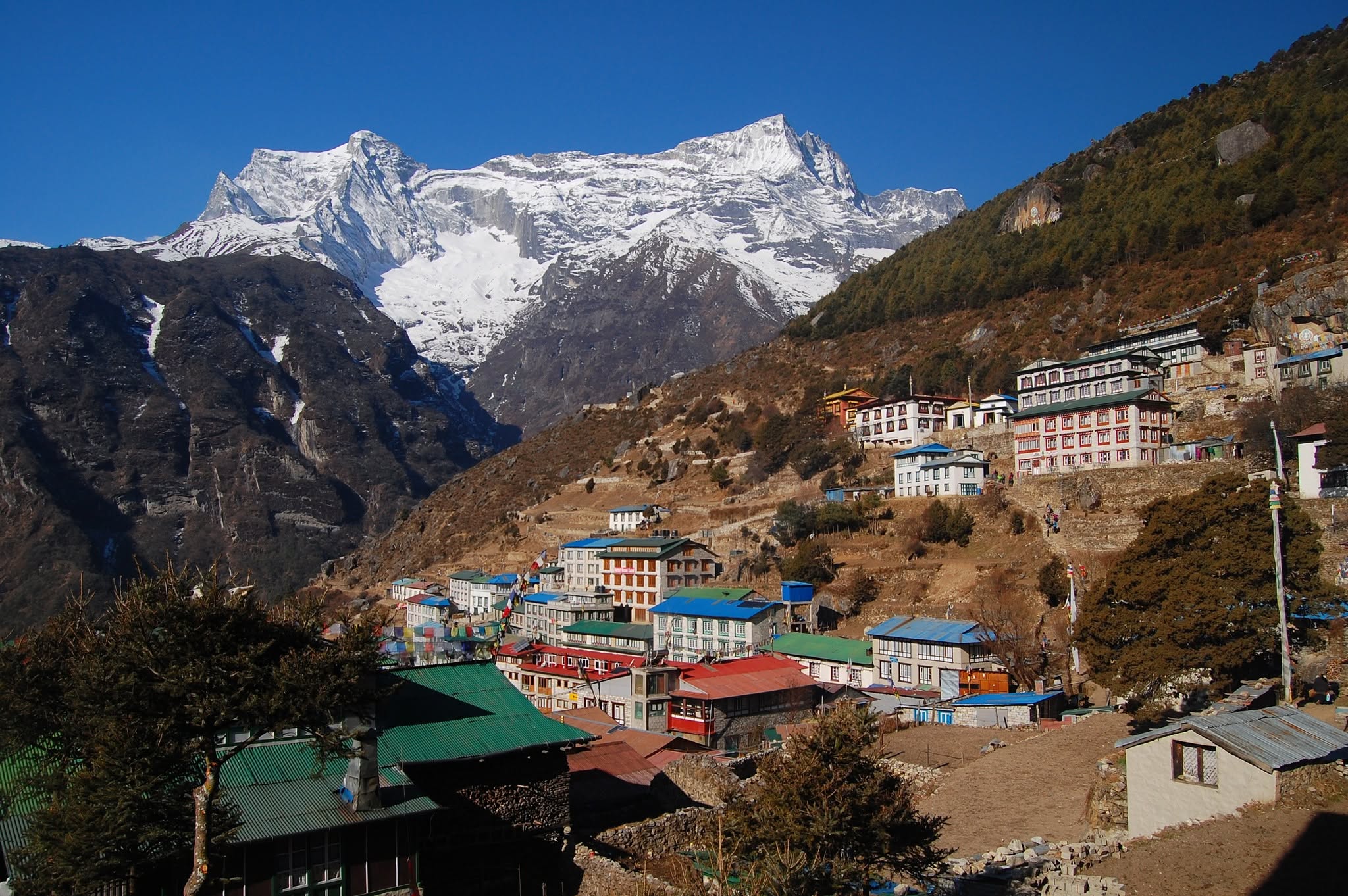
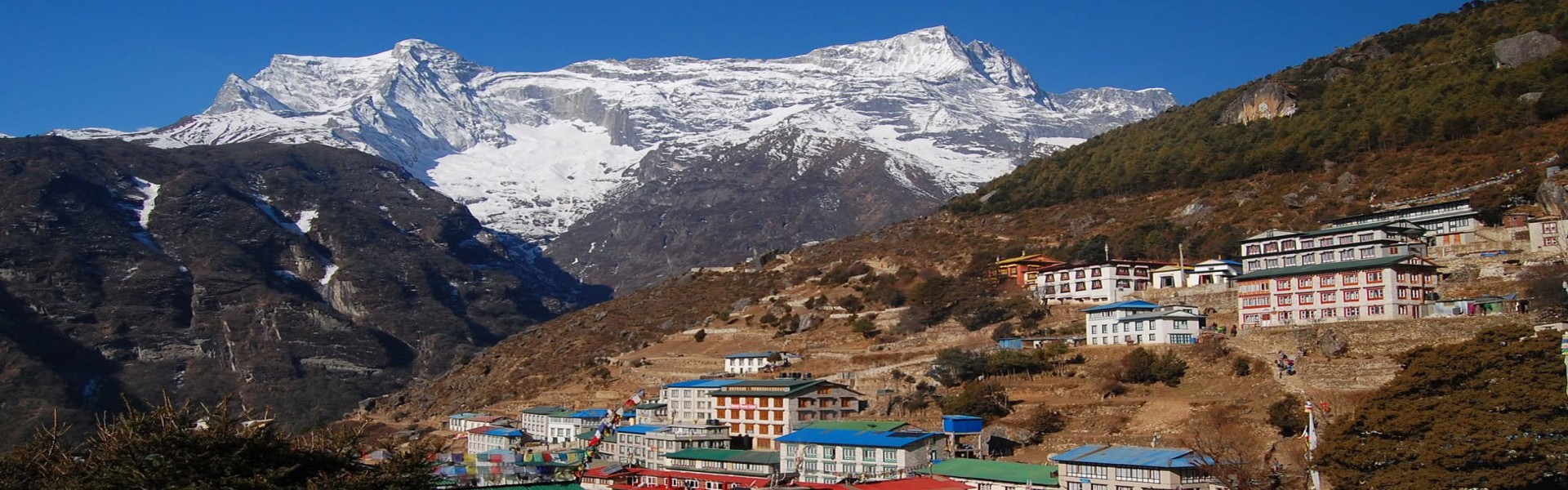
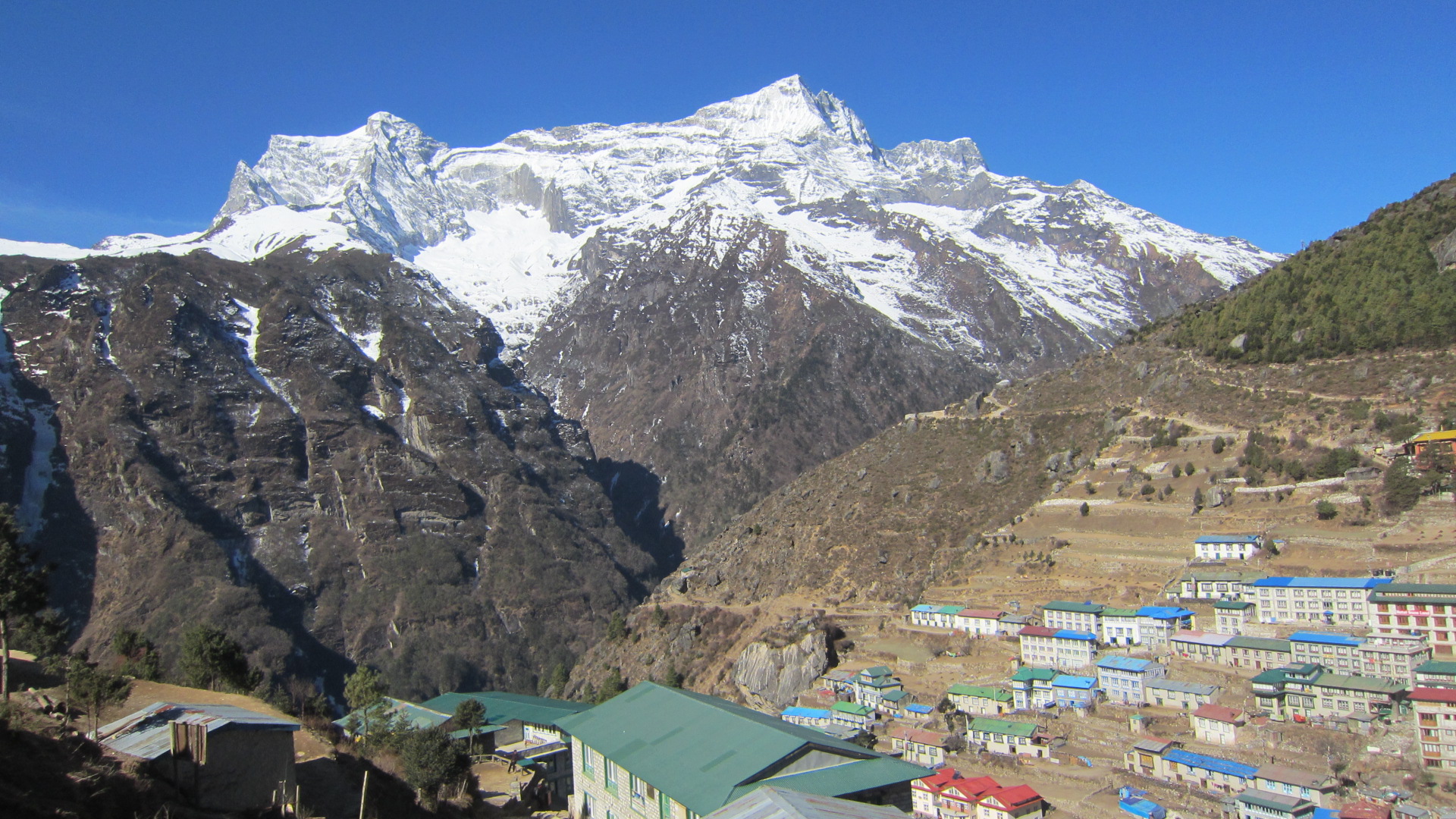
Namche Bazaar is one of the most photogenic places on the Everest Base Camp Trek. Built into a natural mountainside amphitheater at 3,440 meters (11,286 feet), the village offers countless opportunities to capture both Himalayan landscapes and authentic Sherpa life.
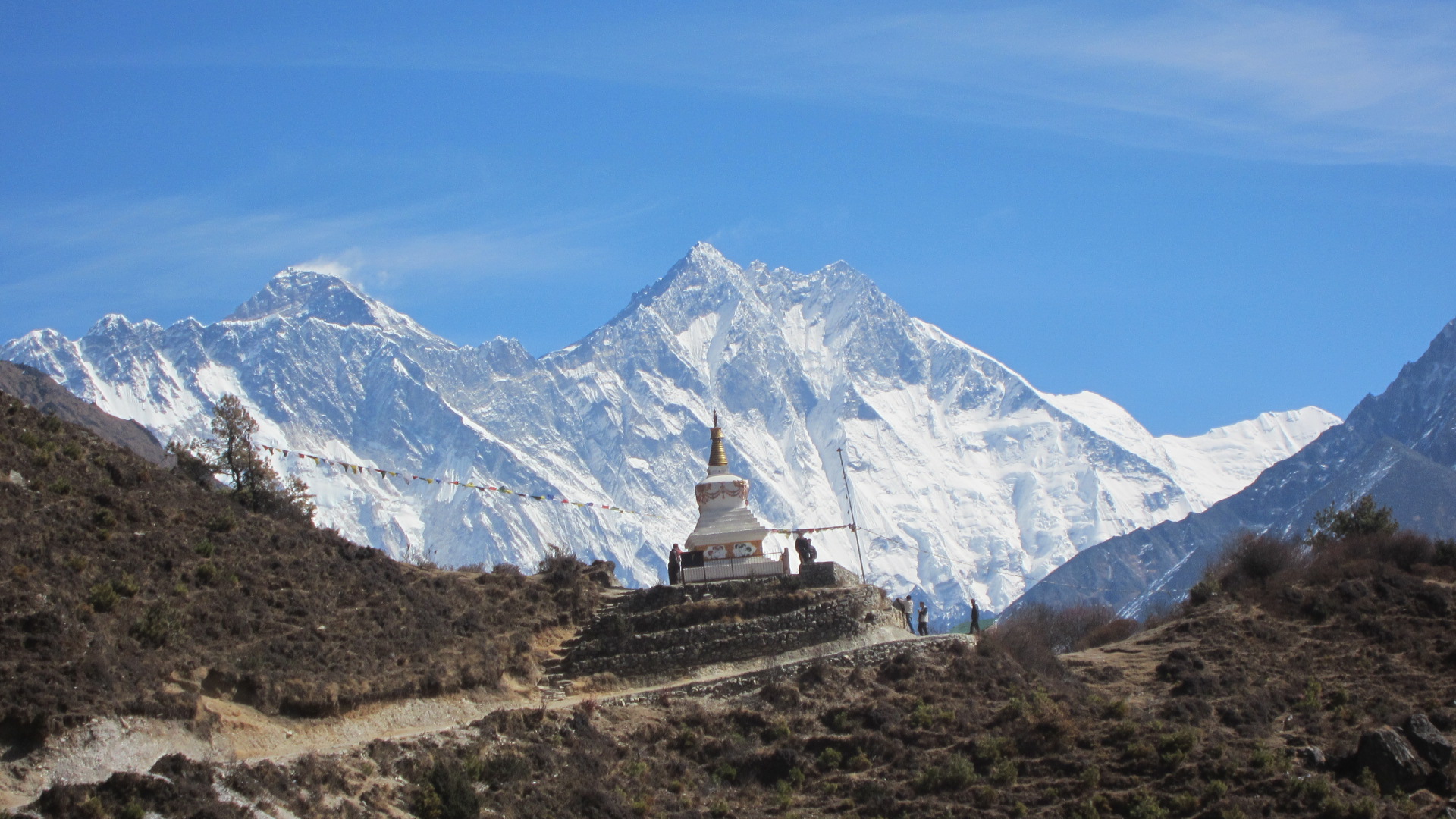
Early morning is the best time for photography, when the skies are usually clear and the surrounding peaks are beautifully illuminated by the first light of the day. From viewpoints above the village, you can photograph Mount Everest, Ama Dablam, Lhotse, Thamserku, and the colorful rooftops of Namche below. Within the village, fluttering prayer flags, stone-paved streets, traditional Sherpa homes, mani walls, and bustling local markets provide equally memorable subjects.
If you're interested in people photography, always ask for permission before taking close-up portraits of local residents. Whether you're using a professional camera or a smartphone, Namche Bazaar offers some of the finest photography opportunities in the Khumbu region, allowing you to capture memories that will last long after your trek ends.
Visit Namche Monastery
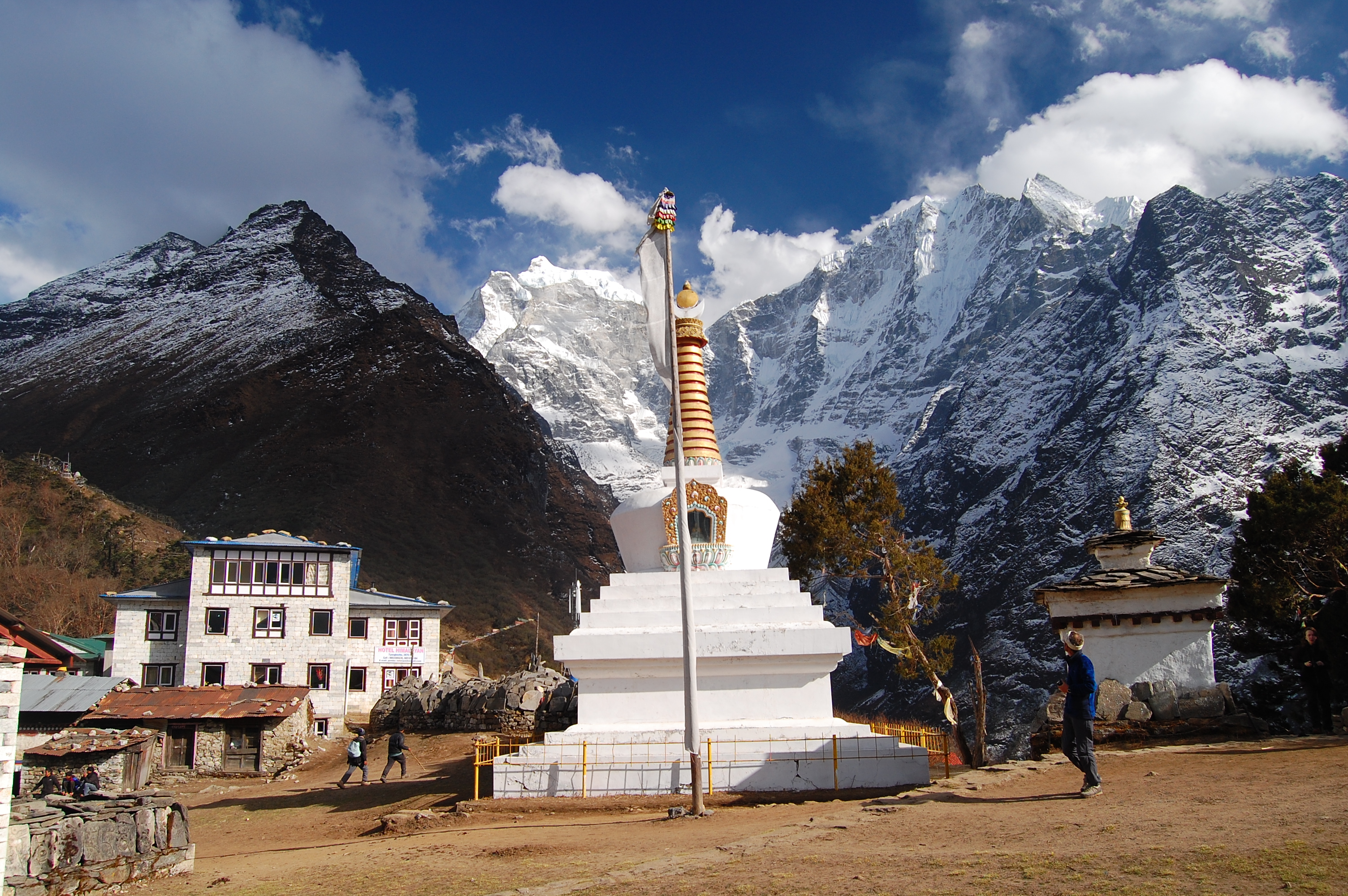
A visit to Namche Monastery offers a peaceful break from the busy trekking trails and a chance to experience the spiritual traditions of the Sherpa community. Located on the quieter northern side of the village, this small Buddhist monastery belongs to the Nyingma school of Tibetan Buddhism and remains an active place of worship.
Inside, you'll find colorful murals, prayer wheels, Buddhist paintings, and statues that reflect centuries of Himalayan culture and religious devotion. The calm atmosphere invites visitors to slow down, observe local customs, and appreciate the role Buddhism plays in everyday life throughout the Everest region.
The monastery also enjoys beautiful views over Namche Bazaar and the surrounding mountains, making it a worthwhile stop during a leisurely walk around the village. When visiting, dress respectfully, speak quietly, and avoid disturbing worshippers. Spending even a short time here provides a deeper understanding of the culture that has shaped life in the Khumbu for generations.
Experience the Dumji Festival if You Visit in Summer
If your trek coincides with June or July, you may have the rare opportunity to witness the Dumji Festival, one of the most important cultural celebrations in the Everest region. Celebrated by Sherpa communities across the Khumbu, the festival honors Guru Rinpoche (Padmasambhava), the Buddhist master credited with bringing Buddhism to the Himalayas.
During Dumji, monasteries come alive with traditional masked dances, chanting ceremonies, prayers, and community gatherings. Families dress in their finest traditional clothing, visit monasteries, and celebrate together with music, food, and religious rituals. The festival is not organized for tourists, making it an authentic cultural experience for those fortunate enough to be in Namche Bazaar at the right time.
Visitors are welcome to observe the celebrations respectfully. Ask before photographing people or religious ceremonies, and follow your guide's advice when entering monastery grounds. Witnessing the Dumji Festival offers a memorable glimpse into Sherpa traditions and the living cultural heritage of the Everest region.
Visit Syangboche Airport for Spectacular Himalayan Views
Located at 3,750 meters (12,303 feet), Syangboche Airport is one of the highest airports in Nepal and a popular destination during an acclimatization day in Namche Bazaar. Although regular commercial flights no longer operate here, the airport serves private helicopters and charter flights, making it an important gateway for the Everest region.
The walk from Namche Bazaar takes around 45 to 60 minutes and follows the same trail leading toward Hotel Everest View. Along the way, you'll enjoy increasingly impressive views of Mount Everest, Ama Dablam, Lhotse, Thamserku, and the surrounding Khumbu Valley. The open grassy airstrip is also an excellent place for photography, especially on clear mornings before clouds begin to build.
Many trekkers combine Syangboche Airport with visits to Hotel Everest View and the Sagarmatha National Park Visitor Center, creating an ideal half-day acclimatization hike. Walk slowly, stay hydrated, and enjoy the scenery, as the purpose of the hike is to help your body adjust to the altitude while experiencing some of the finest mountain landscapes in the Everest region.
Take an Acclimatization Hike to Khumjung Village
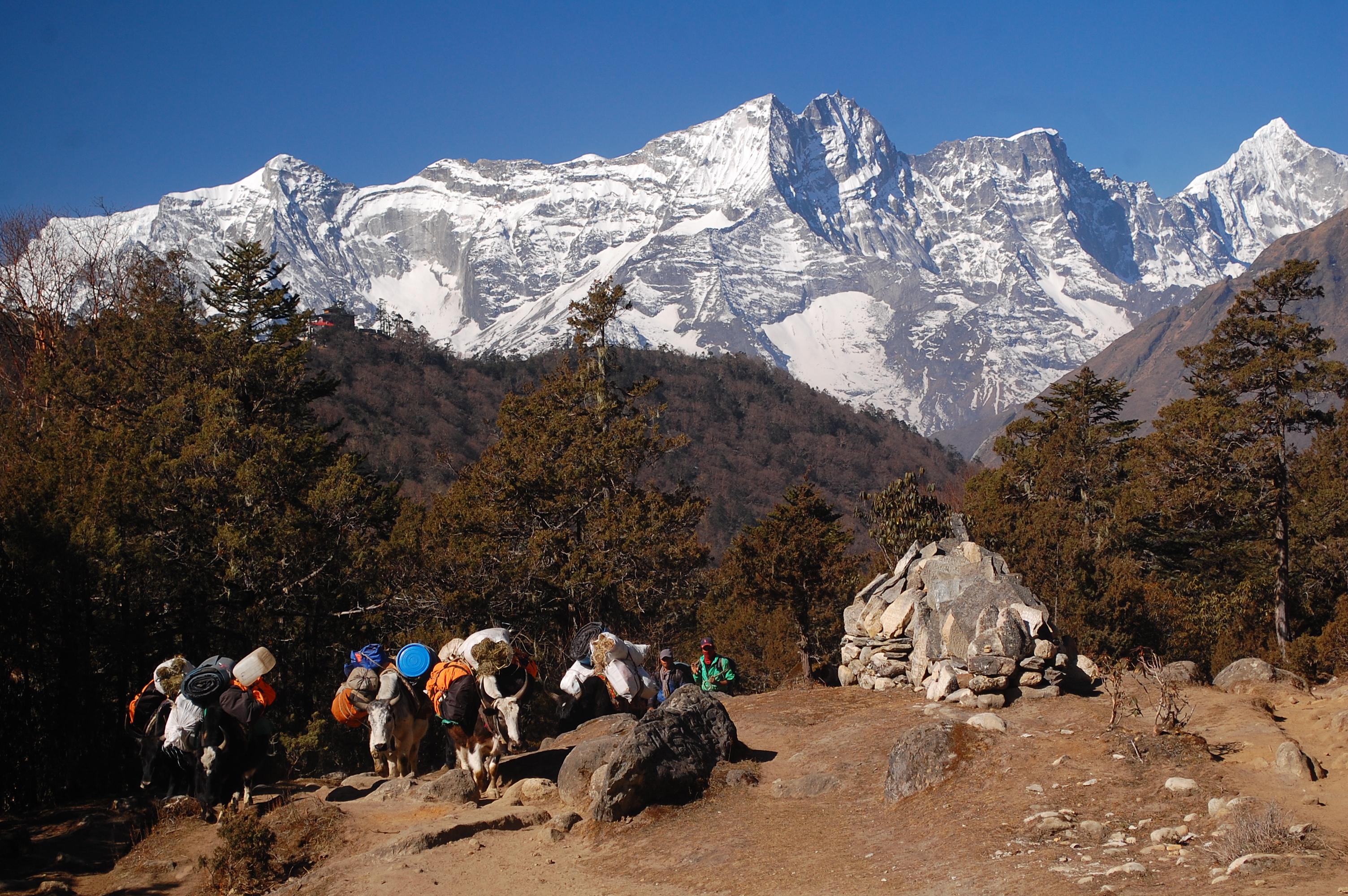
A hike to Khumjung Village is one of the most rewarding day trips from Namche Bazaar. Located at 3,790 meters (12,434 feet), the village sits beneath the sacred peak of Khumbila, which Sherpa people regard as their protective mountain. The round-trip hike takes around 3 to 4 hours and provides excellent acclimatization before continuing toward Everest Base Camp.
Unlike the busy trails around Namche, Khumjung offers a quieter glimpse into traditional Sherpa life. The village is known for its neatly built stone houses with distinctive green roofs, peaceful surroundings, and stunning Himalayan scenery. Walking through its narrow lanes allows you to experience everyday village life, where many families still grow potatoes, barley, and vegetables while raising yaks and other livestock.
Highlights of the visit include Khumjung Monastery, home to the famous Yeti scalp relic, and the Edmund Hillary School, established in 1961 to provide education for Sherpa children. Together, these landmarks reflect the rich culture, history, and community spirit that continue to define the Khumbu region today.
Explore Khunde Village and Visit Khunde Hospital
Just a short walk beyond Khumjung lies Khunde Village, a peaceful Sherpa settlement at 3,840 meters (12,598 feet). Less visited than Namche Bazaar, Khunde offers a quieter atmosphere and a deeper look into daily life in the Everest region. The gentle walk between the two villages makes it an excellent addition to your acclimatization day.
One of the village's most important landmarks is Khunde Hospital, founded by Sir Edmund Hillary in 1966. Built to improve healthcare for Sherpa communities, the hospital continues to provide essential medical services to local residents, guides, porters, and trekkers. Visiting the hospital offers a meaningful insight into Sir Edmund Hillary's lasting contribution beyond his historic ascent of Mount Everest.
Nearby, you can also visit Khunde Monastery, enjoy peaceful village trails, and admire spectacular views of Everest, Ama Dablam, Lhotse, and other surrounding peaks. Khunde is an ideal destination for trekkers seeking a quieter experience while learning more about the history, resilience, and culture of the Sherpa people.
Hike to Hillary Viewpoint for Unforgettable Himalayan Scenery
If you're looking for one of the finest viewpoints near Namche Bazaar, Hillary Viewpoint should be on your itinerary. Reached via Khumjung or Khunde, this scenic viewpoint offers breathtaking panoramic views of Mount Everest (8,849 m), Lhotse (8,516 m), Nuptse (7,861 m), Ama Dablam (6,812 m), and many other Himalayan giants.
The hike is moderately challenging and usually takes 3 to 4 hours as part of an acclimatization walk. Early morning is the best time to visit, when mountain views are generally at their clearest before afternoon clouds develop.
Unlike busier viewpoints, Hillary Viewpoint offers a peaceful setting where you can sit, rest, and appreciate the vast Himalayan landscape. Bring a camera, warm clothing, and plenty of water. Taking your time along the trail not only rewards you with incredible scenery but also helps your body gradually adjust to the increasing altitude before trekking higher into the Everest region.
Hike to Thame Village for Sherpa Culture and History
If you have an extra day in Namche Bazaar, a hike to Thame Village is one of the most rewarding side trips in the Khumbu region. Located at 3,820 meters (12,533 feet), Thame can be reached in about 4 to 5 hours along a peaceful trail that follows the Bhote Koshi Valley away from the busier Everest Base Camp route.
Thame is famous as the birthplace of legendary mountaineers, including Tenzing Norgay, who first reached the summit of Mount Everest with Sir Edmund Hillary in 1953, and Apa Sherpa, renowned for his record number of Everest ascents.
The village is also home to Thame Monastery, one of the oldest and most important monasteries in the Khumbu region. Surrounded by dramatic mountain scenery, it remains an active center of Buddhist worship and hosts the colorful Mani Rimdu Festival each year. For trekkers interested in Sherpa culture, history, and quieter Himalayan landscapes, a visit to Thame offers an authentic experience beyond the main Everest trekking trail.

.jpg)