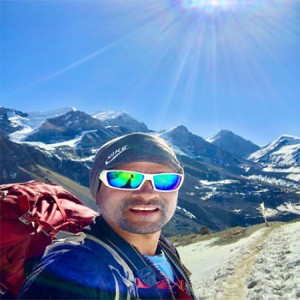
For many travelers, the monsoon season (June, July, and August) may not seem like the obvious time to trek in Nepal. Heavy rainfall, cloudy skies, and slippery trails often discourage visitors from planning a Himalayan adventure during these months. While these challenges are real in some parts of the country, they don't tell the whole story. Nepal's diverse geography means the monsoon affects each trekking region differently, and several popular destinations remain excellent choices even in the middle of summer.
The secret to a successful monsoon trek is choosing the right route. Regions within the Himalayan rain shadow, including Upper Mustang, Nar Phu Valley, and the upper section of the Annapurna Circuit, receive much less rainfall than other parts of Nepal. Even in trekking areas that experience seasonal showers, the landscapes become incredibly lush, rivers and waterfalls are at their most impressive, and the trails are noticeably quieter than during the busy spring and autumn seasons. For many trekkers, this peaceful atmosphere is one of the biggest rewards of visiting Nepal during the monsoon.
Of course, trekking in the rainy season requires thoughtful planning. Weather conditions can change quickly, and occasional flight or road delays are possible. Packing reliable waterproof gear, wearing sturdy trekking boots, and allowing a little flexibility in your itinerary will help you enjoy the journey with confidence. Trekking with an experienced local guide is also highly recommended, as they understand seasonal trail conditions and can adapt plans when needed.
If your travel dates fall between June and August, there's no reason to rule out trekking in Nepal. With realistic expectations, proper preparation, and the right destination, the monsoon can offer a quieter, greener, and more authentic Himalayan experience that many travelers never get to discover.
Best Monsoon Treks in Nepal (June, July, and August)
Many travelers assume that trekking in Nepal during the monsoon season (June, July, and August) should be avoided. While it's true that heavy rainfall affects many popular trekking routes, the weather is not the same across the entire Himalayas. Several regions lie within the Himalayan rain shadow, where the mountains block much of the monsoon, creating relatively dry trekking conditions even in the middle of summer.
For travelers whose holidays fall during the rainy season, the monsoon doesn't have to mean giving up a Himalayan adventure. By choosing the right destination, packing appropriate gear, and allowing some flexibility in your itinerary, you can still enjoy an unforgettable trek. In return, you'll experience quieter trails, greener landscapes, welcoming teahouses, and a side of Nepal that relatively few visitors see.
Here are some of the best trekking destinations to consider during Nepal's monsoon season.
The Upper Mustang Trek is widely considered Nepal's best trekking destination during the monsoon. Located north of the Annapurna and Dhaulagiri ranges, this former Himalayan kingdom lies within the rain shadow, receiving very little rainfall while much of the country experiences heavy monsoon showers.
Instead of lush forests, the trail leads through dramatic desert-like valleys, colorful rock formations, deep canyons, ancient cave settlements, and traditional Tibetan-style villages. The region is also rich in history and culture, with centuries-old monasteries, historic palaces, prayer walls, and a way of life that has remained largely unchanged for generations.
As Upper Mustang is a restricted area, trekkers must obtain a special permit and travel with a licensed guide. Thanks to its dry climate, unique landscapes, and fascinating culture, it remains one of Nepal's most rewarding treks during June, July, and August.
The Ghorepani Poon Hill Trek is one of Nepal's most popular short treks and a great choice for travelers with limited time. Although the Annapurna region receives regular rainfall during the monsoon, this well-established route remains accessible thanks to its excellent trail network and numerous teahouses.
The rainy season transforms the forests into vibrant green landscapes filled with blooming wildflowers, moss-covered trees, and flowing waterfalls. The fresh mountain air and peaceful atmosphere create a completely different experience from the busy autumn trekking season.
While mountain views are less predictable, clear mornings or breaks in the clouds often reveal spectacular panoramas of Annapurna, Dhaulagiri, Machhapuchhre (Fishtail), Hiunchuli, and surrounding Himalayan peaks. For nature lovers and photographers, the monsoon offers a unique opportunity to experience the Annapurna region at its greenest.
The Nar Phu Valley Trek is one of Nepal's most remote and culturally preserved trekking routes. Hidden in the northern part of the Annapurna region, much of the trail lies within the Himalayan rain shadow, where rainfall is significantly lower than in the southern valleys.
The trek passes through ancient Tibetan-style villages, Buddhist monasteries, narrow gorges, dramatic rock formations, and wide alpine valleys while offering outstanding views of the surrounding Himalayan peaks. Its remote location and limited number of visitors make it an excellent choice for trekkers seeking solitude and authentic local culture.
Because Nar Phu Valley is a restricted trekking area, a licensed guide is required. During the monsoon season, trekking with an experienced guide becomes even more valuable, helping you navigate changing weather conditions and manage logistics in this isolated mountain region.
The Annapurna Circuit Trek is another excellent option during the monsoon season. Although the lower sections of the trail receive seasonal rainfall, conditions become much drier after reaching Manang Valley, which lies within the Himalayan rain shadow.
As you climb higher, the landscape changes dramatically from green hills and forests to alpine meadows, rugged cliffs, and high mountain deserts. This remarkable diversity is one of the reasons the Annapurna Circuit remains one of the world's classic trekking routes.
The trail is also noticeably quieter during June, July, and August. If you're prepared for occasional rain in the lower valleys, you'll be rewarded with peaceful teahouses, fewer trekkers, and spectacular mountain scenery throughout much of the journey.
Is Trekking in Nepal During the Monsoon Safe?
Yes, trekking in Nepal during the monsoon season can be safe when you choose an appropriate route and prepare carefully.
The main challenges include heavy rainfall, slippery trails, leeches in lower forested areas, occasional landslides, and possible transportation delays. These conditions are more common on routes that receive significant monsoon rain.
However, trekking destinations located in the Himalayan rain shadow, such as Upper Mustang, Nar Phu Valley, and the upper sections of the Annapurna Circuit, remain relatively dry and are among the best choices during the summer months.
Wherever you decide to trek, it's important to carry quality waterproof clothing, use trekking poles, allow extra time for possible weather-related delays, and travel with an experienced local guide who understands seasonal trail conditions.
For many trekkers, the monsoon offers a quieter, greener, and more peaceful Himalayan experience. If your travel dates fall between June and August, there's no need to postpone your adventure. With realistic expectations, proper preparation, and the right trekking destination, the monsoon can be one of the most rewarding times to explore Nepal's mountains.