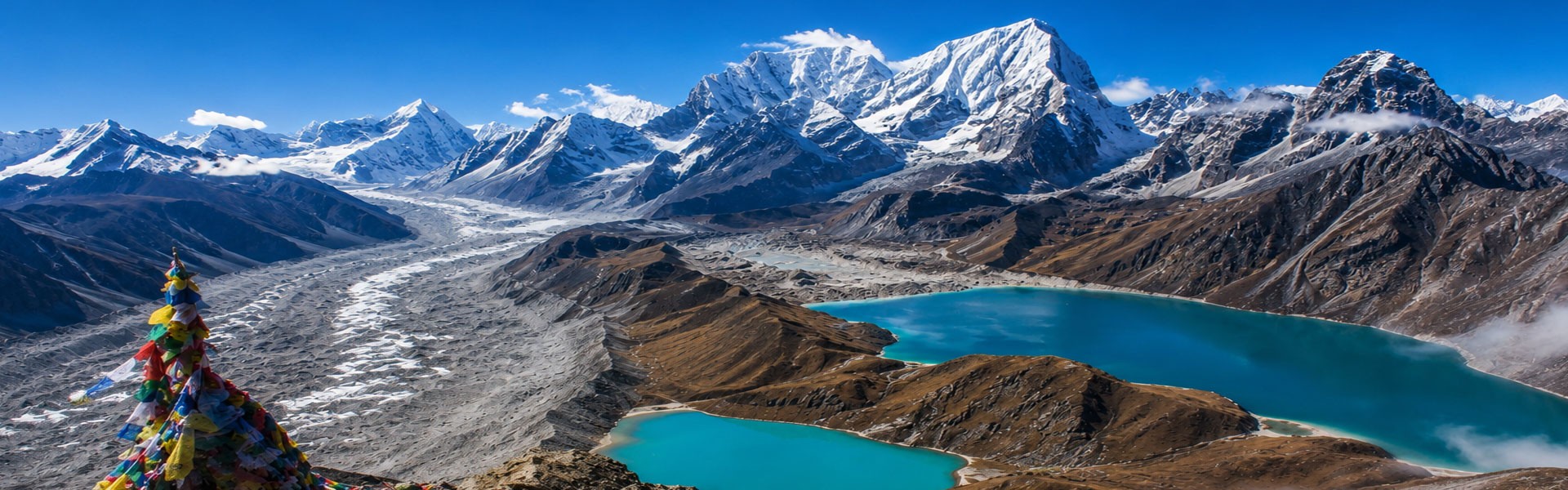
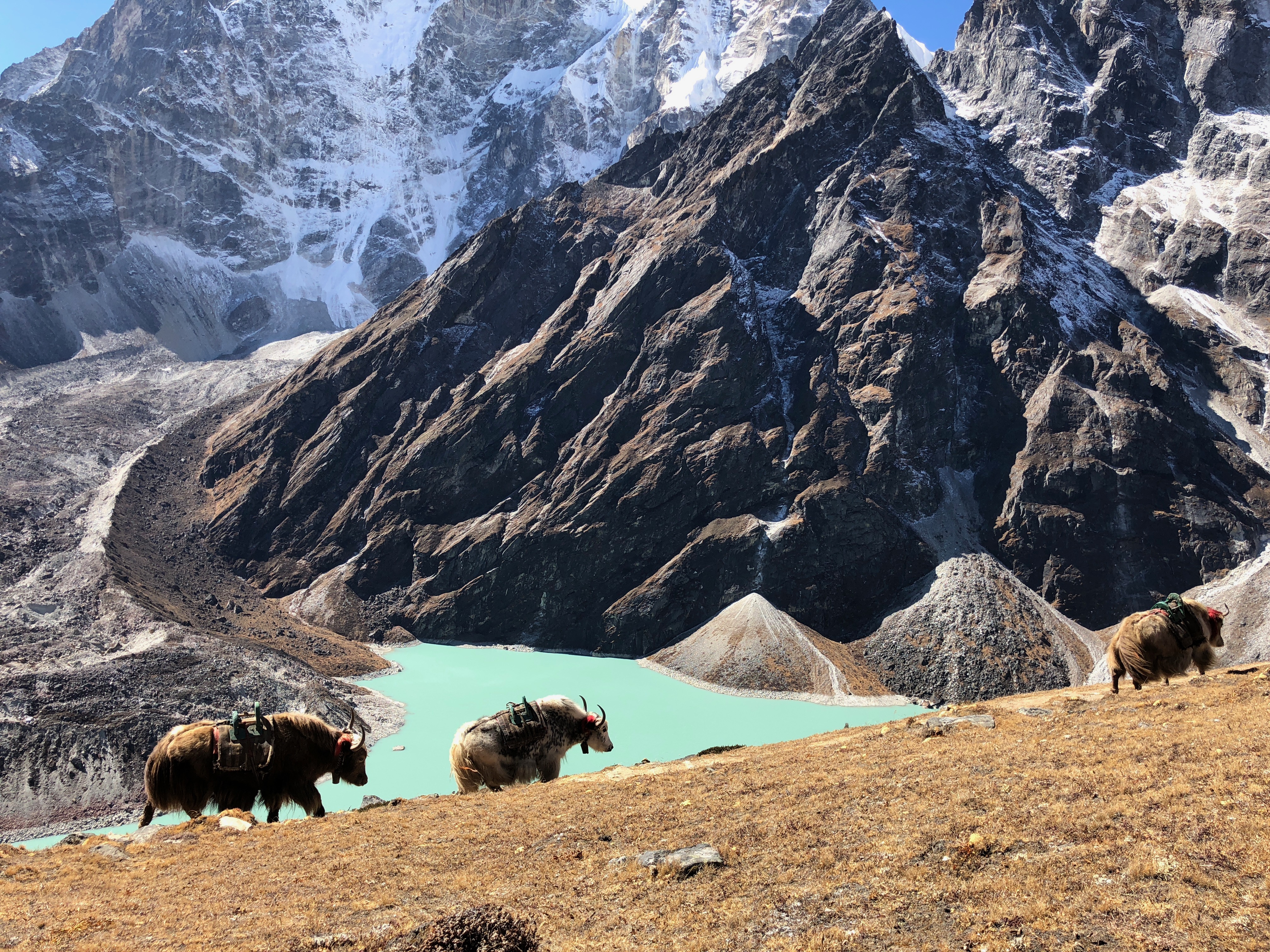
For trekkers, the lakes are much more than a beautiful destination. They are the highlight of the Gokyo Lakes Trek, a quieter alternative to the busy Everest Base Camp Trek. Visitors can explore the lakes, hike to Gokyo Ri, walk alongside the Ngozumpa Glacier, or combine their journey with Renjo La Pass, Cho La Pass, or the Everest Three High Passes Trek for an even more adventurous Himalayan experience.
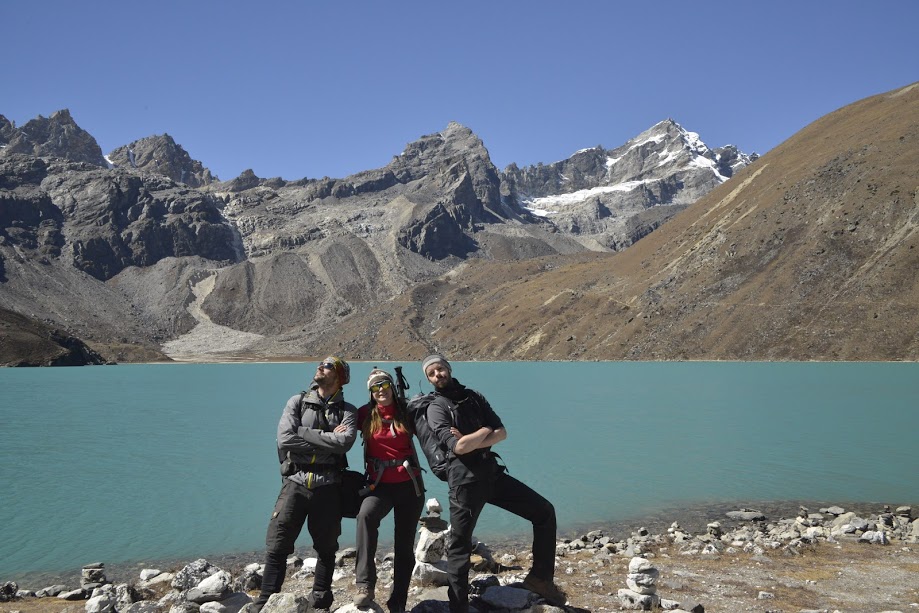
The peaceful waters and open mountain landscape create a calm atmosphere after the steady climb from Machhermo.
Although many trekkers pause here only briefly, taking a few moments to enjoy the silence and mountain scenery is well worthwhile before continuing toward the higher lakes.
Beyond its beauty, the lake offers a quiet place to pause, catch your breath, and appreciate the peaceful surroundings before continuing toward the larger and more famous lakes near Gokyo Village.
Many trekkers find that these early lakes provide a perfect introduction to the natural beauty and tranquil atmosphere that make Gokyo one of the most rewarding destinations in Nepal's Everest region.
- 3. Gokyo Tsho (Third Gokyo Lake)
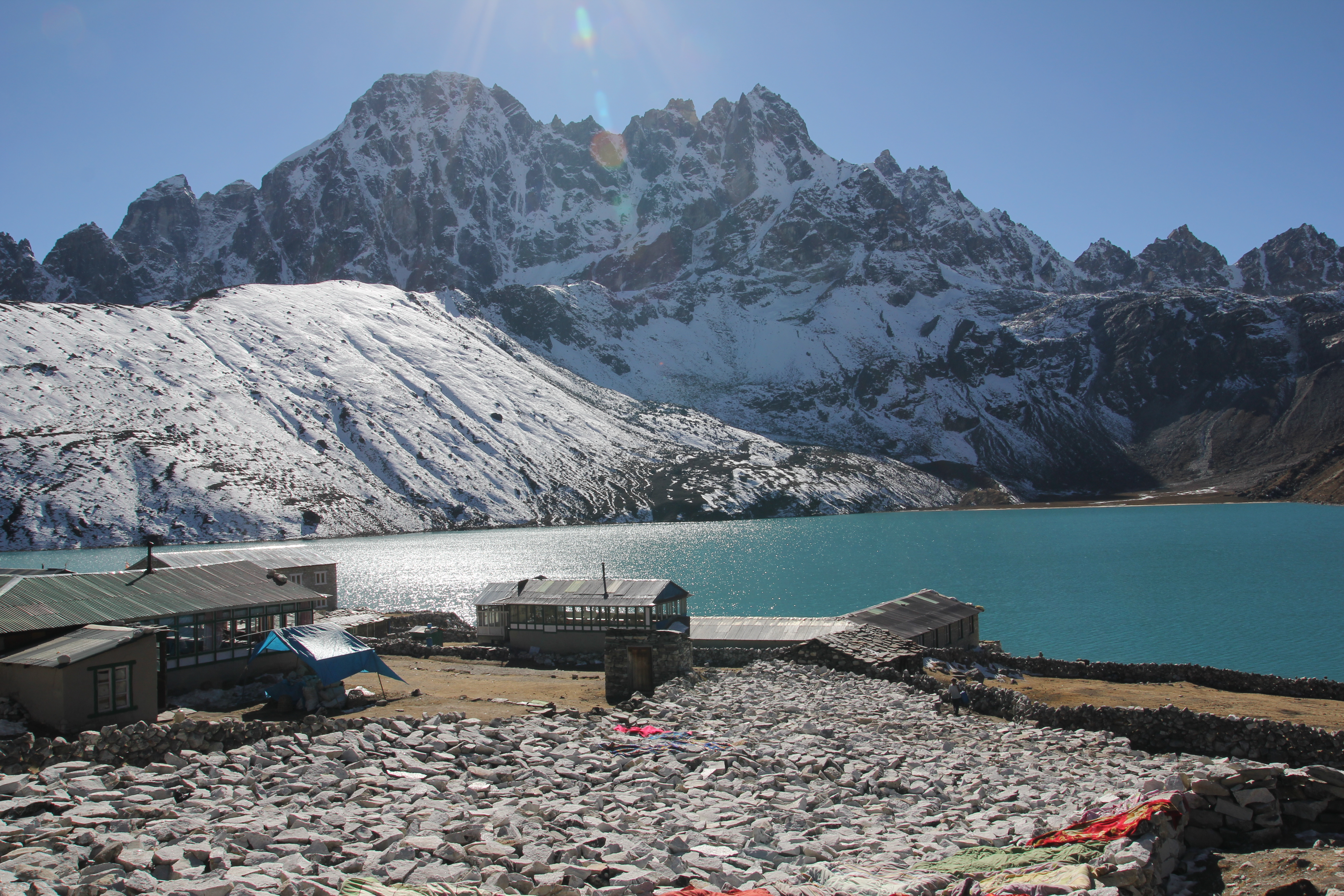
Gokyo Tsho, also known as Dudh Pokhari, is the largest and most famous lake in the Gokyo Lake system. Located at an altitude of 4,734 meters (15,531 feet), it lies at the heart of Gokyo Valley and gives the entire region its name. Covering around 42.9 hectares (106 acres) and reaching a depth of approximately 43 meters (141 feet), this beautiful glacial lake is the centerpiece of the Gokyo Lakes.
On the eastern shore of the lake is Gokyo Village, where most trekkers spend one or two nights to rest and acclimatize. The village is the perfect base for exploring nearby highlights such as Gokyo Ri and the Ngozumpa Glacier, the longest glacier in the Himalayas. From the lakeshore, you can also enjoy magnificent views of Cho Oyu (8,188 m / 26,864 ft), the world's sixth-highest mountain, rising above the surrounding peaks.
Gokyo Tsho is more than a breathtaking mountain lake. It is also a sacred place for both Hindus and Buddhists, and many pilgrims visit the lakes each year to offer prayers and take part in religious ceremonies. The peaceful surroundings and deep cultural significance give the lake a unique atmosphere that is rarely found elsewhere in the Himalayas.
- 4. Thonak Tsho (Fourth Gokyo Lake)
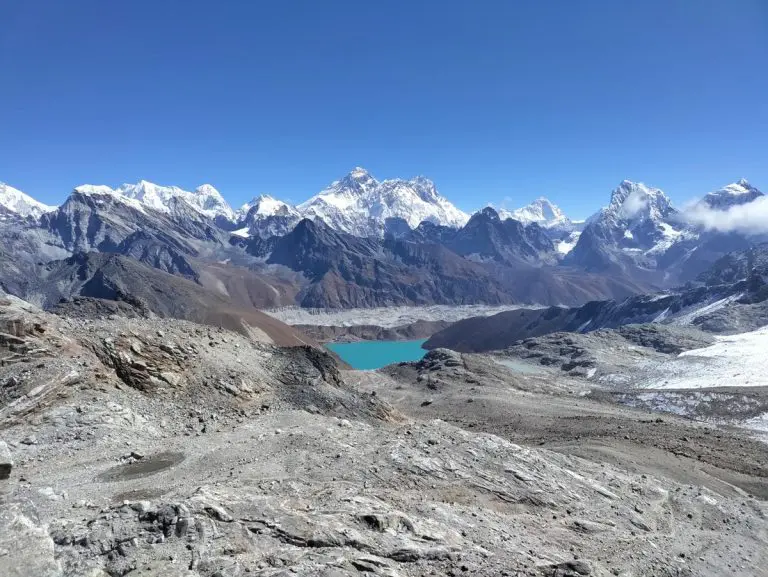
At 4,834 meters (15,860 feet), Thonak Tsho is the largest and deepest of the six main Gokyo Lakes. Surrounded by rugged mountains and untouched alpine landscapes, it offers a peaceful escape from the busier sections of the trail.
Fewer trekkers continue this far, so the lake often feels quiet and unspoiled. Its crystal-clear turquoise water, dramatic scenery, and remote setting make it a rewarding destination for those who want to explore beyond Gokyo Village and experience the tranquil beauty of the upper Gokyo Valley.
- 5. Ngozumpa Tsho (Fifth Gokyo Lake)
Located at 4,950 meters (16,240 feet), Ngozumpa Tsho is fed by the Ngozumpa Glacier, the longest glacier in the Himalayas. Reaching the lake usually requires a full-day excursion from Gokyo Village, but the journey is well worth the effort.
On clear days, visitors can enjoy breathtaking views of Mount Everest,Cho Oyu, Lhotse, Makalu, Pumori, Nuptse, and Ama Dablam. The peaceful atmosphere and spectacular mountain scenery make this lake one of the most rewarding places to visit in the Gokyo Valley.
- 6. Gyazumpa Tsho (Sixth Gokyo Lake)
Gyazumpa Tsho is the final and most remote lake in the Gokyo system. Because few trekkers continue this far, it remains one of the quietest places in the valley. During the warmer months, several smaller lakes connect as the water level rises, creating a beautiful network of turquoise pools.
Its location near Cho Oyu Base Camp makes it an attractive destination for experienced trekkers who have extra time and want to discover a less-visited corner of Nepal's Everest region.
Best Time to Visit Gokyo Lakes
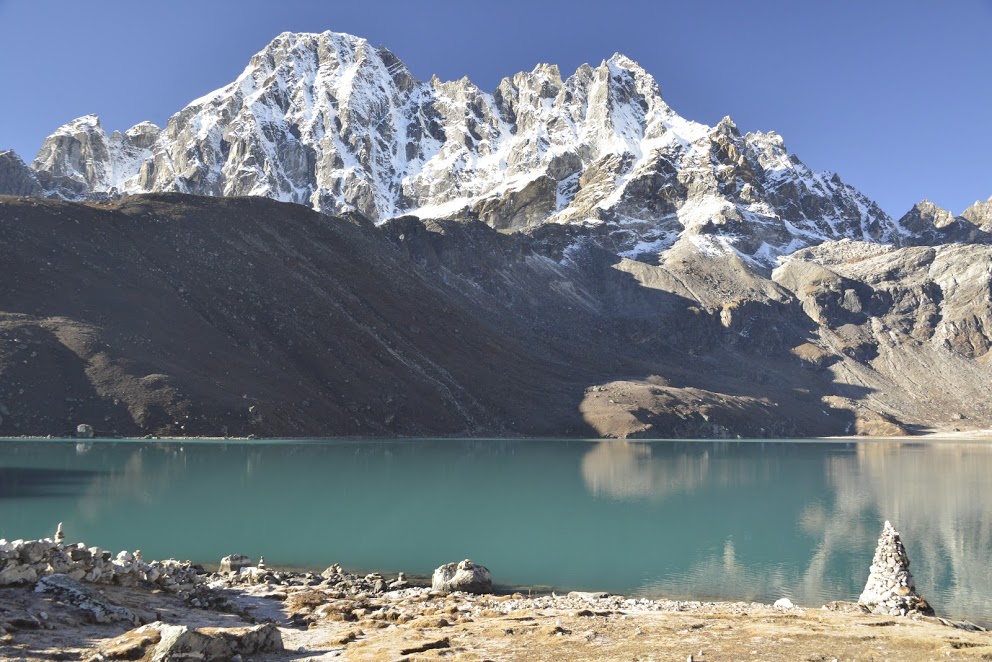
The best time to visit Gokyo Lakes is during spring (March to May) and autumn (late September to November). These seasons usually bring stable weather, clear mountain views, and comfortable daytime temperatures, making them ideal for trekking.
Spring is known for blooming rhododendron forests at lower elevations, longer daylight hours, and pleasant temperatures. Snow may still cover the higher passes early in the season, adding to the beauty of the landscape.
Autumn is the most popular trekking season because the skies are often crystal clear after the summer monsoon. Visibility is excellent, and the mountains, glaciers, and turquoise lakes appear at their best.
Winter (December to February) is much quieter, with fewer trekkers on the trail. However, temperatures can fall well below freezing, and heavy snowfall may temporarily close Renjo La Pass or Cho La Pass.
The monsoon season (June to early September) brings frequent rain, cloudy weather, and slippery trails at lower elevations. Flights to Lukla are also more likely to be delayed due to weather conditions.
Although the upper Gokyo Valley receives less rainfall than other parts of Nepal, spring and autumn remain the most reliable seasons for a safe and enjoyable trek.
Gokyo Ri: The Best Viewpoint in the Everest Region
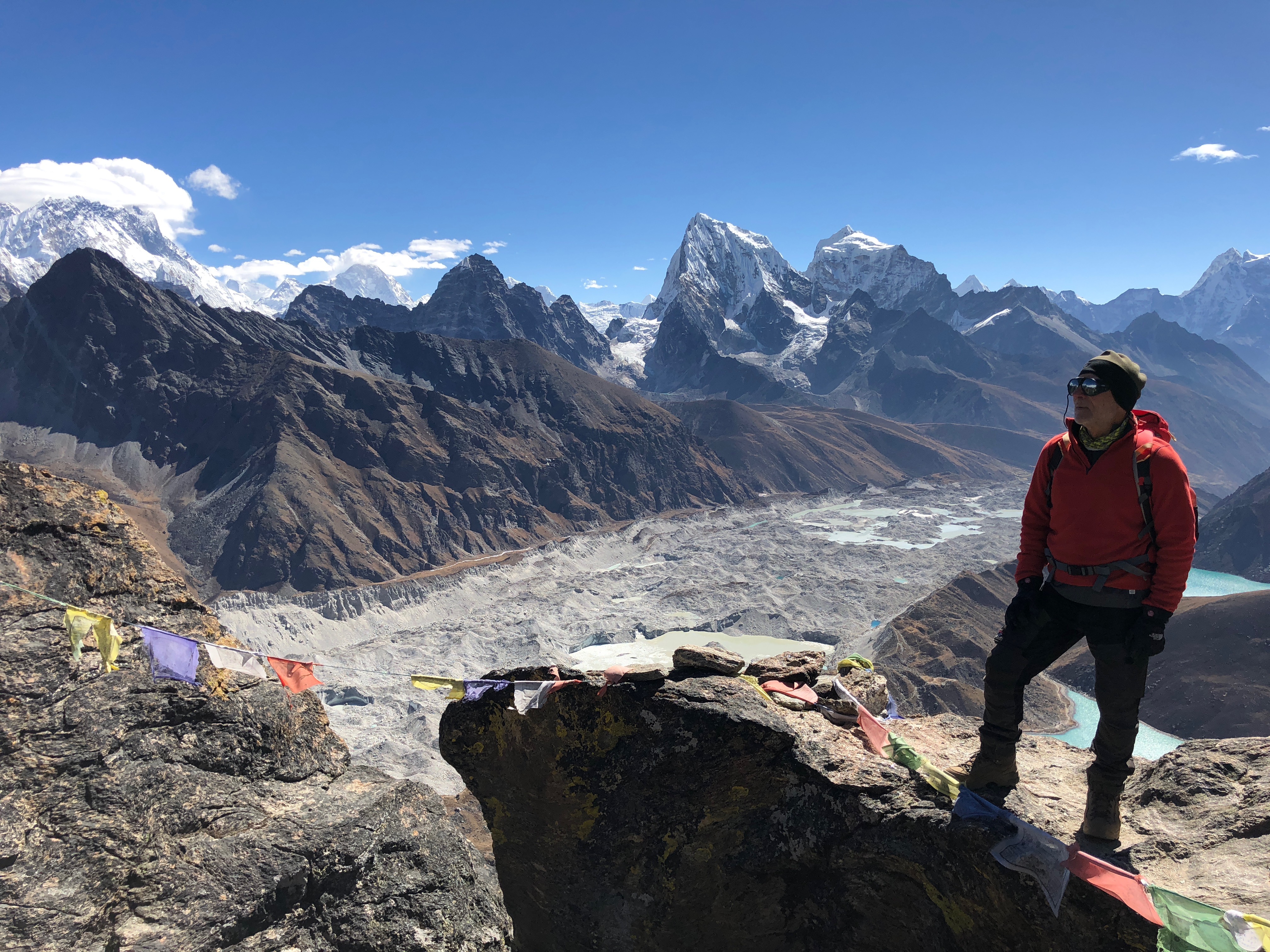
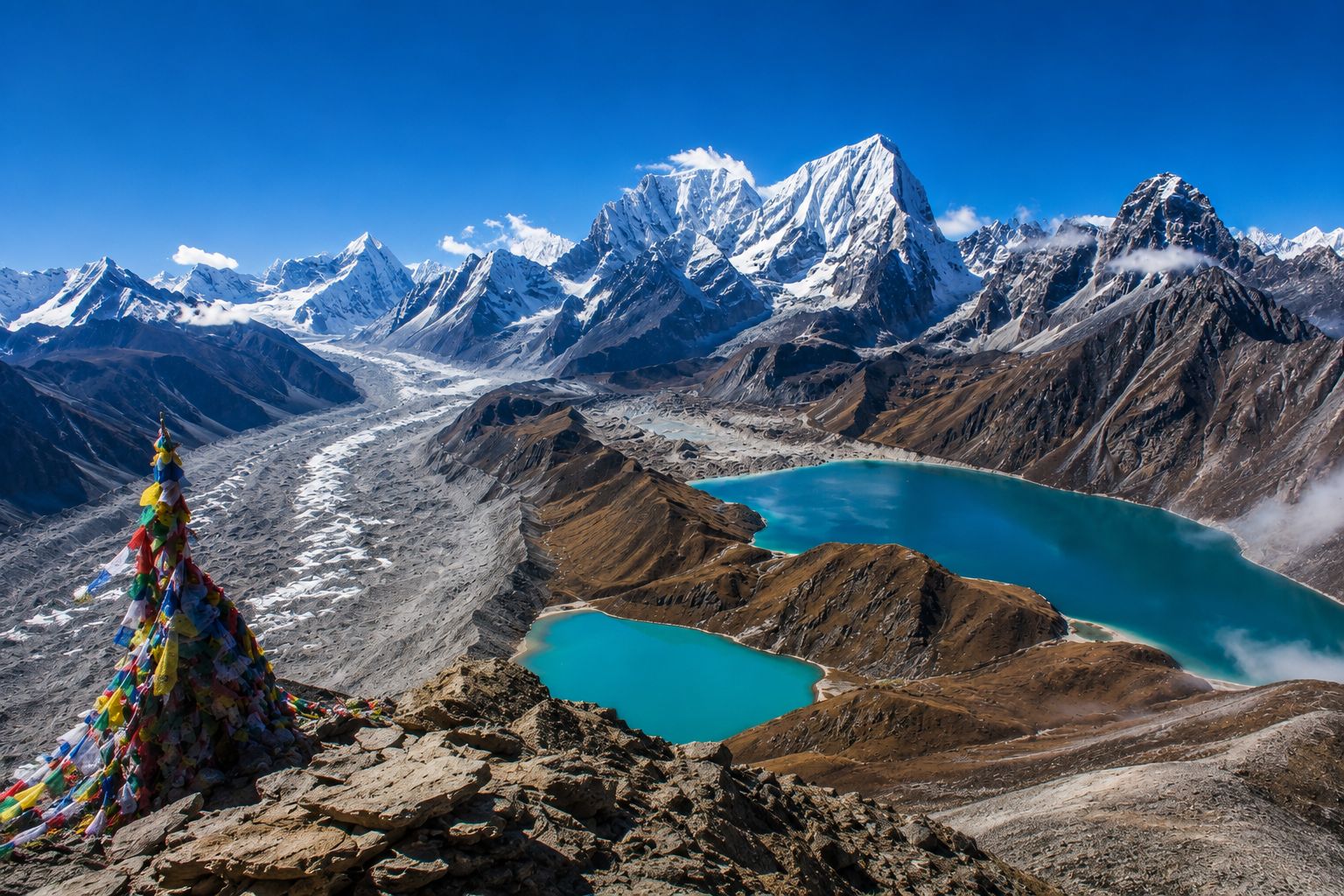
At 5,357 m (17,575 ft), Gokyo Ri is the scenic highlight of the classic Gokyo Lakes Trek and one of the finest panoramic viewpoints in Nepal's Everest region. From the summit, you'll enjoy sweeping 360-degree views of the turquoise Gokyo Lakes, the vast Ngozumpa Glacier, and some of the world's highest mountains, including Mount Everest (8,848.86 m), Lhotse, Makalu, Cho Oyu, Nuptse, and Pumori.
Unlike many viewpoints in the Everest region, Gokyo Ri offers a rare combination of snow-covered Himalayan peaks, shimmering glacial lakes, and the longest glacier in the Himalayas, all visible from a single location. This unique perspective is why many experienced trekkers and local guides consider the panorama from Gokyo Ri even more rewarding than the famous viewpoint at Kala Patthar.
Hiking to Gokyo Ri
The hike begins from Gokyo Village (4,790 m / 15,715 ft) and usually takes 2 to 3 hours to reach the summit. Although the trail is steep, it is well-defined and requires no technical climbing experience. The biggest challenge is the high altitude rather than the terrain itself, so walking at a steady pace and spending a night in Gokyo for proper acclimatization are important for a safe and enjoyable climb.
Most trekkers leave before sunrise when the weather is usually calmer and the mountain views are at their clearest. As daylight slowly reaches the Khumbu, the surrounding peaks glow with golden light, creating one of the most memorable moments of the entire trek.
Why Gokyo Ri Is Worth the Climb
The summit rewards every step of the ascent with one of the most complete mountain panoramas in the Himalayas. Looking across the valley, you'll see the chain of sacred Gokyo Lakes sparkling below, while the impressive Ngozumpa Glacier stretches for nearly 36 km (22 miles) through the heart of the valley. Combined with uninterrupted views of Everest and the surrounding Himalayan giants, the scenery is both dramatic and remarkably peaceful.
If you have an extra day in Gokyo, consider continuing to the Fourth and Fifth Gokyo Lakes after your hike. This quieter side trip offers a different perspective of the valley, brings you closer to Cho Oyu (8,188 m), the world's sixth-highest mountain, and is a great way to experience one of the less-visited corners of the Everest region.
Major Attractions Around Gokyo Lakes
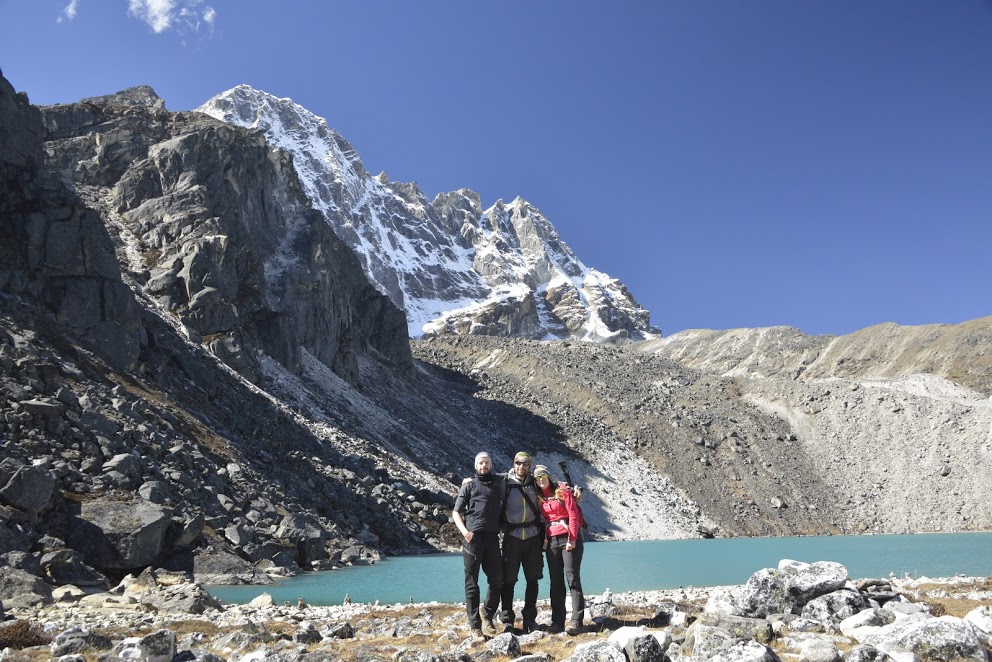
A visit to Gokyo Lakes is about much more than the lakes themselves. The surrounding mountains, glaciers, and high passes make this area one of the most rewarding destinations in Nepal's Everest region.
Stretching for about 36 kilometers (22 miles), the Ngozumpa Glacier is the longest in the Himalayas. Flowing from the slopes of Cho Oyu, it creates a dramatic landscape of ice, rocks, and glacial moraine. Walking beside the glacier offers a fascinating look at the powerful natural forces that have shaped the Everest region over thousands of years.
Standing at 5,357 meters (17,575 feet), Gokyo Ri is the region's most famous viewpoint. Although the climb is steep, the reward is unforgettable. From the summit, trekkers enjoy spectacular panoramic views of Mount Everest, Lhotse, Makalu, Cho Oyu, and the turquoise Gokyo Lakes below. Sunrise is particularly breathtaking, making the early morning hike well worth the effort.
At 5,360 meters (17,585 feet), Renjo La Pass is one of the three famous high passes of the Everest region. Often included in the Everest Three Passes Trek, it offers incredible views of the entire Gokyo Valley, the sparkling lakes, and the surrounding Himalayan peaks. For experienced trekkers, crossing Renjo La adds both adventure and some of the finest scenery in the Khumbu.
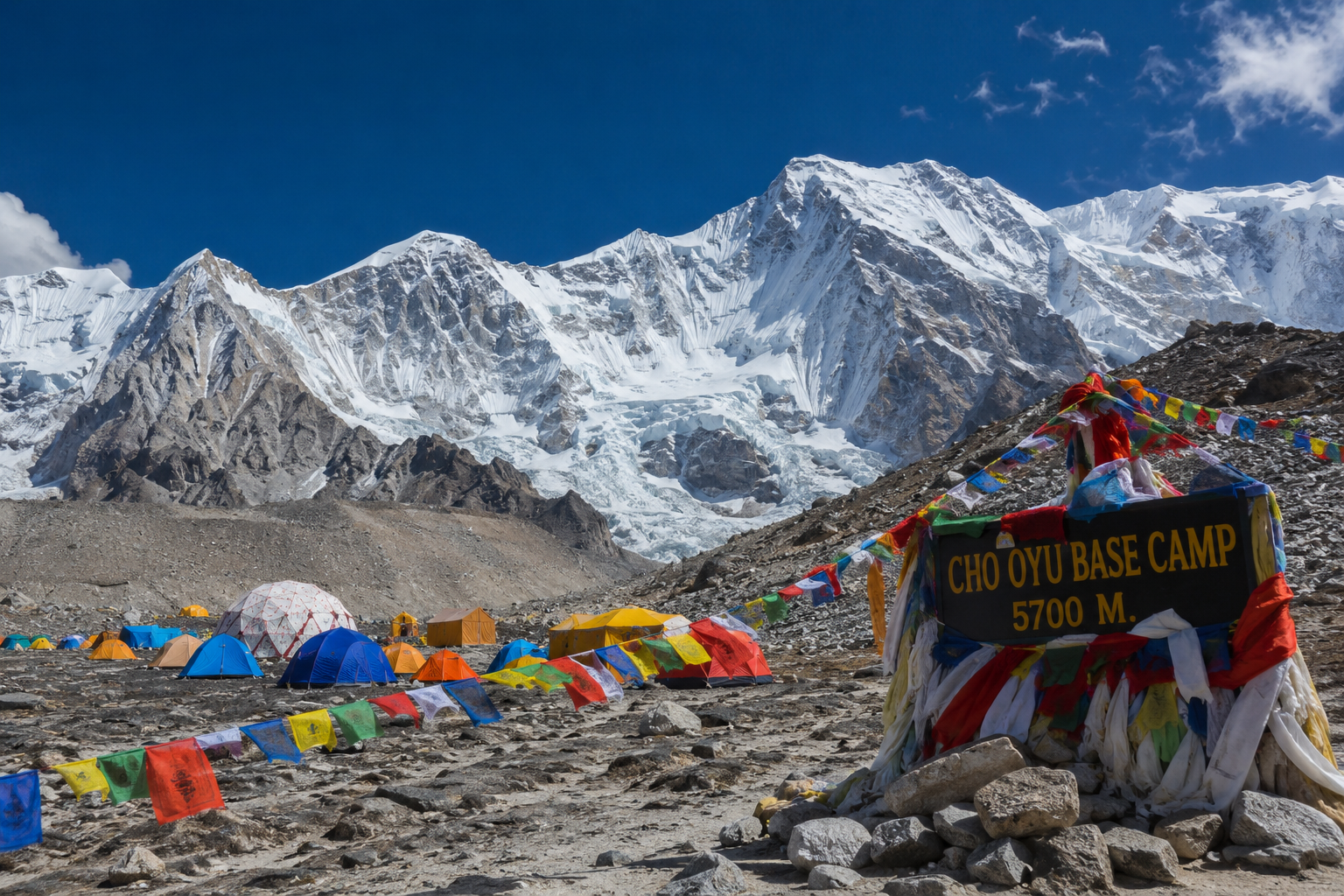
For trekkers looking to explore beyond the main Gokyo trail, Cho Oyu Base Camp is an excellent side trip. Located at the foot of Cho Oyu (8,188 m / 26,864 ft), the world's sixth-highest mountain, the base camp offers a quieter and more remote experience than many other destinations in the Everest region.
The route passes through rugged glacial terrain, with impressive views of the Ngozumpa Glacier and the surrounding snow-covered peaks. Although this extension requires extra time and good physical fitness, it rewards experienced trekkers with outstanding mountain scenery and a true sense of exploration.
Gokyo Lakes Trek: Route, Itinerary, and Trail Overview
Hidden on the quieter side of Nepal's Everest region, the Gokyo Lakes Trek takes you through peaceful Sherpa villages, alpine valleys, ancient yak pastures, and the breathtaking turquoise Gokyo Lakes.
While many trekkers choose the classic Everest Base Camp Trek, this route offers a more peaceful journey without missing the spectacular views of Mount Everest and the surrounding Himalayan giants.
The combination of pristine glacial lakes, fewer crowds, and unforgettable mountain scenery makes the Gokyo Valley one of the most rewarding trekking destinations in Nepal.
The trek offers much more than beautiful landscapes. Along the way, you'll experience the rich Sherpa culture, visit traditional mountain villages, walk beside the impressive Ngozumpa Glacier, and enjoy some of the finest panoramic viewpoints in the Everest region.
Many experienced trekkers even consider Gokyo Ri to offer a better all-round view than Kala Patthar, as it overlooks both Mount Everest and the vast Ngozumpa Glacier in a single breathtaking panorama.
The Trekking Route at a Glance
The adventure begins with a scenic mountain flight from Kathmandu to Lukla, followed by a trek through Phakding to Namche Bazaar, the vibrant Sherpa town known as the gateway to the Everest region.
After spending a day acclimatizing and enjoying the spectacular views from Hotel Everest View, the trail leaves the busy Everest Base Camp route and enters the quieter Gokyo Valley.
From Namche, the trail passes through the peaceful villages of Phortse, Dole, and Machhermo before reaching Gokyo Village, beautifully situated beside the emerald waters of Gokyo Tsho.
As the crowds become fewer, the landscape grows even more dramatic, with wide alpine valleys, towering snow-covered peaks, and the immense Ngozumpa Glacier creating a truly unforgettable setting.
Most trekkers spend an extra day in Gokyo to climb Gokyo Ri (5,357 m / 17,575 ft), widely regarded as one of the finest viewpoints in the Everest region. On a clear day, the summit rewards you with breathtaking views of Mount Everest, Lhotse, Makalu, Cho Oyu, Nuptse, Pumori, and the vast Ngozumpa Glacier stretching far below. If time allows, you can also explore the Fourth, Fifth, and Sixth Gokyo Lakes or continue toward Cho Oyu Base Camp for an even more remote Himalayan adventure.
Duration and Trek Difficulty
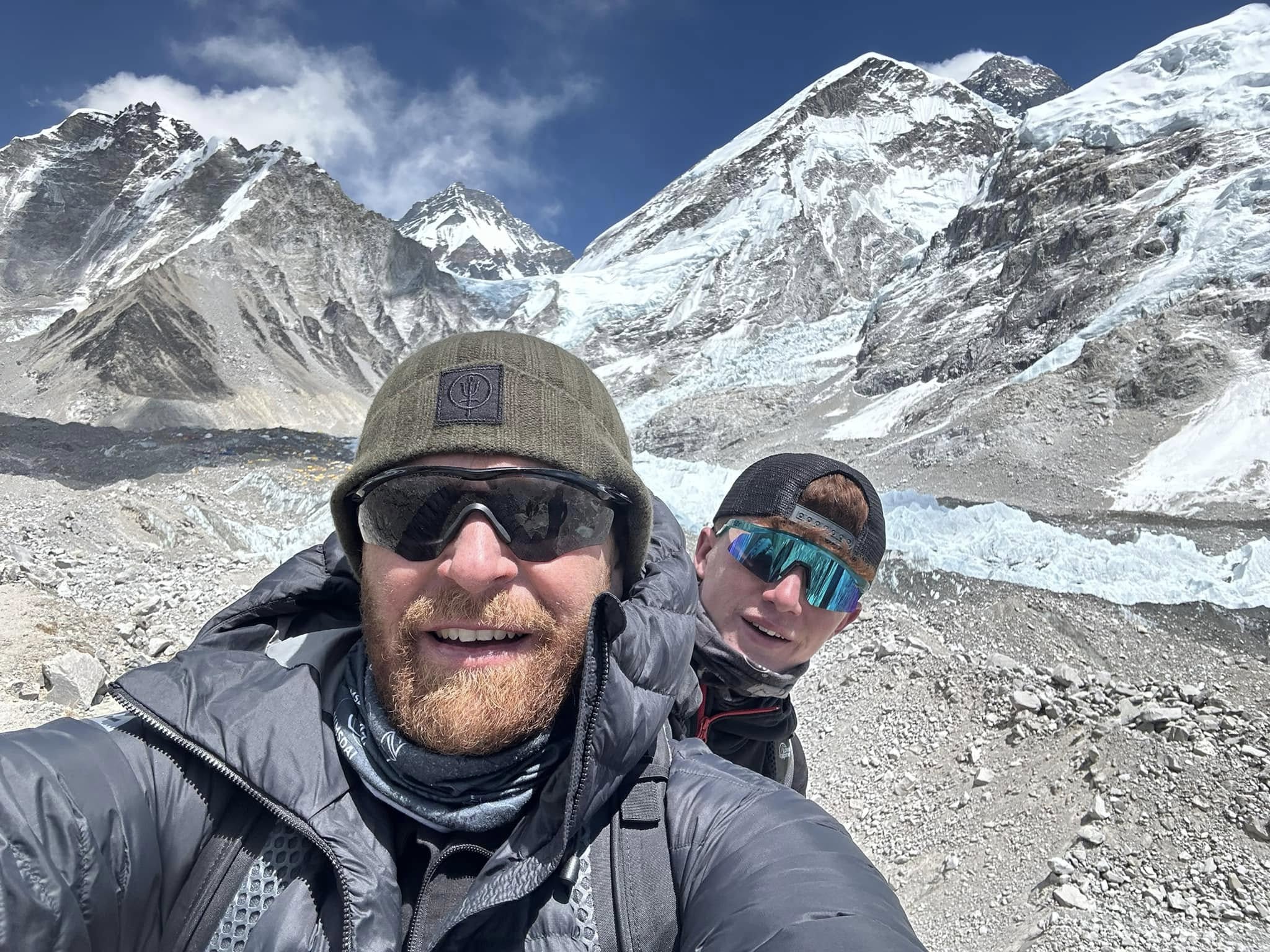
A classic Gokyo Lakes trek usually takes 14 days, including your arrival and departure in Kathmandu. The itinerary follows a gradual ascent with a dedicated acclimatization day in Namche Bazaar, helping your body adjust safely to the increasing altitude before reaching Gokyo.
The trek is considered moderately challenging and is suitable for anyone with a good level of fitness and proper preparation. Most trekking days involve 5 to 7 hours of walking, with a few longer days at higher elevations.
Previous trekking experience is helpful but not essential, as long as you maintain a steady pace, stay well hydrated, and allow enough time for acclimatization.
Compared to the Everest Base Camp Trek, the Gokyo route is noticeably quieter while offering equally spectacular mountain scenery. Many trekkers choose this trail for its peaceful atmosphere, pristine glacial lakes, and outstanding viewpoints, making it an excellent alternative for those seeking a less crowded Himalayan adventure.
Alternative Popular Route Trekking
One of the greatest advantages of the Gokyo Lakes Trek is its flexibility. If you have extra time and enjoy more challenging adventures, the route can easily be extended to include some of the Everest region's most famous trekking circuits.
Many trekkers continue over Renjo La Pass for magnificent views and a quieter return route, while others cross the challenging Cho La Pass to join the Everest Base Camp Trek.
For experienced hikers looking for the ultimate Khumbu adventure, the Gokyo Lakes Trek can also be combined with the legendary Everest Three High Passes Trek, creating one of the most complete and rewarding trekking experiences in the Himalayas.
Gokyo Lakes Route Extensions
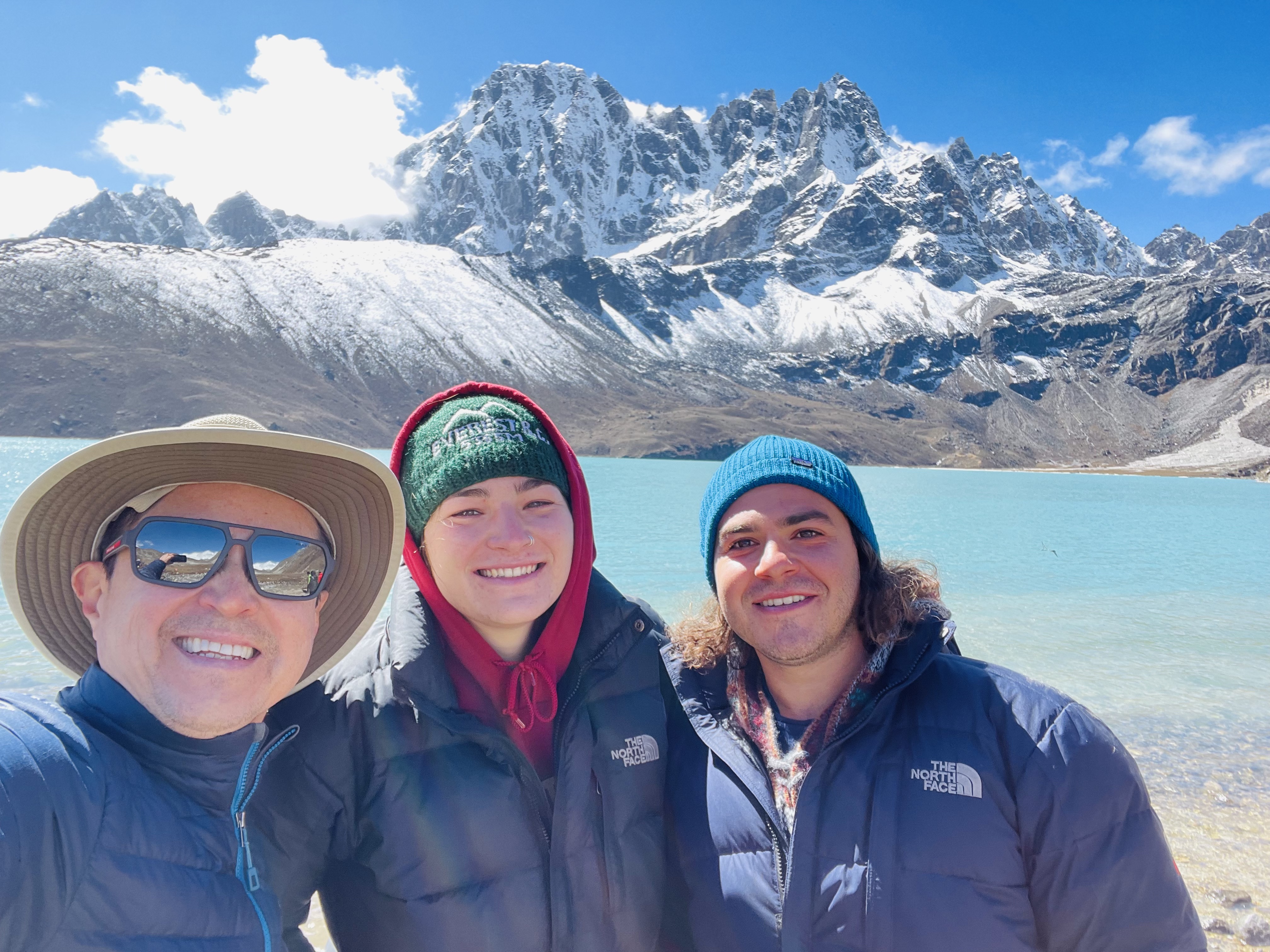
One of the best things about the Gokyo Lakes Trek is its flexibility. If you have extra time and are looking for a bigger adventure, the route can easily be extended to include some of the Everest region's most spectacular mountain passes and iconic destinations.
Whether you choose to cross Renjo La Pass, continue to Everest Base Camp via Cho La Pass, or complete the Everest Three High Passes Trek, each option offers a different perspective of the Khumbu and an even more rewarding trekking experience.
Gokyo Lakes with Renjo La Pass
If you're looking for a quieter alternative to the classic Everest trails, combining the Gokyo Lakes Trek with Renjo La Pass (5,360 m / 17,585 ft) is an excellent choice. Renjo La is one of the famous Everest Three High Passes and is often regarded by local guides as the most scenic because of its sweeping views over the Gokyo Valley.
The trail climbs gradually from Gokyo Village through glacial valleys and rocky alpine terrain before reaching the top of the pass. Although the ascent is physically demanding due to the altitude, it does not require technical climbing and is suitable for well-prepared trekkers with proper acclimatization.
From the summit, you'll enjoy spectacular views of the entire Gokyo Lake system, the sprawling Ngozumpa Glacier, and Himalayan giants such as Everest, Cho Oyu, Lhotse, and Makalu. After crossing the pass, the trail descends into the peaceful Lungden Valley, where you'll experience a quieter side of the Khumbu away from the busier Everest Base Camp route.
Gokyo Lakes with Cho La Pass and Everest Base Camp
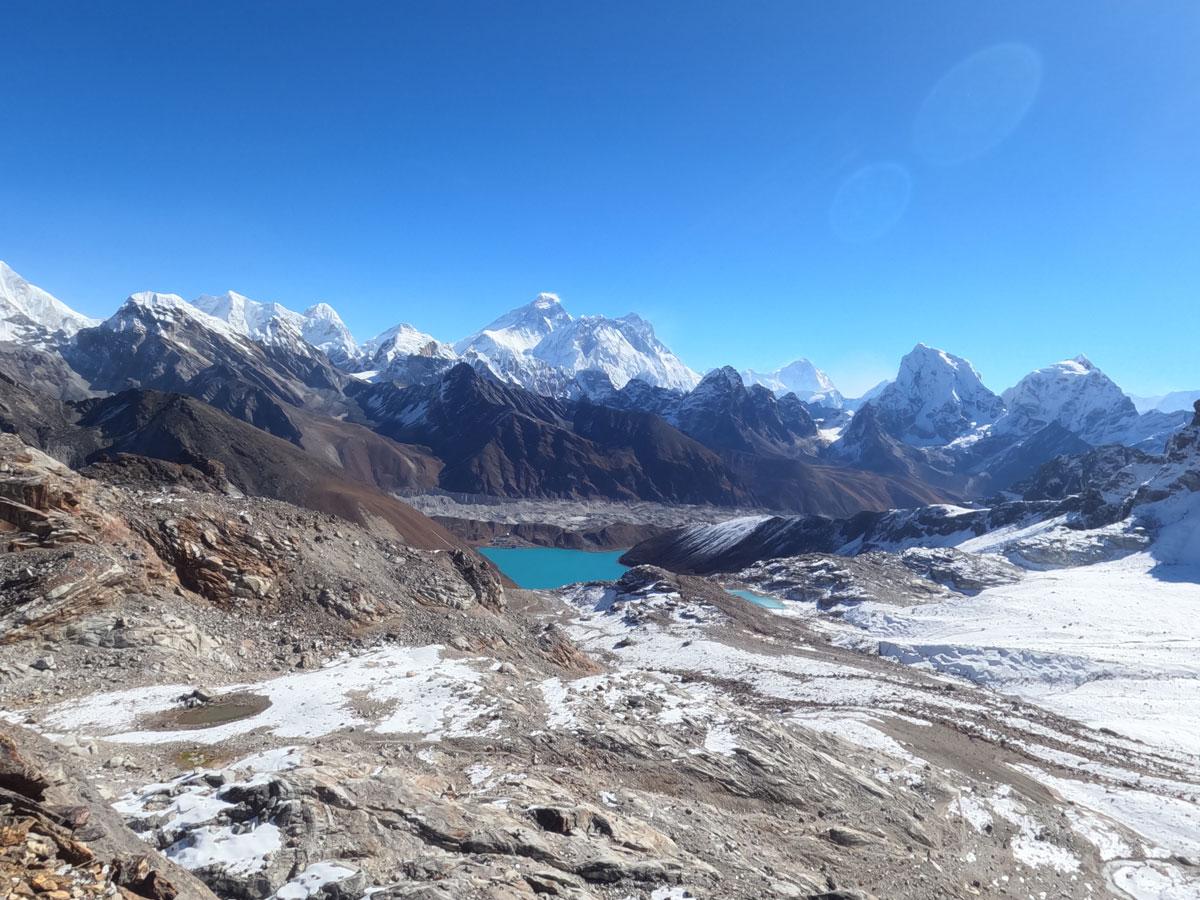
For trekkers who want to experience both the peaceful beauty of Gokyo and the excitement of reaching Everest Base Camp, crossing Cho La Pass (5,420 m / 17,782 ft) is one of the most popular route extensions.
After exploring the Gokyo Lakes and climbing Gokyo Ri, the trail crosses the rugged Cho La Pass before descending to Lobuche, where it joins the classic Everest Base Camp trail. From there, you'll continue to Everest Base Camp and usually hike to Kala Patthar (5,545 m / 18,192 ft) for one of the closest viewpoints of Mount Everest.
Cho La Pass is more challenging than the standard Gokyo route, especially during winter and early spring when snow and ice can make trail conditions more difficult. Trekking with an experienced local guide and allowing enough time for acclimatization will help make this memorable crossing both safer and more enjoyable.
Everest Three High Passes Trek with Gokyo Lakes
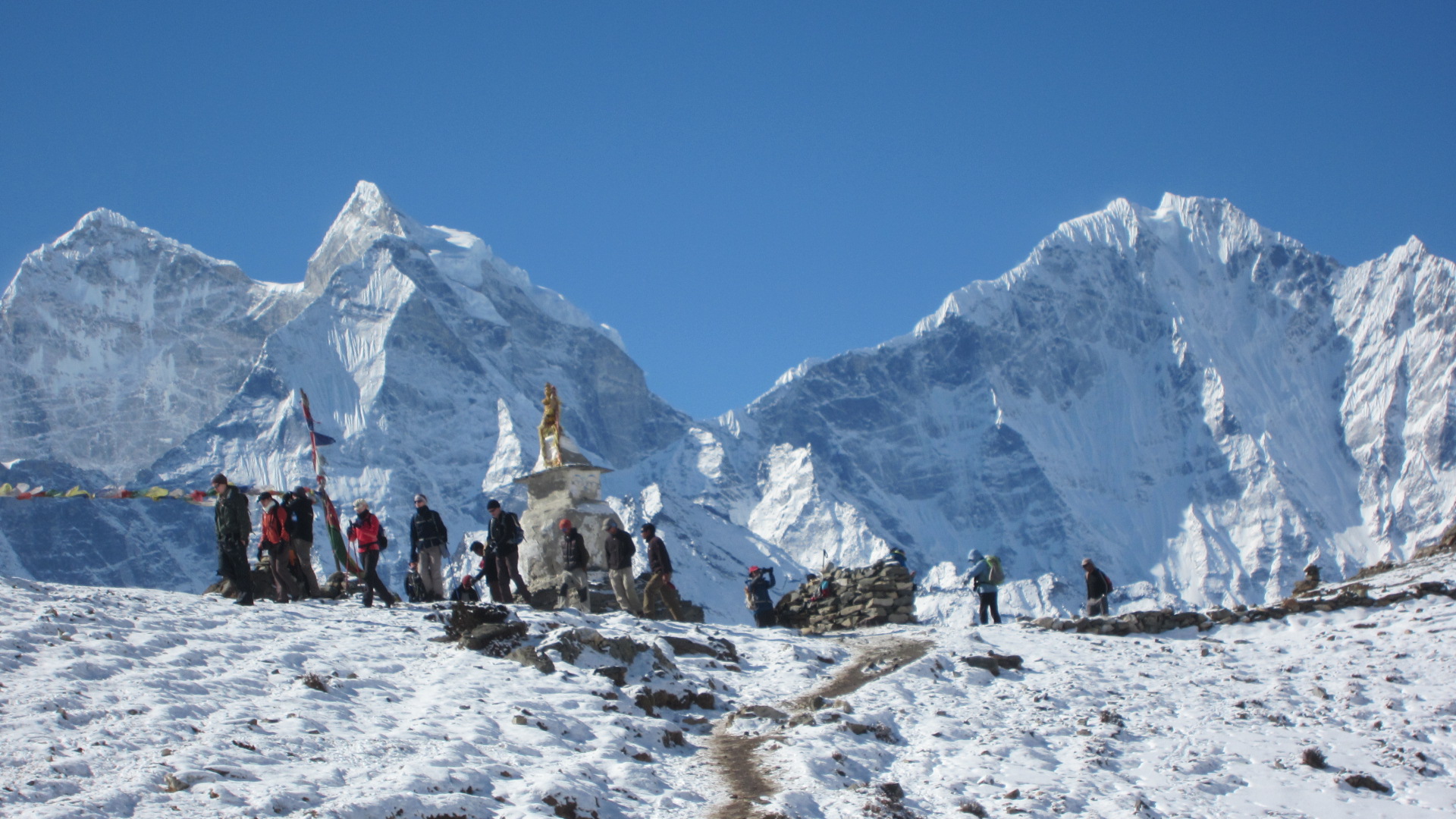
If you're an experienced trekker seeking the ultimate adventure in the Everest region, the Everest Three High Passes Trek is hard to beat. This challenging circuit links Renjo La Pass (5,360 m), Cho La Pass (5,420 m), and Kongma La Pass (5,535 m / 18,159 ft), connecting many of the Khumbu's most spectacular landscapes.
Along the way, you'll visit the Gokyo Lakes, climb Gokyo Ri, reach Everest Base Camp, hike to Kala Patthar, cross high mountain passes, walk beside the Ngozumpa Glacier, and pass through traditional Sherpa villages. With constantly changing scenery and panoramic views of Everest, Lhotse, Makalu, Cho Oyu, Nuptse, and many other peaks, it's one of Nepal's most complete trekking experiences.
Because of its length, altitude, and demanding terrain, this trek is best suited to hikers with previous high-altitude trekking experience, good fitness, and enough time for proper acclimatization.
Trek Difficulty, Altitude, and Acclimatization
The Gokyo Lakes Trek is considered moderately challenging. The trails are well-established, and no technical climbing is required, but trekking above 5,000 meters demands good fitness, patience, and careful acclimatization. For most trekkers, the altitude is a greater challenge than the terrain itself.
A well-planned itinerary includes gradual altitude gain and an acclimatization day in Namche Bazaar, giving your body time to adjust before heading higher into the Gokyo Valley. Taking the trek slowly greatly reduces the risk of acute mountain sickness (AMS) and makes the journey more enjoyable.
Most trekking days involve 5 to 7 hours of walking, while days that include Renjo La Pass, Cho La Pass, or longer side trips can take a little longer. Walking at a comfortable pace, staying hydrated, eating regular meals, and listening to your body are some of the simplest ways to adapt to the altitude.
If you develop persistent headaches, nausea, dizziness, or unusual shortness of breath, don't ignore the symptoms. Rest, monitor how you feel, and descend if your condition doesn't improve. Trekking with an experienced local guideprovides an extra level of safety, particularly on remote trails and high mountain passes.
Permits, Accommodation, Food, and Internet
Before starting the trek, you'll need two permits: the Sagarmatha National Park Entry Permit and the Khumbu Pasang Lhamu Rural Municipality Permit. Most trekking companies arrange these permits in advance, although they can also be obtained before entering the trekking region.
Accommodation is provided in traditional teahouses found in every village along the route. Rooms are simple, clean, and comfortable, usually offering twin beds, blankets, and shared bathrooms. Facilities become more basic as you gain altitude, but the genuine hospitality of local Sherpa families is one of the most memorable parts of the trek.
Food is varied and surprisingly good for such a remote region. You'll find local favorites like dal bhat, along with fried rice, noodles, soups, potatoes, eggs, pasta, pancakes, and seasonal vegetables. Hot drinks, including tea, coffee, ginger tea, and hot lemon, are available at almost every lodge and are especially welcome after a day's walk.
Mobile phone coverage is available in many villages, although signals become less reliable at higher elevations. Most teahouses also offer Wi-Fi and device charging for an additional fee. Since internet connections can be slow or weather-dependent, it's a good idea to download offline maps and important travel information before leaving Kathmandu.
Wildlife and Sagarmatha National Park
The Gokyo Lakes are located inside Sagarmatha National Park, Nepal's first national park and a UNESCO World Heritage Site. Established in 1976, the park protects an extraordinary landscape of glaciers, alpine meadows, forests, high-altitude wetlands, and some of the world's highest mountains.
As you walk through the park, you may spot Himalayan tahr, musk deer, the colorful Himalayan monal (Danphe), Nepal's national bird, blood pheasants, and snow pigeons. Although sightings are extremely rare, the park is also home to elusive wildlife such as the snow leopard and red panda.
The landscape changes noticeably as you gain altitude. Lower sections of the trail pass through forests of pine, fir, juniper, and rhododendron, while higher elevations give way to alpine grasslands, rocky terrain, and glacial valleys.
Protecting this fragile environment is an important part of trekking responsibly. Staying on marked trails, carrying out your rubbish, and respecting local wildlife help preserve the natural beauty of the Gokyo region for future trekkers.
Sherpa Culture Around Gokyo Lakes
The Gokyo Lakes are not only famous for their spectacular mountain scenery but also for the rich Sherpa culture that has flourished in the Khumbu region for centuries. As you trek through villages such as Dole, Machhermo, and Gokyo Village, you'll experience the warm hospitality that Sherpa communities are known for.
Staying in locally owned teahouses offers a wonderful opportunity to enjoy traditional Sherpa and Nepali meals while learning about the mountain lifestyle from the people who call this region home.
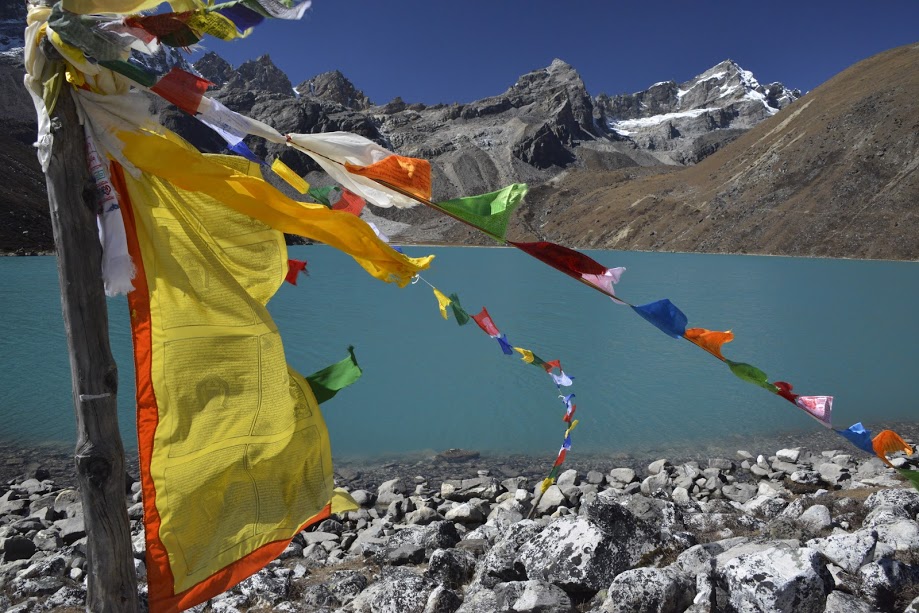
The trail is lined with colorful prayer flags, mani walls, chortens, and centuries-old monasteries, reflecting the deep influence of Tibetan Buddhism. These sacred landmarks are more than beautiful monuments.
They remain an important part of daily life, and trekkers are encouraged to walk around them in a clockwise direction as a sign of respect. Taking time to understand these traditions adds another meaningful dimension to your Gokyo Lakes adventure.
Religious Significance of Gokyo Lakes
Beyond their natural beauty, the Gokyo Lakes are among the most sacred alpine lakes in Nepal. Both Hindus and Buddhists consider the lakes holy, and many believe they are the home of Nag Devta, the serpent deity who protects water sources. Small shrines dedicated to Lord Shiva and Lord Vishnu around the lakes further reflect their importance in Hindu tradition.
Every year during Janai Purnima, usually celebrated in August, pilgrims from across Nepal make the journey to Gokyo to bathe in the sacred lakes and offer prayers.
For local communities, this is an important religious festival that has been observed for generations. Visitors are welcome to witness these traditions, but they should respect local customs by avoiding littering, keeping noise to a minimum, and treating the lakes and religious sites with care.
This blend of natural beauty, spiritual heritage, and living culture is one of the reasons the Gokyo Lakes hold such a special place in Nepal's Everest region.
Conclusion
The Gokyo Lakes Trek is more than a journey to a beautiful destination. It's an opportunity to experience a quieter side of Nepal's Everest region, where turquoise glacial lakes, welcoming Sherpa villages, ancient monasteries, and towering Himalayan peaks come together to create an unforgettable adventure.
Whether you choose the classic Gokyo Lakes Trek, cross Renjo La Pass, continue to Everest Base Camp via Cho La Pass, or take on the Everest Three High Passes Trek, each route offers its own unique highlights and lasting memories.
With good preparation, a well-planned itinerary, and enough time for acclimatization, the trek is achievable for anyone with a reasonable level of fitness.
If you're looking for spectacular mountain scenery without the crowds found on some of the region's busier trails, Gokyo is an excellent choice. We hope this guide has given you the information and confidence to plan your adventure and discover one of Nepal's most remarkable trekking destinations.