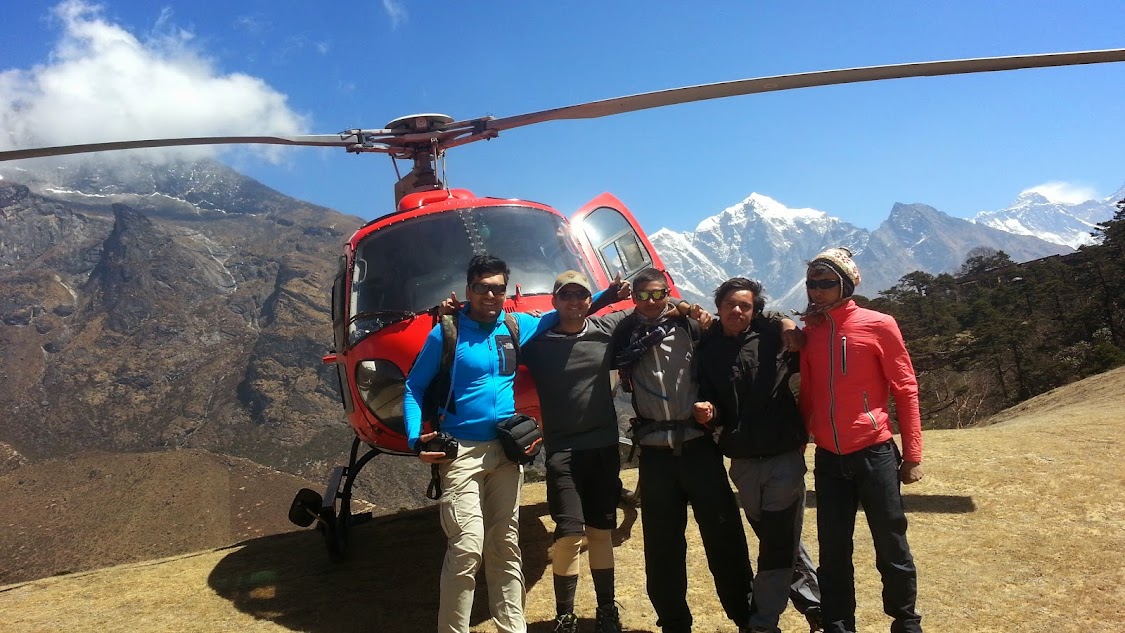
This option is very helpful for travelers who have limited time in Nepal but still want to experience the full Everest Base Camp journey. Instead of trekking back for another three or four days, you can return to Kathmandu in a short time while enjoying incredible views of Everest, Ama Dablam, the Khumbu Glacier, and the valleys below.
Many trekkers think going downhill is easy, but after many days at high altitude, the descent can actually feel harder on the knees and legs. We often see trekkers become more tired on the return walk than on the way up. The helicopter returnmakes the journey easier and more comfortable, especially for older trekkers, beginners, couples, or families.
For most people, the challenge is the thin air at higher altitudes rather than the trail itself. Once you go above Namche Bazaar toward Dingboche, Lobuche, and Gorak Shep, walking becomes slower, and our bodies get tired more quickly. Even people who hike regularly can feel the altitude in the Everest region.
One thing many trekkers do not realize before the trip is that the downhill walk back can feel very long after reaching Everest Base Camp. Legs become heavy, knees get sore, and many people lose energy on the return journey. That is why the helicopter return has become such a popular option. Instead of spending several more days walking downhill, you can fly back over the mountains and reach Kathmandu much faster.
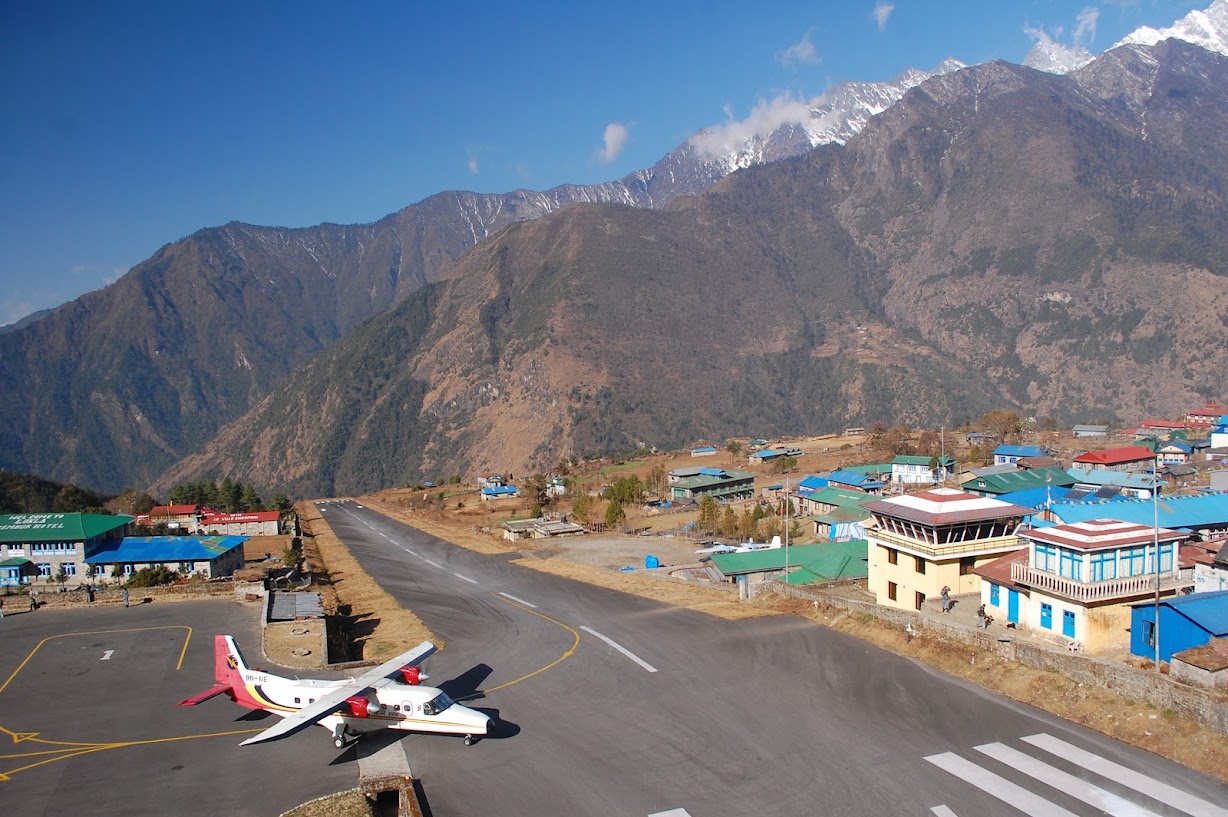
Day 2: Fly to Lukla (2,860m) and Trek to Phakding (2,610 m).
Flights to Lukla depend completely on the weather. Even a little fog, wind, or cloud can delay or cancel flights very quickly. Sometimes trekkers only wait a few hours, but during busy trekking seasons, delays can last a full day or even longer.
For this reason, we always recommend keeping at least 2 or 3 extra buffer days in your Nepal itinerary before your international flight home. These extra days can make a huge difference and remove a lot of unnecessary stress if the weather affects flights in or out of Lukla.
In some situations, helicopter transfers can be a helpful backup option, especially during long flight delays or when trekkers are trying to avoid missing international connections. Helicopters are sometimes able to fly in conditions where regular Lukla flights cannot operate, which can save valuable time during busy seasons.
We also suggest keeping important items such as medication, chargers, snacks, travel documents, and a warm jacket in your carry-on bag. During peak trekking periods, baggage can occasionally arrive later than expected. Early morning flights usually have the best chance of operating because weather conditions are often clearer before midday.
Everest Base Camp Trek Accommodation, Tea Houses, and Food Guide
One of the biggest questions trekkers ask before joining the Everest Base Camp Trek is what the accommodation and food are really like in the mountains. Many people imagine very difficult conditions, but the reality is often much more comfortable than expected. Over the years, tea houses in the Everest region have improved a lot, especially along the main Everest Base Camp trail.
From our experience guiding trekkers in the Everest region, understanding the accommodation and food before arriving in Nepal helps people feel more prepared and relaxed for the journey. The Everest Base Camp Trek is still a real Himalayan adventure, but you do not need to camp or carry cooking equipment. Along the trail, local tea houses provide warm meals, simple rooms, and welcoming places to rest after long trekking days.
Whether you are planning the classic Everest Base Camp Trek or the Everest Base Camp Trek with Helicopter Return, this guide will help you understand what to expect from tea houses, food, dining rooms, showers, charging facilities, and accommodation at different altitudes.
What Are Tea Houses on the Everest Base Camp Trek?
Tea houses are small mountain lodges run by local Sherpa families along the Everest Base Camp route. They provide simple accommodation, meals, and a warm place to rest during the trek.
Most tea houses include the following:
- Twin-sharing rooms
- Beds with pillows and blankets
- Shared dining halls
- Simple toilets
- Food and hot drinks
- Charging facilities
- Limited Wi-Fi
In lower villages like Phakding and Namche Bazaar, tea houses are often much more comfortable than trekkers expect. Some lodges even have attached bathrooms, hot showers, bakeries, and cafes.
As you trek higher toward Dingboche, Lobuche, and Gorak Shep, the accommodation becomes more basic because all supplies must be carried into the mountains by porters, yaks, or helicopters.
Even with simple facilities, the warm atmosphere inside the tea houses becomes one of the most memorable parts of the Everest trek. After long trekking days, sitting around the dining room with hot tea and sharing stories with other trekkers becomes part of the experience itself.
Rooms and Accommodation on the Everest Base Camp Trek
The rooms on the Everest Base Camp Trek are usually simple but comfortable enough for trekking.
Most rooms include:
- Two single beds
- Foam mattresses
- Pillows
- Blankets
- Small table
- Basic lighting
The walls are often made from plywood, so rooms can become very cold at night, especially above Dingboche. Bringing a good sleeping bag is highly recommended.
In villages like Lukla, Phakding, and Namche Bazaar, you can often find better lodges with private bathrooms and hot showers. Higher on the trail, especially in Lobuche and Gorak Shep, the lodges become simpler because of the harsh mountain environment.
From our experience, most trekkers are pleasantly surprised by the comfort of tea houses, especially during the first half of the trek.
Tea House Dining Rooms
The dining room is the heart of every tea house in the Everest region.
Most tea houses have a large heated dining area where trekkers eat meals, relax, charge devices, and spend time together in the evenings. The dining room is usually heated by a yak dung stove placed in the center of the room. While it may sound unusual at first, it works very well in the mountains and keeps the room warm during cold evenings.
After sunset, temperatures outside can become freezing, especially near Everest Base Camp. The dining room quickly becomes the warmest and busiest part of the lodge. Many trekkers say some of their favorite memories come from sitting around the stove, drinking tea, and talking with travelers from around the world.
Food on the Everest Base Camp Trek
Food in the Everest region has improved greatly over the years. Many first-time trekkers are surprised by the variety of meals available during the trek.
Most tea house menus include the following:
- Dal Bhat
- Fried rice
- Noodles
- Pasta
- Potatoes
- Soups
- Pancakes
- Eggs
- Porridge
- Tibetan bread
- Pizza
- Momos
- Chow mein
Tea houses also serve the following:
- Tea
- Coffee
- Hot chocolate
- Ginger lemon honey tea
- Soft drinks
- Snacks
As you go higher, food becomes more expensive because every item must be carried into the mountains.
Why Dal Bhat Is So Popular
Dal Bhat is the most common meal on the Everest Base Camp trail and one of the best foods for trekking at altitude.
A typical Dal Bhat meal includes the following:
- Rice
- Lentil soup
- Vegetables
- Curry
- Pickles
Trekkers often joke, “Dal Bhat power, 24 hours,” and after a few days on the trail, many people start believing it.
From our experience guiding trekkers, Dal Bhat is one of the best meals for the Everest trek because it gives steady energy, is freshly cooked, filling, and usually comes with free refills.
Is the Food Safe on the Everest Base Camp Trek?
In general, food on the Everest Base Camp Trek is safe if you follow basic trekking advice.
We usually recommend:
- Avoiding meat above Namche Bazaar
- Drinking purified water
- Eating freshly cooked meals
- Washing hands regularly
- Carrying hand sanitizer
Higher in the mountains, meat is carried long distances without refrigeration, so many experienced guides recommend sticking to vegetarian meals during the trek.
Cooked foods like rice, noodles, soups, potatoes, and Dal Bhat are usually the safest choices.
Drinking Water on the Everest Base Camp Trek
Staying hydrated is extremely important at high altitude. Most trekkers should aim to drink around 3 to 5 liters of water each day.
Most tea houses sell the following:
- Boiled water
- Bottled water
- Filtered water
However, buying bottled water creates unnecessary plastic waste in the mountains.
Many experienced trekkers now carry the following:
- Water purification tablets
- UV purifiers
- Water filters
These options are cheaper, better for the environment, and more practical during long trekking days.
Hot Showers, Charging, and Wi-Fi
Tea houses along the Everest Base Camp route usually offer the following:
- Hot showers
- Charging facilities
- Wi-Fi
However, these services often cost extra.
In lower villages, hot showers are usually more reliable. Higher on the trail, showers become more expensive, and water may freeze during colder months. Charging phones and cameras also costs more because electricity is limited in remote mountain areas.
Many trekkers bring:
- Power banks
- Solar chargers
- Spare batteries
Wi-Fi is available in many villages, but the connection can often be slow or unreliable.
Best Tea House Stops on the Everest Base Camp Trek
Namche Bazaar
Namche Bazaar has some of the best tea houses, bakeries, cafes, and hotels in the Everest region. Many trekkers enjoy spending extra time here during acclimatization days.
Dingboche
Dingboche offers comfortable lodges with beautiful mountain views and a quieter atmosphere compared to lower villages.
Phakding
Phakding has cozy tea houses beside the river and is a relaxing first stop after flying into Lukla.
Accommodation During the Everest Base Camp Helicopter Return Trek
Trekkers joining the Everest Base Camp Trek with Helicopter Return usually stay in the same tea houses as classic trekkers during the journey to Base Camp.The main difference comes after reaching Everest Base Camp or Kala Patthar. Instead of trekking back down to Lukla over several days, trekkers return to Kathmandu by helicopter.
This option:
- Saves time
- Reduces physical strain
- Avoids the long downhill walk
Many trekkers with limited time in Nepal now prefer this style of trekking because it combines the full trekking experience with a quicker and more comfortable return.
What to Expect at Gorak Shep
Gorak Shep is the final settlement before Everest Base Camp.
Accommodation here is very basic because of the extreme altitude.
Trekkers should expect:
- Colder rooms
- Simpler toilets
- Limited facilities
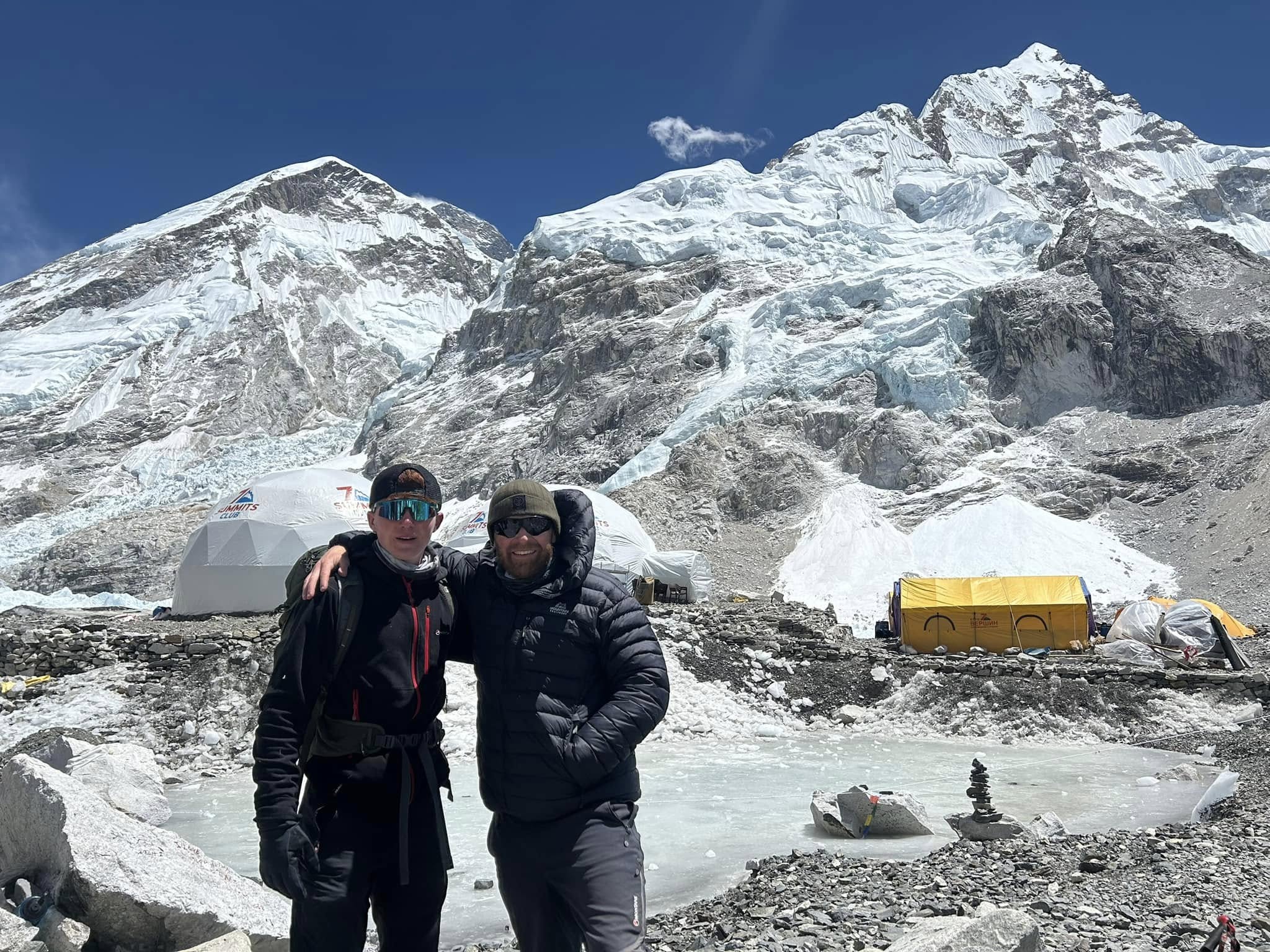
Despite the simple conditions, staying at Gorak Shep is still a memorable experience because you are surrounded by glaciers and stunning Himalayan peaks.
Most trekkers spend one night here before hiking to Everest Base Camp and Kala Patthar.
Tips for Staying Comfortable in Tea Houses
Here are some simple tips that can make your Everest trek more comfortable:
- Bring a warm sleeping bag
- Carry toilet paper
- Bring wet wipes
- Use a power bank
- Carry earplugs
- Pack warm layers
- Drink plenty of water
- Bring snacks for long trekking days
These small things can make a big difference during the trek.
.JPG)
How Can You Prevent Altitude Sickness on the Everest Base Camp Trek?
Altitude sickness is one of the common concerns for trekkers heading to Everest Base Camp. Every year, thousands of people complete the trek successfully, including many first-time trekkers, but high altitude affects everyone differently. Once you climb above 3,000 meters, the air becomes thinner, oxygen levels drop, and your body has to work much harder to adjust.
The good news is that altitude sickness is often preventable with the right itinerary, proper acclimatization, hydration, and a steady pace on the trail. One of the most important things to understand is that trekking to Everest Base Camp is not a race. In the mountains, going slowly is usually the safest and smartest approach. Local guides in the Everest region often say “bistari bistari,” which means “slowly slowly” in Nepali. It may sound simple, but this advice genuinely helps trekkers adjust better to the altitude.
Why Altitude Sickness Happens
As you gain elevation in the Everest region, air pressure decreases, and your body receives less oxygen with every breath. This is why even short uphill climbs between places like Namche Bazaar, Dingboche, and Lobuche can suddenly feel exhausting.
Most trekkers begin noticing mild symptoms after Namche Bazaar at 3,440 meters. By the time you reach Everest Base Camp at 5,364 meters or Kala Patthar at 5,545 meters, your body is working much harder than it would at sea level.
Common early symptoms can include:
- Mild headache
- Fatigue
- Poor sleep
- Loss of appetite
- Dizziness
Proper Acclimatization Is Essential
A well-planned Everest Base Camp itinerary should always include acclimatization days, especially at:
These extra days allow your body time to adapt gradually to lower oxygen levels. Most trekkers hike to a higher elevation during the day and return to sleep lower, which helps improve acclimatization naturally.
Many people underestimate how important these rest days are. In reality, they are one of the biggest reasons trekkers safely and successfully reach Everest Base Camp.
Stay Hydrated on the Trail
Hydration plays a huge role in preventing altitude sickness. The cold and dry Himalayan air can dehydrate you much faster than expected, even when you do not feel sweaty. Most experienced trekking guides recommend drinking around 3 to 4 liters of water per day during the trek. Electrolyte tablets or hydration powders can also help replace lost minerals during long hiking days. Tea and soups are helpful, especially in colder villages higher on the trail, but plain water is still essential.
Eat Regularly Even if You Are Not Hungry
Loss of appetite is very common at high altitude, but your body still needs energy to function properly.
Along the Everest Base Camp trail, trekkers usually eat simple meals such as:
- Dal Bhat
- Noodle soup
- Rice dishes
- Potatoes
- Garlic soup
Should You Take Diamox?
Many trekkers carry Diamox (acetazolamide) during the Everest Base Camp trek to help with acclimatization. It can help the body adjust to altitude more efficiently by improving breathing and oxygen adaptation. Some trekkers take it preventively, while others only use it if symptoms begin developing. However, medication should only be taken after speaking with a qualified doctor, especially if you have allergies or existing medical conditions.
Never Ignore Serious Symptoms
One of the biggest mistakes trekkers make is continuing higher despite worsening symptoms because they are focused on reaching Everest Base Camp.
Symptoms that should never be ignored include:
- Severe headache
- Persistent nausea or vomiting
- Difficulty breathing
- Confusion
- Loss of coordination
- Chest tightness
- Extreme weakness
In the Himalayas, descending early is always the safest decision. Experienced guides know that the mountains will always be there, but your health comes first. In serious cases, oxygen support or helicopter evacuation may be necessary, which is why recognizing symptoms early is extremely important.
Everest Base Camp Helicopter Return vs Classic EBC Trek: Which Option Is Better?
Choosing between the Classic Everest Base Camp Trek and the Everest Base Camp Helicopter Return Trek depends on the kind of experience you want in the Himalayas. Both treks take you to Everest Base Camp and Kala Patthar, but the return trip and overall journey can feel quite different.
The Classic EBC Trek is the traditional choice that most trekkers follow. After flying to Lukla, you walk through popular mountain villages like Namche Bazaar, Tengboche, Dingboche, and Lobuche before reaching Everest Base Camp. You then return on the same trail back to Lukla. Most trips take around 12 to 14 days. The slower schedule gives your body more time to adjust to the high altitude and allows you to enjoy the mountains, Sherpa culture, and village life more closely.
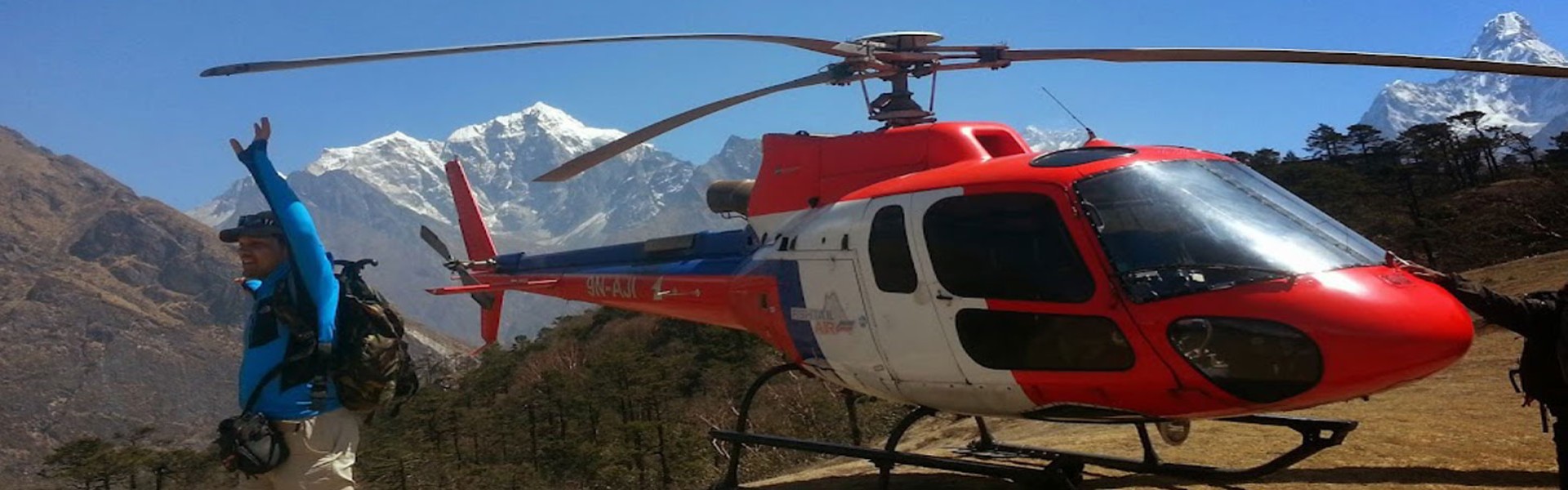
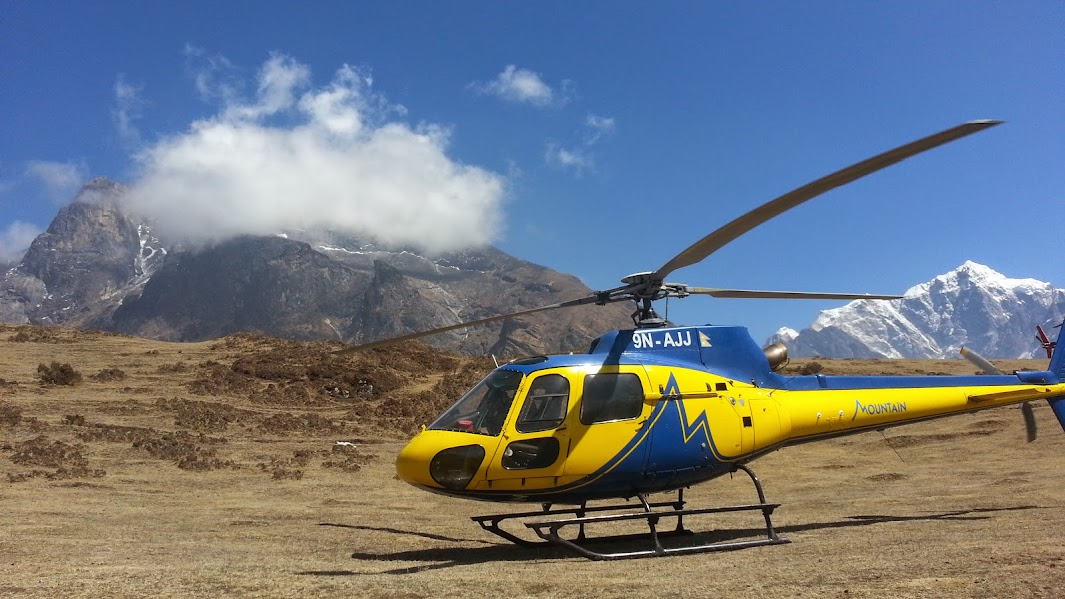
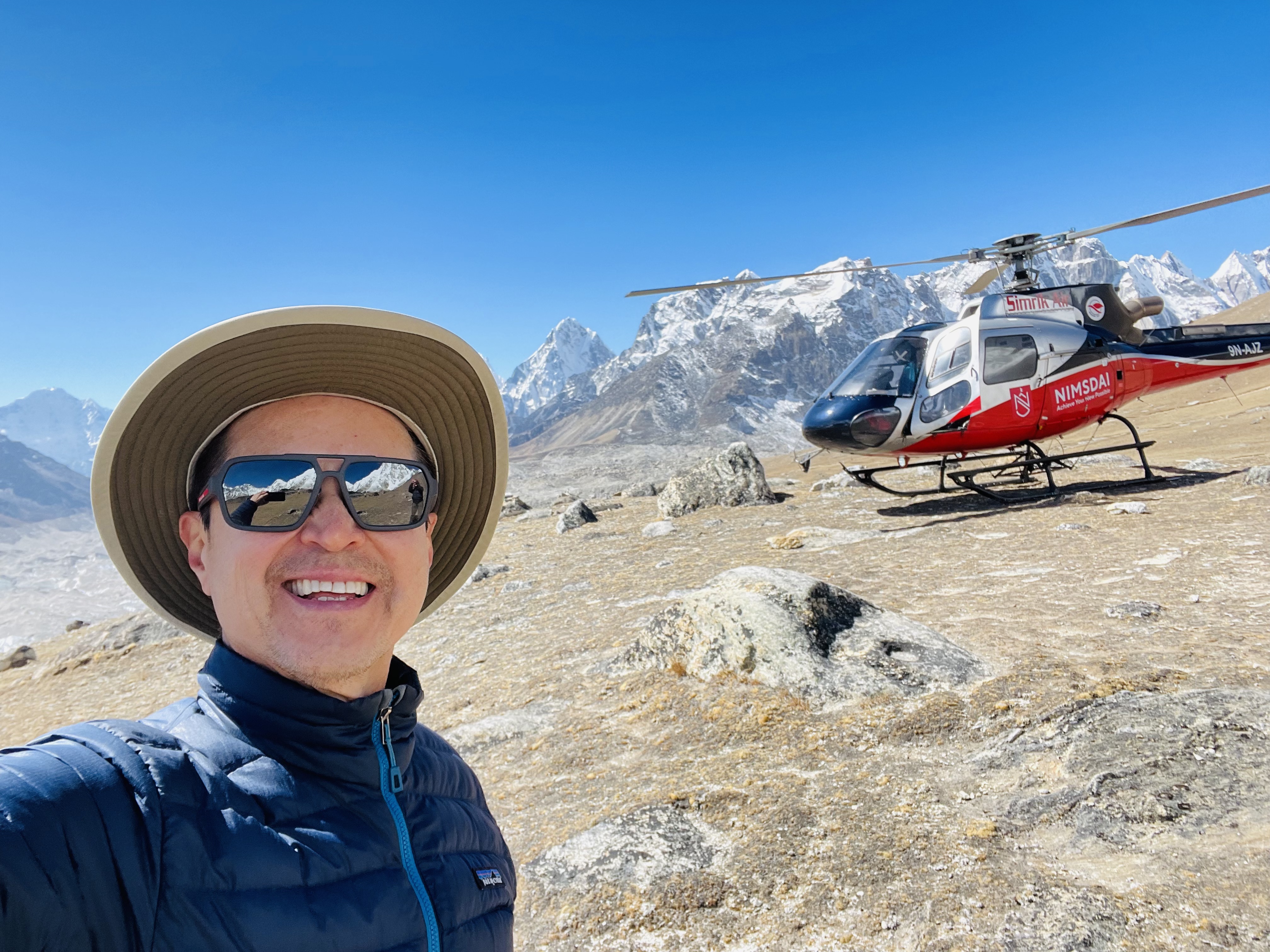
The Everest Base Camp Helicopter Return Trek is a good option for travelers who have less time or want an easier return journey. After visiting Everest Base Camp or hiking to Kala Patthar, trekkers fly back by helicopter from Gorak Shep, avoiding several days of downhill trekking. The helicopter flight over the Khumbu Glacier and nearby Himalayan mountains is also one of the most exciting parts of the trip.
From our experience in the Everest region, both treks are special in different ways. The classic trek gives a deeper mountain experience, while the helicopter return trek offers more comfort and saves time. Whichever option you choose, good altitude adjustment and a properly planned itinerary are important for a safe and enjoyable Everest journey.
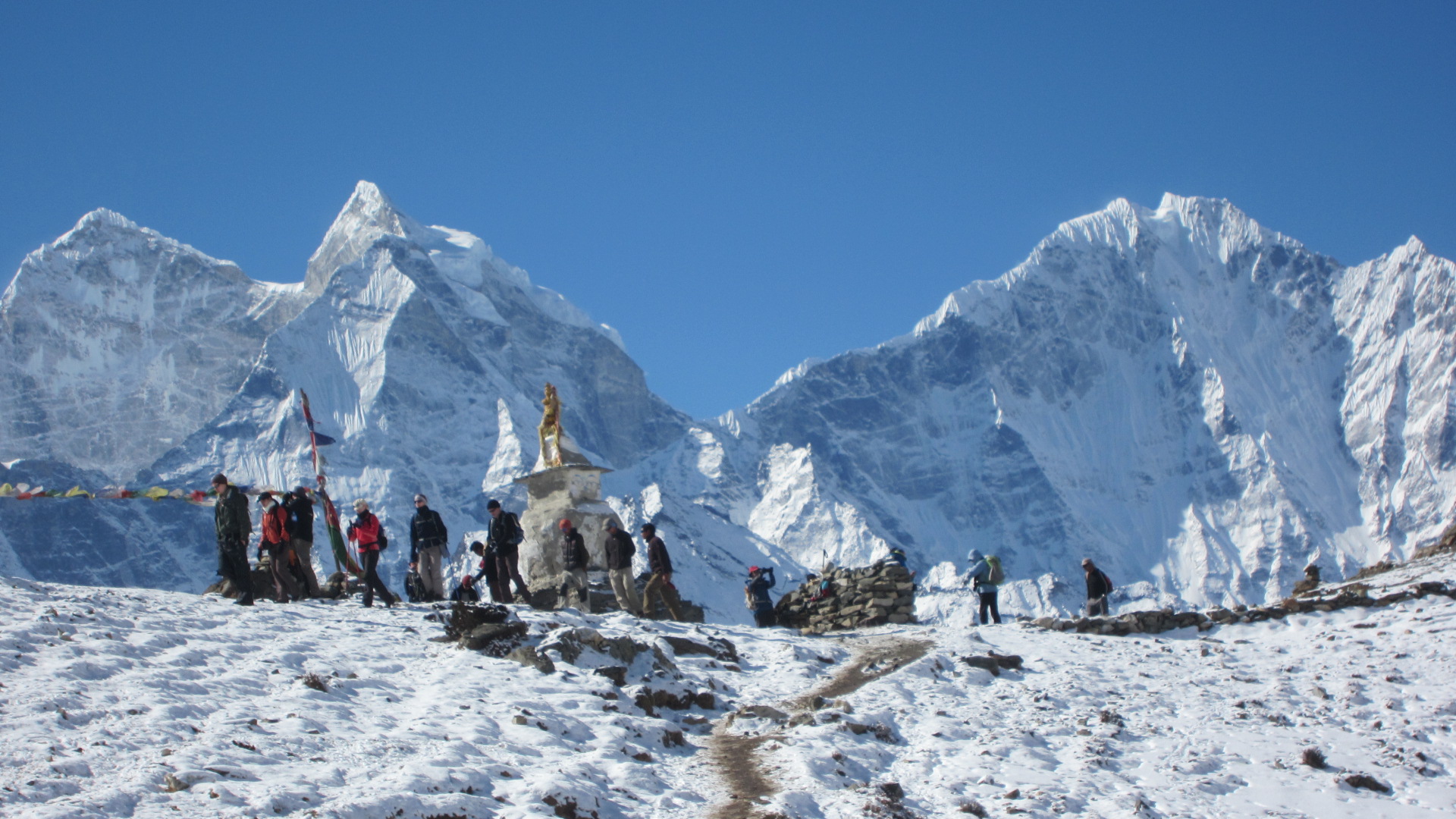
Is the Everest Base Camp Helicopter Return Trek Worth the Price?
For many trekkers, the Everest Base Camp Helicopter Return Trek is absolutely worth the extra cost — especially if you want to experience the Everest region in a more comfortable and time-efficient way without missing the real trekking adventure.
You still follow the classic Everest Base Camp trail on foot, walking through famous Sherpa villages like Namche Bazaar and Dingboche, staying in traditional teahouses, crossing suspension bridges, and slowly acclimatizing as you move deeper into the Himalayas. In many ways, you experience the journey exactly as trekkers have for years one step at a time.
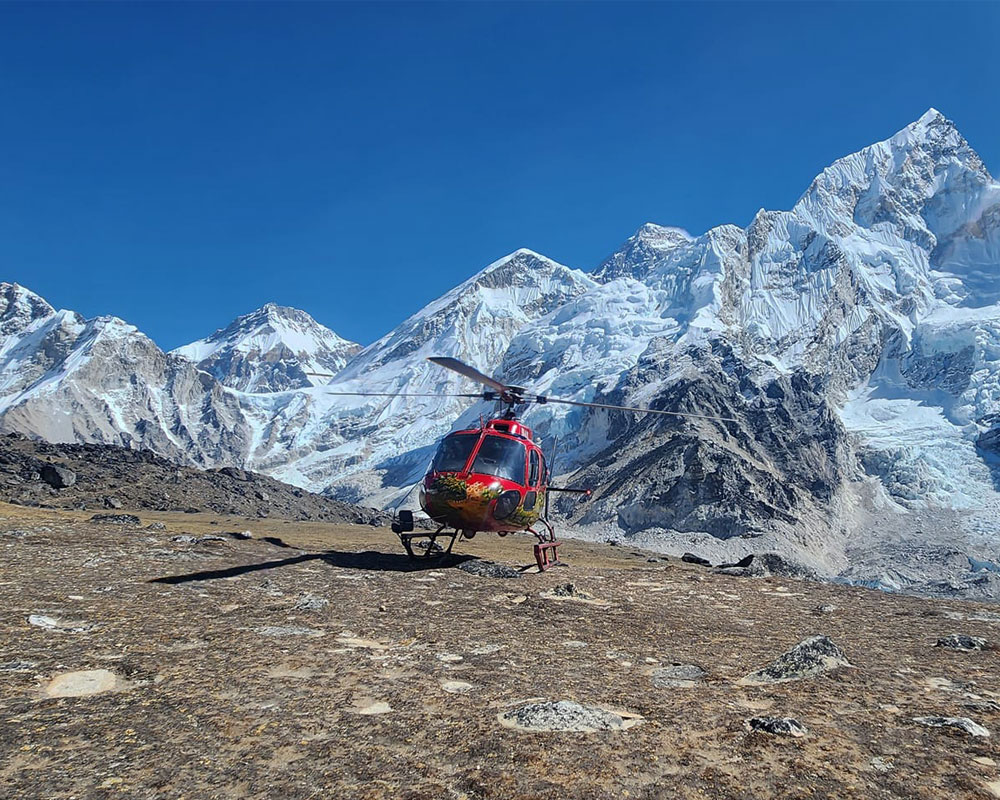
The biggest difference comes after reaching Everest Base Camp and climbing Kala Patthar for sunrise views over Everest. Instead of spending another three or four days walking back down to Lukla, you return by helicopter from Gorak Shep. After many years of guiding trekkers in the region, I can honestly say this flight is one of the highlights of the entire trip for many people.
Flying above the Khumbu Glacier with panoramic views of Mount Everest, Lhotse, and Ama Dablam is something very few people ever get to experience. Seeing the valleys, icefalls, and mountain trails from the air gives you a completely different perspective of the Himalayas. After spending days walking through the region, the helicopter flight feels like the perfect final chapter to the journey.
The helicopter return also makes the trek much easier on the body. The long descent from Everest Base Camp can be surprisingly tiring, especially on the knees and hips after many days at altitude. For older trekkers, busy professionals, or anyone with limited time in Nepal, the helicopter option offers a more relaxed and comfortable way to finish the adventure.
Of course, the trek costs more than the standard Everest Base Camp route. But for many of the trekkers we guide each season, the extra comfort, shorter itinerary, reduced physical strain, and unforgettable mountain flight make it a worthwhile investment. It allows you to experience the best parts of the Everest journey without having to rush or push your body through the full return walk.
In the end, it really comes down to what kind of experience you want. If you dream of trekking to Everest Base Camp but would prefer a faster and more rewarding return, the helicopter trek offers an incredible balance of adventure, comfort, and once-in-a-lifetime Himalayan views.
How Much Money Do You Actually Need for the Everest Base Camp Trek?
One of the first questions many trekkers ask before arriving in Nepal is how much money they should realistically budget for the Everest Base Camp Trek. The overall cost can vary depending on your trekking style, comfort level, and whether you choose a standard trek or a helicopter return package.
For most travelers, a guided Everest Base Camp Trek usually costs somewhere between $1,480 and $2,500 USD. This typically includes permits, flights between Kathmandu and Lukla, accommodation during the trek, guide and porter services, and most meals along the trail.
What many first-time trekkers do not expect is how quickly small daily expenses can add up once you are in the mountains. As you climb higher into the Everest region, prices increase because everything has to be carried in by porters, yaks, or helicopters. A meal in Lukla may feel reasonably priced, but by the time you reach places like Lobuche or Gorak Shep, the same food can cost noticeably more.
Most trekkers usually spend extra money on things like the following:
- Wi-Fi and mobile data
- Charging phones or cameras
- Hot showers
- Drinking water
- Coffee, snacks, and soft drinks
It is also important to budget for travel insurance,trekking gear, guide and porter tips, and possible flight delays around Lukla. Weather in the Everest region changes quickly, and extra nights in Kathmandu or Lukla are sometimes unavoidable.
From our experience guiding trekkers in the Himalayas, carrying a little extra cash is always a smart idea. The Everest region is remote, and having some flexibility makes the journey much more comfortable and far less stressful.
The Everest Base Camp Trek is not the cheapest adventure in Nepal, but for many people, the experience of walking through the Khumbu Valley, meeting Sherpa communities, and standing beneath the world’s highest mountains is worth every dollar.
Lukla Flight Cost for the Everest Base Camp Trek
The flight to Lukla is one of the main transportation costs for the Everest Base Camp Trek. Most trekkers either fly from Kathmandu or from Ramechhap, depending on the trekking season and flight schedule.
For the spring 2026 trekking season, the Lukla flight fare has been updated. A one-way flight from Kathmandu to Lukla costs around USD 257 per person, while flights from Ramechhap to Lukla cost around USD 199 per person.
During the busy spring and autumn trekking seasons, flights to Lukla are often operated from Ramechhap instead of Kathmandu because Kathmandu Airport becomes very crowded with domestic and international air traffic. In this situation, trekkers usually drive from Kathmandu to Ramechhap early in the morning before taking the flight to Lukla.
Although the flight from Ramechhap is cheaper, trekkers should also consider the transportation cost between Kathmandu and Ramechhap. After adding the drive cost, the total expense is usually quite similar to flying directly from Kathmandu.
Flights to Lukla are highly dependent on mountain weather conditions. Delays and cancellations are common, especially during poor weather or heavy air traffic. For this reason, we always recommend trekkers keep a little extra budget and a few flexible days in their schedule for possible flight changes, extra hotel nights, or helicopter alternatives if needed.
After guiding many trekkers in the Everest region over the years, we always suggest planning the Lukla flight carefully because the weather in the Himalayas can change very quickly. A little flexibility makes the journey much smoother and less stressful.
Everest Base Camp Trek Cost for Solo Travelers vs Groups
The cost of the Everest Base Camp Trek can vary depending on whether you are traveling alone or joining with others. In general, solo trekkers usually pay a little more because the costs for guides, porters, transportation, and private arrangements cannot be shared.
For couples, friends, or small groups, the overall trekking cost per person becomes lower because many expenses are divided among the group. Sharing a guide, porter, airport transfers, and accommodation arrangements helps reduce the total price while still providing the same trekking experience.
Based on our experience organizing Everest Base Camp treks for both solo travelers and groups over many years, these are the average cost ranges for the 2026 trekking season:
- Solo Trekker: USD 1,560 to 1,859
- Couple Sharing Guide and Porter: USD 1,350 to 1,500 per person
- Group of Four or More: USD 1,289 to 1,359 per person
Traveling in a group not only helps reduce the cost but also makes the journey more social and enjoyable. However, many trekkers still prefer trekking solo for the flexibility and personal experience of walking through the Himalayas at their own pace.
No matter the group size, we always focus on providing experienced local guides, proper acclimatization, comfortable accommodation, and reliable support throughout the trek so that trekkers can enjoy the Everest region safely and confidently.
Why Booking with a Local Nepali Trekking Company Is More Affordable
When planning an Everest Base Camp trek, many travelers are surprised by the huge difference in prices online. Some international companies charge anywhere from USD 2,500 to over USD 4,000 for the same trek that local Nepali operators often run for much less.
What many people do not realize is that most international agencies do not actually operate the trek themselves. In many cases, they work with local trekking companies in Nepal that handle everything on the ground: guides, porters, permits, flights, accommodation, and daily logistics in the mountains.
By booking directly with a local Nepali trekking company, you are usually working with the same team that will actually guide you in the Everest region. This often keeps the cost more reasonable, with most Everest Base Camp treks ranging between USD 1,450 and USD 1,800 depending on the itinerary, group size, and level of service.
The lower price does not necessarily mean lower quality. Local companies simply avoid many of the extra overseas expenses like international offices, large marketing budgets, and agent commissions. Instead, more of your money goes directly into the trek itself and supports the local mountain communities.
Another advantage is the direct communication. You can speak with the people organizing your trip, ask detailed questions, and get honest advice based on real experience in the Himalayas. After guiding trekkers in the Everest region for many years, we have found that travelers feel more comfortable when they have reliable local support before and during the journey. For many trekkers, that personal connection makes a big difference.
Travel Insurance Cost for the Everest Base Camp Trek
Travel insurance is one of the most important things to arrange before starting the Everest Base Camp Trek. In the Himalayas, weather conditions can change quickly, and trekking at high altitude always carries some risk. Good travel insurance gives peace of mind and helps protect you from unexpected expenses during the journey.
- Your insurance policy should cover:
- High-altitude trekking up to 5,500 meters
- Emergency helicopter evacuation
- Medical treatment and hospitalization
- Flight delays and cancellations
- Lost or delayed baggage
For most trekkers, travel insurance for the Everest Base Camp Trek usually costs between USD 100 and USD 250, depending on your age, country, trip duration, and coverage plan.
One thing many trekkers do not realize is how expensive emergency evacuation can be in the Everest region. A helicopter rescue can cost several thousand dollars if insurance is not included. In case of an emergency during the trek, our team will help arrange the rescue helicopter and coordinate the evacuation process, while the expenses are normally handled through your travel insurance provider.
Everest Base Camp Trek Gear Cost
Some trekkers already have their own trekking gear, while others prefer to rent or buy equipment in Kathmandu before starting the Everest Base Camp Trek. The overall gear cost depends on what you already own and the quality of equipment you choose for the journey.
On average, trekkers usually spend around USD 100 to USD 500 on trekking gear and equipment.
- Common trekking gear costs include:
- Down Jacket Rental: USD 1 to 3 per day
- Sleeping Bag Rental: USD 1 to 3 per day
- Trekking Poles: USD 10 to 30
- Waterproof Jacket: USD 50+
- Trekking Boots: USD 80+
Kathmandu has many trekking shops where you can rent quality gear at affordable prices instead of buying expensive equipment for a single trek. This is a popular option for trekkers who do not plan to use the gear again after the trip.
When trekking with a local company like ours, some important items are usually included in the package. For our Everest Base Camp Trek, we provide a down jacket, sleeping bag, and duffel bag for use during the trek. These items can simply be returned after the journey is completed.
After many years of guiding trekkers in the Everest region, we usually recommend focusing on warm layers, comfortable trekking boots, and a good sleeping bag rather than carrying too much unnecessary equipment.
Hidden Costs of the Everest Base Camp Trek
Many trekkers plan their main trekking budget carefully, but forget about the smaller daily expenses that add up during the journey. These extra costs are normal in the Everest region because everything must be carried into the mountains by porters, yaks, or helicopters.
Common extra expenses during the trek include:
- Hot Showers: USD 3 to 5
- WiFi: USD 2 to 3
- Charging Devices: USD 2 to 5 per charge
- Bottled Water: Prices increase at higher altitudes
- Snacks, bakery items, chocolates, and soft drinks
- Tips for guides and porters
- Extra hotel nights in Kathmandu during flight delays
- Insurance excess or additional rescue costs not fully covered
Because there are very limited ATM services in the Everest region, it is important to carry enough cash before starting the trek. There is an ATM in Namche Bazaar, but it does not always work reliably due to weather or network issues.
How Much Cash Should You Carry for the Everest Base Camp Trek?
Most trekkers carry around USD 300 to USD 600 in extra cash for personal expenses during the trek. This is usually enough for drinks, snacks, WiFi, charging devices, hot showers, tips, and unexpected flight delays.
We strongly recommend exchanging money in Kathmandu before flying to Lukla. Once you enter the Everest region, card payment facilities become very limited, and cash is the easiest and most reliable option throughout the trek.
Everest Base Camp Trek Cost: Independent vs Guided Trek
The Everest Base Camp Trek can be done either independently or with a guide and porter, and the total cost depends on the type of experience you want in the mountains.
If you organize the trek yourself, most independent trekkers spend around USD 1000 to USD 1,300. This usually includes Lukla flights, permits, teahouse accommodation, meals, and daily expenses along the trail. Independent trekking gives you more flexibility with your schedule, but it also means handling all the planning, bookings, route decisions, and altitude management on your own.
A guided Everest Base Camp Trek generally costs between USD 1,450 and USD 2,000 depending on the itinerary, group size, and services included. For many trekkers, especially first-time visitors to Nepal, having an experienced local guide makes the journey much easier and more enjoyable.
A good guide does far more than lead the way. They help manage the pace for proper acclimatization, arrange accommodation, assist during flight delays, and provide support if altitude sickness or weather issues arise. Porters also make a huge difference by carrying heavier bags, allowing you to enjoy the trek with more energy each day. After many years in the Everest region, we have seen that most trekkers feel more relaxed and confident when trekking with a local team beside them.
.jpg)
Final Thoughts:
Accommodation and food on the Everest Base Camp Trek are often much better than many trekkers expect. Although facilities become simpler at higher altitudes, staying in local tea houses remains one of the most memorable parts of the journey. The experience is not only about having a place to sleep after a long day of trekking but also about enjoying warm dining rooms, simple home-cooked meals, mountain views, and the genuine hospitality of the Sherpa communities.
Whether you choose the classic Everest Base Camp Trek or the Everest Base Camp Trek with Helicopter Return, understanding the tea house experience before your trip helps you prepare more confidently and enjoy the journey more fully. After many years of guiding trekkers in the Everest region, we have seen that some of the most meaningful memories are often the quiet and simple moments along the trail, sitting around the stove in the evening, sharing stories with other trekkers, drinking hot tea after a cold day of hiking, and waking up to clear Himalayan mountain views each morning. For many travelers, these experiences become just as special as reaching Everest Base Camp itself.
Everest Base Camp Trek with Helicopter Return 2026 FAQS
1. What is the Everest Base Camp Trek with Helicopter Return?
The Everest Base Camp Trek with Helicopter Return is a unique Himalayan journey that combines trekking and a scenic helicopter flight. You walk through Sherpa villages, forests, and mountain valleys to reach Everest Base Camp, then return by helicopter instead of trekking back. It saves time, reduces physical strain, and offers unforgettable aerial mountain views.
2. How much does the Everest Base Camp Trek with Helicopter Return cost in 2026?
The Everest Base Camp Trek with Helicopter Return in 2026 generally costs between USD 2,000 and USD 4,500 per person. Prices vary depending on group size, accommodation standard, helicopter sharing, guide services, and overall comfort level. Private luxury trips cost more, while shared group packages are usually more budget-friendly for most travelers.
3. How many days does the Everest Base Camp Helicopter Return trek take?
Most Everest Base Camp Trek with Helicopter Return itineraries take around 9 to 12 days. The journey includes trekking to Everest Base Camp, visiting Kala Patthar, and flying back by helicopter. Since you skip the long return walk to Lukla, the trek feels shorter, more comfortable, and easier while still covering the main highlights.
4. Is the Everest Base Camp trek with helicopter return difficult?
The trek is moderately challenging, but it is easier than the traditional Everest Base Camp trek because you return by helicopter instead of walking downhill for several extra days. You still need decent fitness and preparation for high altitude. With gradual acclimatization, a steady pace, and proper rest, most trekkers complete the journey comfortably and safely.
5. Do I need previous trekking experience for the Everest Base Camp helicopter trek?
No previous trekking experience is needed for the Everest Base Camp helicopter return trek. Many first-time trekkers complete it successfully every year with basic fitness, preparation, and a positive mindset. The route is challenging but manageable with enough acclimatization and support from guides and porters, making it a great option for adventurous beginners as well.
6. What is the best time for the Everest Base Camp Trek with Helicopter Return?
The best seasons for the Everest Base Camp Trek with Helicopter Return are spring, from March to May, and autumn, from September to November. These months usually bring clear skies, stable weather, comfortable trekking temperatures, and excellent mountain visibility. Spring also adds colorful rhododendron blooms, while autumn offers crisp air and beautiful Himalayan scenery throughout the trail.
7. How high is Everest Base Camp and Kala Patthar?
Everest Base Camp sits at 5,364 meters (17,598 feet), while Kala Patthar reaches 5,545 meters (18,192 feet). Kala Patthar is the highest point most trekkers reach during the journey and is famous for its breathtaking panoramic views of Mount Everest. Sunrise from Kala Patthar is often one of the most unforgettable moments of the entire trek.
8. Is altitude sickness common on the Everest Base Camp helicopter return trek?
Altitude sickness can affect trekkers because the Everest region reaches very high elevations. Common symptoms include headache, fatigue, dizziness, and shortness of breath. However, proper acclimatization, slow walking, staying hydrated, and taking rest days greatly reduce the risk. Experienced guides also closely monitor trekkers and help ensure a safer, more comfortable trekking experience overall.
9. Where does the helicopter return flight start from?
The helicopter return flight usually starts from Gorakshep after trekkers visit Everest Base Camp and Kala Patthar. Depending on weather and flight operations, nearby locations may sometimes be used instead. The return flight offers incredible aerial views of glaciers, snow-covered peaks, valleys, and remote mountain villages before landing in Lukla or Kathmandu.
10. Can beginners do the Everest Base Camp Trek with a helicopter return?
Yes, beginners can complete the Everest Base Camp trek with a helicopter return if they prepare properly and walk at a steady pace. Since the helicopter removes several difficult return trekking days, the overall journey becomes less physically demanding than the classic trek. Good fitness, patience, and proper acclimatization are usually enough for most first-time trekkers to succeed.
11. What is included in the helicopter return package for Everest Base Camp?
Most Everest Base Camp helicopter return packages include domestic flights, helicopter return service, trekking permits, accommodation, meals during the trek, guide and porter support, airport transfers, and government taxes. Some premium packages may also include Kathmandu hotels, private helicopter upgrades, hot showers, WiFi access, and additional comfort services during the trek.
12. What kind of accommodation and food are available during the trek?
Trekkers stay in local teahouses or mountain lodges along the Everest trail. Rooms are usually simple but clean and comfortable. Meals often include rice, noodles, soup, potatoes, eggs, bread, tea, coffee, and some international dishes. Higher-altitude lodges become more basic, but the warm hospitality and mountain atmosphere make the experience memorable and enjoyable.
13. Is the helicopter flight from Everest safe?
Yes, helicopter flights in the Everest region are generally safe when operated by experienced mountain pilots and reliable airlines. Flights depend heavily on weather conditions, and safety always remains the top priority. Pilots are specially trained for Himalayan flying, and delays or schedule adjustments are common whenever weather conditions are not suitable for safe operations.
14. What should I pack for the Everest Base Camp Trek with Helicopter Return?
You should pack warm layers, a down jacket, trekking boots, gloves, thermal clothing, sunglasses, sunscreen, toiletries, water bottles, medicines, and a comfortable backpack. Mountain weather changes quickly, especially at higher elevations, so layered clothing is important. A sleeping bag and power bank are also useful for extra warmth and convenience during the trek.
15. Why choose a helicopter return instead of trekking back to Lukla?
Choosing a helicopter return saves time, reduces physical exhaustion, and adds a spectacular scenic flight to the experience. Instead of spending several extra days walking back, trekkers can relax and enjoy breathtaking aerial views of glaciers, valleys, and Himalayan peaks. It is an excellent option for travelers wanting comfort, convenience, and a shorter Everest adventure.
16. Can I charge my phone and camera during the trek?
Yes, most teahouses along the Everest Base Camp route provide charging facilities for phones, cameras, and power banks. Charging usually costs an extra fee, especially at higher elevations where electricity is limited. Power cuts can occasionally happen, so carrying a power bank or spare camera batteries is highly recommended during the trekking journey.
17. Is WiFi available on the Everest Base Camp trail?
Yes, WiFi is available in many teahouses along the Everest Base Camp trail, particularly in villages like Namche Bazaar and Dingboche. However, internet speed can be slow and unreliable at higher altitudes because of the weather and remote mountain conditions. Some lodges charge extra for internet access, especially closer to Everest Base Camp.
18. How cold does it get at Everest Base Camp?
Everest Base Camp becomes very cold, especially during nights and early mornings. In the main trekking seasons, daytime temperatures are usually manageable, but nighttime temperatures often drop below freezing. Winter conditions can be much harsher. Warm layered clothing, insulated jackets, gloves, and a good sleeping bag are essential for staying comfortable and protected.
19. Can I do the Everest Base Camp helicopter trek solo?
Yes, solo travelers can join the Everest Base Camp helicopter return trek either privately or through group departures. Many trekking companies combine solo travelers into shared groups, which helps reduce costs and creates a more social trekking experience. Hiring a guide is strongly recommended for navigation, altitude safety, local support, and overall peace of mind.
20. What happens if Lukla flights are delayed?
Lukla flights are frequently affected by mountain weather, especially fog, wind, and poor visibility. Delays and cancellations are common in the Everest region, so keeping extra buffer days in your itinerary is important. During longer delays, helicopter flights may sometimes operate as an alternative, although they usually cost more than regular flights.
21. Is travel insurance required for the Everest trek?
Yes, travel insurance is highly recommended for the Everest Base Camp trek. Your insurance should cover high-altitude trekking and emergency helicopter evacuation up to at least 6,000 meters. Weather, altitude, and mountain conditions can change quickly, so proper insurance provides valuable financial protection and peace of mind throughout the journey.
22. Are guides and porters necessary for the trek?
Guides and porters are not always compulsory, but they make the Everest trek safer, easier, and more enjoyable. Guides help with navigation, altitude awareness, local knowledge, and emergency support, while porters carry heavy bags and reduce physical strain. Their assistance allows trekkers to focus more on the experience and mountain scenery during the journey.
23. Which is better: classic EBC trek or helicopter return trek?
Both treks offer incredible Everest experiences, but the right choice depends on your time, budget, and travel style. The classic Everest Base Camp trek provides a longer trekking adventure, while the helicopter return option saves time and reduces physical effort. Travelers seeking comfort, convenience, and scenic aerial views often prefer the helicopter return trek.
24. Can older travelers do the Everest Base Camp helicopter trek?
Yes, many older travelers complete the Everest Base Camp helicopter return trek every year. Since the helicopter removes several long return trekking days, the journey feels less demanding than the classic route. Good health, proper acclimatization, and a comfortable walking pace are important, and consulting a doctor before high-altitude travel is always recommended.
25. What are the helicopter weight limits in the Everest region?
Helicopter flights in the Everest region follow strict weight limits because flying at high altitude requires careful safety management. Passenger and luggage weight are checked before departure, and travelers may sometimes be divided into smaller groups. Excess baggage may require separate shuttle flights or additional arrangements, depending on weather and operational conditions.

.jpg)