Why Choose the Manaslu Circuit Trek?
If you talk to anyone who has completed the Manaslu Circuit, they will usually mention one thing first: the sense of space. While trails like Everest and Annapurna get crowded during peak seasons, Manaslu still lets you walk for hours with little more than the sound of your own footsteps. It is a 14-to-16-day journey that takes you deep into one of Nepal's most remote mountain regions.
True Quiet on the Trail
Because Manaslu is a restricted area, you need a licensed guide and special permits to enter. While this requires a little extra planning, it helps keep visitor numbers low and preserves the quiet atmosphere that makes the trek different from many of Nepal's more popular routes.
Living Tibetan Culture
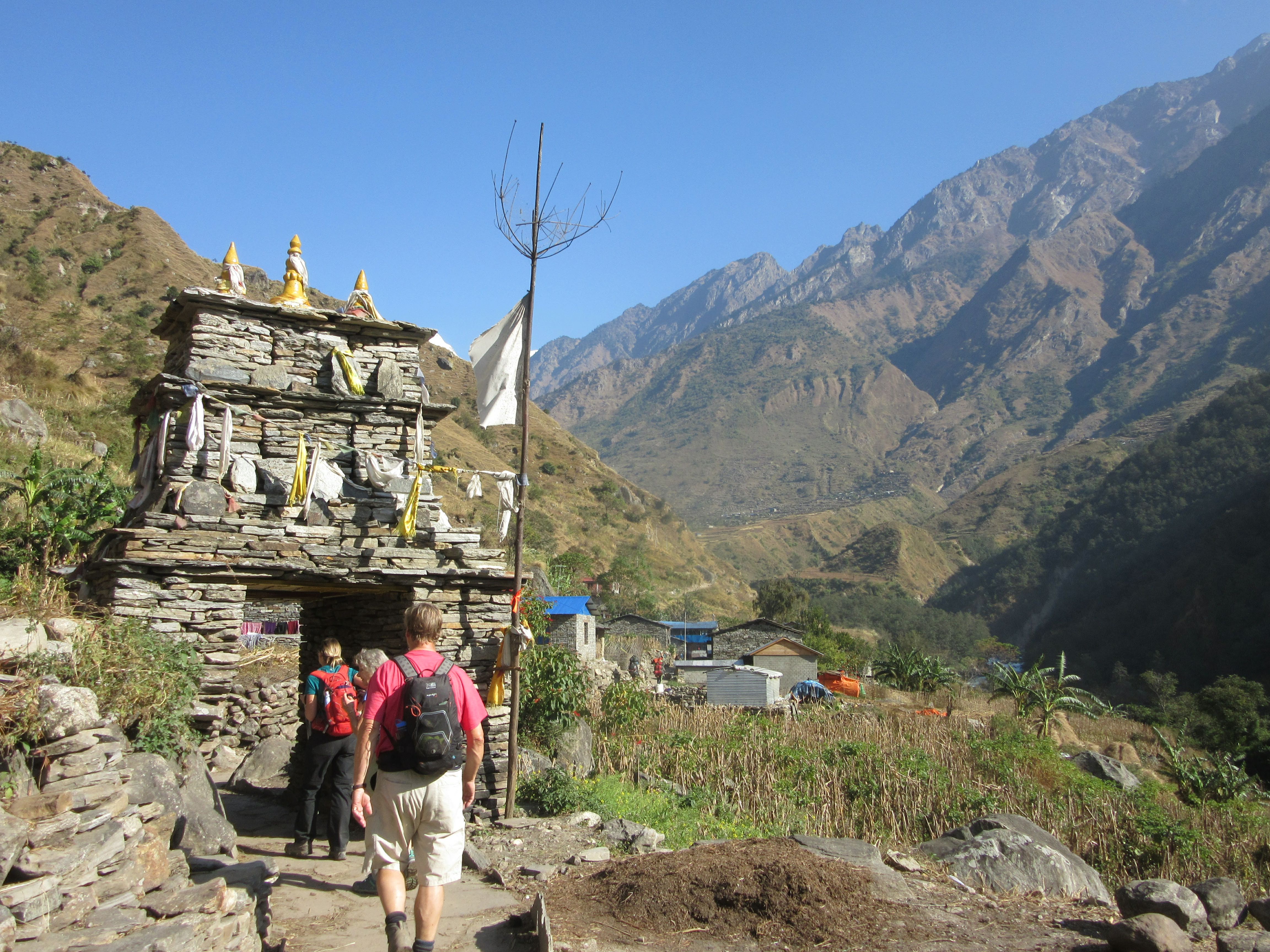
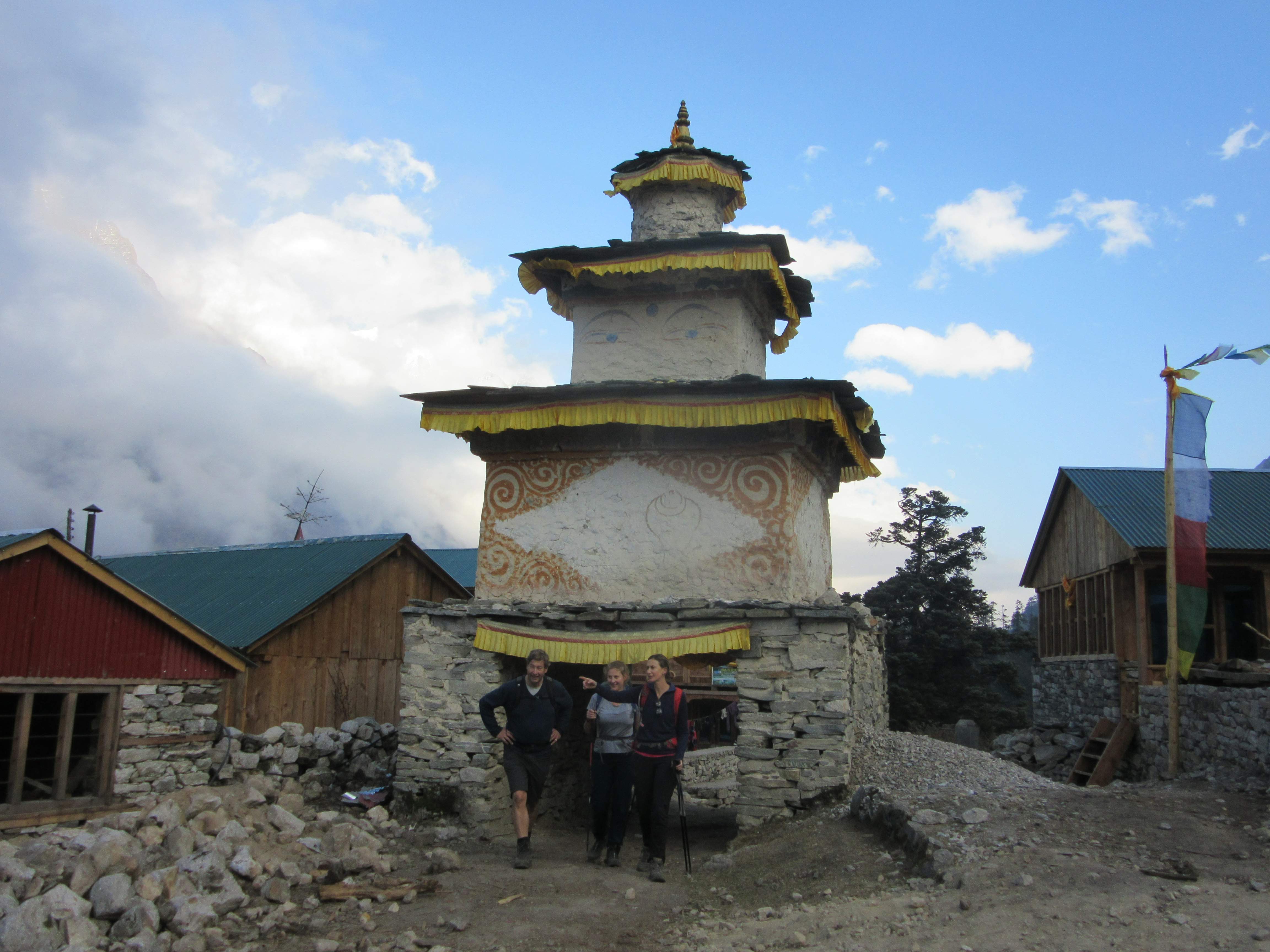
As you hike beyond Namrung, the character of the trail begins to change. Monasteries, hand-carved prayer walls, and stone-built villages become a regular part of the landscape. In places like Lho, Samagaon, and Samdo, Tibetan Buddhist traditions are not simply historical influences but an important part of everyday life.
Ever-Changing Views
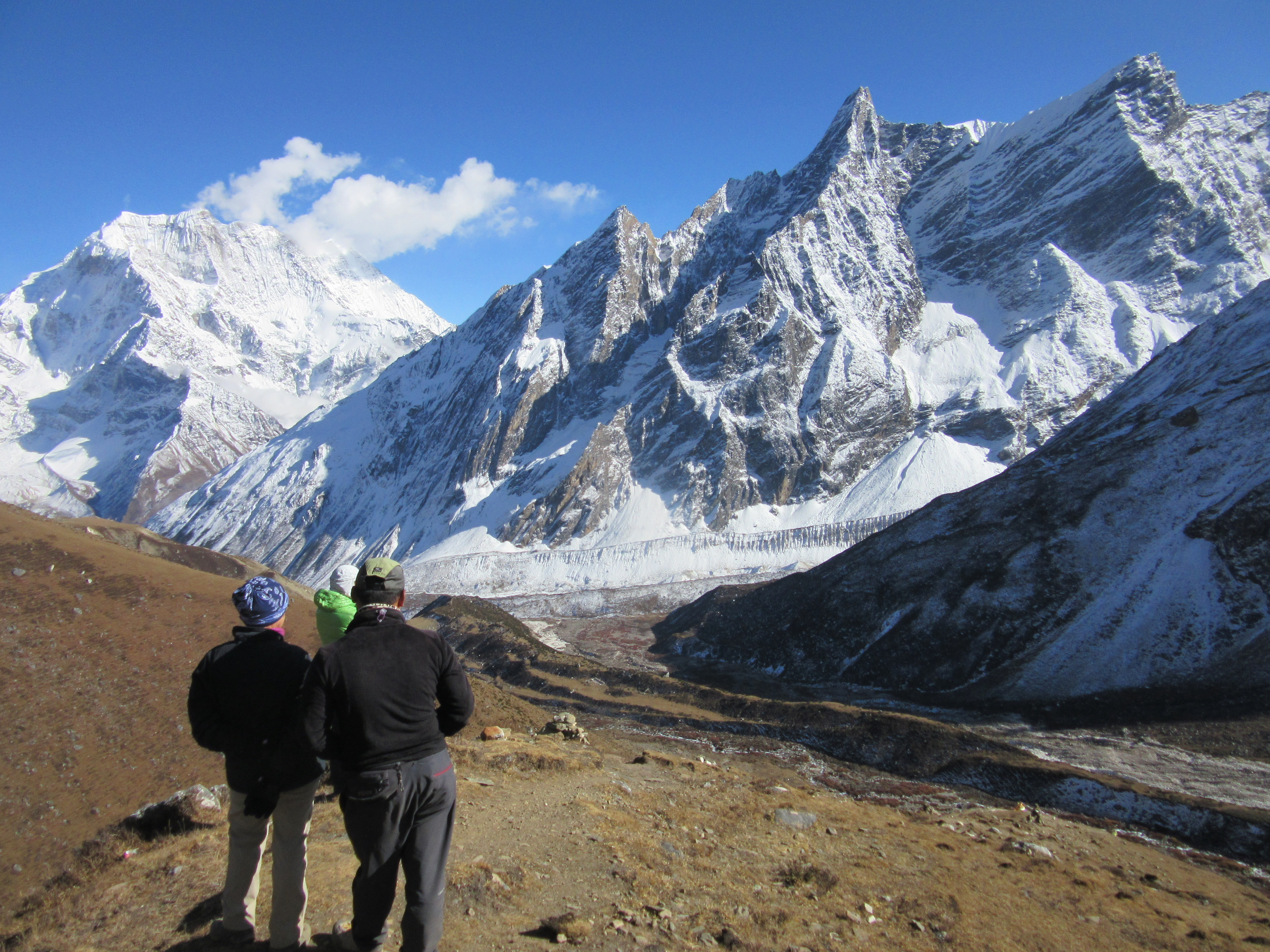
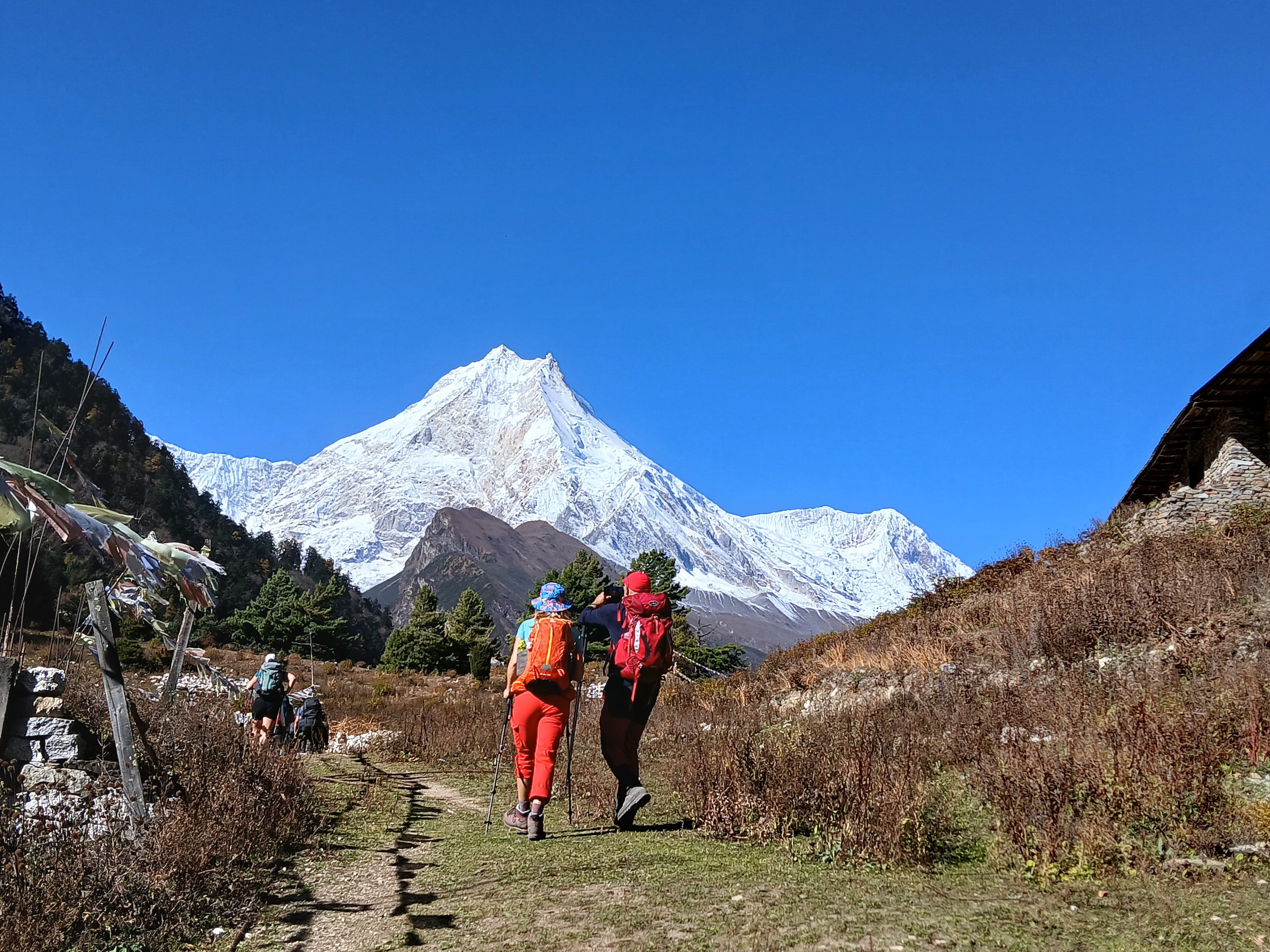
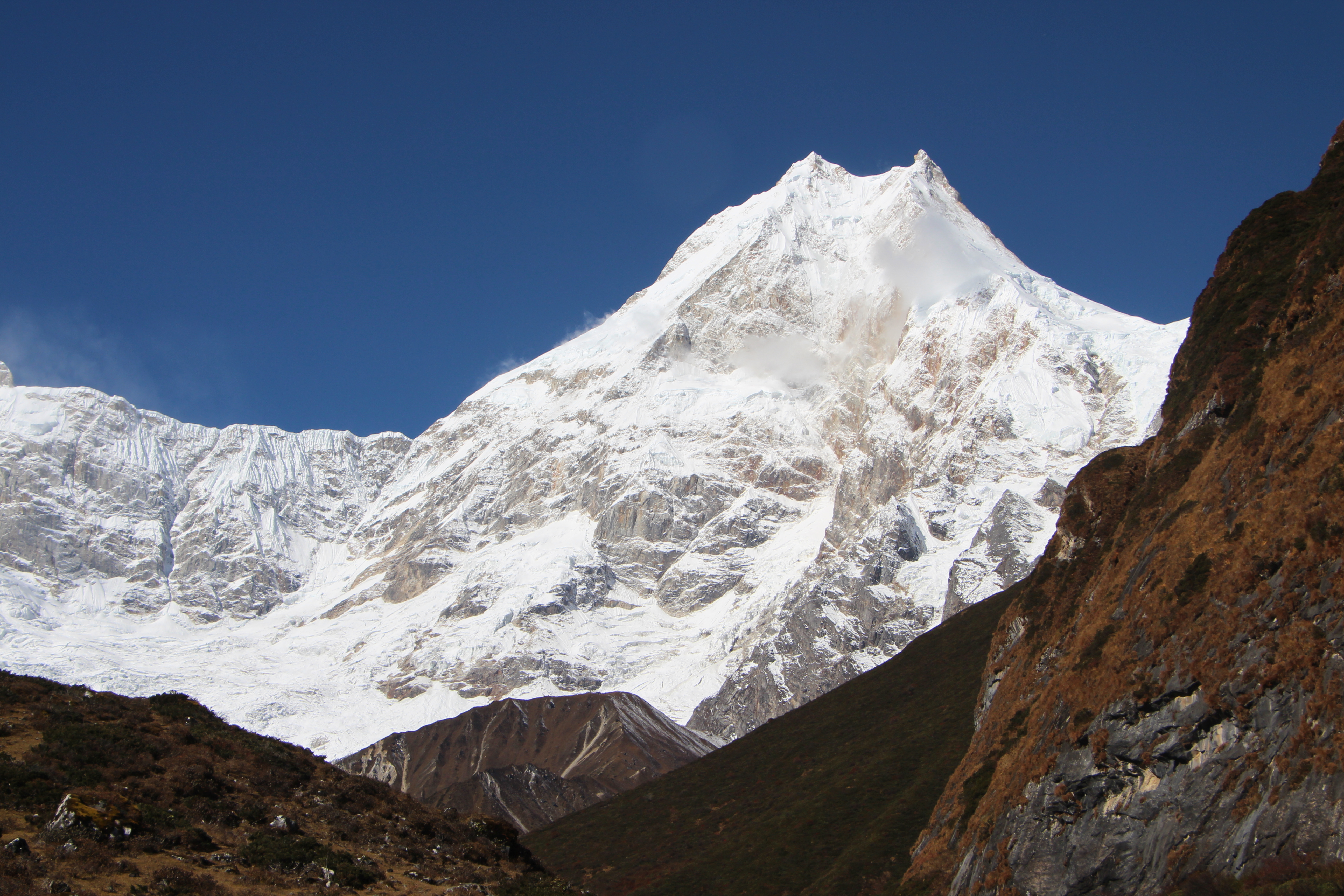
The scenery shifts throughout the journey. The trek begins among terraced farmland, forests, and deep river gorges. A few days later, the trail opens into wide alpine meadows before gradually entering the glacial valleys and rugged mountain terrain surrounding Mount Manaslu.
A Smart, Gradual Climb
The gradual ascent helps your body adapt naturally to the altitude. Most itineraries include an acclimatization day in Samagaon, giving trekkers time to adjust before continuing toward the higher sections of the route and Larkya La Pass.
The Reward of Larkya La Pass
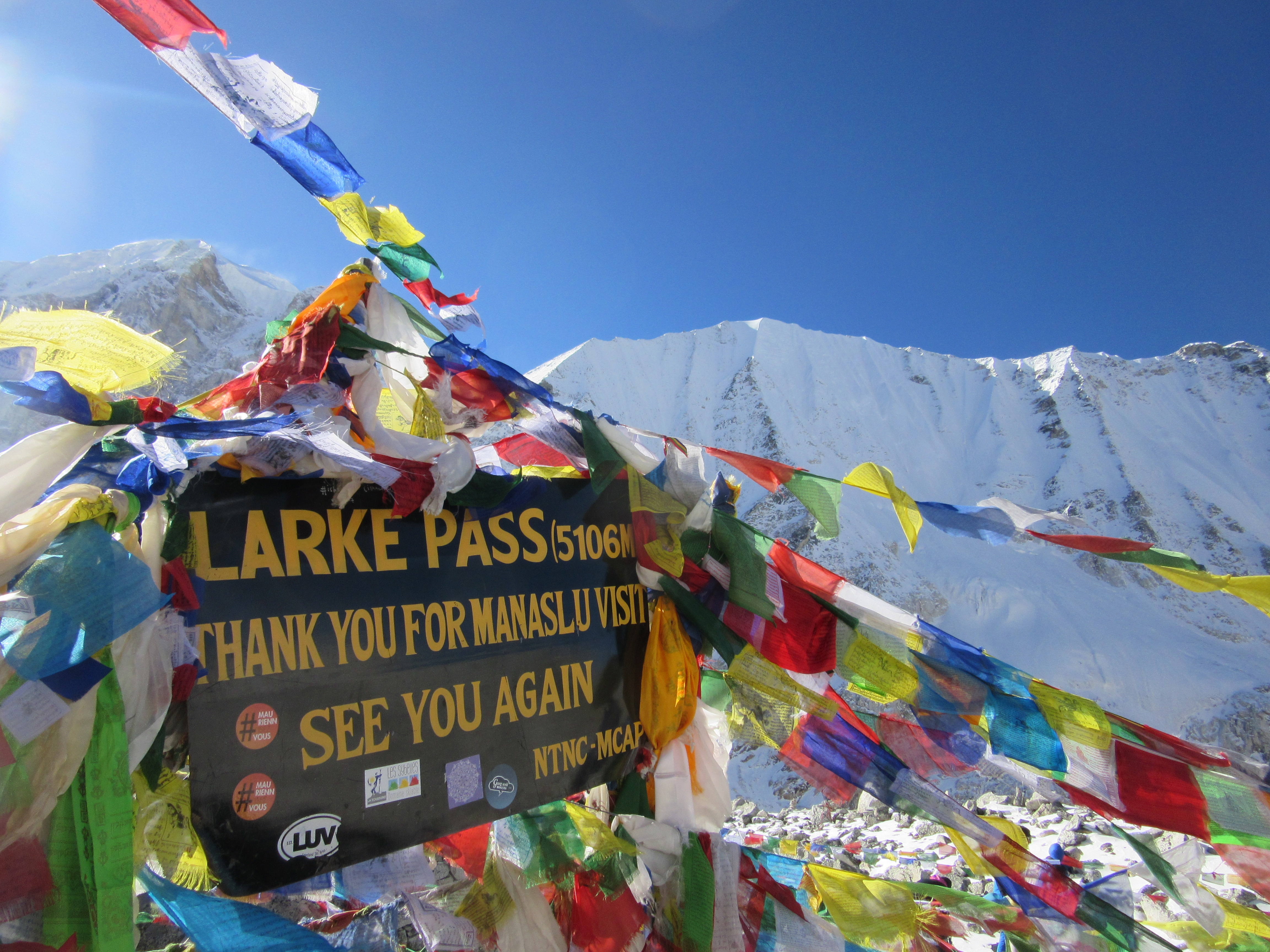
At 5,106 meters, Larkya La Pass is the highest point of the trek. The crossing usually begins before sunrise from Dharmasala, when temperatures can be cold even during the main trekking seasons.
It is a long and demanding day, but the views from the pass stretch across Manaslu, Himlung Himal, Cheo Himal, and numerous surrounding Himalayan peaks.
Is the Manaslu Circuit Trek Right for You?
The Manaslu Circuit Trek is a good choice for travelers who prefer peaceful trails, remote mountain scenery, and a less commercialized trekking experience than Everest Base Camp or the Annapurna Circuit.
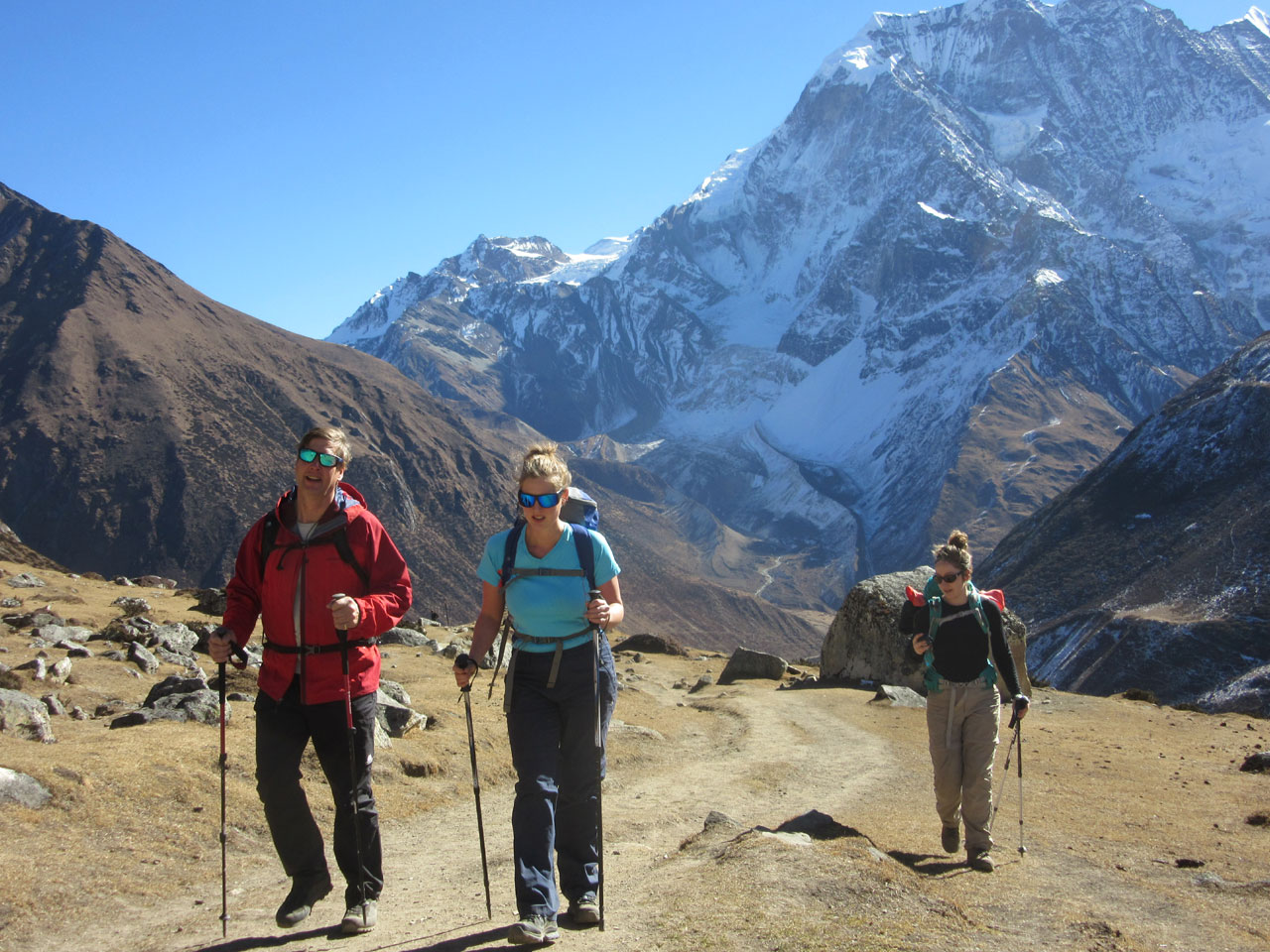
You do not need previous high-altitude trekking experience, but a reasonable level of fitness is important. Most days involve 6 to 8 hours of walking, particularly between Namrung, Samagaon, Samdo, and Dharamsala, where the trail enters the higher Himalayan region.
The most demanding part of the trek is crossing Larkya La Pass (5,106 m). Although the route is not technically difficult, the altitude and long trekking day require proper acclimatization and preparation.
Accommodation is in simple family-run teahouses. Facilities become more basic at higher elevations, and services such as hot showers, heating, and internet access may be limited.
If you enjoy active days on the trail, cultural experiences, and remote mountain environments, the Manaslu Circuit offers one of Nepal's most rewarding trekking experiences without the crowds found on some of the country's more popular
Manaslu vs Everest Base Camp vs Annapurna Circuit
Although all three treks offer outstanding Himalayan scenery, the experience on each route is surprisingly different. The best choice often comes down to how much solitude, cultural immersion, physical challenge, and trekking infrastructure you are looking for.
Everest Base Camp Trek
Everest Base Camp remains the most popular trek in Nepal because it combines Sherpa culture, well-developed infrastructure, and the opportunity to stand beneath the world's highest mountain. During the peak trekking seasons, teahouses between Namche Bazaar and Dingboche can become busy, making the trail feel noticeably more social than Nepal's other major trekking routes.
Annapurna Circuit Trek
The Annapurna Circuit is known for its remarkable variety. Within a single trek, the landscape changes from subtropical valleys and farmland to alpine terrain and the high-altitude crossing of Thorong La Pass. Although road construction has altered parts of the traditional route, many trekkers use alternative walking trails to avoid the busiest road sections.
Manaslu Circuit Trek
The Manaslu Circuit offers a quieter and more remote trekking experience. Beyond Namrung, the trail becomes noticeably less crowded, and Tibetan Buddhist influences become increasingly visible in villages such as Lho, Samagaon, and Samdo. The restricted-area regulations and crossing of Larkya La Pass also create a stronger sense of remoteness than many trekkers experience on Everest or Annapurna.
Which Trek Should You Choose?
If your goal is to visit Nepal's most famous trekking destination and see Mount Everest up close, Everest Base Camp is the obvious choice. If you want the greatest variety of landscapes and flexible trekking options, the Annapurna Circuit remains an excellent all-round trek. If you prefer quieter trails, stronger cultural immersion, and a more remote mountain experience, the Manaslu Circuit Trek is often the best fit.
.JPG)
When is the Best Time to Trek the Manaslu Circuit?
The best time to trek the Manaslu Circuit is during spring (March to May) and autumn (September to November). These seasons generally offer the most stable weather, clearer mountain views, and safer conditions for crossing Larkya La Pass (5,106 m).
Spring is a favorite among trekkers who enjoy quieter trails and changing mountain landscapes. By April, rhododendron forests are in bloom, temperatures become more comfortable, and the higher sections of the trail are usually free from significant winter snow. From a guide's perspective, spring often feels less crowded than autumn while still providing excellent visibility on most days.
Autumn is the most popular trekking season in the Manaslu region. After the monsoon rains clear the dust and haze, mountain views are often at their sharpest. October is particularly busy, and teahouses along the route can fill quickly because many trekkers choose this month for its reliable weather and consistent trail conditions. For many guides, October and November are the most dependable months for crossing Larkya La Pass.
Winter (December to February) remains possible but requires more flexibility. Cold temperatures, especially around Dharamsala and Larkya La Pass, can make trekking more demanding, and heavy snowfall occasionally forces itinerary changes or pass closures.
The monsoon season (June to August) is generally the least favorable period. Rain can make lower sections of the trail muddy and slippery, while landslides sometimes affect road access to the trek's starting point. Cloud cover also reduces mountain views, which is one of the main reasons most trekkers avoid this season.
For first-time trekkers, spring and autumn consistently provide the safest, most comfortable, and most rewarding experience on the Manaslu Circuit Trek.
What Makes the Manaslu Circuit Feel Different from Other Treks in Nepal?
One of the first things people notice on the Manaslu Circuit is how quickly the crowds disappear. While the trek shares some similarities with routes such as Everest Base Camp and the Annapurna Circuit—mountain views, tea houses, traditional villages, and a challenging Himalayan pass—the experience feels very different once you're on the trail.
After leaving Machha Khola and continuing through villages such as Jagat, Deng, and Namrung, the pace of life begins to change. The busy trekking hubs found on some of Nepal's more popular routes are replaced by quieter trails, small mountain communities, and long stretches where you may encounter only a few trekkers, local villagers, or mule caravans carrying supplies through the valley.
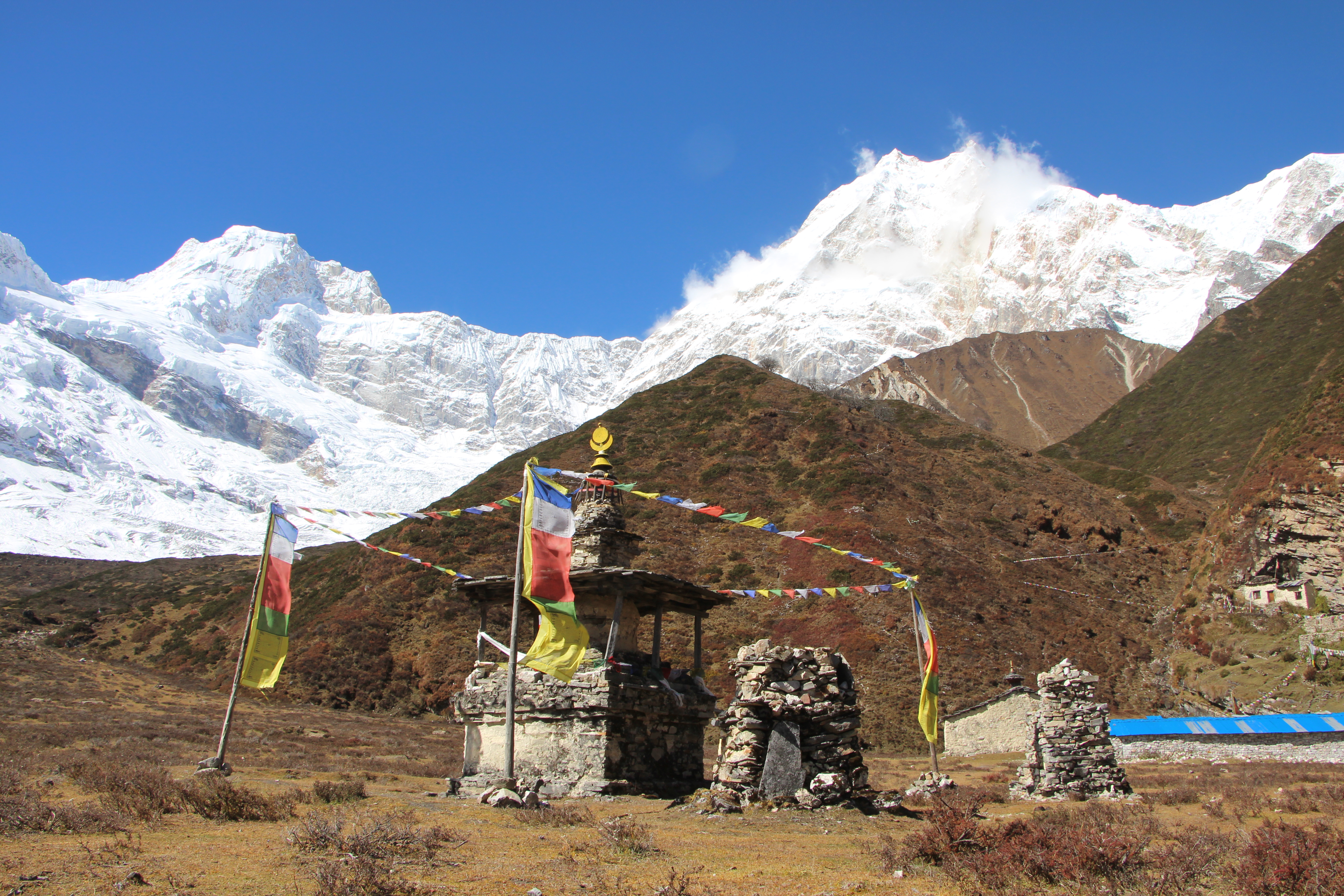
The cultural experience is another part of what makes Manaslu special. As you gain altitude and reach villages like Samagaon and Samdo, Tibetan Buddhist traditions become increasingly visible. Prayer flags flutter above ridgelines, mani walls line the trail, and monasteries remain active gathering places for local communities rather than attractions created for visitors.
The journey itself also unfolds gradually. Subtropical valleys give way to pine forests, alpine meadows, glacial terrain, and eventually the crossing of Larkya La Pass at 5,106 meters (16,752 feet). Each day feels noticeably different from the last.
One thing that often surprises first-time trekkers is that the memories they talk about most after the trek are not always the mountains. More often, it's sharing tea with local families, watching yaks return to the village in the evening, or spending time in places where life still moves at a slower pace.
That combination of remoteness, culture, and changing landscapes is what makes the Manaslu Circuit stand apart from many other treks in Nepal.
How Difficult Is the Manaslu Circuit Trek?
People often arrive in Manaslu expecting Larkya La Pass to be the biggest challenge of the trek. While the pass is certainly demanding, I find that most trekkers are more surprised by the combination of long walking days, altitude, and the remote nature of the region.
The Manaslu Circuit is not a technical trek, and you do not need climbing experience. However, it does require a reasonable level of fitness, good preparation, and enough time for your body to adjust to the altitude.
Days on the trail are usually between 5 and 7 hours, with a mix of stone steps, forest paths, suspension bridges, and rocky mountain trails. As you gain height, the thinner air can make even gentle uphill sections feel harder than expected. I have seen strong hikers struggle because they walked too fast, while slower and more patient trekkers often did very well.
For most people, the toughest day is crossing Larkya La Pass at 5,106 meters. The day starts early, usually before sunrise, and the climb is long and steady. The trail itself is straightforward, but the altitude means progress is naturally slower than at lower elevations.
The good news is that first-time trekkers regularly complete the Manaslu Circuit. A few months of preparation, including regular walking, hiking, stair climbing, and basic fitness training, can make a huge difference to your experience.
One piece of advice I always give is not to rush. Walk at a comfortable pace, drink plenty of water, eat well, and allow your body time to adapt. The trekkers who enjoy Manaslu the most are usually those who focus on the journey rather than the finish line.
Standing on Larkya La Pass and looking out across the surrounding peaks is a moment that stays with people long after the trek ends. The challenge is real, but for most trekkers, that is exactly what makes the experience so rewarding.
Can Beginners Complete the Manaslu Circuit Trek?
Yes, beginners can complete the Manaslu Circuit Trek, but it is important to understand that this is a challenging high-altitude trek rather than an easy mountain walk. The trek takes around 14 to 16 days and crosses Larkya La Pass (5,106 m), one of the highest trekking passes in Nepal.
The good news is that you do not need any mountaineering or technical climbing experience. The trail follows established paths through villages, forests, suspension bridges, and mountain valleys.
Most first-time trekkers who complete Manaslu successfully do so because the itinerary gains altitude gradually, giving the body time to acclimatize before reaching higher elevations.
In my experience, beginners are often more concerned about crossing Larkya La Pass than they need to be. The bigger challenge is usually the consistency required to walk for 6 to 8 hours a day over nearly two weeks. By the time trekkers reach the higher villages, tired legs and altitude often feel more demanding than any single section of the trail.
Preparation makes a huge difference. Regular walking, hiking, jogging, cycling, or stair climbing for a few months before the trek can improve endurance significantly. Keeping your backpack light and maintaining a slow, steady pace are equally important.
Accommodation along the route is simple but welcoming. Teahouses provide basic rooms and hot meals, although facilities become more limited at higher elevations.
Overall, the Manaslu Circuit Trek is suitable for beginners who are physically active, prepared for long trekking days, and willing to respect the challenges of altitude. With proper preparation and a sensible pace, many first-time trekkers successfully
Do You Need Prior Experience to Trek the Manaslu Circuit?
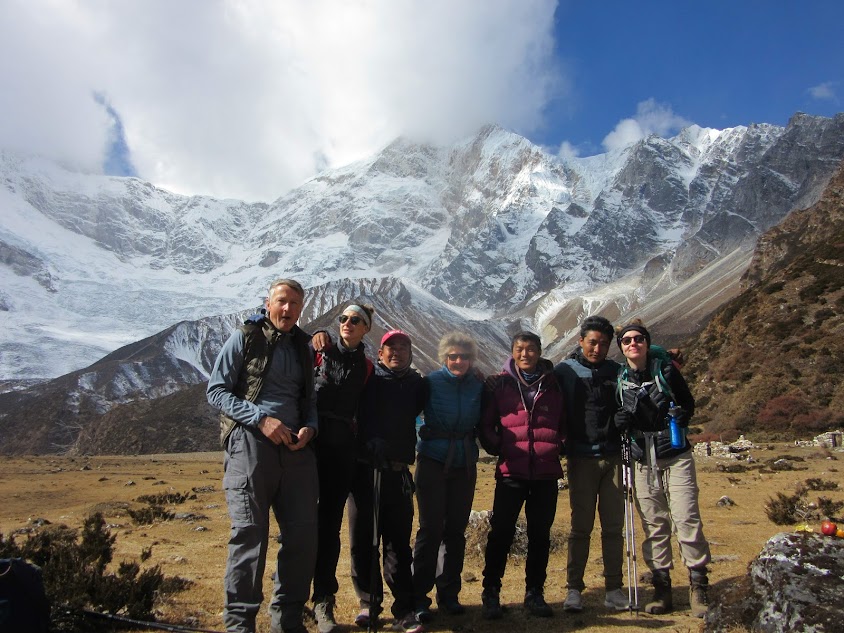
The Manaslu Circuit is often considered one of Nepal's more demanding treks, but prior trekking experience is not essential. I've guided plenty of people who were visiting the Himalayas for the first time, and many completed the trek successfully with the right preparation.
The biggest challenge is altitude rather than technical difficulty. The trail gradually climbs to Larkya La Pass (5,106m), where thinner air can make even gentle uphill sections feel harder than expected. A steady pace, proper acclimatization, and good hydration are usually more important than hiking experience.
Most days involve five to eight hours of walking on a mix of forest trails, stone steps, suspension bridges, and rocky mountain paths. Regular hiking, hill walking, or other cardio exercise before your trip will help you enjoy the journey much more.
Because Manaslu is a restricted region, all trekkers must travel with a licensed guide. With sensible preparation and experienced support, the trek is achievable for many active travelers.
12-Day vs. 14-Day vs. 16-Day Manaslu Circuit Trek: Which Itinerary Is Best?
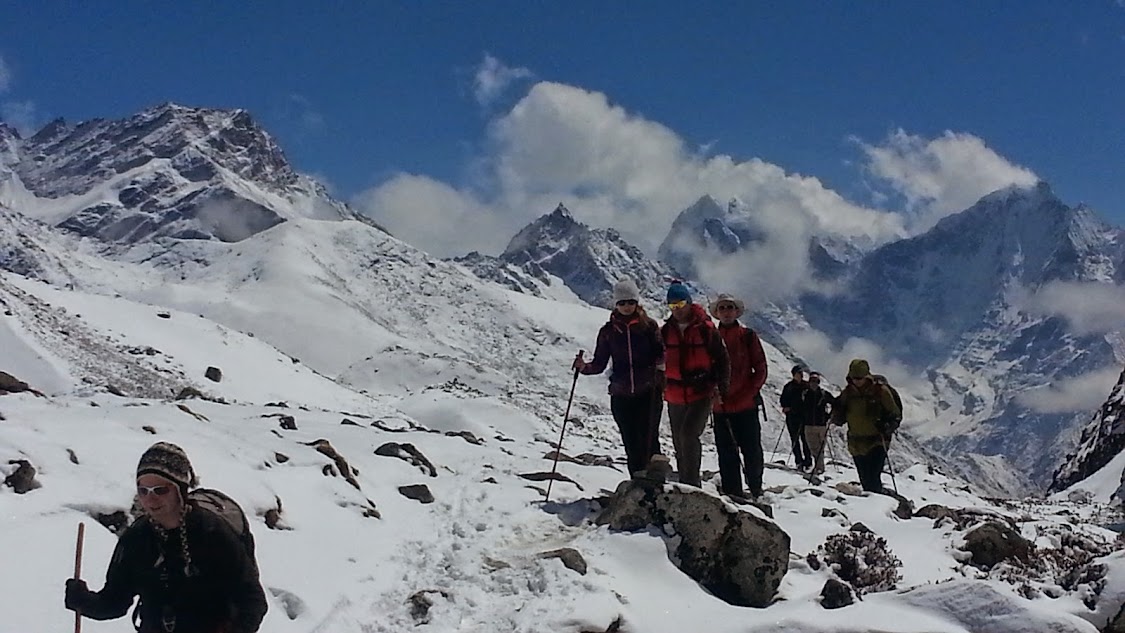
Choosing the right Manaslu Circuit Trek itinerary depends on your fitness level, previous high-altitude experience, available vacation time, and budget. While shorter itineraries can reduce costs, longer schedules provide better acclimatization before crossing Larkya La Pass (5,106 m) and generally create a more enjoyable trekking experience.
| Itinerary | Best For | Acclimatization | Typical Cost |
|---|
| 12 Days | Experienced trekkers with previous high-altitude experience and limited time | Moderate | $1159-$1,372 |
| 14 Days | Most trekkers, including first-time Himalayan hikers with good fitness | Very Good | $1,250-$1,450 |
| 16 Days | Travelers seeking a slower pace, extra acclimatization, and side trips | Excellent | $1,350-$1,559 |
12-Day Itinerary
The 12-day Manaslu Circuit Trek is designed for trekkers with limited time who are comfortable with long and demanding hiking days. The faster pace often involves larger elevation gains and fewer opportunities for acclimatization. While it can reduce overall costs, the shorter schedule leaves less margin for altitude adjustment and is generally better suited to trekkers with previous high-altitude experience.
14-Day Itinerary
The 14-day itinerary is the most popular option and the one most local guides recommend. It typically includes an acclimatization day in Samagaon before continuing toward Samdo, Dharamsala, and Larkya La Pass. For most trekkers, it offers the ideal balance of acclimatization, daily walking distance, cost, and overall trekking enjoyment.
16-Day Itinerary
The 16-day itinerary provides the most comfortable pace and the strongest acclimatization profile. Additional days allow time to explore side destinations such as Manaslu Base Camp, Birendra Lake, and Pungyen Gompa while reducing the pressure of long daily hiking hours. It is particularly popular with photographers, older travelers, and trekkers who prefer a slower, more immersive mountain experience.
Which Itinerary Is Best for Acclimatization?
From a safety perspective, the 16-day itinerary offers the most gradual ascent and the lowest risk of altitude-related problems. However, for most travelers, the 14-day Manaslu Circuit Trek provides the best overall balance of acclimatization, budget, and available vacation time.
Many trekkers initially choose a shorter itinerary to save money, but experienced guides often find that an extra day or two around Samagaon and the approach to Larkya La Pass significantly improves comfort and enjoyment. The additional cost is usually modest compared to the benefits of a slower ascent and better acclimatization.
Our Recommendation
For most trekkers, the 14-day itinerary strikes the best balance between cost, acclimatization, safety, and overall enjoyment. Unless you have significant high-altitude trekking experience or severe time constraints, it remains the itinerary most local guides recommend for completing the Manaslu Circuit comfortably and safely.
Manaslu Circuit Trek Permits and Guide Requirements
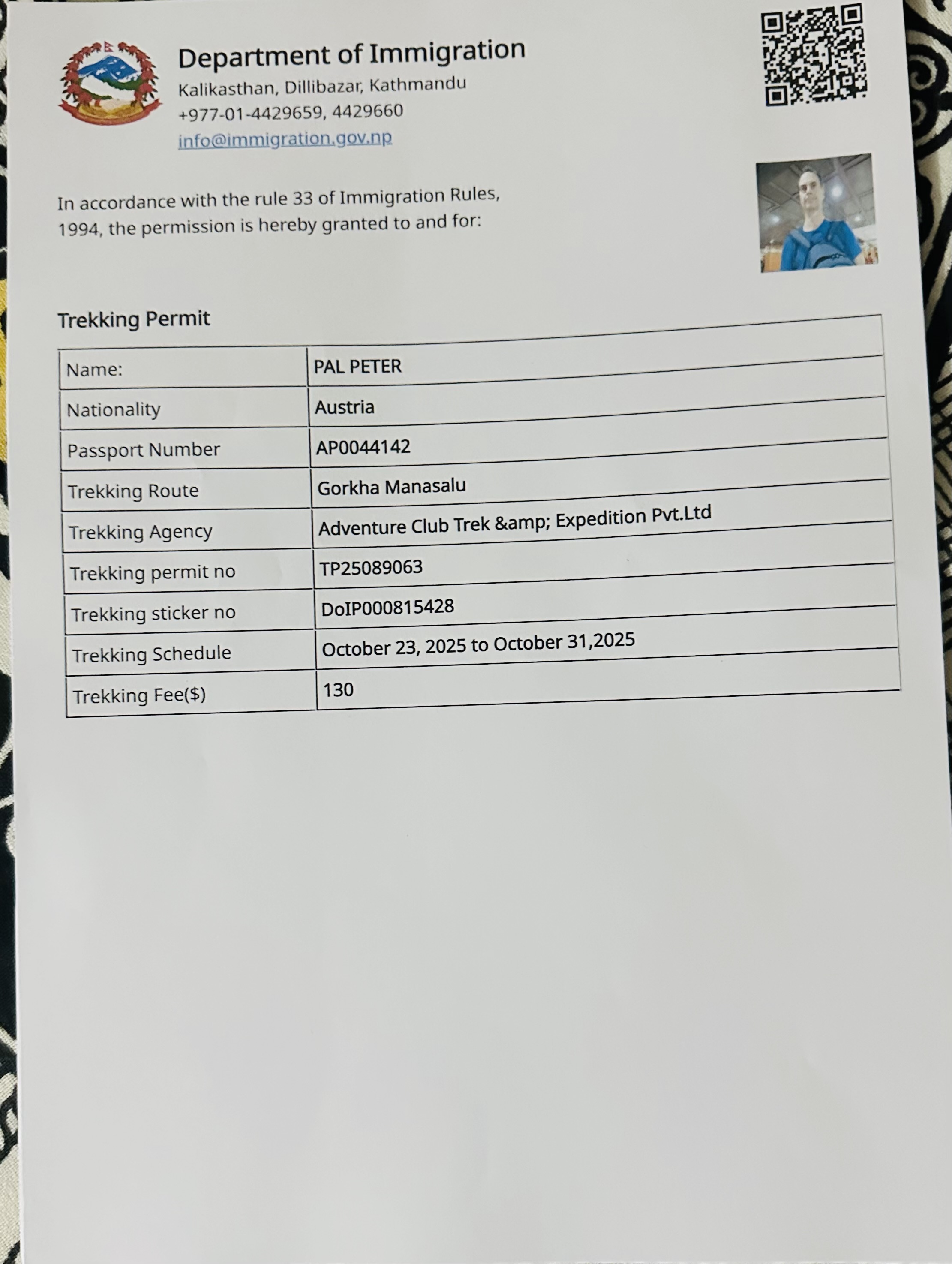
Before starting the Manaslu Circuit Trek, it’s important to know how the permit system works. This is a restricted region in Nepal, so you cannot trek here independently.
To trek the Manaslu Circuit, all foreign trekkers have to trek with a licensed guide and obtain the required permits through a registered Nepal trekking agency. Permits cannot be purchased individually online or at trail checkpoints.
Required Permits for the Manaslu Circuit Trek
Manaslu Restricted Area Permit (MRAP)
The Manaslu Restricted Area Permit is required for the section between Jagat and Dharapani. Permit fees vary depending on the season and the number of days spent in the restricted area.
September to November
USD 100 per person for the first 7 days
USD 15 per person for each additional day
December to August
USD 75 per person for the first 7 days
USD 10 per person for each additional day
Manaslu Conservation Area Permit (MCAP)
NPR 3,000 per person (approximately USD 23)
Annapurna Conservation Area Permit (ACAP)
After crossing Larkya La Pass, the trail enters the Annapurna Conservation Area before finishing in Dharapani. Because of this, an ACAP permit is also required.
NPR 3,000 per person (approximately USD 23)
SAARC National Permit Fees
Trekkers from SAARC countries receive discounted rates for both the MCAP and ACAP permits.
NPR 1,000 per permit
Additional Permit for Tsum Valley
If you plan to include the Tsum Valley Trek as part of your itinerary, you will need an additional restricted area permit. Depending on the season, the cost generally ranges from USD 35 to USD 50 per person.
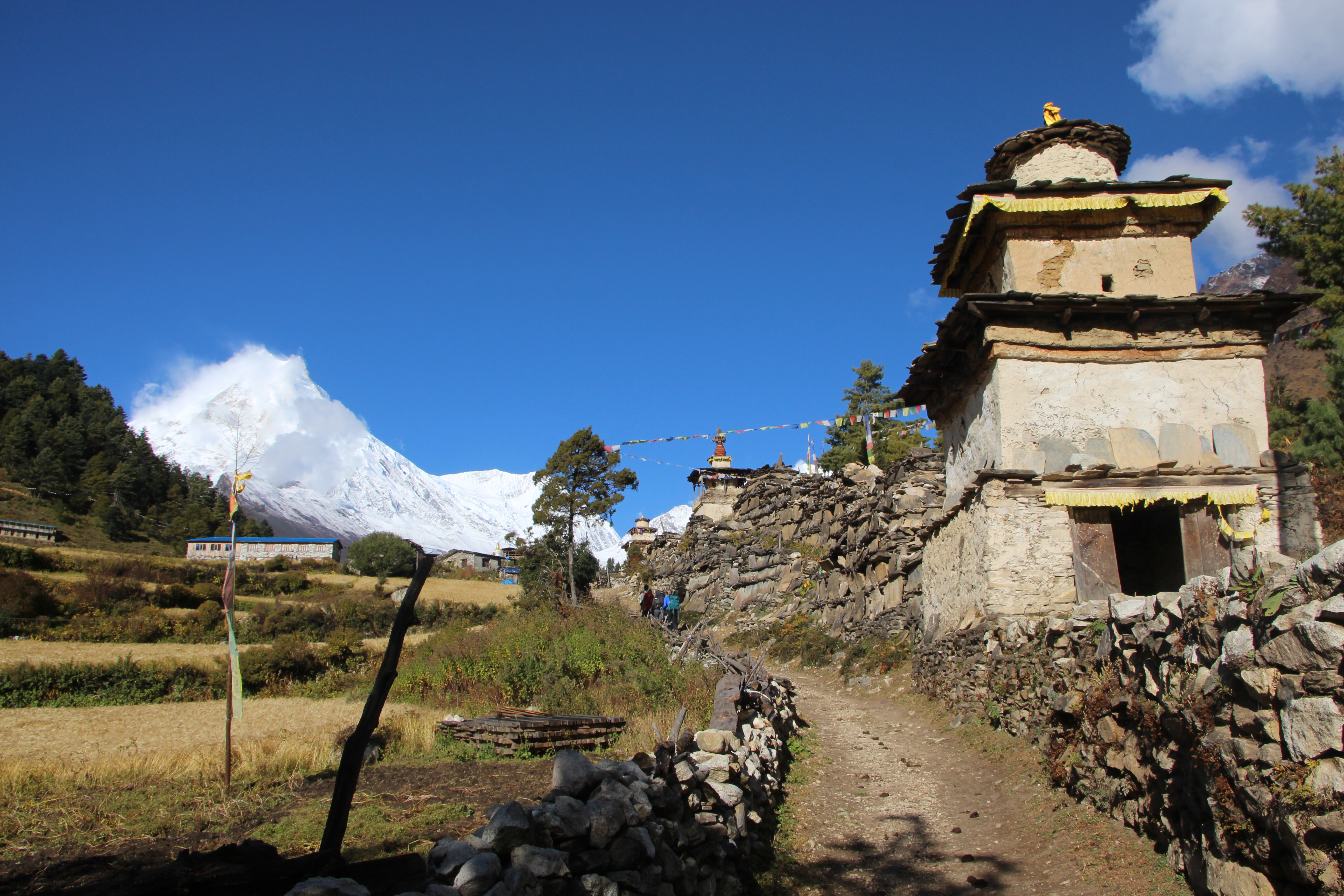
Do You Need a Guide for the Manaslu Circuit?
Beyond meeting government regulations, traveling with a guide adds significant value to the experience. Local guides know the trail conditions, weather patterns, accommodation options, and altitude considerations that can influence your trek. They can also introduce you to the culture, traditions, and history of the region in a way that guidebooks simply cannot.
The Legal Requirements
Mandatory Guide: You must be accompanied by a Nepal government-licensed trekking guide.
Minimum Group Size: Your trekking group must consist of at least two trekkers (not including your guide and porters).
Agency Booking: You cannot just hire a freelance guide on the spot. All restricted area permits must be processed and issued through a registered Nepali trekking agency.
Why Are Guides Mandatory in Manaslu?
The Manaslu region is far more remote than popular trekking routes such as Everest Base Camp or the Annapurna Circuit. Villages are spread out, services become more limited as you gain altitude, and medical facilities are scarce in the upper valley. Beyond Samagaon and Samdo, trekkers are entering a high-altitude environment where weather and trail conditions can change quickly.
A guide does more than lead the way. They help manage logistics, monitor acclimatization, assist at permit checkpoints, and provide local knowledge about trail conditions ahead. Their familiarity with the route can be particularly valuable during the approach to Larkya La Pass, where altitude, weather, and long walking days become important considerations.
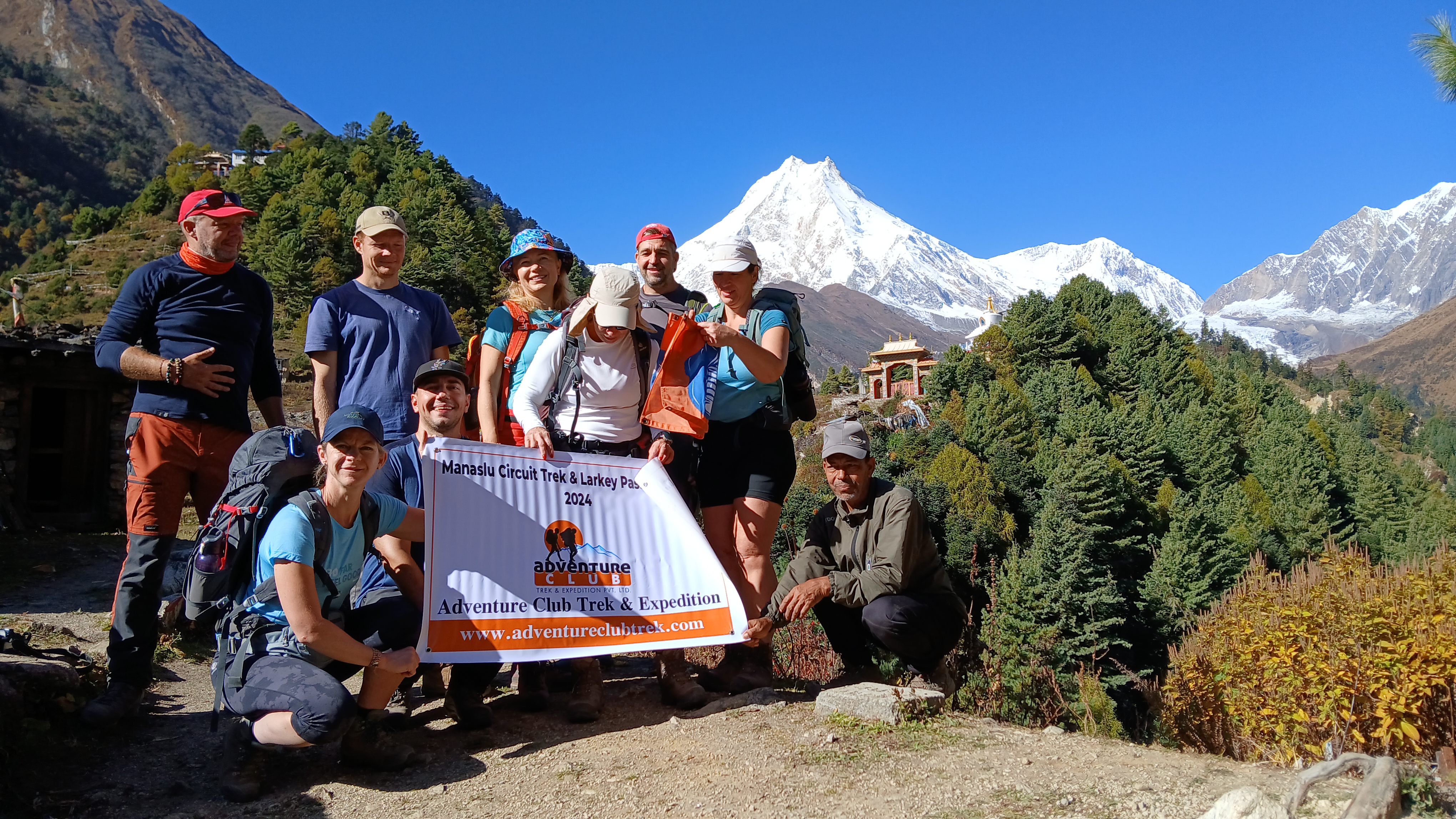
Manaslu Circuit Trek Packing List – What to Bring
The Manaslu Circuit Trek takes you from the warm Budhi Gandaki Valley to the high-altitude crossing of Larkya La Pass (5,106m). Weather conditions can change quickly, especially above Sama Gaun, Samdo, and Dharamsala, so packing the right gear is essential for both comfort and safety.
Clothing and Layering
A proper layering system works best on the Manaslu Circuit.
Base Layers
- 2–3 moisture-wicking thermal tops
- 2 thermal bottoms
- Merino wool or synthetic fabrics
Mid Layers
- Fleece jacket or lightweight insulated jacket
- Softshell jacket (optional)
Outer Shell
- Waterproof and windproof jacket
- Waterproof trekking pants
Insulation Layer
- Warm down jacket (recommended for temperatures below -10°C)
Trekking Clothing
- 2–3 quick-dry trekking shirts
- 2 pairs of trekking pants
- Comfortable clothes for evenings in tea houses
Head, Hands, and Eye Protection
- Warm beanie or wool hat
- Sun hat or cap
- Neck gaiter or buff
- Lightweight inner gloves
- Insulated waterproof gloves
- UV-protection sunglasses
Footwear
- Well-broken-in trekking boots with ankle support
- 4–5 pairs of trekking socks
- Lightweight sandals or camp shoes
- Gaiters (useful during spring snow or late autumn conditions)
Essential Equipment
- Sleeping bag rated to -15°C or lower
- Trekking poles
- Headlamp with spare batteries
- Daypack (25–35 litres)
- Waterproof duffel bag (if using a porter)
- Dry bags for clothing and electronics
- Reusable water bottles or hydration bladder
Health and Personal Items
- Personal medications
- Basic first-aid kit
- Water purification tablets or filter
- Sunscreen (SPF 50+)
- Lip balm
- Hand sanitizer
- Wet wipes
- Quick-dry towel
- Toiletries
Documents and Money
- Passport with valid Nepal visa
- Travel insurance covering high-altitude trekking and helicopter evacuation
- Manaslu Restricted Area Permit (MRAP)
- Manaslu Conservation Area Permit (MCAP)
- Annapurna Conservation Area Permit (ACAP)
- Passport-size photographs
- Nepali Rupees for personal expenses
ATMs are not available on the trekking route, so it is important to carry sufficient cash from Kathmandu for drinks, snacks, Wi-Fi, charging, hot showers, and other personal expenses.
Electronics
- Power bank
- Charging cables
- Universal travel adapter
- Camera or smartphone
- Spare memory cards
Charging facilities are available in most villages, including Namrung, Sama Gaun, and Samdo, but usually require an additional fee and may be limited by weather and solar power availability.
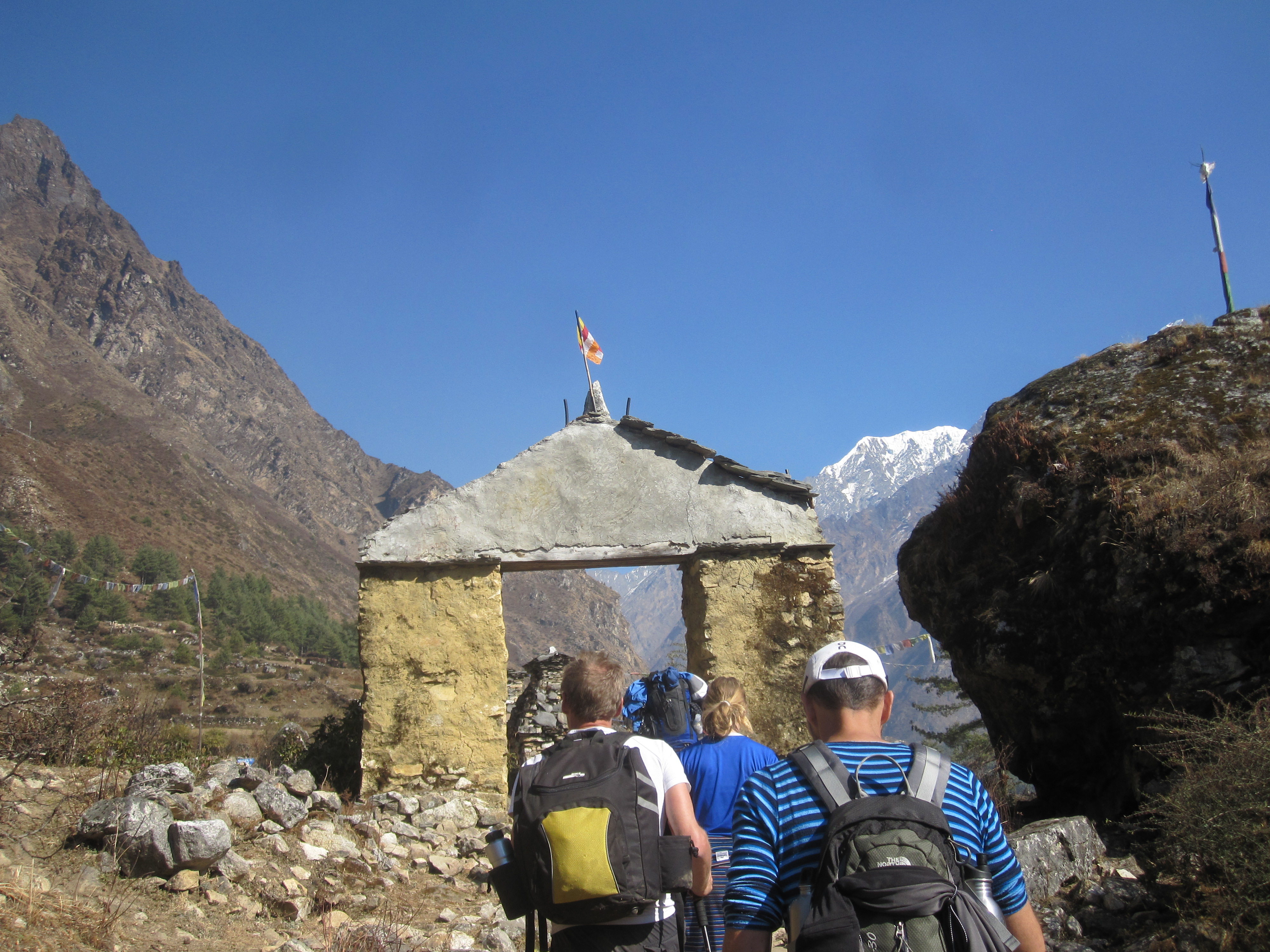
Tea House Accommodation on the Manaslu Circuit
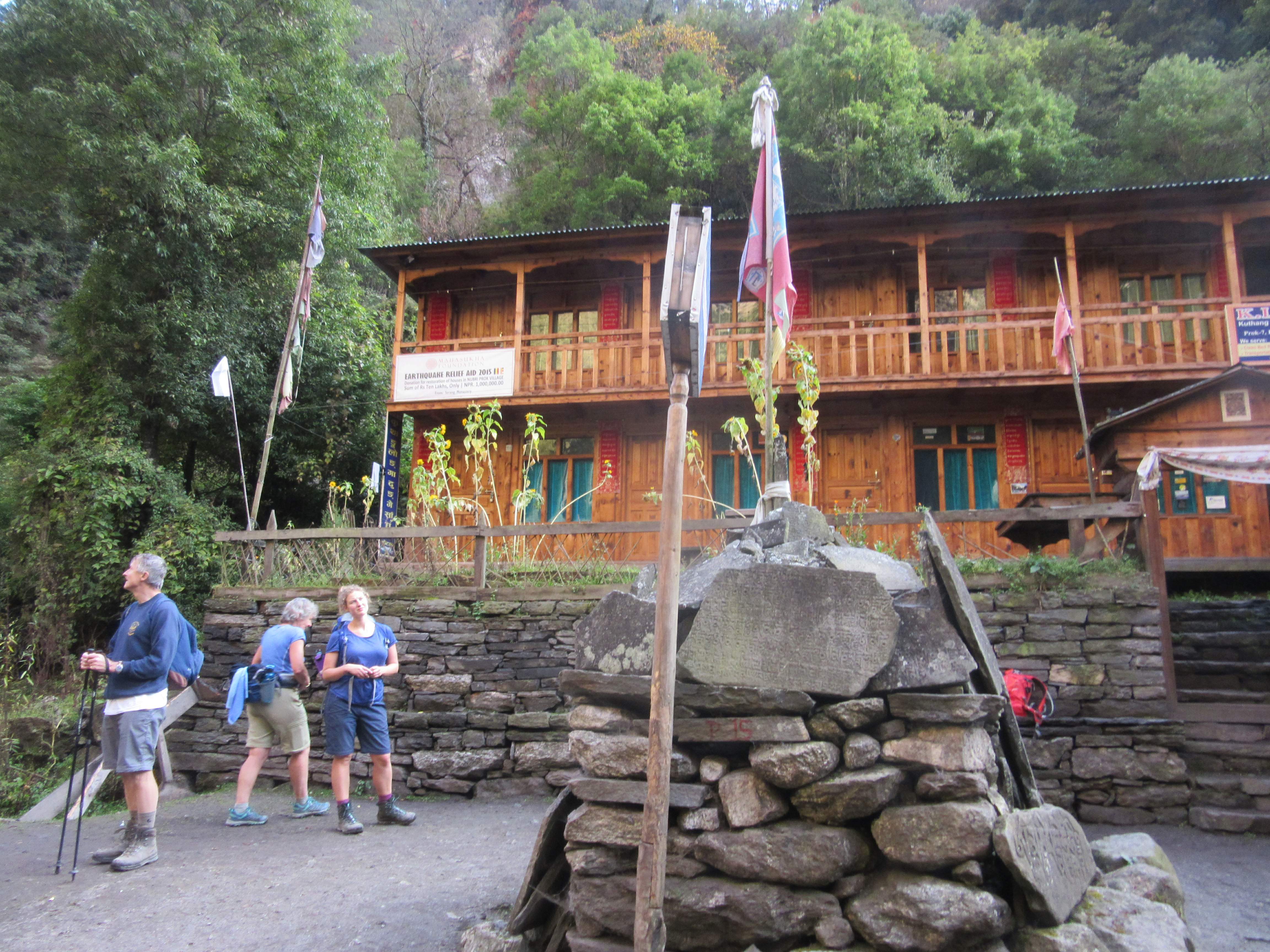
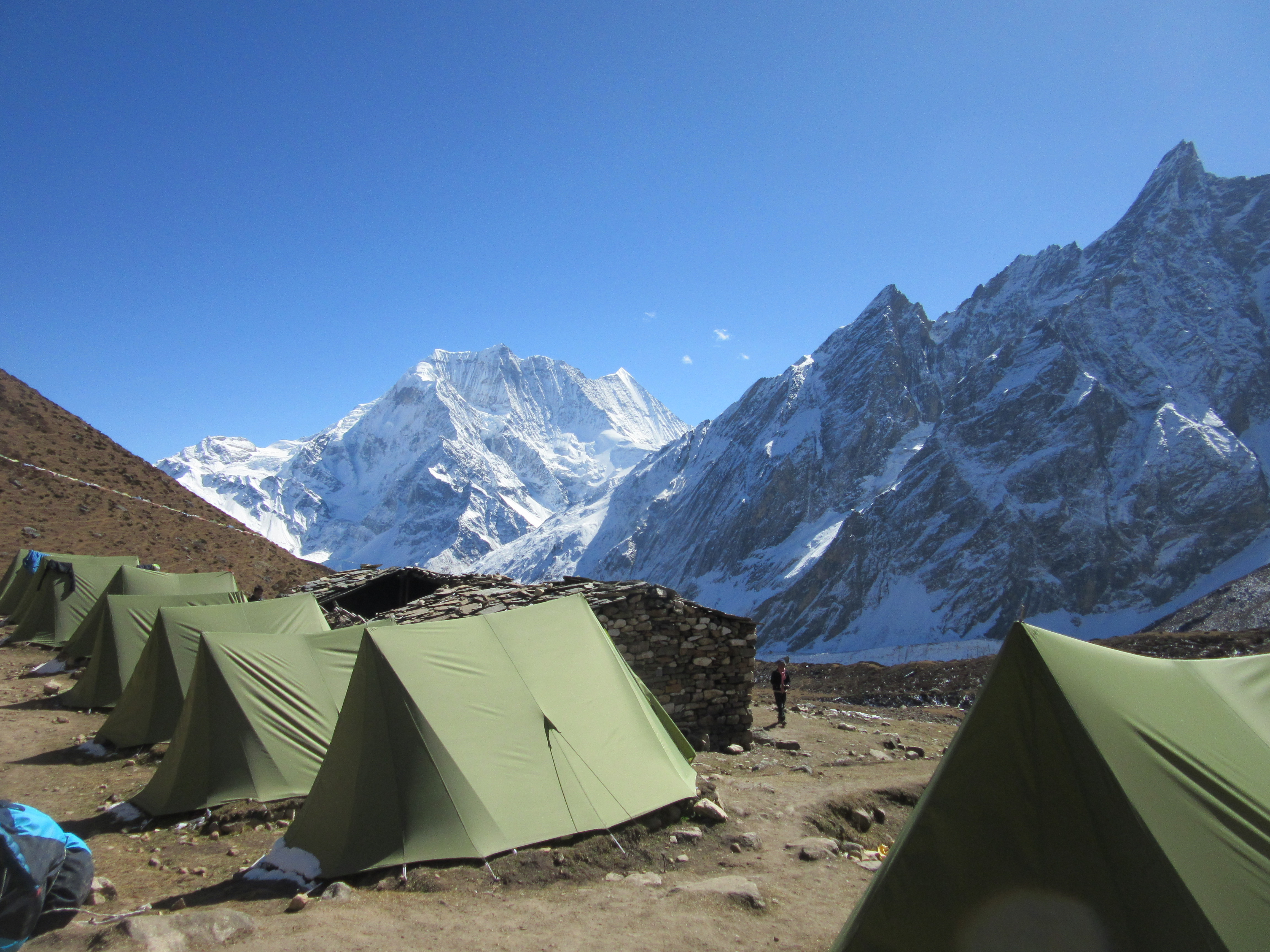
Accommodation on the Manaslu Circuit is provided by local tea houses, which are simple lodges found in villages along the trekking route. Most trekkers spend their nights in places such as Machha Khola, Jagat, Deng, Namrung, Sama Gaun, Samdo, Dharamsala, and Bimthang before finishing the trek in Dharapani.
Rooms are generally basic and usually consist of two single beds, a mattress, a pillow, and a blanket. Private bathrooms are available in some lower villages, but shared facilities are more common throughout the trek.
Facilities vary depending on altitude. In villages such as Jagat, Deng, and Namrung, many tea houses offer hot showers, Wi-Fi, and charging facilities for an additional fee. As you move higher towards Sama Gaun, Samdo, and Dharamsala, accommodation becomes more basic, and services may be limited.
Electricity in higher villages is often supplied by solar power, so charging devices and internet access can be less reliable than at lower elevations. Hot showers are usually available in larger villages and typically cost around NPR 200–400.
While the facilities are simple, tea houses provide everything needed for a comfortable trek, including a warm meal, a place to rest, and the opportunity to experience daily life in the remote mountain communities of the Manaslu region.
Meals on the Manaslu Circuit Trek
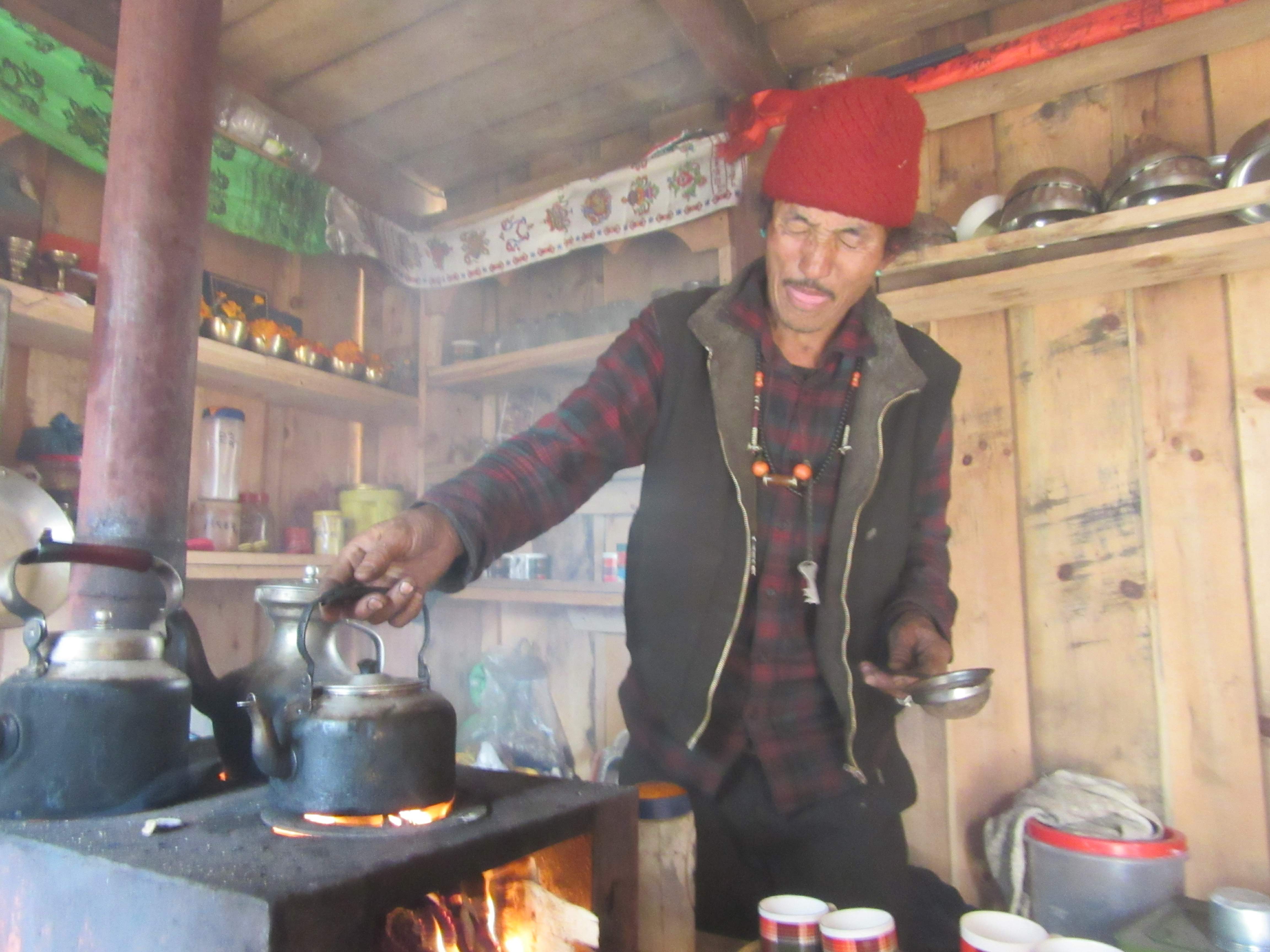
Food on the Manaslu Circuit is simple, hearty, and surprisingly varied considering how remote the region is. Throughout the trek, you'll eat at local tea houses in villages such as Machha Khola, Jagat, Deng, Namrung, Sama Gaun, Samdo, Dharamsala, and Bimthang, where meals are freshly prepared each day.
Breakfast usually includes porridge, Tibetan bread, chapati, pancakes, eggs, tea, or coffee. Before setting off each morning, most trekkers choose a filling meal to prepare for several hours on the trail.
For lunch and dinner, Dal Bhat is the most popular choice. This traditional Nepali meal of rice, lentil soup, vegetables, and pickles provides plenty of energy and often comes with free refills. Other common dishes include chow mein, thukpa, momos, fried rice, pasta, and potato-based meals.
As you move higher towards Sama Gaun, Samdo, and Dharamsala, food prices increase because supplies must be transported into the mountains by mule or porter. Hot drinks such as ginger tea, masala tea, lemon honey tea, and hot chocolate are available throughout the trek and are especially welcome on cold evenings.
One practical tip: many guides recommend choosing vegetarian meals at higher elevations, as meat is more difficult to store and transport in remote mountain villages. The menus may be simple, but after a long day of trekking, a hot meal in a tea house overlooking the Himalayas is often all you need.
Altitude Sickness on the Manaslu Circuit Trek
Altitude sickness is one of the most important things to consider when planning the Manaslu Circuit Trek. The trail starts at Machha Khola (869m) and gradually climbs to Larkya La Pass (5,106m), the highest point of the trek. As you gain altitude, the amount of oxygen in the air decreases, making it harder for the body to adapt.
Most trekkers begin to notice the effects of altitude after reaching Namrung (2,630m), although symptoms are more commonly reported in Sama Gaun (3,530m), Samdo (3,875m), and Dharamsala (4,460m). For this reason, most well-planned itineraries include an acclimatization day in Sama Gaun and sometimes an additional acclimatization hike from Samdo before crossing the pass.
Common symptoms of mild altitude sickness include headaches, loss of appetite, dizziness, unusual fatigue, shortness of breath, and difficulty sleeping. These symptoms should never be ignored. In most cases, resting, drinking plenty of water, and allowing extra time to acclimatize will help the body adjust naturally.
Medical Facilities on the Manaslu Circuit
The Manaslu region is remote, and medical facilities are limited compared to the Everest region. Small health posts can be found in some villages, including Machha Khola, Namrung, and Sama Gaun, where basic treatment may be available. However, facilities are often limited to basic medications and primary care.
Some larger lodges and health posts may have access to oxygen cylinders for emergency situations, particularly around Sama Gaun during the main trekking seasons, but availability should never be guaranteed. Unlike the Everest region, there is no permanent Himalayan Rescue Association aid post on the Manaslu Circuit.
For serious altitude-related illnesses, the primary treatment is immediate descent. In severe cases, helicopter evacuation to Kathmandu may be required.
Should You Take Diamox?
Diamox (acetazolamide) is commonly used by trekkers to help speed up acclimatization, but it is not required for everyone. Many people complete the Manaslu Circuit without taking it.
If you have experienced altitude problems in the past or are concerned about acclimatization, it is worth discussing Diamox with your doctor before traveling to Nepal. It should be viewed as a supplement to proper acclimatization, not a replacement for it.
Practical Advice from the Trail
The people who adapt best to altitude are not usually the fastest walkers. A steady pace, regular hydration, proper rest, and listening to your body are far more important than trying to reach the next village quickly.
If symptoms become worse rather than better, the safest decision is always to stop ascending and, if necessary, descend to a lower altitude. No summit, pass, or itinerary is worth risking your health.
With a sensible itinerary, proper acclimatization in villages such as Sama Gaun and Samdo, and the support of an experienced guide, most trekkers complete the Manaslu Circuit safely and enjoy one of Nepal's most rewarding Himalayan journeys
What Makes the Manaslu Circuit Trek Challenging?
The Manaslu Circuit Trek is challenging for several reasons, and most trekkers find that the difficulty comes from a combination of factors rather than one single obstacle.
In our experience, many trekkers prepare carefully for the altitude but underestimate the constant ascents and descents in the lower Budi Gandaki Valley. The trail between villages such as Jagat, Deng, and Namrung follows a deep river gorge, crossing suspension bridges, climbing stone staircases, and navigating rocky terrain almost every day. Many hikers are surprised that some of the toughest walking comes before reaching the high mountains.
Altitude becomes a bigger challenge as the route climbs beyond Samagaon (3,520 m) toward Samdo and eventually Larkya La Pass (5,106 m). Most itineraries include an acclimatization day in Samagaon, often with a hike to Birendra Lake or Manaslu Base Camp, helping the body adjust before moving higher.
The overall distance also adds to the challenge. Depending on the itinerary, trekkers cover roughly 177 km (110 miles) over 12 to 18 days. While no single day is extreme, the cumulative effect of walking for nearly two weeks can be physically demanding.
For many people, the toughest day is the crossing of Larkya La Pass. Starting before sunrise from Dharamsala, trekkers spend several hours climbing to the pass before descending to Bimthang. Depending on weather and pace, this can be an 8 to 10-hour day and is often remembered as the most demanding part of the trek.
The remote nature of the Manaslu region adds another layer of difficulty. Teahouses become more basic at higher elevations, and services such as hot showers, charging facilities, and WiFi are often limited or available for an additional fee. Medical facilities are also much less accessible than on more developed trekking routes.
Finally, mountain weather can make conditions significantly harder. Strong winds, snowfall, and sudden temperature changes are common around Larkya La Pass, particularly during the shoulder seasons. Proper clothing, layering, and preparation are essential.
The good news is that the Manaslu Circuit Trek requires no technical climbing skills. With reasonable fitness, proper acclimatization, and a well-planned itinerary, most trekkers can complete the route successfully. The challenge comes from combining rugged terrain, altitude, long walking days, and remote mountain conditions over an extended period.
Internet, Wi-Fi, and Mobile Network Availability on the Manaslu Circuit
Internet and mobile coverage are available on parts of the Manaslu Circuit, but connectivity becomes less reliable as you gain altitude. If staying connected is important, it is best to set realistic expectations before starting the trek.
For most of the route, Nepal Telecom (NTC) provides the most reliable coverage. Mobile signal is generally available in villages such as Machha Khola, Jagat, Deng, Namrung, and Lho, although speeds can vary depending on weather and network conditions. Coverage becomes weaker around Sama Gaun and is often unavailable in Samdo, Dharamsala, and near Larkya La Pass.
Most tea houses in Jagat, Namrung, Lho, Sama Gaun, and Bimthang offer Wi-Fi for an additional charge. The connection is usually sufficient for messaging, checking emails, or sending updates to family and friends, but it can be slow during busy periods and is not ideal for video calls or large file uploads.
Charging facilities are available in nearly all tea houses along the route, including those in Sama Gaun and Samdo. However, electricity often comes from solar or small local power systems, so charging devices usually requires an extra fee. Carrying a power bank is highly recommended, especially before spending a night in Dharamsala, the final stop before crossing Larkya La Pass.
One thing I often hear from guests after the trek is that the limited connectivity becomes an unexpected highlight. Without constant notifications and distractions, it is easier to enjoy the mountain scenery, village life, and the unique experience of trekking through one of Nepal's most remote Himalayan regions.
In case of an emergency, guides and larger tea houses have access to communication networks and can arrange assistance when necessary.
Common Mistakes to Avoid on the Manaslu Circuit
The Manaslu Circuit is not technically difficult, but small mistakes can have a big impact on your experience. Most problems on the trail are preventable with good preparation and realistic expectations.
Rushing the Trek
One of the most common mistakes is trying to complete the trek too quickly. Villages such as Sama Gaun and Samdo are not just overnight stops—they play an important role in acclimatization. Skipping acclimatization days may save time, but it can significantly increase the risk of altitude sickness before reaching Larkya La Pass (5,106m).
Focusing on Speed Instead of Pace
The trekkers who enjoy Manaslu the most are usually not the fastest. Walking at a steady pace, taking regular breaks, and allowing your body time to adjust to the altitude often leads to a safer and more enjoyable trek.
Underestimating Mountain Weather
Conditions can change quickly on the Manaslu Circuit. A warm afternoon in Machha Khola or Jagat can be followed by freezing temperatures a few days later in Samdo or Dharamsala. Packing proper layers and a warm sleeping bag makes a big difference once you reach the higher villages.
Not Carrying Enough Cash
There are no reliable ATMs along the trekking route. Tea houses in villages such as Namrung, Sama Gaun, and Samdo charge separately for Wi-Fi, device charging, hot showers, and drinks. Carrying enough Nepali rupees from Kathmandu helps avoid unnecessary stress on the trail.
Ignoring Early Signs of Altitude Sickness
Headaches, loss of appetite, dizziness, and unusual fatigue are common warning signs that your body needs more time to acclimatize. The best approach is to speak with your guide early rather than trying to push through the symptoms.
Bringing Too Much Gear
A heavy backpack often becomes noticeable by the time trekkers reach the long climbs above Deng and Namrung. Pack for the conditions you are likely to face rather than every possible scenario. A lighter pack usually means a more comfortable trek.
The Manaslu Circuit rewards patience and preparation. Taking your time, respecting the altitude, and listening to your guide will go a long way toward making the journey safer and more enjoyable.
Who Should Consider Another Trek?
Manaslu is not the right trek for every traveler, and that is completely normal. The route demands more planning, more time, and a bigger budget than many first-time visitors expect. Between restricted-area permits, guide requirements, transportation, and nearly two weeks on the trail, it requires a greater commitment than most popular treks in Nepal.
Independent trekkers should think carefully before choosing Manaslu. This is not a route where you can simply arrive, decide your plan day by day, and change direction whenever you feel like it.
Independent trekking is not permitted, and the journey follows a more structured format than routes such as the Annapurna Circuit. If flexibility is one of the main reasons you enjoy trekking, Annapurna may be a better fit.
Time is another important consideration. Every trekking season, travelers arrive in Nepal hoping to fit a major Himalayan trek into a week-long holiday. In most cases, they enjoy Langtang Valley far more than rushing through Manaslu. The mountains are impressive, the cultural experience is rewarding, and the shorter schedule allows people to enjoy the journey rather than constantly watching the clock.
Comfort expectations also matter. By the time you reach villages such as Samdo and Dharamsala, a hot shower may be a bucket of warmed water rather than the shower you enjoyed earlier in the trek.
The Internet can be slow or unavailable, and sending a few photos home sometimes takes more patience than expected. Higher on the trail, menus become simpler too, often revolving around reliable trekking staples such as dal bhat, fried rice, noodle soup, and potatoes.
We occasionally meet trekkers who are attracted by photos of Manaslu's quiet trails but later realize they would have preferred the larger villages, wider food choices, and social atmosphere found on the Everest Base Camp route. Others have exactly the opposite reaction and fall in love with Manaslu because they can walk for long stretches beyond Samagaon without seeing many other trekking groups. Neither preference is right or wrong.
And if seeing Mount Everest is the main reason for visiting Nepal, the choice is straightforward. The Everest Base Camp Trek is designed around that experience. Manaslu offers something different: smaller villages, fewer crowds, and a stronger sense of remoteness as you move deeper into the mountains.
The best trek is rarely the one with the biggest reputation. It is the one that matches the experience you want to have once you are out on the trail.
Crossing Larkya La Pass: What Should Trekkers Expect?
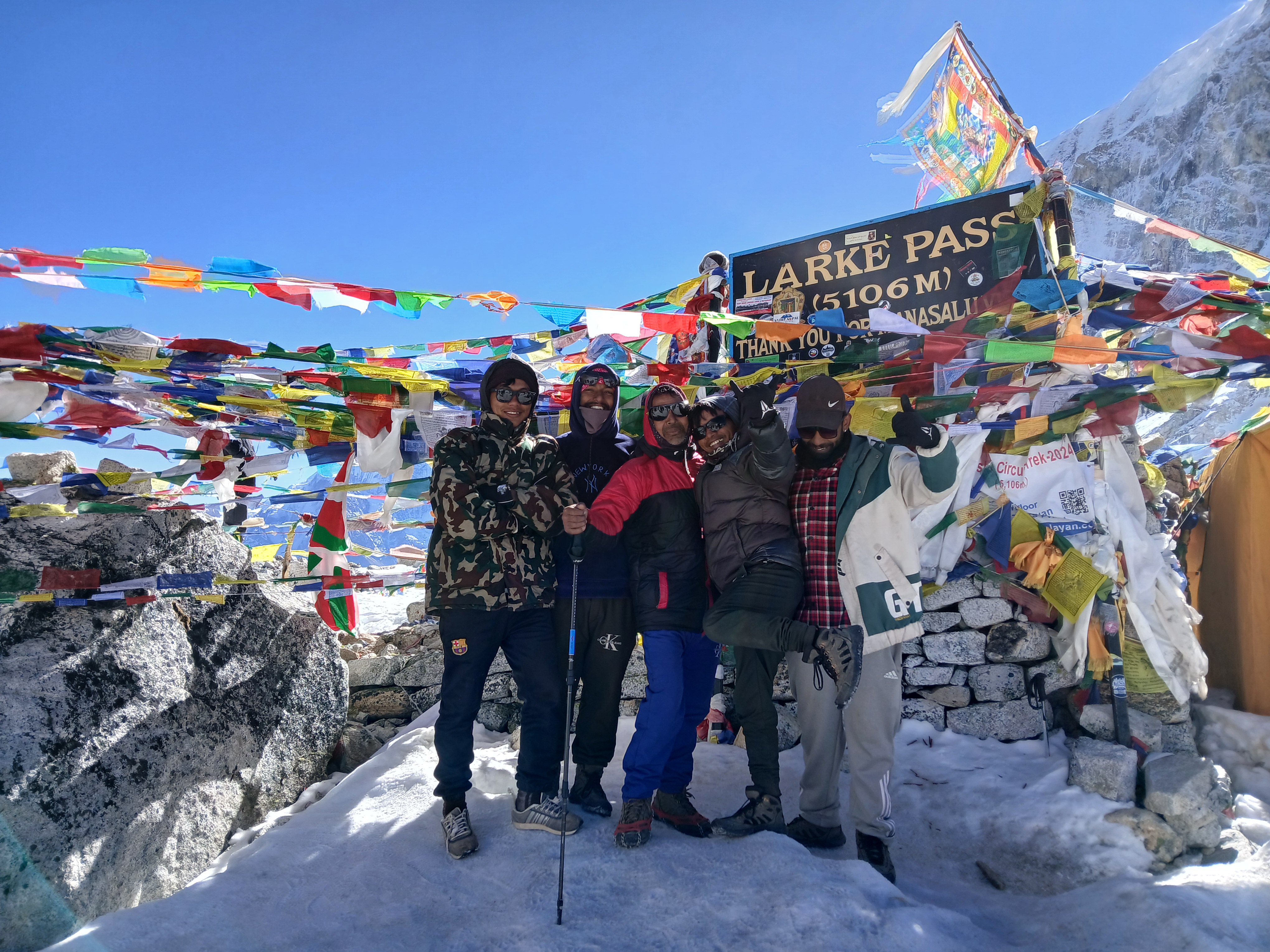
Crossing Larkya La Pass (5,106 m) is the highlight of the Manaslu Circuit Trek and the day most trekkers remember long after returning home. It is also the most physically demanding day of the journey, combining high altitude, a long ascent, and a lengthy descent into the Marsyangdi Valley.
Most groups leave Dharamsala (Larkya Phedi) before sunrise, usually between 4:00 and 5:00 AM. The early start is important because weather conditions are generally calmer in the morning, while strong winds and clouds often develop later in the day.
The climb to the pass is gradual but relentless. At this altitude, even moderate uphill sections can feel surprisingly demanding, and many trekkers find themselves walking much slower than usual. The challenge is not technical climbing but maintaining a steady pace in thin air.
On clear days, the reward is a spectacular panorama of Himlung Himal, Cheo Himal, Kang Guru, and Annapurna II surrounding the pass.
Many first-time trekkers assume reaching the prayer flags at Larkya La is the hardest part of the day. In reality, the long descent to Bimthang often proves just as challenging.
After several hours of climbing, tired legs must still handle a steep descent of more than 1,500 meters, which can be particularly demanding on the knees.
In our experience, trekkers who struggle on pass day are rarely the fastest walkers. More often, they are the people who rushed their acclimatization earlier in the trek. Spending adequate time in Samagaon and Samdo usually contributes more to a successful pass crossing than physical fitness alone.
Although Larkya La is one of Nepal's highest trekking passes, it is not a technical mountaineering route. With proper acclimatization, suitable clothing, trekking poles, and a sensible pace, most trekkers complete the crossing safely and consider it the highlight of the entire Manaslu Circuit.