Why Choose the Everest Base Camp Trek with a Helicopter Return?
The Everest Base Camp Trek with a Helicopter Return is the ideal choice for those who want the full trekking experience without having to hike back along the same trail to Lukla. You’ll follow the classic EBC route through Namche Bazaar, Tengboche, and Gorak Shep, enjoying breathtaking Himalayan views, rich Sherpa culture, and the unforgettable moment of reaching base camp.
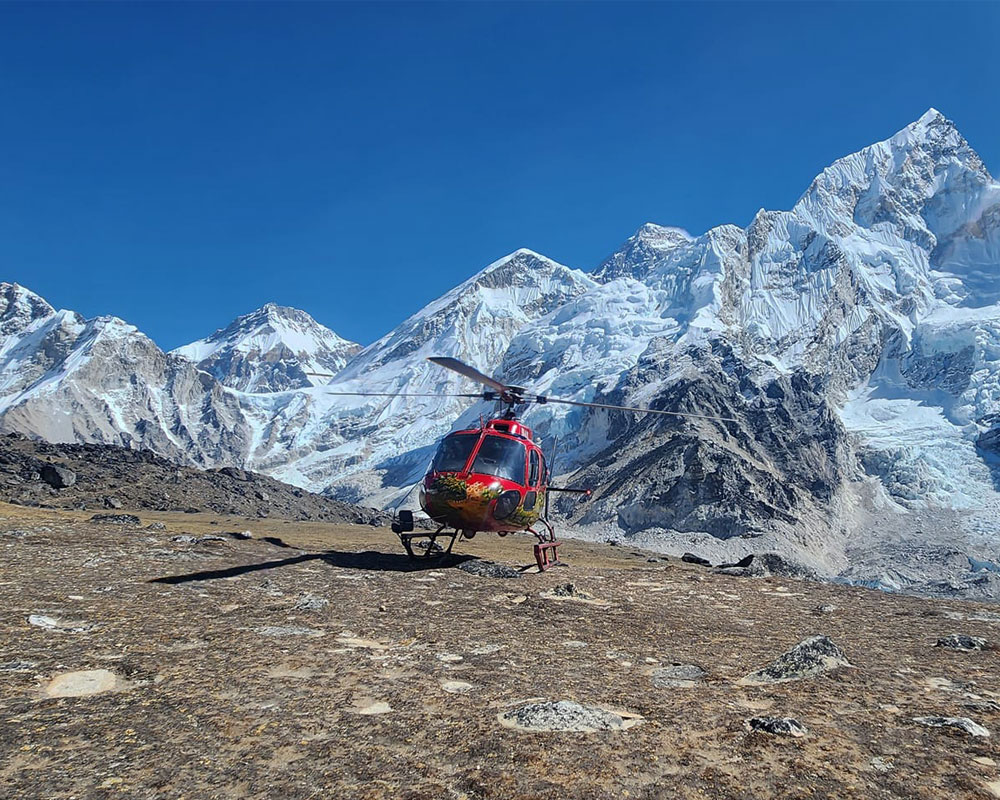
What makes this option truly special is how it ends. Instead of retracing your steps downhill, you’ll take a scenic helicopter flight from Kala Patthar, one of the most iconic viewpoints for Everest. In just minutes, you’ll soar above the very trail you trekked—passing glaciers, ridgelines, and mountain villages—before landing in Lukla or Kathmandu.
This route is perfect for trekkers short on time, travelers seeking a more comfortable return, or anyone who wants to combine adventure with a touch of luxury. It also helps reduce physical strain and altitude-related fatigue, making it a safer and more efficient way to complete the journey.
This option is ideal for trekkers short on time, travelers who prefer comfort during the return journey, and anyone who wants to combine adventure with a premium experience. If you're comparing routes, you can also check out our Everest Base Camp Trek—12 Days, the shorter Everest View Trek, or the scenic Gokyo Valley Trek with Helicopter Return. Those looking for something quick can explore our Everest Helicopter Tour—1 Day.
How Much Does the Everest Base Camp Trek with a Helicopter Return Cost?
The cost of the Everest Base Camp Trek with Helicopter Return typically ranges from USD 2,350 to USD 3,379 per person, and it depends on group size, lodge quality, and helicopter options. Standard EBC helicopter-return packages normally fall between USD 2,679 and USD 2,959 for small groups using mid-range lodges, while a premium Everest Base Camp Helicopter Tour with upgraded accommodation and added comfort averages USD 3,300–USD 3,650. Prices generally include the Sagarmatha National Park Permit, Khumbu Pasang Lhamu Rural Municipality Permit, guide services, meals during the trek, and the helicopter flight from Gorak Shep or Kala Patthar back to Kathmandu or Lukla. Costs increase when choosing a private helicopter charter, a smaller group size, or higher-end lodges in the Khumbu region. Overall, this package is ideal for trekkers seeking the full Everest experience with the time-saving advantage of a scenic helicopter return.
Key Factors That Affect the EBC Helicopter Return Cost
- Group Size: Larger groups lower the per-person cost.
- Accommodation: Higher-end lodges or Kathmandu hotels increase the total price.
- Services Included: Private guides, upgraded meals, or added amenities raise costs.
- Helicopter Details: Private charter vs. shared flight, plus whether the pickup is from Gorak Shep or Lukla, influences the final price.
How Difficult Is the Everest Base Camp Trek with Helicopter Return?
The Everest Base Camp trek with helicopter returnis considered moderately difficult and suits travelers with reasonable fitness rather than technical mountaineering skills. You usually walk 5–7 hours a day on well-established mountain trails, passing stone steps, suspension bridges, and gradual uphill sections. The terrain itself is not technical, but the high altitude is the main challenge, especially above 4,000 meters near Gorakshep and Everest Base Camp (5,364 m).
The helicopter return makes the journey easier than the classic round-trip trek. By flying back instead of trekking downhill for several days, you reduce physical strain, knee stress, and overall fatigue. This option is especially helpful for trekkers with limited time or those concerned about long descents.
With proper acclimatization days, a slow walking pace, and good preparation, most first-time trekkers do well. Reading a detailed itinerary, altitude guide, and packing list can greatly improve comfort and safety on the trail.
Best Time for the Everest Base Camp Trek with Helicopter Return
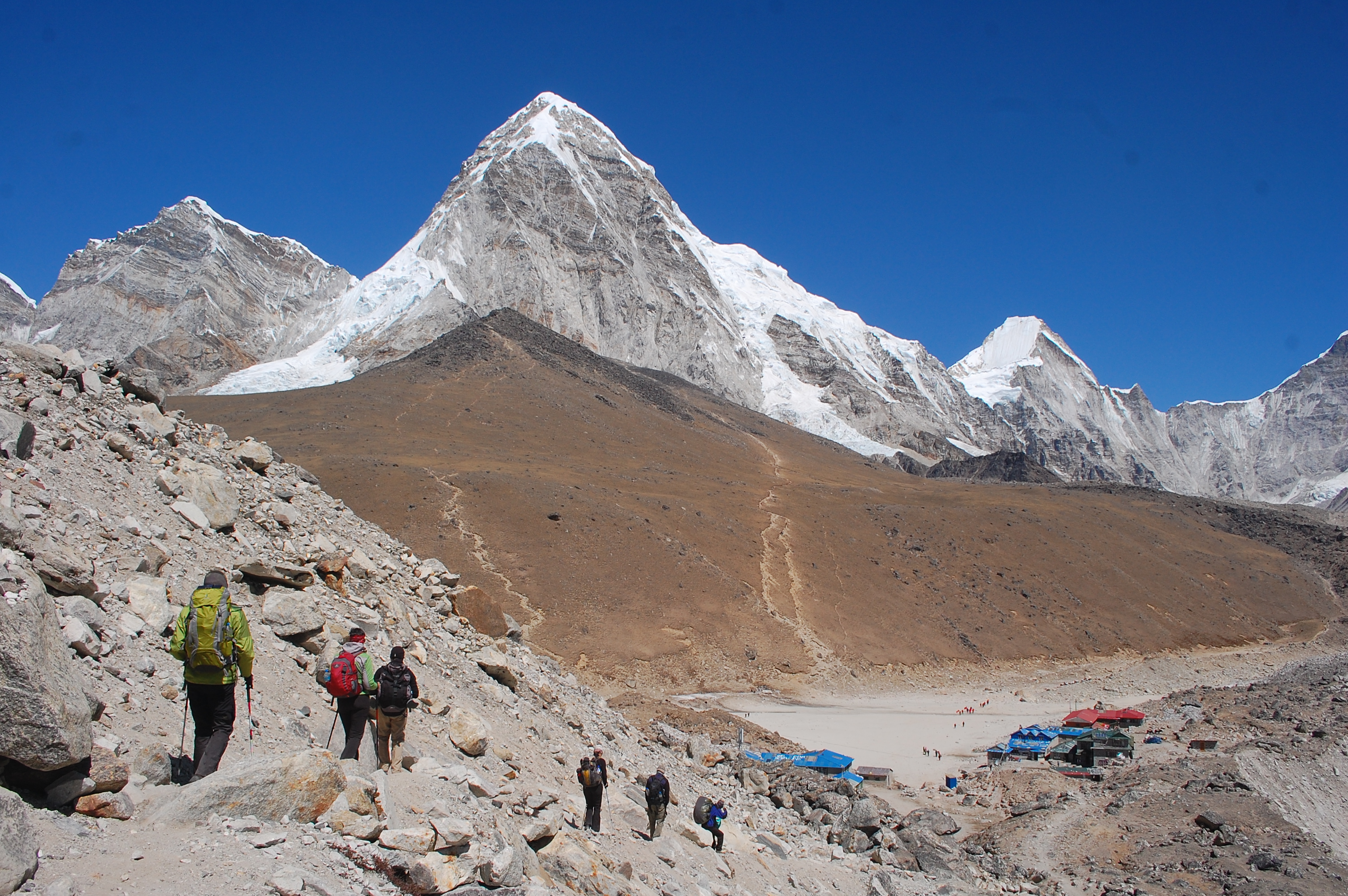
The best time for the Everest Base Camp (EBC) Trek with Helicopter Return is during the spring (March–May) and autumn (September–November) trekking seasons. These months offer the most stable Himalayan weather, clearer skies, mild temperatures, and excellent visibility—ideal for both trekking and the crucial helicopter flight from Gorak Shep or Kala Patthar. Clear weather during these seasons greatly reduces the chances of flight delays or cancellations.
Spring (March to May)
Pros: Pleasant daytime temperatures, bright skies, and colorful rhododendron blooms make the Khumbu region vibrant and scenic. This is also one of the best seasons for clear mountain views during your Everest Base Camp trek.
Cons: It’s a busy time, as hundreds of climbers begin their Everest expeditions, leading to more crowded trails and teahouses. Best for: Trekkers who enjoy livelier trails, blooming forests, and mild weather.
Autumn (September to November)
Pros: Post-monsoon skies are exceptionally clear, with crisp mountain views and very stable trekking conditions. Temperatures are moderate, making this season ideal for the Everest Base Camp Helicopter Return trek.
Cons: This is the most popular trekking season in Nepal, meaning busier lodges and higher foot traffic. Best for: Trekkers who want the best visibility and the most reliable conditions for their helicopter return flight.
Other Seasonal Considerations
Winter (December to February): Skies are often clear, but temperatures can drop extremely low, especially above Dingboche and Lobuche, making the trek more challenging.
Monsoon (June to August): Heavy rain, cloud cover, and poor visibility make trekking and helicopter flights unpredictable. This season is not recommended for the EBC Helicopter Return due to high cancellation risks.
Important Note on Flexibility
Regardless of the season, helicopter flights depend entirely on good weather. Always be prepared for possible delays or, in rare cases, the need to trek back to Lukla if conditions prevent flying.
Everest Base Camp Trek with Helicopter Return: Route and Itinerary
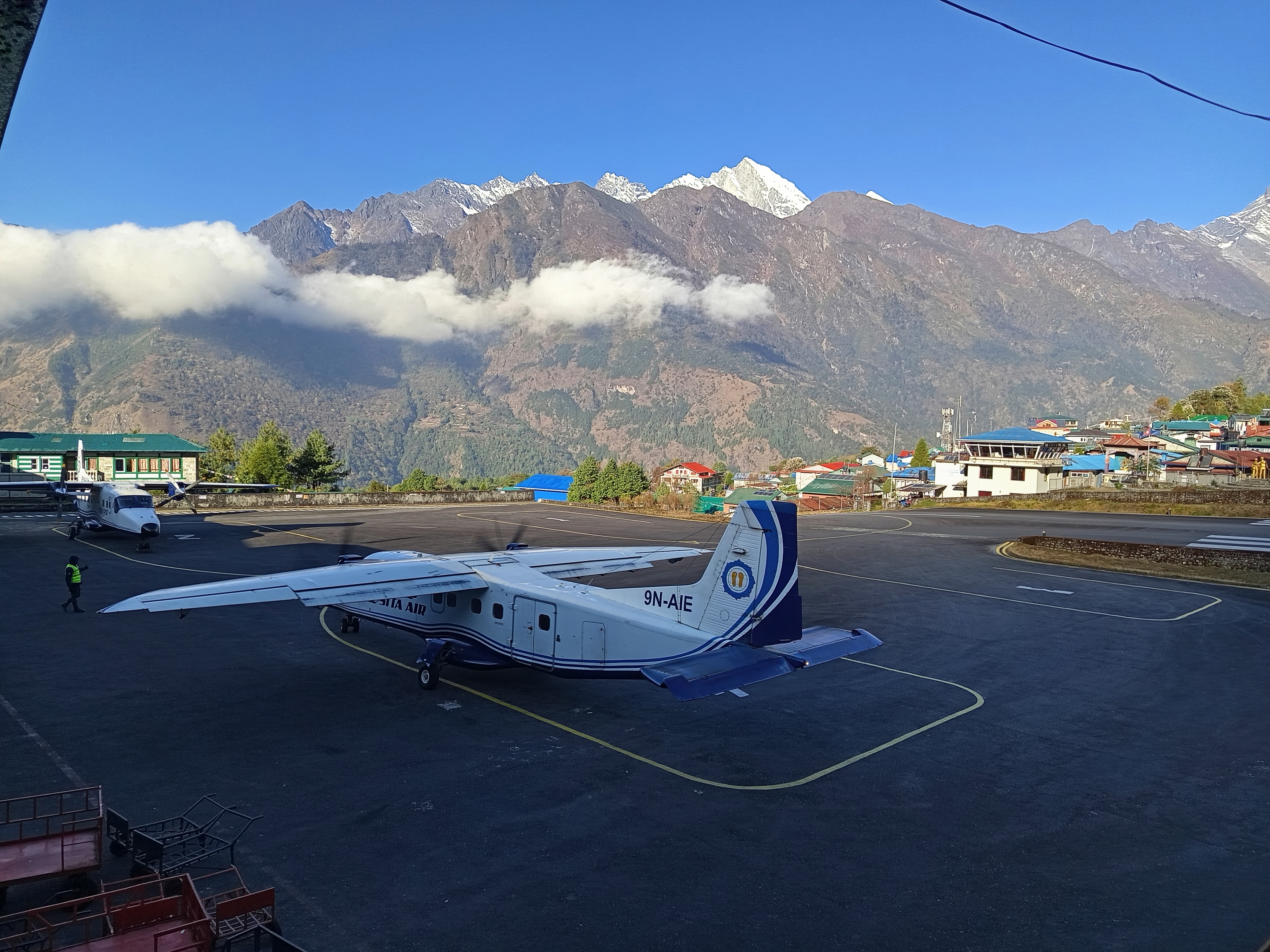
The Everest Base Camp trek with helicopter return follows the classic Everest route, with a faster and more comfortable exit from the mountains. The journey usually begins with a short flight to Lukla, where the trek officially starts. From Lukla, the trail passes through Phakding and climbs gradually to Namche Bazaar, the main trading hub of the Khumbu region and a key acclimatization stop.
After a rest day, the route continues through Tengboche, Dingboche, and Lobuche, with steady altitude gain and wide mountain views. Trekkers then reach Everest Base Camp, followed by an early-morning hike to Kala Patthar for sunrise views.
Instead of trekking back down the same trail, a helicopter picks you up from Gorakshep or nearby villages and flies you out in a single day. This saves time, reduces physical strain, and is ideal for trekkers with limited schedules. Reviewing a detailed itinerary and altitude guide helps plan each stage realistically.
Itinerary
Day 1: Arrival in Kathmandu (1,350 m)
Arrive in Kathmandu and transfer to your hotel. Use the day to rest, check trekking gear, and attend a short briefing about the journey ahead.
Day 2: Fly to Lukla & Trek to Phakding
Take a scenic mountain flight from Kathmandu or Manthali (Ramechhap) to Lukla. Begin the trek with an easy walk to Phakding along the Dudh Koshi River.
Day 3: Phakding to Namche Bazaar (9–11 km, 5–6 hrs)
Cross suspension bridges and climb steadily to Namche Bazaar, the main hub of the Everest region.
Day 4: Namche Bazaar – Acclimatization Day (3–4 hrs)
Rest and adapt to the altitude with a short hike to nearby viewpoints while enjoying Namche’s cafés and bakeries.
Day 5: Namche Bazaar to Tengboche (10 km, 5–6 hrs)
Walk through forests with mountain views and visit the famous Tengboche Monastery.
Day 6: Tengboche to Dingboche (10 km, 5–6 hrs)
Continue through alpine landscapes as vegetation thins with altitude.
Day 7: Dingboche – Acclimatization Day
Hike to Nangkartsang Peak for altitude adaptation and panoramic views.
Day 8: Dingboche to Lobuche (10–11 km, 5–6 hrs)
Trek past memorials and rugged terrain toward the upper Khumbu valley.
Day 9: Lobuche to Gorakshep & Everest Base Camp (14–15 km, 7–8 hrs)
Reach Everest Base Camp after walking alongside the Khumbu Glacier.
Day 10: Kala Patthar Hike & Helicopter Return
Early morning hike to Kala Patthar for sunrise views, then return to Gorakshep and fly by shared helicopter back to Kathmandu.
Day 11: Departure
Transfer to the airport for your onward journey, marking the end of the trek.
What to Expect on a Helicopter Flight from Gorek Shep to Kathmandu
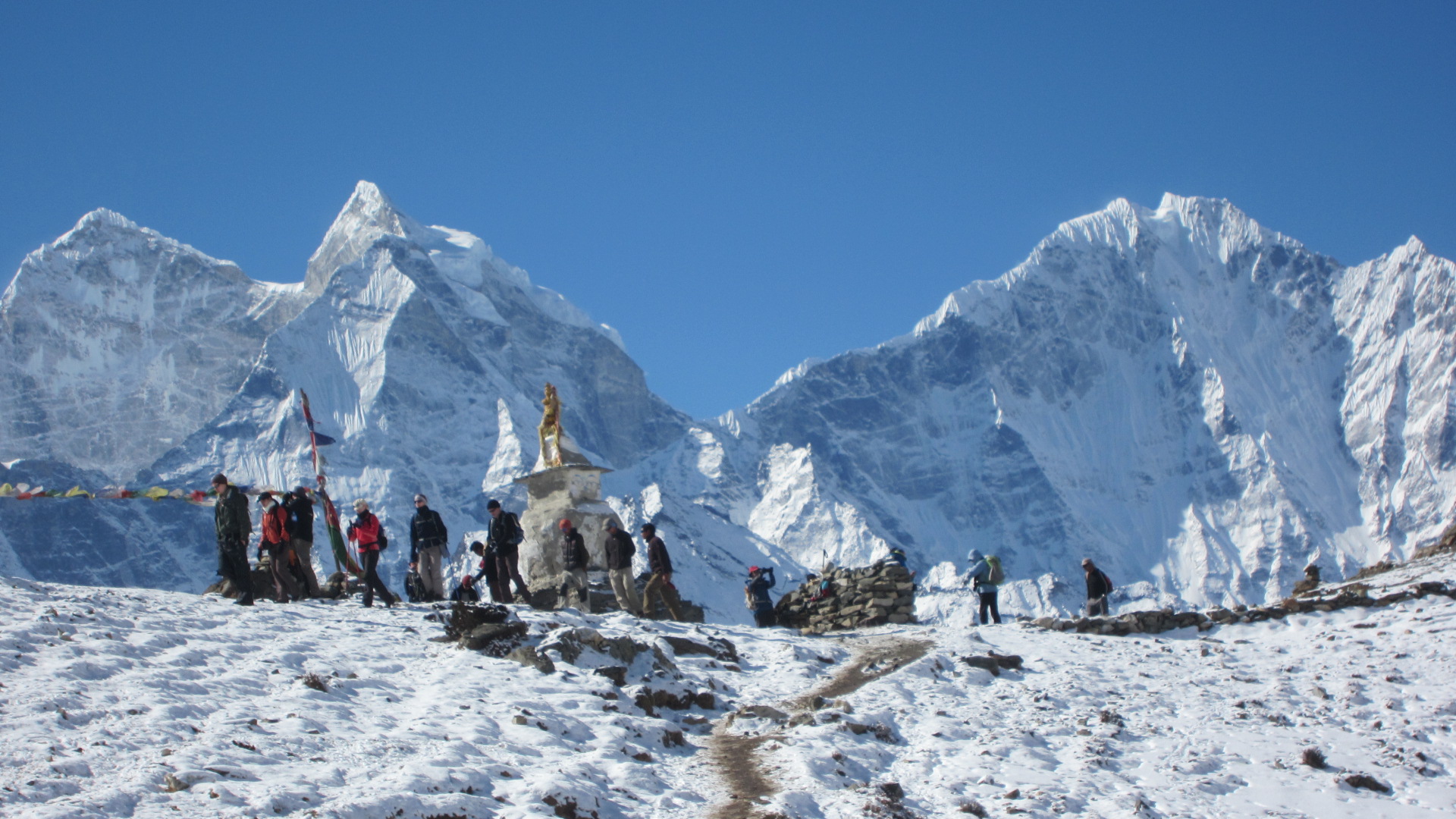
A helicopter flight from Gorek Shep to Kathmandu is one of the most spectacular ways to end the Everest Base Camp journey. After standing at one of the highest viewpoints in the Khumbu region, the helicopter lifts off with unmatched views of Mount Everest, Lhotse, Nuptse, Ama Dablam, and the upper Khumbu Glacier. This breathtaking aerial ride lets you see the entire trail you trekked—from Gorakshep and Lobuche to Tengboche and Namche Bazaar—now from a completely new perspective.
As the helicopter descends, the scenery changes rapidly from icy glaciers and rugged ridgelines to deep green valleys, alpine forests, and traditional Sherpa villages scattered across terraced hillsides. Many flights include a short stop in Lukla for refueling, giving passengers a moment to stretch, enjoy the mountain air, and take photos near the famous Himalayan airstrip.
During the flight, you can expect wide panoramic windows, excellent photography opportunities, and a comfortable ride lasting 1.5 to 2 hours, depending on weather and air traffic. Flights typically depart in the morning for the best visibility, but they remain weather-dependent, as cloud cover and wind can affect Himalayan air travel. Helicopters usually carry only two to three passengers because of strict weight limits at high altitude, ensuring safety and balance during takeoff.
Passengers often choose this option when they are short on time, feeling altitude discomfort, or simply want the most scenic and effortless return from the Everest region. The flight concludes at Tribhuvan International Airport’s Domestic Terminal, where travelers quickly transition back to Kathmandu’s vibrant city life.
Because this route is fast and reliable, it is also commonly used for emergency evacuations in the Everest region. Overall, the Kala Patthar to Kathmandu helicopter flight offers a rare blend of convenience, comfort, and breathtaking scenery—making it one of the most unforgettable experiences in Nepal’s Himalayas.
.JPG)
How Long Does the Everest Base Camp Trek with Helicopter Return Take?
The Everest Base Camp trek with helicopter return usually takes 9 to 12 days, depending on the itinerary you prefer, acclimatization schedule, and weather conditions. Most trips begin with a short flight to Lukla, followed by 7–8 days of gradual trekking through the Khumbu Valley to reach Everest Base Camp. Proper acclimatization days in Namche Bazaar and Dingboche are built into the schedule to help your body adjust safely to increasing altitude. After visiting Everest Base Camp (5,364 m) and hiking to Kala Patthar (5,545 m) for sunrise views, the return is completed by helicopter in a single day. This replaces 3–4 days of downhill trekking, reducing fatigue and joint strain while allowing a quicker exit from high altitude. Reviewing a detailed itinerary and altitude guide helps travelers plan realistically and choose the right pace for a safe journey.
Accommodation and Meals on the Everest Base Camp Trek Accommodation
On the Everest Base Camp trek, lodging is provided mainly in local teahouses—small, family-run lodges found in every village along the trail. Rooms are usually twin-sharing and basic, with a bed, mattress, pillow, and blanket. At lower elevations such as Phakding and Namche Bazaar, some teahouses offer attached bathrooms, hot showers, and better insulation. As you gain altitude beyond Dingboche and Lobuche, facilities become simpler, with shared toilets and heating limited to the dining area. Electricity, charging, and hot water are usually available for an extra cost, and the power supply can be unreliable at higher altitudes.
Meals are freshly prepared and designed to support long trekking days. Dal bhat—rice, lentils, and vegetables—is the most popular and reliable choice, especially at higher altitudes, as it is nutritious and often refillable. Menus also include noodles, pasta, soups, potatoes, eggs, and simple breads. Food choices become more limited and expensive as altitude increases due to transportation challenges.
.JPG)
Packing List for the Everest Base Camp Trek with Helicopter Return
Packing smart makes a big difference on the Everest Base Camp trek with a helicopter return. You still trek to high altitude, but the helicopter flight reduces return days, so you can pack light and practical, not excessive.
Clothing (Layering Is Key)
- Warm down jacket (essential above Namche)
- Waterproof jacket and trousers
- Moisture-wicking base layers (top & bottom)
- Insulating mid-layer (fleece or light down jacket)
- Trekking pants and thermal leggings
- Warm hat, sun hat, neck buff
- Insulated gloves + lightweight inner gloves
- Comfortable trekking socks (3–4 pairs)
Footwear
- Well-broken-in trekking boots
- Lightweight shoes or sandals for evenings
- Gaiters (optional, useful in snow or dust)
- Trekking Gear
- Daypack (25–35L)
- Sleeping bag (rated to –10°C to –15°C)
Trekking poles
- Sunglasses (UV protection)
- Headlamp with spare batteries
- Personal & Health Items
- Basic first-aid kit and personal medication
- Sunscreen, lip balm, hand sanitizer
- Reusable water bottle or hydration bladder
- Water purification tablets or filter
Documents & Extras
- Passport, permits, travel insurance
- Power bank and charging cables
- Cash (ATMs only in Namche Bazaar)
A detailed itinerary and altitude guide help fine-tune what you carry and keep your trek comfortable and safe.
Permits and Entry Requirements for Trekking in the Everest Region
Trekking in the Everest region is a dream for many adventurers, but understanding the permit requirements is essential before starting your journey. These permits help manage tourism, protect the fragile Himalayan environment, and ensure safety along the trail. Whether you are trekking to Everest Base Camp or planning a climbing expedition, having the correct permits avoids delays and fines at checkpoints.
Below is a clear and practical overview based on current trekking regulations in Nepal.
Key Permit Summary
| Permit Type | Cost | Where to Obtain | Remarks |
|---|
| Sagarmatha National Park Permit | NRs. 3,000 (Foreigners) NRs. 1,500 (SAARC) Free (Children under 10) | Kathmandu (Tourist Service Center, Bhrikutimandap) Monjo Entry Point | Required for all treks in the Everest region |
| Khumbu Pasang Lhamu Rural Municipality Permit | NRs. 3,000 (first 4 weeks) NRs. 3,000 (beyond 4 weeks) | Lukla Checkpost or Monjo Checkpoint | Must be paid in Nepalese currency |
Altitude, Acclimatization, and Safety on the Everest Base Camp Trek
Altitude is the main challenge on the Everest Base Camp trek, rather than technical difficulty. The journey begins at about 2,860 meters in Lukla and gradually climbs to 5,364 meters at Everest Base Camp. As altitude increases, oxygen levels drop, so your body needs time to adjust properly.
Professional itineraries include acclimatization days in key places such as Namche Bazaar and Dingboche. These rest days are not idle days—they usually involve short hikes that help your body adapt while limiting strain. Walking at a steady pace, staying well hydrated, and eating enough calories all play an important role in reducing altitude-related risks. Rushing the ascent is the most common cause of problems for first-time trekkers.
Safety also depends on preparation and awareness. Experienced guides monitor symptoms closely and adjust plans if needed. Mountain weather can change quickly, so early starts and flexibility are essential. Reviewing a detailed itinerary, altitude guide, and packing list before the trek helps ensure a safer and more confident journey.
How to Prepare for the Everest Base Camp Trek with Helicopter Return?
The Everest Base Camp trek with helicopter return is physically demanding but very doable with the right preparation. While the helicopter shortens the journey on the way back, you still trek to high altitude, so planning ahead is essential for comfort and safety.
Build basic fitness:
You do not need technical climbing skills, but good stamina makes a big difference. Regular walking, hiking, stair climbing, cycling, or light jogging helps prepare your legs and lungs. Practice walking with a small backpack so your body gets used to walking 5–7 hours a day. Do simple leg and core exercises, like squats and planks, to help you feel less tired on long uphill climbs.
Understand altitude and acclimatization:
Altitude is the main challenge, not the trail itself. The trek reaches 5,364 meters at Everest Base Camp, so proper acclimatization days in Namche Bazaar and Dingboche are vital. Walk slowly, drink plenty of fluids, eat well, and pay attention to symptoms like headaches or loss of appetite. A well-planned itinerary makes altitude adjustment much safer.
Pack carefully:
Pack light but smart. Layered clothing, well-broken-in trekking boots, a warm sleeping bag, trekking poles, sun protection, and personal medication are essential. Reviewing a detailed packing list, altitude guide, and day-by-day itinerary helps you prepare confidently and enjoy the trek without unnecessary stress.
FAQS About the Everest Base Camp Trek with Helicopter Return
1. What is the Everest Base Camp Trek with Helicopter Return?
It is a trek to Everest Base Camp where you follow the traditional route on foot from Lukla, visiting Namche Bazaar, Tengboche, Dingboche, and Gorak Shep. After reaching base camp and optionally hiking to Kala Patthar, the return is completed by helicopter, saving several days of downhill trekking while still allowing proper acclimatization.
2. How difficult is the Everest Base Camp trek with helicopter return?
The trek is moderately difficult. It requires good physical fitness but no technical climbing skills. Walking 5–7 hours a day at high altitude can be challenging, especially above 4,000 meters. The helicopter return reduces fatigue on the descent.
3. How long does the trek take?
Most itineraries take 7–12 days, depending on your pace, acclimatization days, and weather. The helicopter return reduces 3–4 days of trekking back to Lukla.
4. When is the best time to do the Everest Base Camp trek?
Spring (March–May) and autumn (September–November) are ideal. The weather is clear, the trails are dry, and the visibility of Everest is excellent. Winter is cold with limited services, while monsoon season brings heavy rain and landslide risks.
5. Do I need any permits for the Everest region?
Yes. Trekkers need the Sagarmatha National Park Entry Permit and the Khumbu Pasang Lhamu Rural Municipality Permit. A valid Nepal tourist visa is also required. TIMS cards are not needed in this region.
6. What type of accommodation is available?
Accommodation is mainly in local teahouses, which offer twin-sharing rooms with basic bedding. Facilities are better in lower villages like Namche Bazaar and simpler at higher altitudes. Some provide hot showers and limited electricity for a small fee.
7. What kind of meals can I expect?
Teahouses serve freshly cooked meals. Dal bhat (rice and lentils) is the most reliable high-energy option. Other choices include noodles, soups, potatoes, eggs, and breads. Menu variety decreases and prices increase at higher altitudes.
8. How should I prepare physically?
Good endurance helps. Regular hiking, walking, stair climbing, or light running improves stamina. Strengthening your core and practicing with a loaded backpack prepares you for long trekking days.
9. How do I acclimatize safely?
Rest days in Namche Bazaar and Dingboche help your body adjust. Walk slowly, drink plenty of fluids, eat well, and monitor symptoms like headaches, dizziness, or nausea. Avoid rushing to higher altitudes.
10. What gear should I pack?
Layered clothing, trekking boots, a warm sleeping bag, trekking poles, sun protection, first-aid supplies, and hydration are essential. A detailed packing list and itinerary help plan realistically.
11. Is the helicopter flight safe?
Yes. Flights are operated by experienced pilots under strict weather and weight limits. Early morning departures are preferred for stable visibility. Slight turbulence from mountain winds is normal.
12. What will I see from the helicopter?
You get panoramic views of the Khumbu Glacier, Everest, Ama Dablam, and Sherpa villages along the trail. Kala Patthar and other high points are clearly visible from the air.
13. Who is the helicopter return best for?
It suits travelers with limited time, those seeking reduced physical strain on descent, or anyone wanting a balanced trek without compromising acclimatization.
14. How can I stay safe during the trek?
Follow a proper itinerary with acclimatization days, walk slowly, stay hydrated, and watch for altitude sickness. Always check weather forecasts, and use guides or local advice when needed.
15. What documents should I carry?
- Carry your valid passport.
- Nepal tourist visa,
- trekking permits,
- travel insurance, and some cash for teahouses. Keep copies separately in case of emergencies.