Manaslu Circuit Trek with Larke Peak Climbing Overview:
The Manaslu Circuit Trek with Larkya Peak Climbing is a demanding Himalayan adventure that combines one of Nepal’s most scenic remote treks with a rewarding 6,000-meter peak climb.
Set in the restricted Manaslu region near the Nepal-Tibet border, this journey passes through the protected Manaslu Conservation Area, known for its mountain culture, changing landscapes, and rich biodiversity.
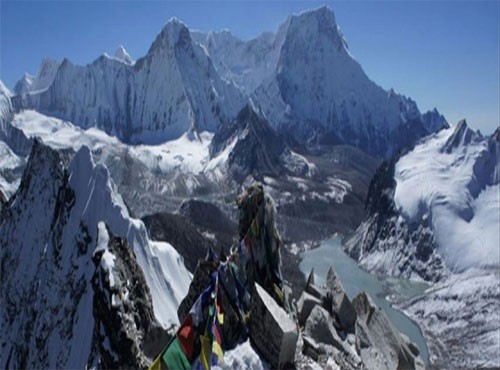
Throughout the trek, views of Mount Manaslu (8,163 m) dominate the skyline, along with nearby peaks such as Himal Chuli, Ngadi Peak, Cheo Himal, and Shringi Himal.
The trip usually begins with a long but scenic drive from Kathmandu to the lower Budhi Gandaki Valley. From Machha Khola or Soti Khola, the trail follows the Budhi Gandaki River through deep gorges, forested hillsides, waterfalls, and traditional villages linked by suspension bridges.
As the trail gains height, the landscape changes from subtropical forest to alpine terrain, and the route passes stone-built settlements and old Gurung villages that reflect everyday mountain life.
Farther north, the trek enters the beautiful Nubri Valley, where Tibetan Buddhist culture is deeply rooted. Villages such as Namrung, Sama Gaun, and Samdo are known for monasteries, mani walls, prayer flags, and warm local hospitality.
These high mountain settlements also offer useful acclimatization stops. Side trips to Pungyen Gompa, Birendra Lake, or Samdo Ri help the body adjust to altitude while adding more Himalayan views to the journey.
Beyond Samdo, the route follows an old trade trail once used between Nepal and Tibet. It passes Larkya Bazaar, a historic seasonal trading area, and reaches Dharamsala (Larkya Phedi), the usual stop before crossing Larkya La Pass (5,106 m). This pass is one of the major highlights of the trek, with wide glacier views, dramatic ridgelines, and a true high-mountain atmosphere.
The climbing section begins from Larkya Base Camp, where climbers prepare for the ascent of Larkya Peak (about 6,249 m). The mountain has several summits, including Thulo Larkya, Sano Larkya, and Larkya North, with Sano Larkya being the most commonly climbed.
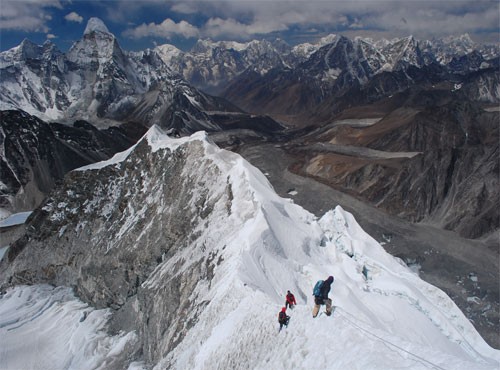
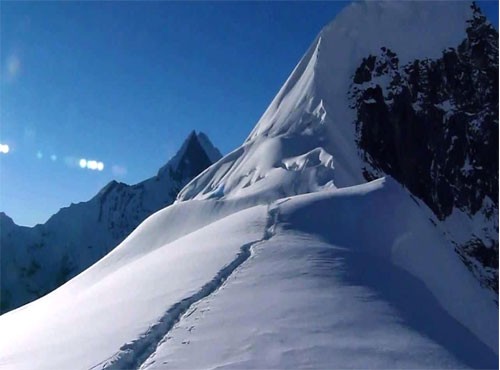
Compared with more popular trekking peaks in Nepal, Larkya Peak remains quieter and less crowded. The climb is considered moderately technical, so it is best suited to fit trekkers with good endurance, proper acclimatization, and some basic mountaineering knowledge. Climbers may need to use crampons, fixed ropes, and an ice axe, depending on conditions.
From the summit, the reward is exceptional. On a clear day, climbers can enjoy wide views of Manaslu, Annapurna, Ganesh Himal, Lamjung Himal, and Tilicho Peak. After the climb and the Larkya La crossing, the trail descends through alpine pasture, pine and rhododendron forest, and scattered villages toward Dharapani, where the Manaslu route meets the Annapurna Circuit.
This journey stands out not only for its scenery and climbing challenge, but also for the depth of cultural and natural experience along the way. For trekkers looking for a remote Nepal trek with peak climbing, the Manaslu Circuit with Larkya Peak offers a rare combination of high mountain adventure, local culture, and a less crowded Himalayan route.
Key Highlights of Manaslu Trek with Larke Peak Climbing
- Scenic drive from Kathmandu to Machha Khola
- Great views of Mount Manaslu (8,163 m), the world’s eighth-highest mountain
- Rich mountain culture and traditional Himalayan villages
- Possible habitat of snow leopard, red panda, and Himalayan yak
- Beautiful views of snow-covered Himalayan peaks
- Trek through pine, oak, spruce, and rhododendron forests
- Experience Tibetan Buddhist culture and local traditions
- High-altitude trek and climb to Larke Peak (6,219 m) via Larke La Pass
Difficulty of Manaslu Circuit Trek with Larkya Peak Climbing
The Manaslu Circuit Trek with Larkya Peak Climbing is considered a challenging adventure in Nepal because it combines a long high-altitude trek with a 6,249-meter Himalayan peak climb. The trekking section follows remote mountain trails through the Budhi Gandaki Valley, crossing suspension bridges, steep ridges, and rugged terrain. Trekkers also need to cross Larkya La Pass (5,106 m), one of the highest and longest passes in the Manaslu region. This day is often the toughest because of cold temperatures, strong winds, and thin mountain air.
The climb of Larkya Peak (around 6,249 m) adds another level of difficulty. Climbers may use crampons, ropes, and an ice axe, depending on snow and glacier conditions. While the technical sections are moderate compared with some Himalayan peaks, the main challenge is altitude, endurance, and changing mountain weather. For this reason, the trip is best suited for trekkers with previous high-altitude trekking experience who want to move from trekking to Himalayan peak climbing in a remote and less crowded region.
Best Time for Manaslu Circuit Trek and Larkya Peak Climbing
The best time for the Manaslu Circuit Trek with Larkya Peak Climbing is during the spring (March to May) and autumn (late September to November) seasons. During these months, the weather in the Manaslu region is usually more stable, and trekkers can enjoy clear Himalayan views and safer climbing conditions.
Spring is a beautiful time to trek in the Manaslu Conservation Area. Temperatures are gradually warmer, forests are green, and rhododendron flowers bloom across the hills. Snow conditions on Larkya Peak are often more stable, which can make climbing more manageable for well-prepared teams.
Autumn is another excellent season for the Manaslu Circuit trek and peak climbing. After the monsoon rains end, the air becomes clean and visibility is often excellent. The trails are generally dry, and the mountain scenery is especially clear.
Winter brings heavy snow and freezing temperatures at high passes, while the monsoon season (June to August) often brings rain, landslides, and poor visibility. For most trekkers and climbers, spring and autumn offer the safest and most rewarding trekking and climbing conditions.
Experience and Physical Fitness Required for Larkya Peak Climbing
Good physical fitness and previous trekking experience are important for anyone planning Larkya Peak climbing with the Manaslu Circuit Trek. This journey involves many days of walking at altitude, crossing a high mountain pass, and climbing a 6,000-meter Himalayan peak. Trekkers who have already completed high-altitude treks above 4,000 m or 5,000 m usually adapt better to the conditions in the Manaslu region.
Although Larkya Peak is not considered an extremely technical climbing peak, basic mountaineering skills are helpful. Climbers may need to use equipment such as crampons, fixed ropes, and an ice axe, especially during the final summit push. Many trekking companies provide climbing guidance and basic training at base camp before the ascent.
Strong endurance is essential because daily trekking distances can be long, and the summit day often starts very early in cold conditions. Preparing with regular hiking, cardio training, and leg-strength exercises can make the journey more comfortable. Just as important are mental strength, patience, and proper acclimatization, which help trekkers safely enjoy this remote Himalayan adventure.