Bhutan is one of the most unique travel destinations in the Himalayas, offering culture, tradition, and pristine landscapes. Visiting in 2026 follows a carefully managed tourism system that limits mass tourism to protect the country’s environment and heritage.
Most international travelers must arrange a Bhutan visa through a licensed local tour operator, who also organizes guides, transport, and accommodation. Fully independent travel is rarely allowed, but itineraries can be customized to match interests such as trekking in Bhutan, cultural sightseeing, or photography trips. This structured approach ensures a safe, organized, and memorable experience for first-time visitors.
The best time to visit Bhutan depends on your travel goals. Spring (March–May) is perfect for trekking routes like the Druk Path Trek, with blooming rhododendrons and clear Himalayan views. Autumn (September–November) offers crisp skies, major festivals such as Paro Tshechu, and excellent photography opportunities.
Winter is quieter, ideal for peaceful monasteries, though higher regions are cold. Monsoon months bring lush greenery but can reduce visibility. Understanding Bhutan weather by season is key for trekking, festival travel, and photography planning.
Bhutan travel costs include a Sustainable Development Fee (SDF) charged per night, supporting healthcare, education, and conservation. Typical Bhutan tour packages cover hotels, meals, licensed guides, and private transport. While Bhutan is not a budget destination, visitors gain exceptional value from its preserved culture, clean cities, and authentic local experiences. Proper planning ensures a rewarding trip that balances cost, comfort, and adventure.
Best Time to Visit Bhutan: Weather, Seasons & Festivals
Bhutan is a Himalayan kingdom where culture, tradition, and natural beauty create a unique travel experience. Choosing the right time to visit depends on your interests, whether trekking, festival exploration, or photography. Understanding Bhutan’s weather, seasons, and cultural calendar will help you plan a smooth and rewarding trip.
Spring in Bhutan (March–May)
Spring is one of the most popular times to visit. The weather is mild, and valleys and hills are covered in blooming rhododendrons and other alpine flowers. Trekking routes, including the famous Druk Path Trek, are accessible, and skies are generally clear for panoramic Himalayan views. Several local festivals, such as Paro Tshechu, showcase Bhutan’s vibrant culture and traditional dances, making it a great season for photography and cultural exploration.
Summer/Monsoon (June–August)
Summer brings warm temperatures and occasional heavy rainfall. While the monsoon can limit trekking visibility in higher altitudes, it turns the landscape lush and green. This season is ideal for exploring lower valleys, enjoying rivers and waterfalls, and experiencing fewer tourists. Festivals are less frequent, but the natural scenery is at its most vibrant.
Autumn in Bhutan (September–November)
Autumn offers crisp air, clear skies, and stunning mountain panoramas. This is the peak season for travelers, especially those aiming to combine trekking with festivalvisits. Popular festivals include Thimphu Tshechu and other regional celebrations. Trekking trails are dry and well-maintained, making it the best time for long-distance treks and photography.
Winter in Bhutan (December–February)
Winter brings cooler temperatures, particularly in higher regions, but also fewer crowds. Monasteries and valleys are peaceful, and lower-altitude treks remain accessible. Snow may cover higher passes, offering spectacular winter landscapes. Travelers seeking tranquility, cultural immersion, and off-season advantages often prefer this period.
Hello!
Welcome to Nepal, known as the Kingdom of the Himalayas and home to Mount Everest, the highest peak in the world. Nepal is often called Heaven on Earth and is a stunning place in the Himalayan region. It's like Shangri-La, a living cultural museum, the birthplace of Lord Buddha, and where the living Goddess Kumari resides.
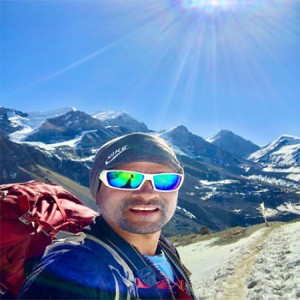
I'm Birendra Pd Chudal, a trekking tour operator and mountain guide specializing in trekking, tours, and travel in Nepal. I also organize hikes in the Himalayas and other outdoor activities such as peak climbing, expeditions, adventure trekking, and rafting. I completed my bachelor's degree in sociology at Tribhuvan University in Kathmandu in 2005. I've been using my experience in tourism to promote sustainable eco-tourism in remote areas, aiming to empower local communities. I enjoy sharing my travel experiences in the Himalayas through my blog, providing accurate information and assistance to travelers exploring Nepal.
If you have any questions or need more information, feel free to leave a message below.